Captain America: Civil War
"A heartbreaking breakup movie disguised as a billion-dollar superhero royal rumble."
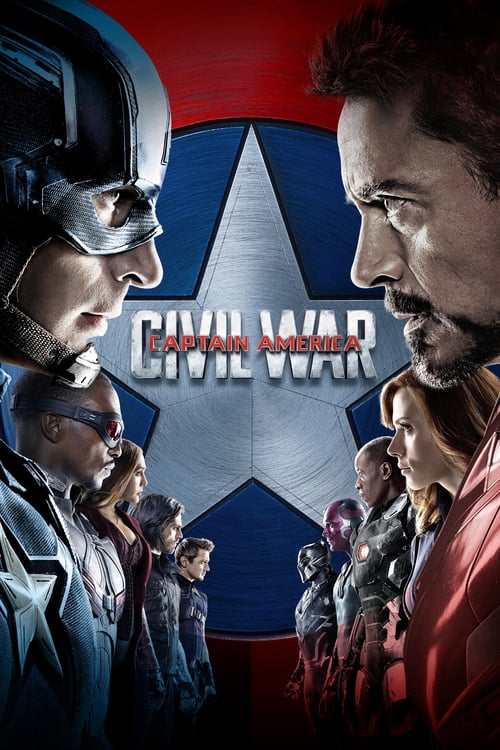
I clearly remember watching Captain America: Civil War for the first time while nursing a lukewarm Diet Coke and a very crumbly granola bar that kept depositing oats into my lap every time Tom Holland did a flip. That minor physical mess felt strangely appropriate. This is, after all, a movie about a very tidy family of gods and monsters suddenly becoming a spectacular, irreparable disaster.

In the grand, dizzying architecture of the Marvel Cinematic Universe, Civil War stands as the moment the franchise finally grew a conscience—and then immediately used that conscience to punch its best friend in the face. It arrived in 2016, right as the "superhero fatigue" discourse began to bubble up, proving that these movies could be more than just punch-outs in the sky; they could be intimate, painful, and surprisingly political.
The World’s Most Expensive Custody Battle
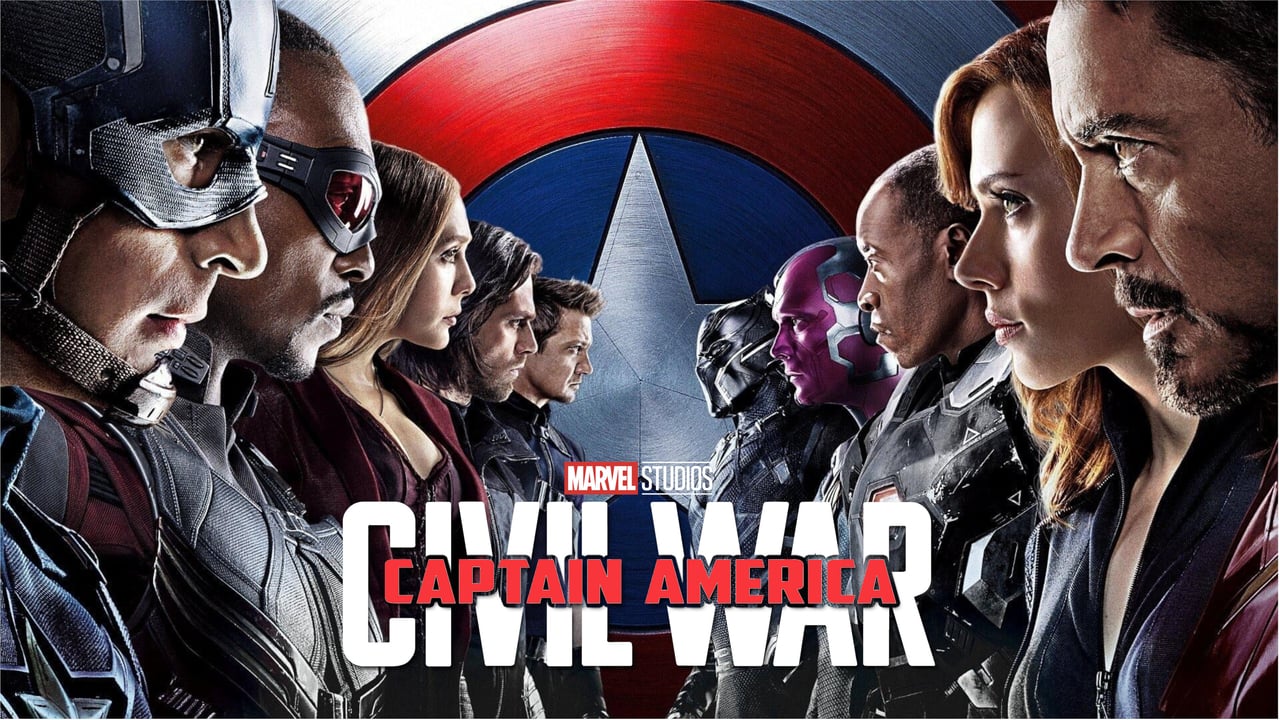
The premise is deceptively simple: the world is tired of the Avengers "saving" it by dropping cities on people’s heads. When the collective governments of the world demand oversight via the Sokovia Accords, the team splits. On one side, you have Robert Downey Jr. as Tony Stark, a man so haunted by his own creation that he’s willing to trade freedom for the comfort of a leash. On the other, Chris Evans as Steve Rogers, who has seen enough "oversight" in his time to know that agendas change, but the right thing usually doesn't.
What makes this work isn't the politics, though. It’s the history. By 2016, we had spent eight years watching these two build a prickly, respectful brotherhood. Watching them dismantle it is genuinely upsetting. When Tony looks at Steve and says, "He’s my friend," and Steve responds, "So was I," I felt it in my chest more than any CGI explosion. Tony Stark’s transition from quip-machine to a man whose heart is visibly breaking is the best work Downey Jr. ever did in the suit.
Punching With Purpose
From a technical standpoint, directors Joe and Anthony Russo brought a gritty, tactical aesthetic that they first explored in The Winter Soldier. They like their action to have weight. Even when Don Cheadle’s War Machine or Anthony Mackie’s Falcon are flying, there’s a sense of gravity and impact.
The centerpiece is, of course, the Leipzig-Halle Airport battle. It is a comic book splash page come to life. Seeing Scarlett Johansson and Jeremy Renner trade blows while acknowledging their friendship ("Are we still friends?" "Depends on how hard you hit me") adds a layer of character to the choreography that most action movies ignore. But if I’m being honest, the airport fight looks like it was filmed in a very expensive gray parking lot, while the final, claustrophobic three-way brawl in Siberia is the film's true masterpiece.
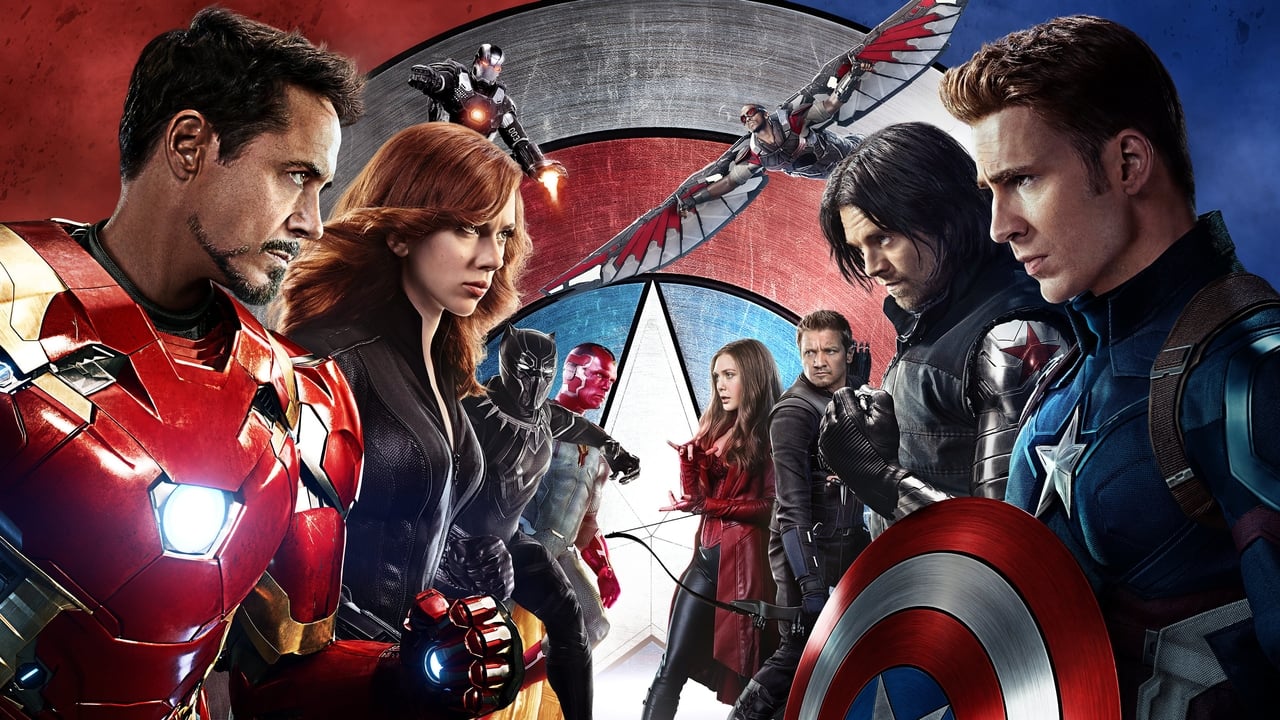
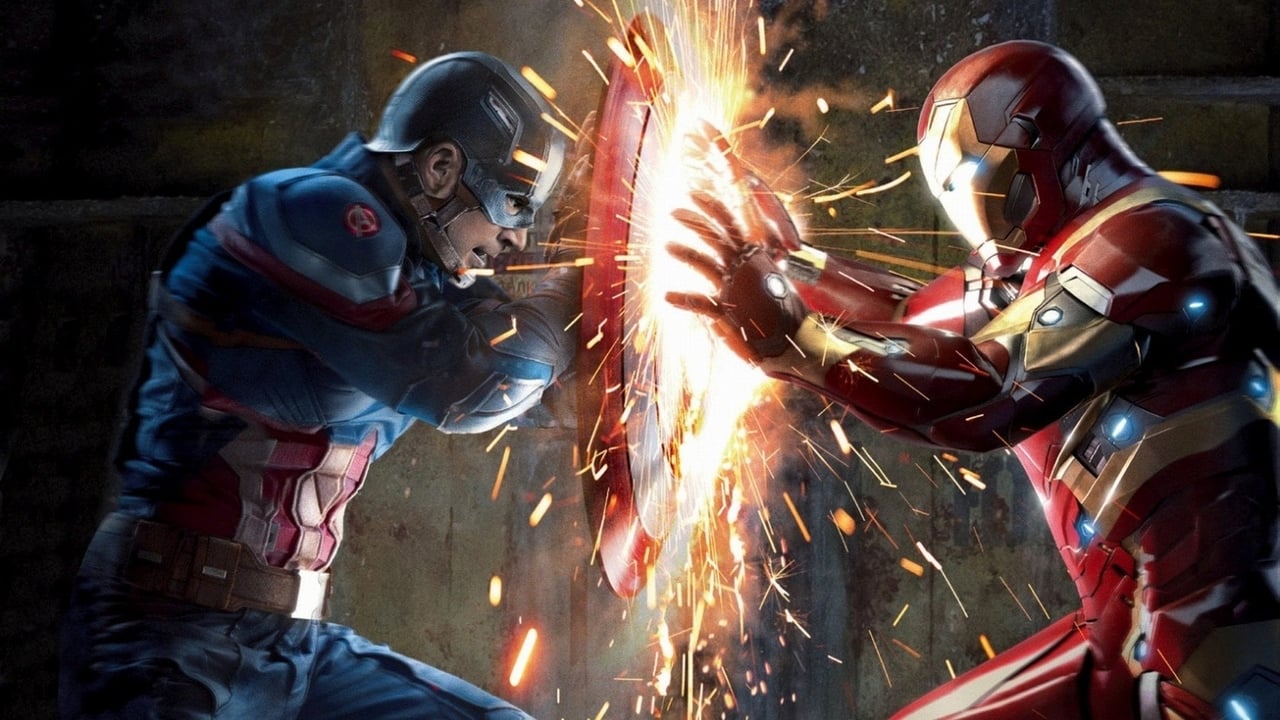
That final fight isn't about saving the world; it’s about three traumatized men—Steve, Tony, and Sebastian Stan's Bucky Barnes—trapped in a bunker, lashing out at their own grief. It’s brutal, messy, and lacks any of the "cool" factor we expect from blockbusters. It feels like a mistake you can't take back.
The Cultural Splash
At the time, the hype was inescapable. This wasn't just another sequel; it was a "mini-Avengers" event that shattered the box office. With a staggering budget of $250 million, Marvel Studios took a massive gamble on a story that essentially ends with the heroes losing and the team disbanded. It paid off to the tune of over $1.1 billion worldwide, proving that audiences were hungry for stakes that were emotional rather than just existential.
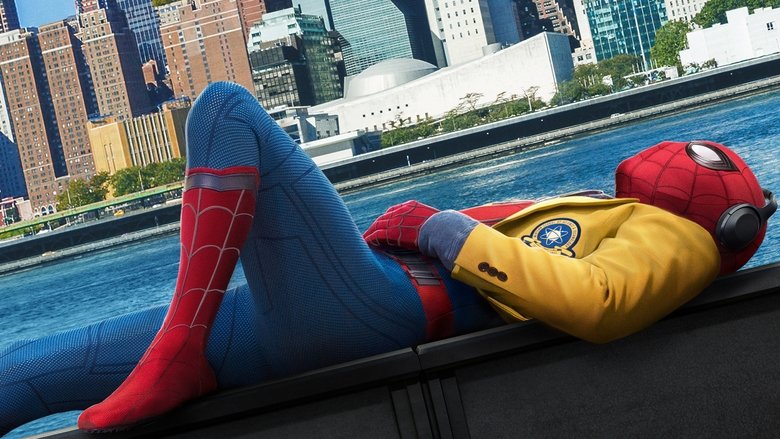
The film also served as a massive launchpad. It’s easy to forget now, but the inclusion of Spider-Man was a miracle of corporate law. The "homecoming" of Peter Parker involved a complex deal between Sony and Disney that shifted the industry's landscape. Meanwhile, Chadwick Boseman’s debut as T’Challa/Black Panther was a revelation. He didn't just join the cast; he commanded it, bringing a regal, vengeful energy that set the stage for a cultural phenomenon two years later.
Stuff You Didn't Notice
The production was a beast of logistics. For the famous tunnel chase, the crew utilized a brand-new "camera car" capable of hitting high speeds while keeping the actors in focus, emphasizing practical stunt work over green screens where possible. Interestingly, despite the film’s massive scale, Chris Evans actually injured his arm for real while filming the iconic "helicopter curl" scene. Apparently, flexing that hard against a rig actually has physical consequences—who knew?
There’s also the de-aging technology used on Tony Stark at the beginning of the film. While we’ve become used to it now, in 2016, seeing 1990s-era Robert Downey Jr. was a "uncanny valley" milestone that signaled where the industry was headed: a world where actors never have to truly age out of a role.
The Verdict
Civil War represents the peak of the "interconnected" era of filmmaking. It rewards you for paying attention to the previous twelve movies without feeling like a homework assignment. It’s a film about the cost of being a hero, the fragility of friendship, and the fact that sometimes, there isn't a "right" side—just a side you can live with. Vision’s attempt to cook paprikash while wearing a collegiate sweater-vest is the only truly unforgivable thing in this movie.
The Russo Brothers managed to take a bloated cast list and turn it into a lean, mean emotional thriller. It’s the rare blockbuster that understands that a shield hitting a chest piece can sound louder than a bomb if you care about the people behind the armor. By the time the credits roll, the MCU is forever changed, and the "United We Stand" tagline feels like a distant, bittersweet memory. It remains the gold standard for how to handle a franchise crossover without losing the soul of the characters.
Keep Exploring...
-
Captain America: The Winter Soldier
2014
-
Avengers: Infinity War
2018
-
Avengers: Endgame
2019
-

Captain America: The First Avenger
2011
-
The Electric State
2025
-
Avengers: Age of Ultron
2015
-
Captain America: Brave New World
2025
-
Ant-Man
2015
-
Spider-Man: Homecoming
2017
-
Jurassic World
2015
-
Star Wars: The Force Awakens
2015
-
Rogue One: A Star Wars Story
2016
-
Guardians of the Galaxy Vol. 2
2017
-
Star Wars: The Last Jedi
2017
-
Thor: Ragnarok
2017
-
Ant-Man and the Wasp
2018
-

Black Panther
2018
-
Bumblebee
2018
-
Maze Runner: The Death Cure
2018
-
Ready Player One
2018