Deadpool
"The foul-mouthed disruptor that punched the superhero genre squarely in its spandex"
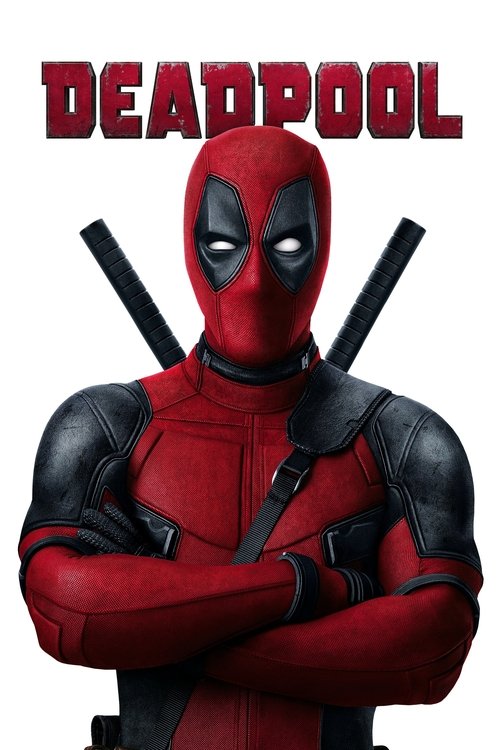
The opening credits of Deadpool don't list names; they list archetypes. We see "A Hot Chick," "A British Villain," and "A Gratuitous Cameo," all frozen in a mid-air car crash while Juice Newton's "Angel of the Morning" warbles in the background. In those first sixty seconds, director Tim Miller and star Ryan Reynolds didn't just introduce a character; they filed a formal divorce from the self-serious, world-ending stakes of the 2016 cinematic landscape. While the rest of the industry was busy building "universes," Deadpool was busy burning the blueprints.
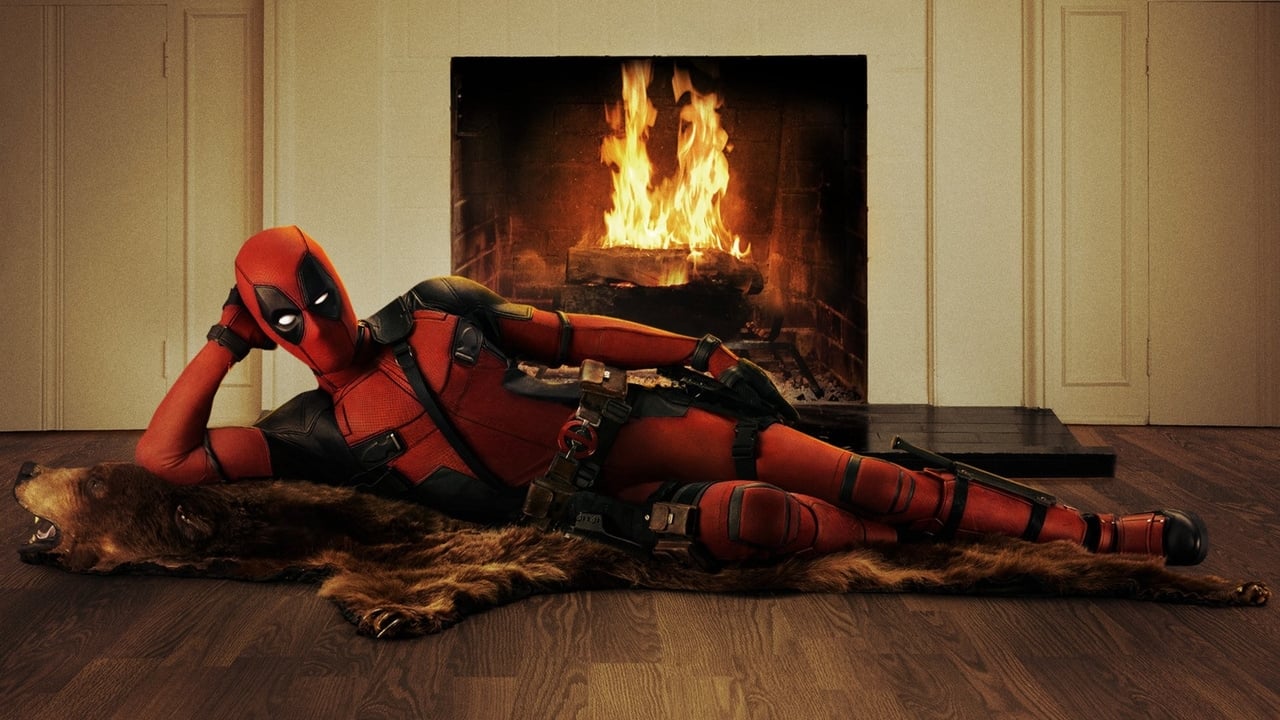
The Leak That Changed Everything
To understand why this film feels so electric, you have to acknowledge that it almost didn't exist. For eleven years, Ryan Reynolds championed a faithful adaptation of Wade Wilson, only to be met with a resounding "no" from 20th Century Fox—mostly because the studio couldn't wrap its head around an R-rated superhero movie. It took a mysterious "leak" of CGI test footage in 2014 to set the internet on fire and force the studio's hand.
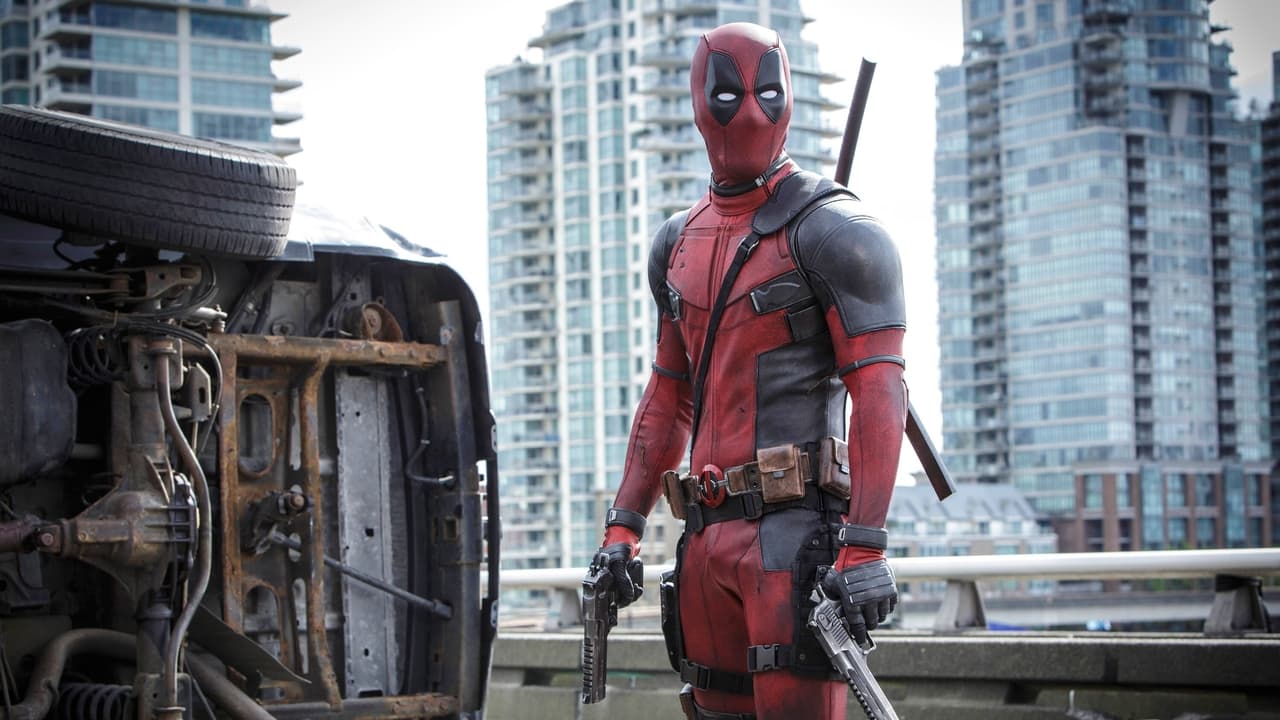
When production finally started, the budget was a relatively paltry $58 million—roughly the catering budget for an Avengers sequel. This ended up being the film's greatest blessing. Forced to innovate, the team leaned into a gritty, localized story that felt intimate rather than overblown. When Deadpool forgets his bag of guns before the final showdown, it isn't just a joke; it was a creative solution to a budget that couldn't afford a massive twenty-minute firefight. That scrappy, underdog energy radiates through every frame.
A Masterclass in Meta-Action
The action choreography in Deadpool is remarkably lucid. Tim Miller, coming from a heavy VFX and animation background, understands the "geography" of a fight. The freeway sequence is a highlight of 2010s action cinema, blending hyper-violent stunts with a slapstick sensibility that feels like a blood-drenched Looney Tunes cartoon. Reynolds moves with a chaotic grace, his constant quips serving as a rhythmic counterpoint to the "crunch" of Tom Holkenborg's driving score.
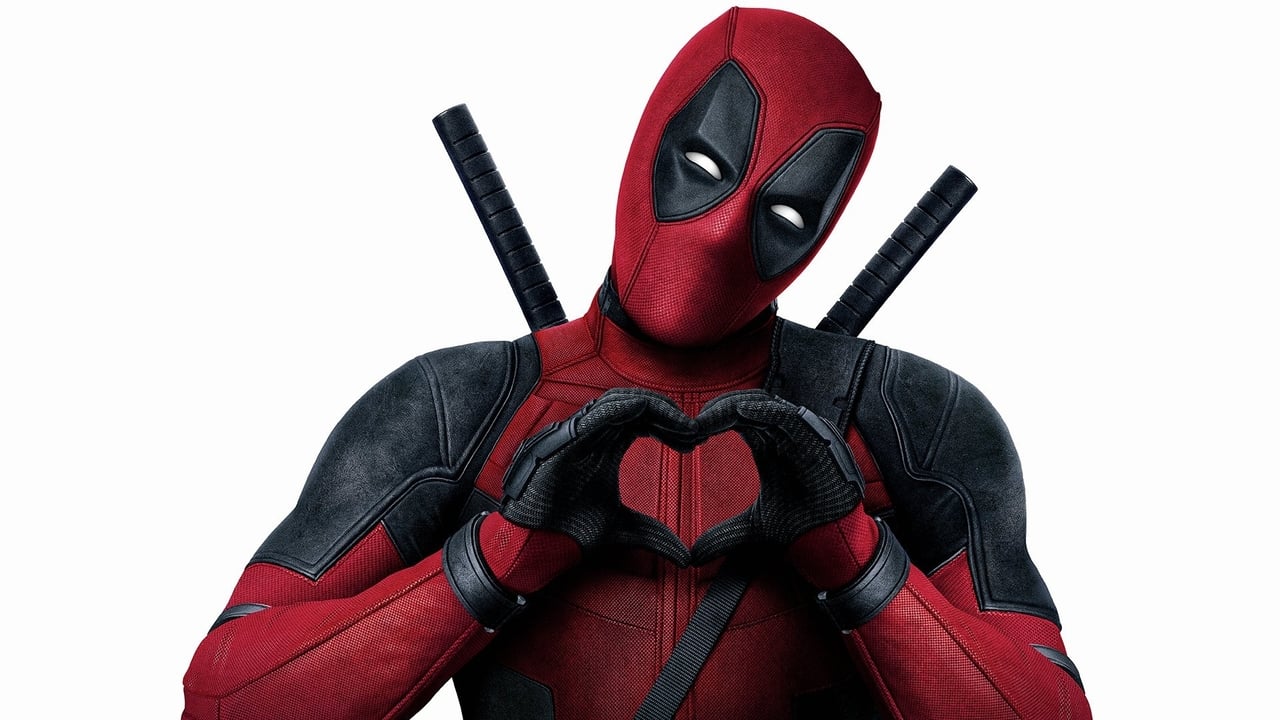
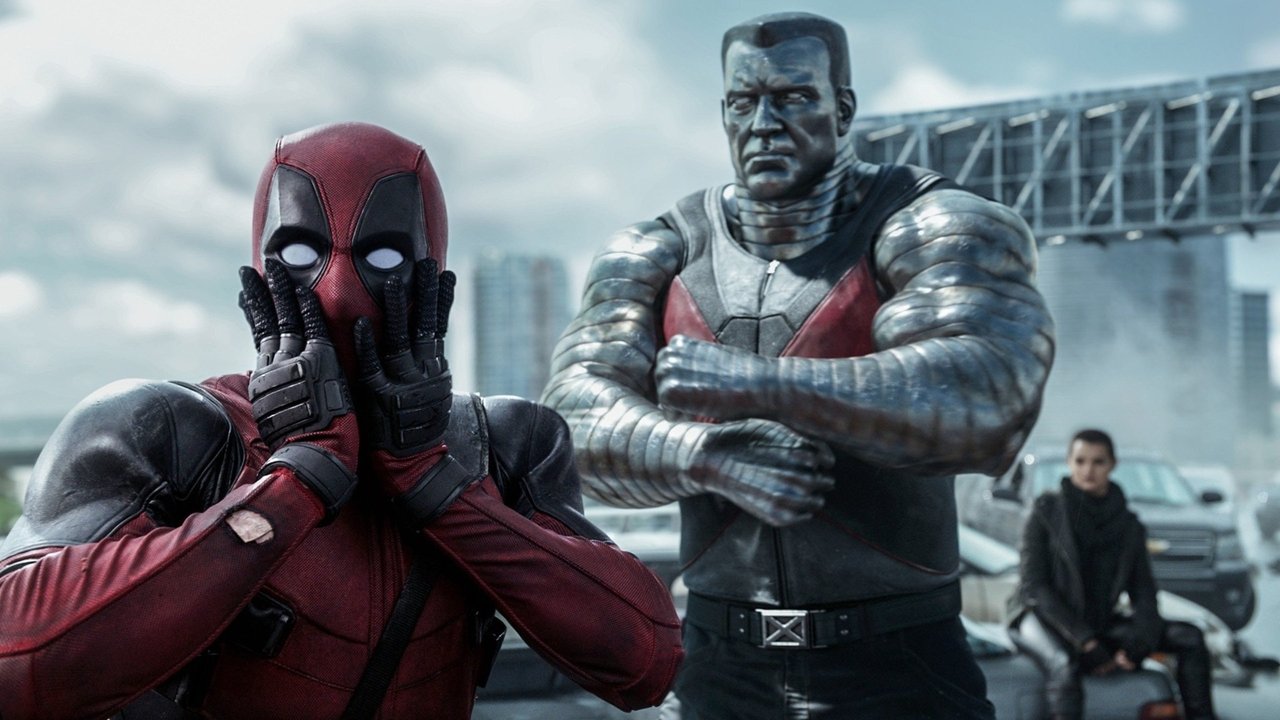
But the real magic lies in the fourth-wall breaking. This wasn't a new trick, but in an era of franchise saturation, hearing a hero acknowledge that the studio couldn't afford any more X-Men to appear in his movie felt like a breath of fresh air. It turned the audience into Wade's co-conspirators. We weren't just watching a movie; we were in on the joke.
The Heart Beneath the Spandex
It would be easy for a movie this cynical to feel hollow, but Deadpool anchors its dick jokes in a surprisingly sincere romance. The chemistry between Ryan Reynolds and Morena Baccarin is the film's secret weapon. As Vanessa, Baccarin isn't a trophy to be rescued; she's a partner in Wade's weirdness. Their "Year of Holidays" sex montage establishes a bond that makes Wade's eventual transformation and subsequent fear of rejection feel genuinely tragic.
The villains, played by Ed Skrein and Gina Carano, provide the necessary physical threat, even if they are intentionally one-dimensional "British Villains" and "Thugs." Skrein's Ajax (or "Francis," as Wade delights in reminding him) serves as the perfect straight man to the Merc with a Mouth's relentless badgering.
Cultural Shockwaves
When the dust settled, Deadpool didn't just succeed; it obliterated expectations. It hauled in over $780 million, proving to Hollywood that adult audiences were starving for superhero content that didn't feel sanitized for a lunchbox. It paved the way for Logan, The Suicide Squad, and even The Boys, showing that "R-rated" didn't have to mean "niche."
In our current era of "franchise fatigue," looking back at Deadpool reveals a film that succeeded by being relentlessly itself. It didn't care about setting up ten future sequels; it cared about making the person in the theater seat laugh, cringe, and maybe feel a little bit of the love. For the Popcornizer community, it remains the ultimate "cool kid" of the genre—a film that knows exactly what it is and refuses to apologize for a single drop of blood or a single dirty joke.
Keep Exploring...
-
Deadpool 2
2018
-

Deadpool & Wolverine
2024
-
Kung Fu Panda 3
2016
-
Jumanji: Welcome to the Jungle
2017
-
Thor: Ragnarok
2017
-
Fast & Furious Presents: Hobbs & Shaw
2019
-
Kingsman: The Secret Service
2015
-

Sonic the Hedgehog 2
2022
-
The Bad Guys
2022
-

Bad Boys: Ride or Die
2024
-
Kingsman: The Golden Circle
2017
-
Spies in Disguise
2019
-
The Croods: A New Age
2020
-
Jungle Cruise
2021
-
The Suicide Squad
2021
-
Big Hero 6
2014
-
How to Train Your Dragon 2
2014
-
The Lego Movie 2: The Second Part
2019
-
Spy
2015
-
Finding Dory
2016