Don't Breathe
"In the dark, the blind man is king."
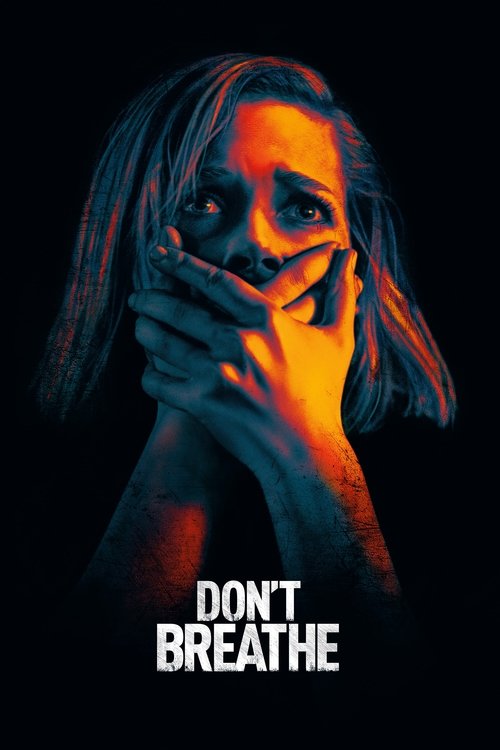
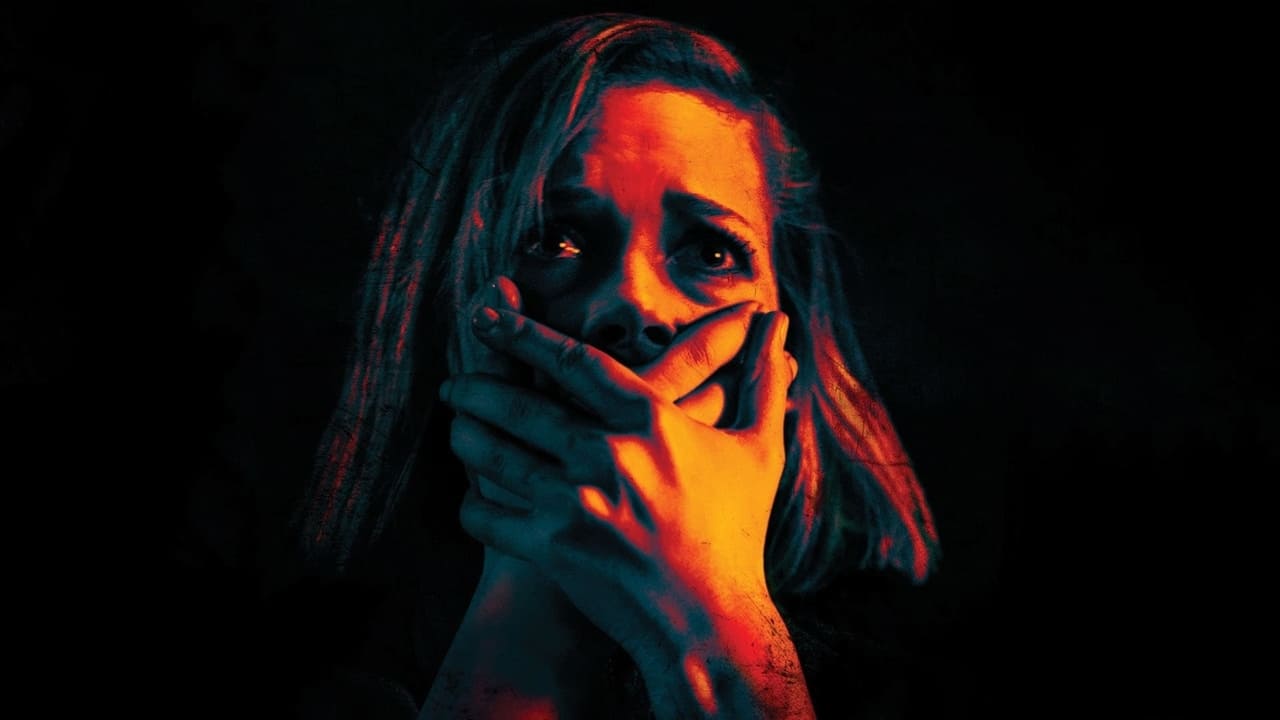
I remember sitting in a packed theater back in August 2016, and for about twenty minutes during the basement sequence, the only sound was the guy behind me nervously chewing on his hoodie string. It’s rare for a movie to literally demand its audience mimic the title, but Fede Álvarez did exactly that. I actually walked out of the theater with a slight tension headache from subconsciously holding my breath along with the characters. I once tried to walk through my own apartment in total darkness after a rewatch, tripped over a stray laundry basket, and scared my cat so badly she didn't come out from under the bed for three hours. I am clearly not cut out for the life of a Detroit burglar.
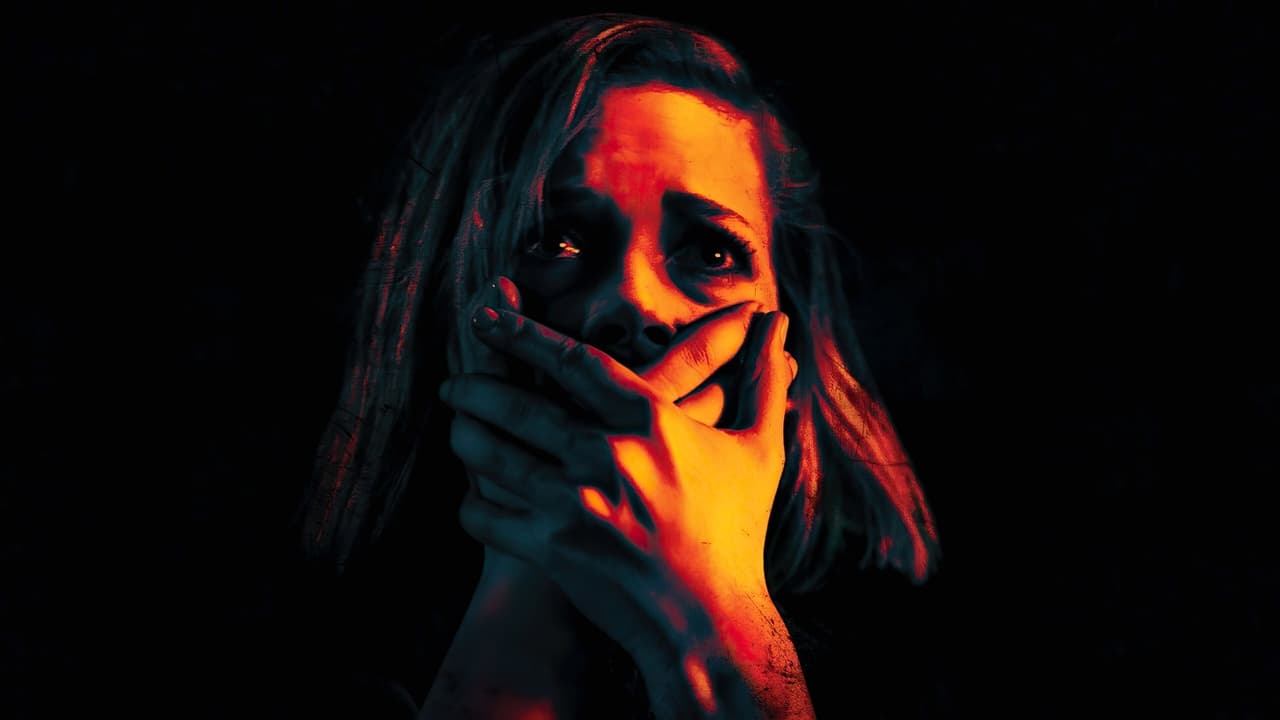
Flipping the Script on Home Invasion
In the mid-2010s, horror was undergoing a massive shift. We were moving away from the "torture porn" of the 2000s and into an era of high-concept, lean thrillers. Don't Breathe arrived right at the peak of this transition, proving that you don’t need a supernatural entity or a masked slasher to paralyze an audience. You just need a very motivated, very scary man and a house that feels like a tomb.
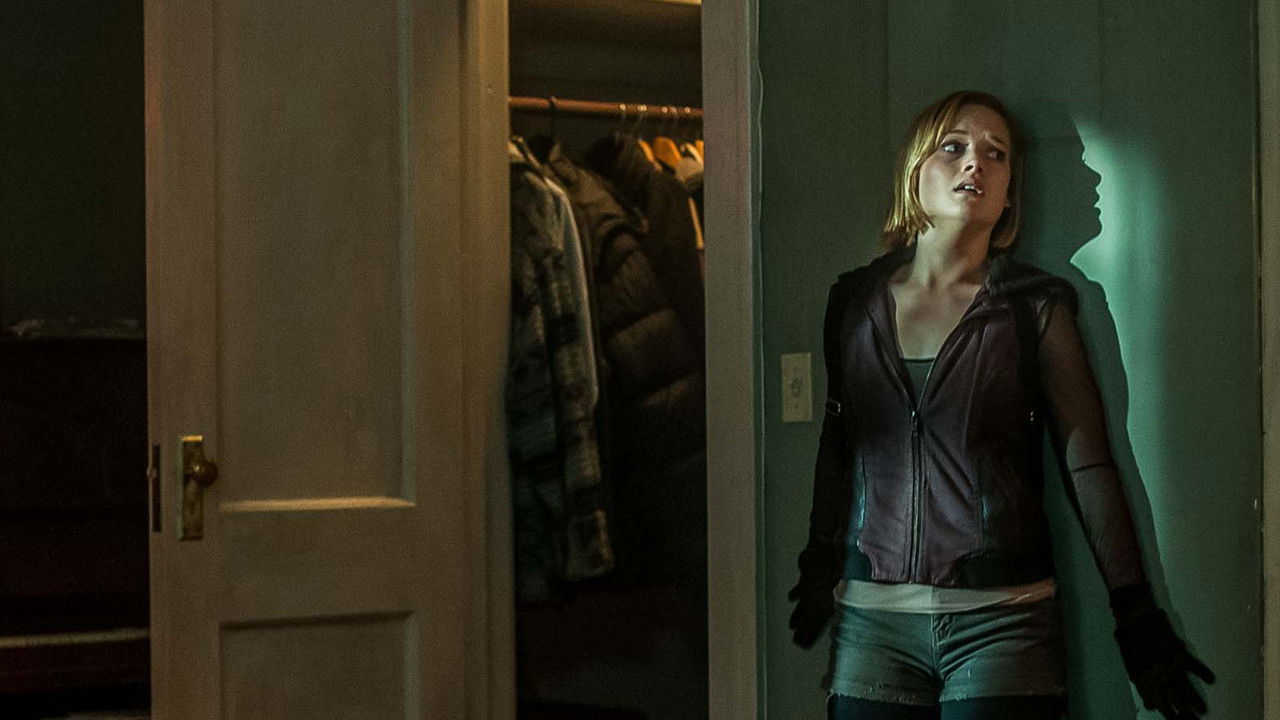
The premise is deceptively simple: three young thieves—Rocky (Jane Levy), Alex (Dylan Minnette), and Money (Daniel Zovatto)—decide to rob a blind Gulf War veteran (Stephen Lang) living in a dilapidated corner of Detroit. They think it’s an easy score. They are, of course, catastrophically wrong. What follows is a 89-minute exercise in sustained dread that flips the "home invasion" subgenre on its head. Suddenly, the invaders are the prey, and the "victim" is the apex predator.
Jane Levy, who previously worked with Álvarez on the Evil Dead remake, is fantastic as Rocky. She’s the emotional heart of the film, driven by a desperate need to save her younger sister from their abusive mother. Then there’s Dylan Minnette, who plays Alex with a cautious, almost reluctant energy; Alex is the poster child for "I'm a good guy but I still participate in high-stakes felonies." And then there’s Money. Money is a cautionary tale about what happens when you make "edgy" your entire personality. You almost want him to get caught just so he'll stop talking.
The Sound of Absolute Terror
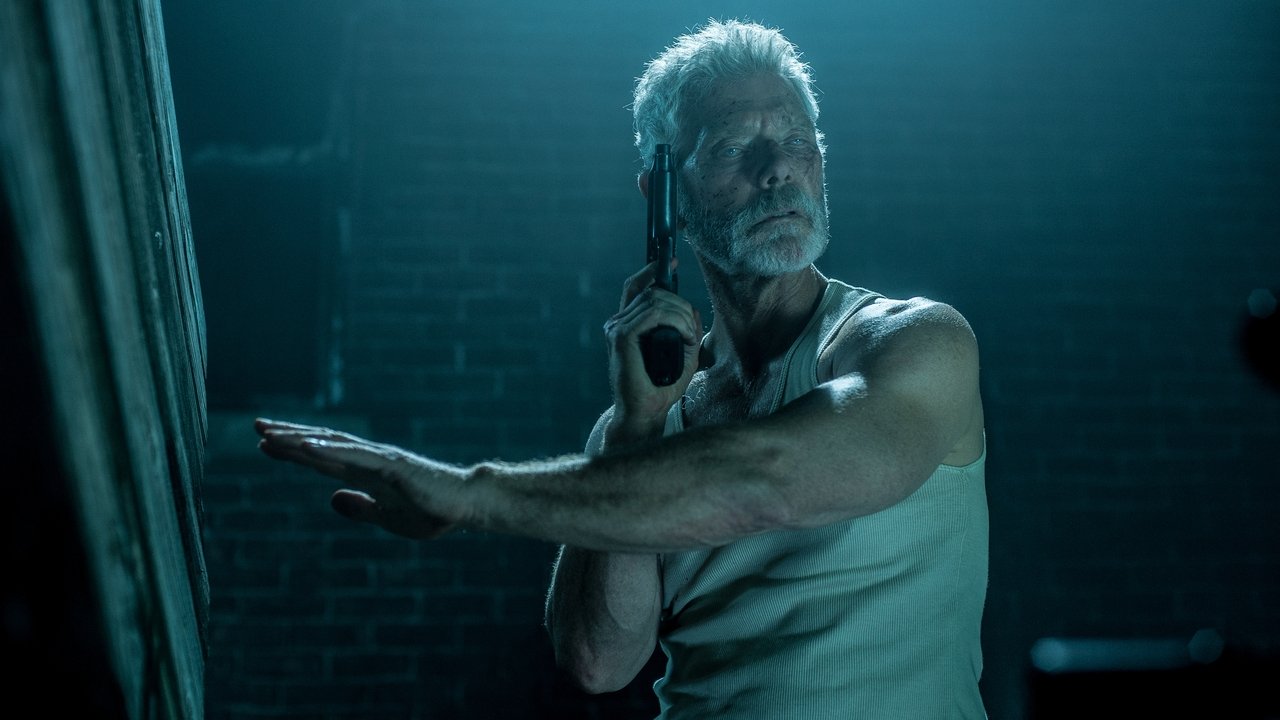
The real star of the show, however, is Stephen Lang. As "The Blind Man," he is a terrifying physical presence. He barely speaks, but his every movement feels calculated and lethal. I loved how the film didn't treat his blindness as a gimmick or a weakness to be exploited, but as a tactical advantage within the confines of his own home. He knows every creaking floorboard; he knows exactly how long it takes to get from the kitchen to the cellar.
Visually, the film is a masterclass in spatial awareness. Cinematographer Pedro Luque uses long, sweeping takes to establish the geography of the house early on, so when the lights go out, we—the audience—know exactly how trapped the characters are. The sound design is equally impressive. In a film where noise equals death, every floorboard groan and heavy breath feels like a jump scare. Roque Baños provides a score that is less about melody and more about industrial, metallic textures that scrape against your nerves.
It’s worth noting that Don't Breathe was a massive commercial success, especially considering its modest $9.9 million budget. It pulled in over $158 million worldwide, a feat that felt like a win for original, mid-budget filmmaking in a decade increasingly dominated by superhero franchises. It proved that audiences were hungry for tight, R-rated thrillers that took risks.
Subverting the Hero's Journey
The film takes a sharp, controversial turn in the final act. Without spoiling it for the uninitiated, let’s just say the "Blind Man" isn't exactly a misunderstood victim. There is a reveal involving a turkey baster that remains one of the most "I can't believe they put that in a major studio movie" moments of the last ten years. It shifts the movie from a heist-gone-wrong thriller into something much darker and more morally repulsive.
Some critics felt this twist was a bridge too far, but I’d argue it’s necessary. It strips away any lingering sympathy you might have for the antagonist and turns the finale into a desperate, grimy struggle for survival. It forces you to root for Rocky, not because she’s a "hero," but because the alternative is so much worse.
There's some fascinating trivia floating around about the production that highlights the dedication to the craft here. For instance, Stephen Lang wore specially designed contact lenses that greatly restricted his vision, especially in low light, meaning he was legitimately navigating much of the set by touch and sound. Also, the film was originally titled A Man in the Dark, but the change to Don't Breathe was a stroke of marketing genius—it’s an instruction to the audience as much as a title.
Don't Breathe is a lean, mean, and incredibly efficient piece of genre filmmaking. It doesn't waste a second of its 89-minute runtime, opting for escalating tension over cheap gore. While the ending might leave a bitter taste in your mouth, that’s exactly what Fede Álvarez intended. It’s a film about desperate people doing desperate things in a dying city, and it remains one of the best examples of modern suspense. Just remember to breathe while you watch it—your lungs will thank you.
Keep Exploring...
-
Don't Breathe 2
2021
-

Alien: Romulus
2024
-
The Girl in the Spider's Web
2018
-

The House That Jack Built
2018
-
The Accountant
2016
-
It
2017
-
John Wick: Chapter 2
2017
-
Split
2017
-
The Conjuring: The Devil Made Me Do It
2021
-
Furious 7
2015
-
Get Out
2017
-
John Wick: Chapter 3 - Parabellum
2019
-
Bad Boys for Life
2020
-
The Invisible Man
2020
-
A Quiet Place Part II
2021
-
Scream VI
2023
-
Longlegs
2024
-
The Black Phone
2022
-
Five Nights at Freddy's
2023
-

The Beekeeper
2024