Eddie the Eagle
"The most heroic way to finish last."

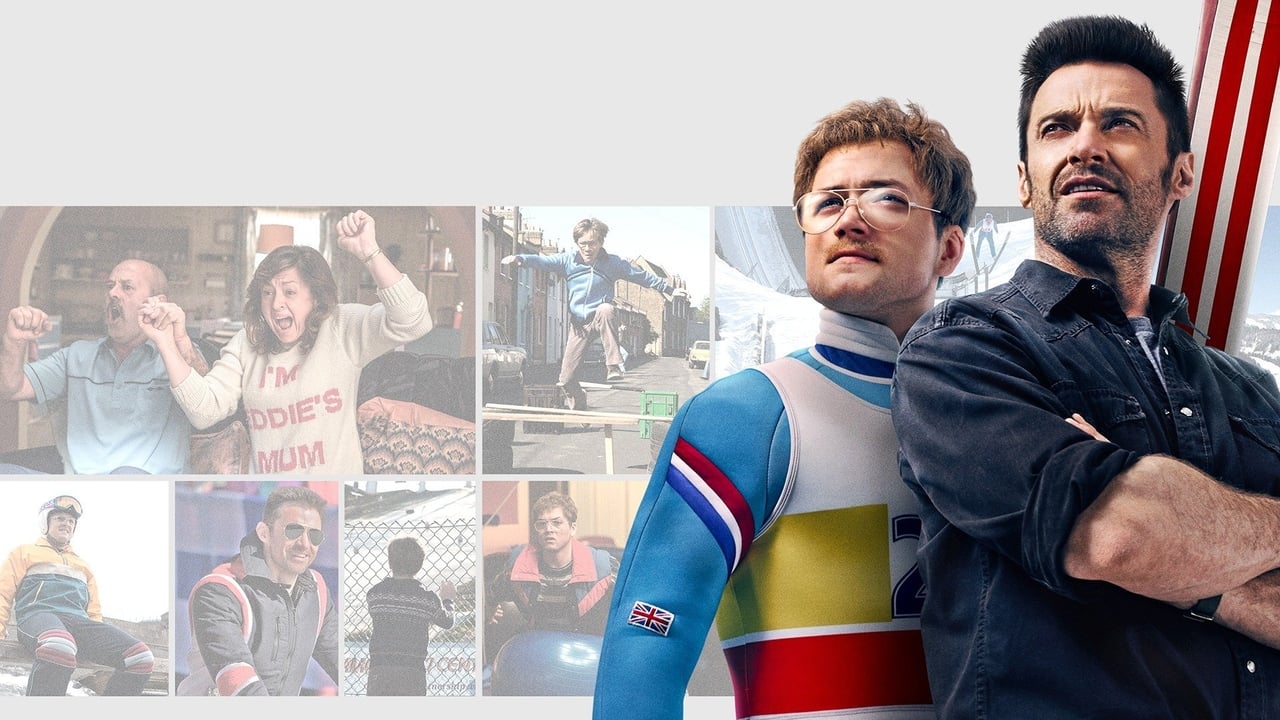
There is a specific kind of madness required to hurl oneself off a snowy precipice with nothing but two wooden planks and a prayer to keep you from becoming a human pancake. Most Olympic biopics focus on the "Greatest of All Time"—the specimens of peak physical perfection who were born with gold medals already cooling in their veins. But Michael "Eddie" Edwards wasn't that. He was a guy with thick-rimmed glasses, a persistent jaw tremor, and a level of delusional optimism that usually gets a person institutionalized.
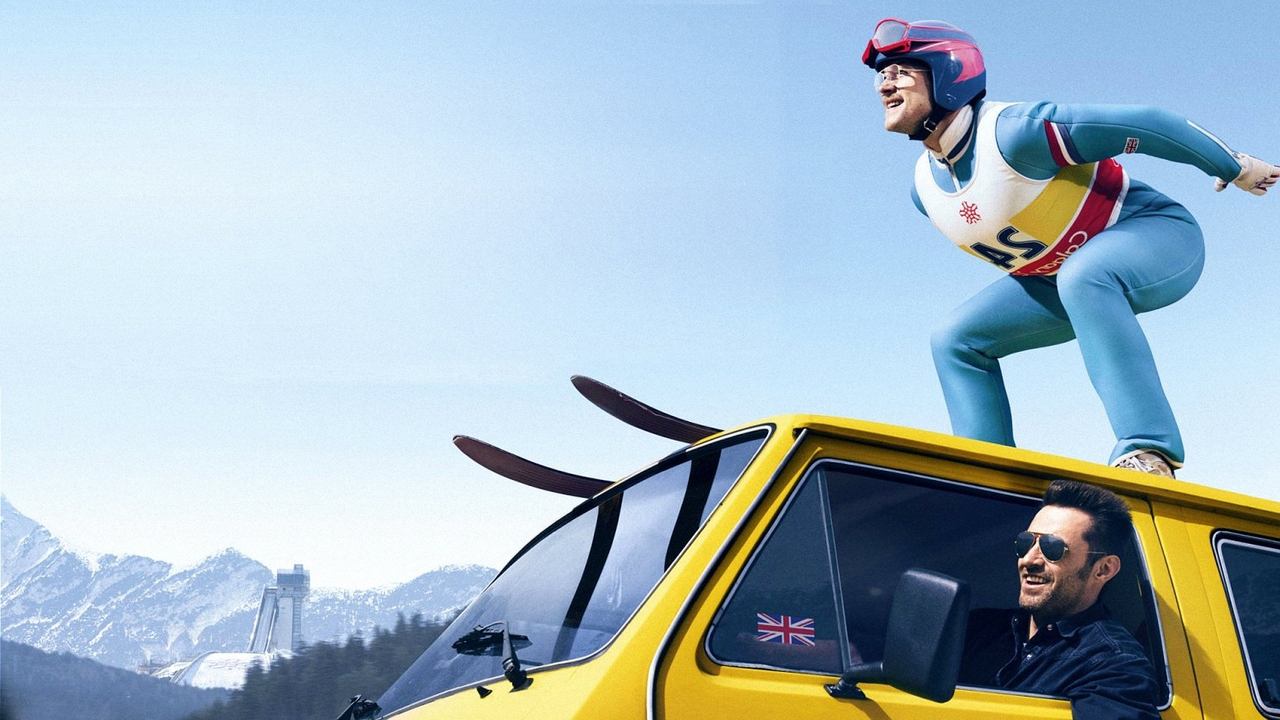
I watched this for the third time last Tuesday while nursing a mild coffee burn on my tongue from a poorly timed sip of an espresso macchiato, and strangely, the freezing alpine scenery on screen made the singe feel a little less annoying. It’s that kind of movie; it’s a cinematic warm blanket that manages to be deeply moving without ever feeling like it’s trying to sell you a self-help book.
The Art of the Adorable Loser
In an era of cinema dominated by universe-building and "gritty" deconstructions of heroism, Eddie the Eagle arrived as a stubborn anomaly. Directed by Dexter Fletcher (who later proved his biopic chops with Rocketman), the film embraces a vibrant, almost cartoonish energy that perfectly matches its protagonist's spirit. Taron Egerton puts in a transformative performance that is miles away from his suave turn in Kingsman: The Secret Service. He captures Eddie’s specific physical tics—the way he adjusts his glasses, the jutting chin—without ever turning him into a caricature.
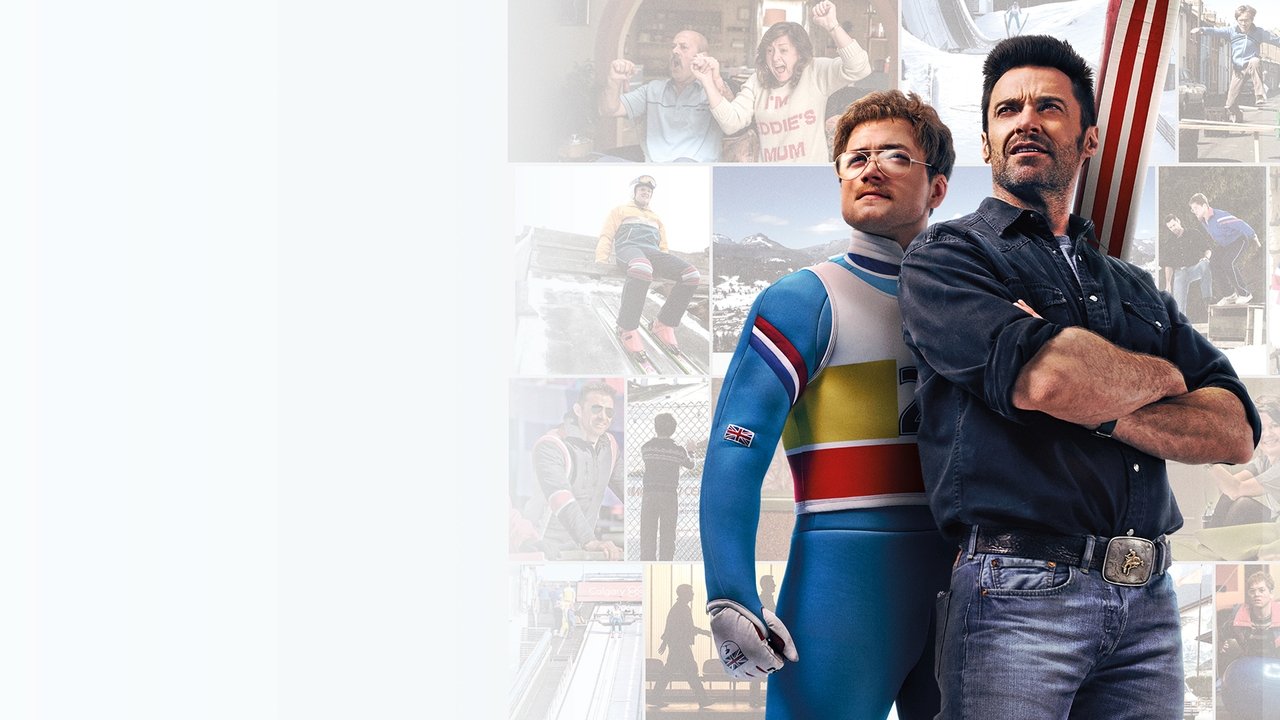
It’s a delicate tightrope to walk. If Egerton played it too straight, the movie would be depressing; if he played it too broad, it would be cruel. Instead, he gives us a man who is essentially a golden retriever in a ski suit, and I found myself rooting for him even when his "success" was literally just not dying. Opposite him, Hugh Jackman plays Bronson Peary, a fictionalized, hard-drinking former star who serves as the cynical Han Solo to Eddie’s wide-eyed Luke Skywalker. Jackman leans into his movie-star charisma here, basically playing a version of Wolverine if Logan decided to trade his claws for a flask and a snowblower. Their chemistry is the engine that keeps the film from sliding into sentimentality.
A Synth-Pop Time Machine
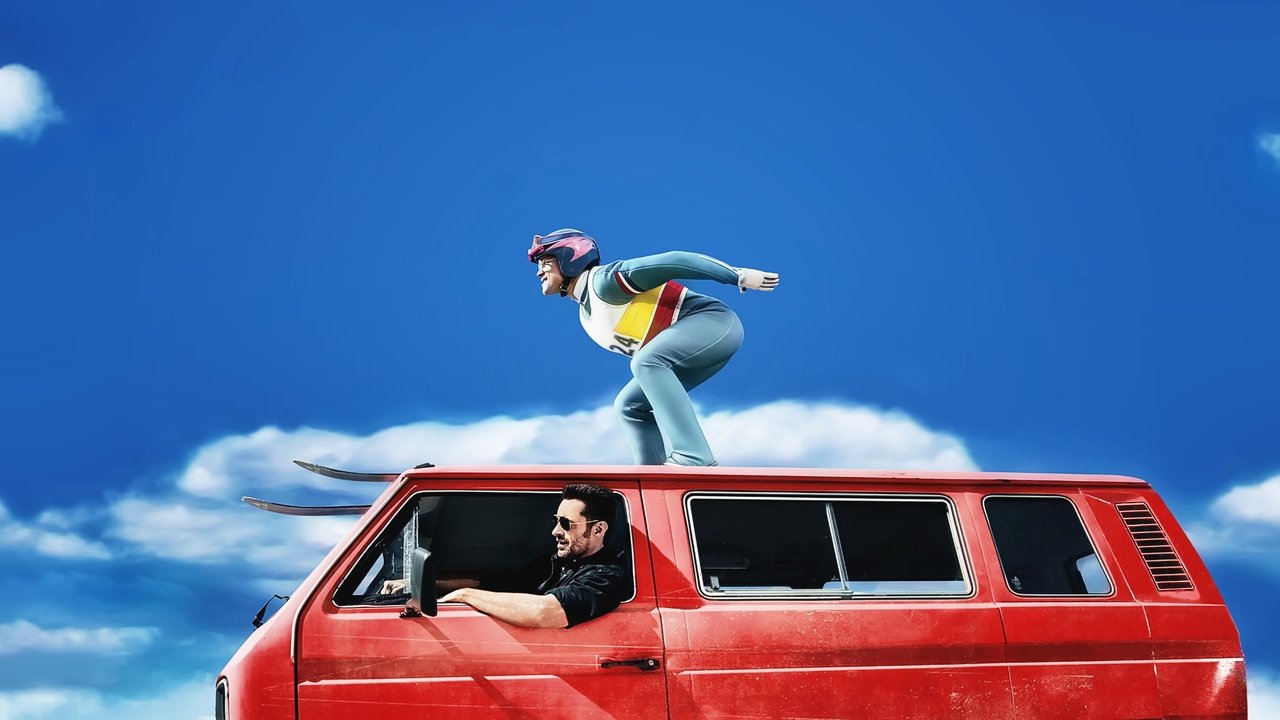
One of the boldest choices Dexter Fletcher made was leaning heavily into the 1980s aesthetic through the score. Matthew Margeson’s soundtrack is a pulsing, neon-soaked tribute to the synth-heavy era of Tangerine Dream and Vangelis. Honestly, the 80s synth score is doing 40% of the emotional heavy lifting, and I’m not even mad about it. It gives the training montages a propulsive, nostalgic weight that reminds us this was a time when sports still felt a little more like "amateur hour" and less like a corporate sponsorship arms race.
The film also captures the sheer terror of ski jumping better than any broadcast ever could. The cinematography by George Richmond makes the 70-meter and 90-meter jumps look like vertical drops into the abyss. When Eddie stands at the top of the Calgary ramp, the camera looks down, and you realize that the Olympic committee wasn't being elitist; they were trying to prevent a televised suicide.
The Underdog’s Underdog
While the film takes massive liberties with the truth—Bronson Peary didn't exist, and the real Eddie had been a much more competent downhill skier before switching to jumping—it captures the emotional truth of why the world fell in love with him in 1988. This is a "Cult Classic" in the making because it speaks to the outsider. It’s for everyone who was told they didn't have the "proper" build or the "right" pedigree.
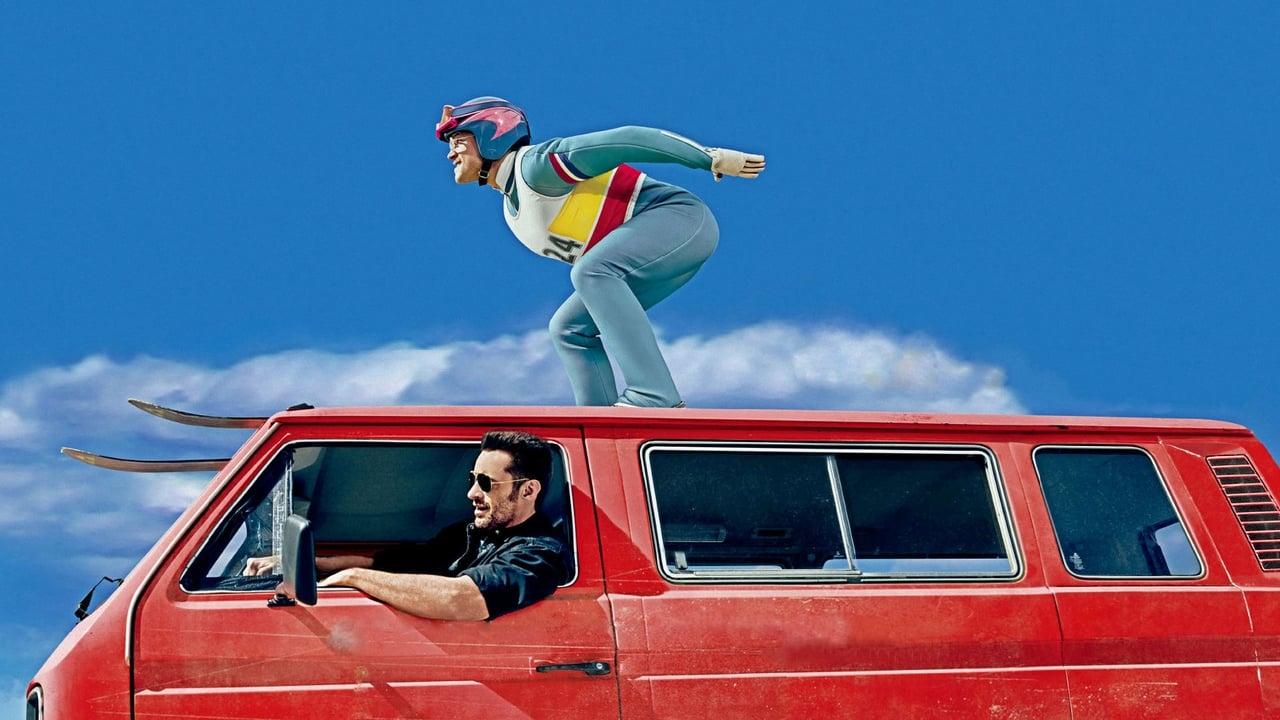
Apparently, the real Michael Edwards loved the film, even though he estimated it’s only about 5% historically accurate. That’s the magic of this contemporary wave of biopics; they aren't Wikipedia entries. They are vibes. During production, Hugh Jackman actually performed a "short" jump for real, and the look of terror on his face wasn't acting. Also, keep an eye out for Christopher Walken as Peary’s former mentor, Warren Sharp. Walken shows up, does Walken things for five minutes, and elevates the entire third act just by being the coolest person in the room.
The film didn't set the box office on fire upon release, but its life on streaming and home video has cemented it as a modern "feel-good" staple. In a landscape of cynical blockbusters, there is something radical about a movie that celebrates coming in dead last. It’s a film that argues the "taking part" is actually the point, a message that feels increasingly necessary in our hyper-competitive social media age.
Eddie the Eagle is the rare sports movie that doesn't need a gold medal to feel like a victory. It’s a beautifully shot, superbly acted, and unashamedly earnest look at a man who dared to be mediocre on a global stage. Whether you’re a sports fan or someone who gets winded walking up a flight of stairs, Eddie’s journey is a reminder that the view from the top is the same, regardless of how you land. Just make sure you bring your glasses.
Keep Exploring...
-
The Walk
2015
-
The Lost City of Z
2017
-
BlacKkKlansman
2018
-
The Favourite
2018
-

In the Heart of the Sea
2015
-
Cars 3
2017
-
Hostiles
2017
-
The Death of Stalin
2017
-
Rocketman
2019
-
Risen
2016
-

A Dog's Purpose
2017
-
Battle of the Sexes
2017
-
The Peanut Butter Falcon
2019
-
Hail, Caesar!
2016
-
Inside Out
2015
-
Hunt for the Wilderpeople
2016
-
Justice League vs. Teen Titans
2016
-
Swiss Army Man
2016
-
The Man Who Invented Christmas
2017
-
Can You Ever Forgive Me?
2018