Elle
"Power is the only game she plays to win."
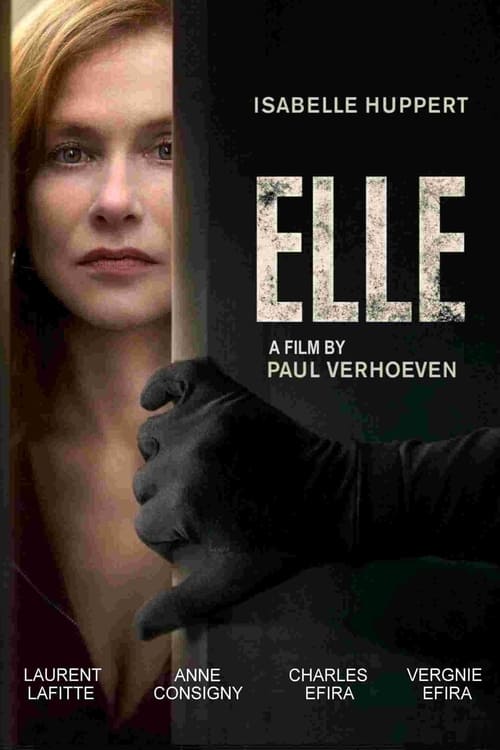
The opening shot of a cat watching its owner get assaulted is the ultimate Paul Verhoeven litmus test. If you can’t handle the cold, unblinking eye of that housecat as Michèle is attacked on her kitchen floor, you’re probably going to have a rough time with the next two hours. But if that moment strikes you as bizarrely, uncomfortably fascinating, then welcome to the club. I watched this film while wearing a pair of itchy wool socks I’ve since thrown away, and that constant, nagging physical discomfort weirdly served as the perfect companion to the movie’s prickly atmosphere.
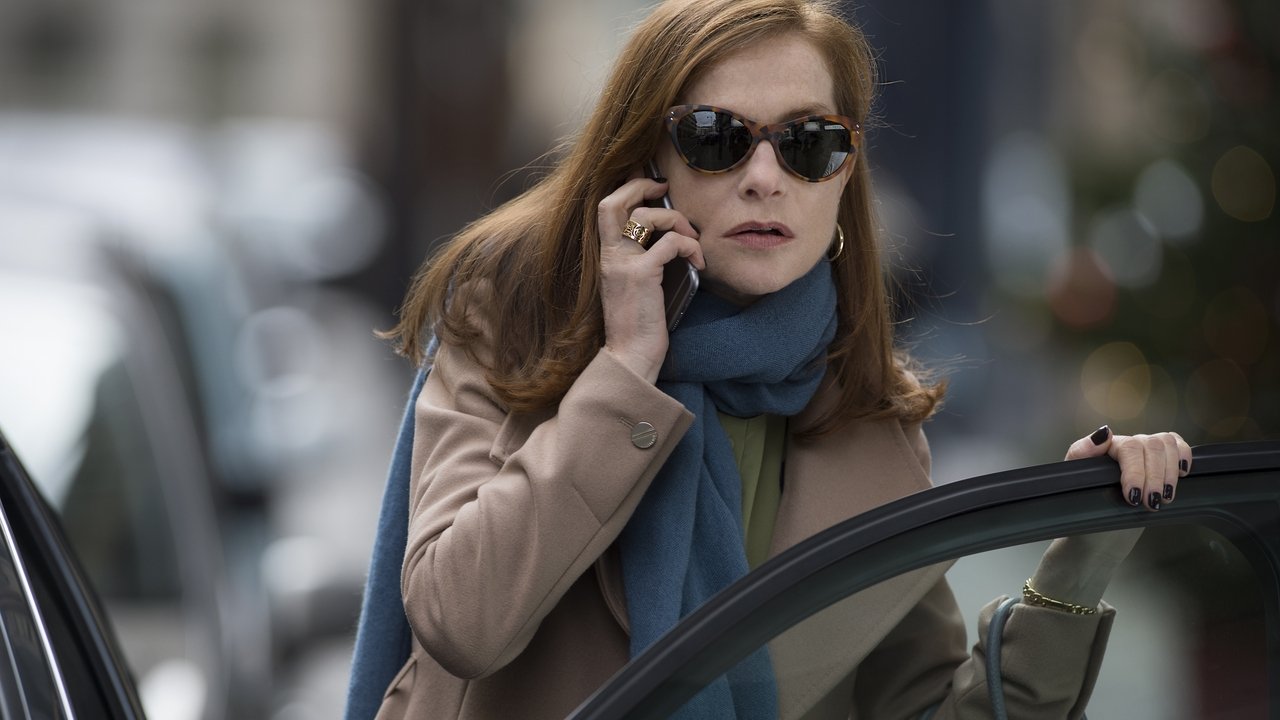
Elle arrived in 2016 like a hand grenade rolled into a dinner party. It was Verhoeven’s first feature in a decade, and it proved that the man who gave us RoboCop and Basic Instinct hadn't lost an ounce of his desire to poke the audience with a sharp stick. It’s a thriller, technically, but it’s also a pitch-black comedy of manners that refuses to follow the "rules" of how a victim is supposed to behave in a movie.
The Refusal to Be a Victim
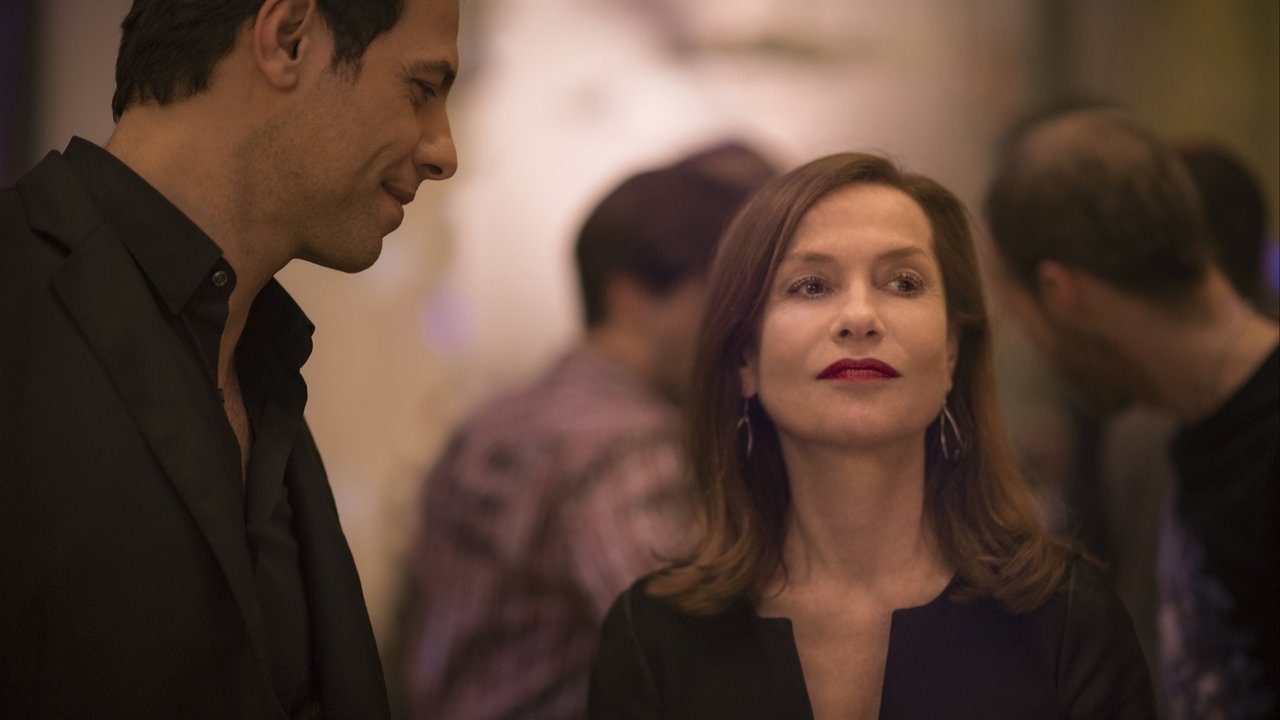
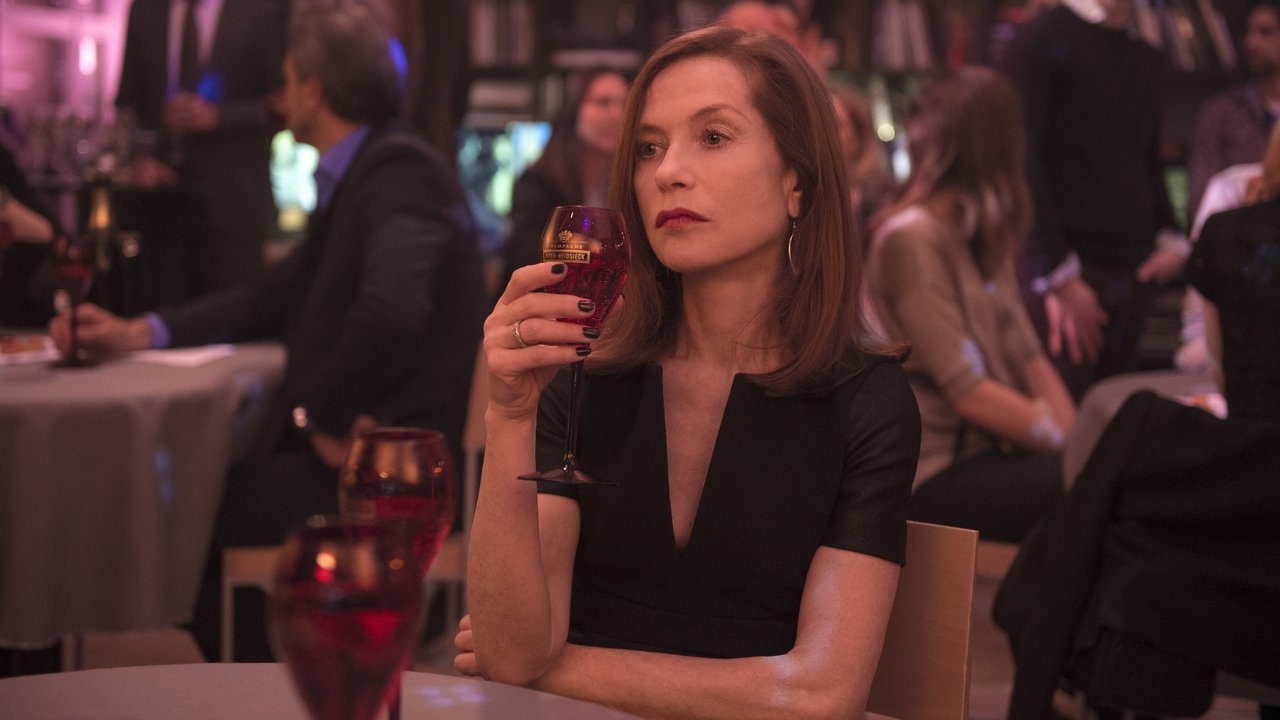
The setup is standard thriller fare: Michèle, a high-powered CEO of a video game company, is raped by a masked intruder. In a "normal" movie, the next ninety minutes would be a harrowing journey of recovery or a gritty revenge quest. But Michèle isn't interested in being your cinematic martyr. After the attacker leaves, she sweeps up the broken glass, orders sushi, and takes a bath. She doesn’t call the police. She doesn’t even seem particularly "shook" in the way we expect.
Isabelle Huppert gives a performance here that is essentially a high-wire act without a net. She is icy, formidable, and deeply unsentimental. As we learn about her past—specifically a childhood trauma involving her mass-murderer father—we realize that Michèle has spent her entire life building an emotional fortress. She treats her own trauma like a bug in a software update: something to be patched, managed, and moved past so the system can keep running.
What makes the film so contemporary, even nearly a decade later, is its refusal to provide easy catharsis. In an era where we often demand that stories about survival follow a specific, empowering arc, Elle is a jagged pill. It suggests that agency isn't always about "healing" in a way that makes observers feel comfortable; sometimes, agency is about taking control of a messed-up situation and playing a dangerous game on your own terms.
A World of Violent Games
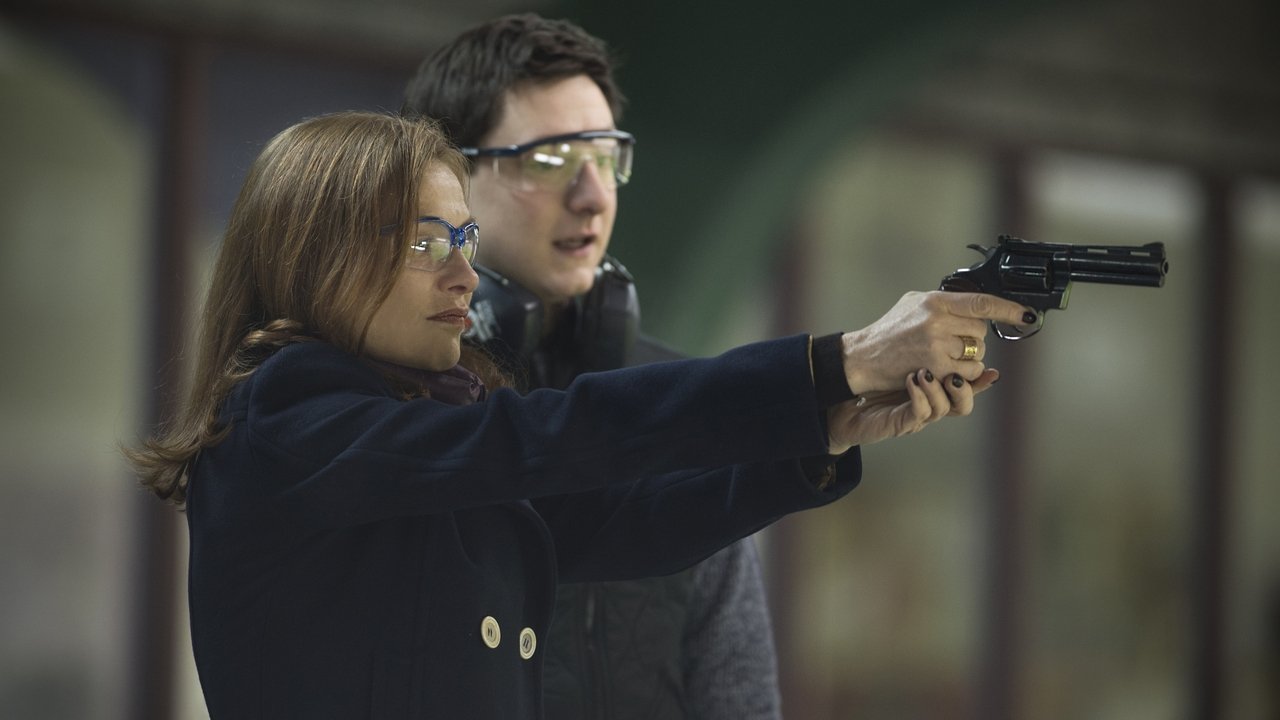
The movie’s subplot involving Michèle’s video game company isn't just window dressing. We see her critiquing the gore in a fantasy game, demanding more "visceral" (sorry, I mean messier) reactions from the digital characters. It’s a meta-commentary on our own consumption of violence, but it also mirrors the way Michèle views her life. To her, everyone is a player to be manipulated: her flaky son, her ex-husband, her best friend (played with wonderful warmth by Anne Consigny), and eventually, her stalker.
When the identity of the attacker is revealed, the movie shifts from a "who-done-it" to a "what-will-she-do." Her interactions with her neighbor, Laurent Lafitte, become a twisted dance of power. It’s deeply uncomfortable to watch. There were moments where I found myself laughing at the sheer audacity of the script by David Birke, only to immediately feel like I needed a soul-shower.
Paul Verhoeven has always been a provocateur, but here he’s working with a surgical precision. He’s not just trying to shock you; he’s trying to see how far you’ll follow a character who refuses to be likable. Michèle is the kind of person who would bring a flamethrower to a knife fight and then complain about the smoke. You don't necessarily "root" for her, but you cannot look away from her.
Why It Still Bites
The production of Elle is a story of its own. Verhoeven originally wanted to set the film in America, but he famously couldn't find a single A-list Hollywood actress willing to take the role. They all wanted the character to "seek revenge" or "overcome" in a more traditional, palatable way. By moving the production to France and casting Huppert, the film gained a layer of European sophisticated cynicism that makes the dark humor land much better than it probably would have in a gritty Ohio suburb.
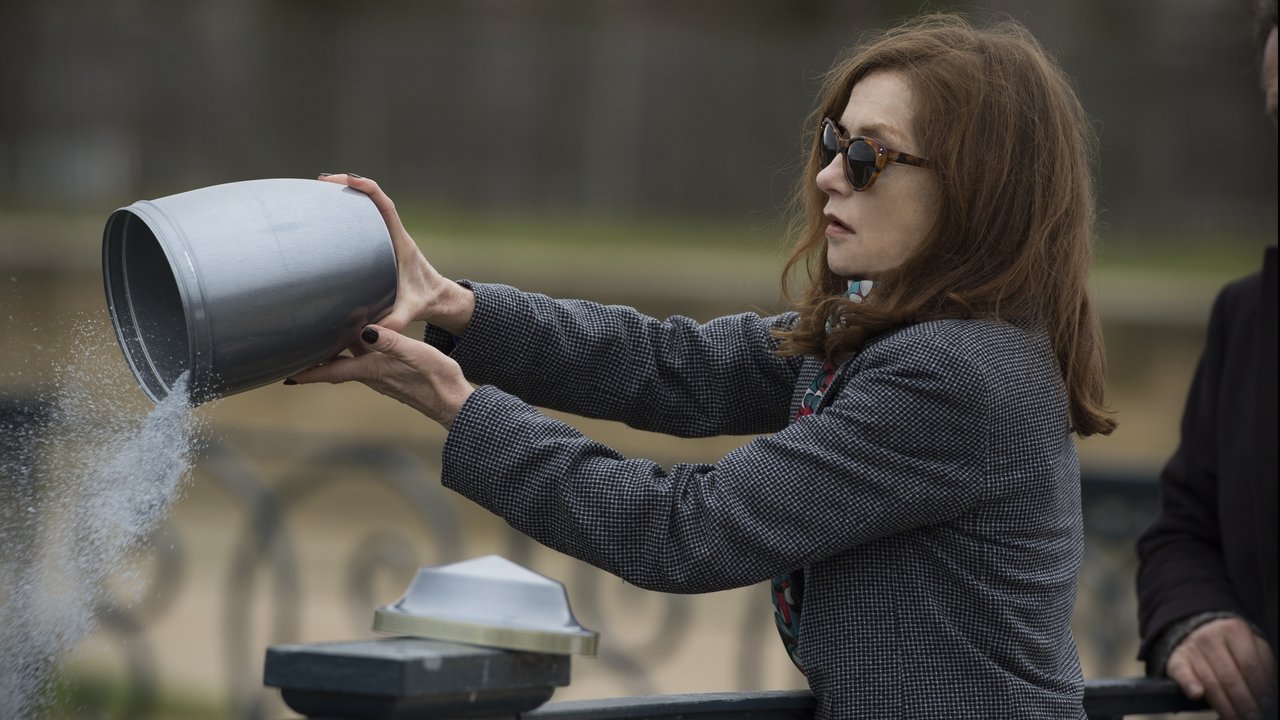
Watching this now, in the post-#MeToo landscape, Elle feels even more radical. It’s a film that trusts the audience to handle ambiguity. It doesn't tell you how to feel about Michèle’s choices, and it certainly doesn't apologize for them. The supporting cast, including Charles Berling as her ex and Virginie Efira as a devoutly religious neighbor, all orbit Michèle’s sun, caught in the gravity of a woman who simply refuses to be a secondary character in her own life.
If you’re looking for a comfortable evening of cinema, go watch a Pixar movie. But if you want a film that challenges your assumptions about power, desire, and survival—all while being weirdly, darkly funny—Elle is a masterpiece of modern provocation. It’s a reminder that sometimes the most dangerous thing a person can do is refuse to play the role society has written for them.
This is the kind of film that sticks to your ribs long after the credits roll. It’s a challenging, occasionally repulsive, but ultimately brilliant character study that rests entirely on Isabelle Huppert’s capable shoulders. It’s a high-water mark for contemporary thriller-dramas, proving that Paul Verhoeven still knows exactly how to make us squirm in our seats for all the right reasons. Just maybe don't watch it with your parents.
Keep Exploring...
-
Benedetta
2021
-

Black Book
2006
-
Blood Father
2016
-

Personal Shopper
2016
-
An Officer and a Spy
2019
-

Black Box
2021
-
Titane
2021
-
Eye in the Sky
2015
-

Pawn Sacrifice
2015
-
Suburra
2015
-

The Wave
2015
-

Brimstone
2016
-

Miss Sloane
2016
-
The Infiltrator
2016
-

Detroit
2017
-
The Discovery
2017
-
Thelma
2017
-
22 July
2018
-

Braven
2018
-

Burning
2018