Emerald Green
"Time travel is messy, but the outfits are impeccable."
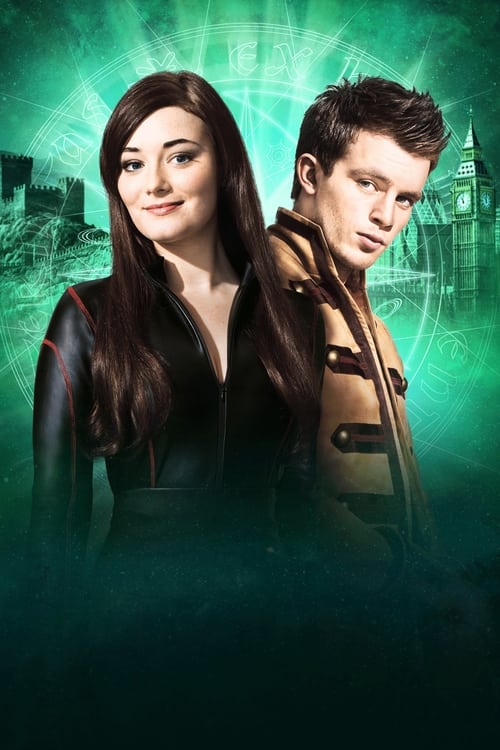
By 2016, the Young Adult fantasy bubble wasn't just leaking; it was a sodden mess on the floor of every multiplex. We’d survived the sparkly vampires and the bow-wielding revolutionaries, and the industry was pivot-stepping toward the "prestige" streaming era. In the middle of this fatigue, the German-produced Ruby Red trilogy quietly reached its finish line with Emerald Green. It’s a film that feels like a curious relic of a very specific moment: a high-budget European attempt to beat Hollywood at its own glossy, IP-driven game.
I watched this on a rainy Tuesday while nursing a lukewarm cup of peppermint tea that had a single, defiant cat hair floating in it, and honestly, the film’s cozy, high-stakes silliness was exactly the vibe I needed. It’s the cinematic equivalent of a velvet cape—a bit much for a trip to the grocery store, but undeniably fun to swish around in.
The Lodge, The Legend, and The Looming End
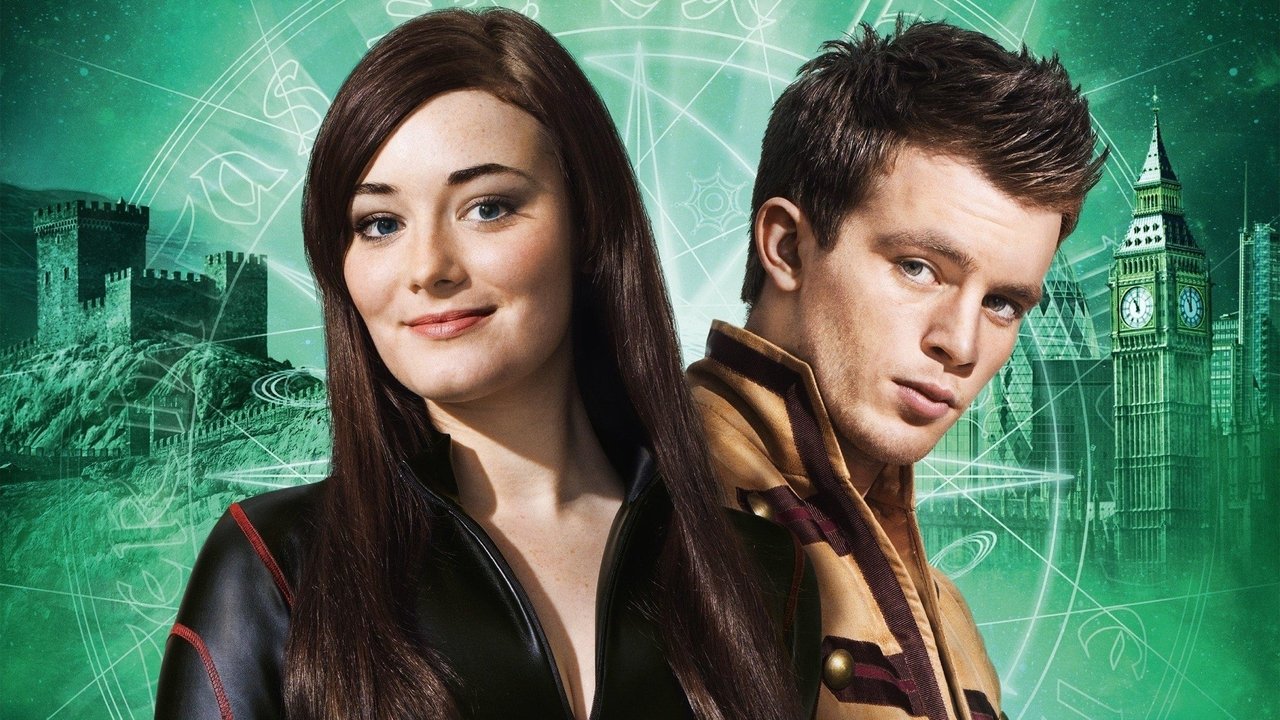
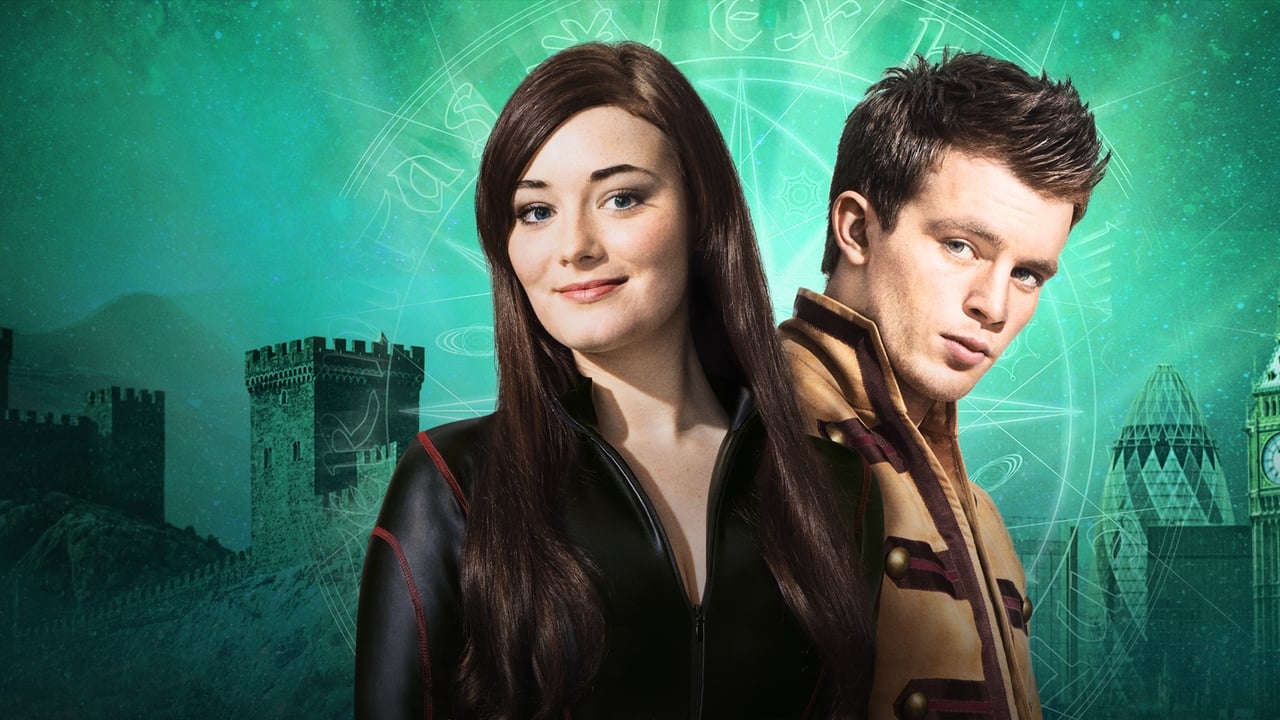
Picking up directly after the cliffhangers of Sapphire Blue, we find our protagonist Gwendolyn Shepherd (Maria Ehrich) in a bit of a state. Her heart is broken, her family secrets are leaking like a rusty faucet, and she’s still being hunted by a centuries-old secret society. Maria Ehrich anchors this whole thing with a grounded, relatable snark that keeps the "chosen one" tropes from becoming entirely insufferable. She’s not just a pawn; she’s a teenager who is rightfully annoyed that her destiny involves so much corset-wearing and so little sleep.
The plot involves the final pieces of the "Chronograph" puzzle and the ultimate plan of the Count of St. Germain. Peter Simonischek, whom many will recognize from the eccentric masterpiece Toni Erdmann (2016), plays the Count with a menacing, theatrical purr. He’s the kind of villain who clearly enjoys his own monologues, and in an era where villains are often bogged down by "relatable" backstories, it’s refreshing to see a guy who is just unapologetically obsessed with his own ego and a fancy grandfather clock.
Action in Silk and Steel
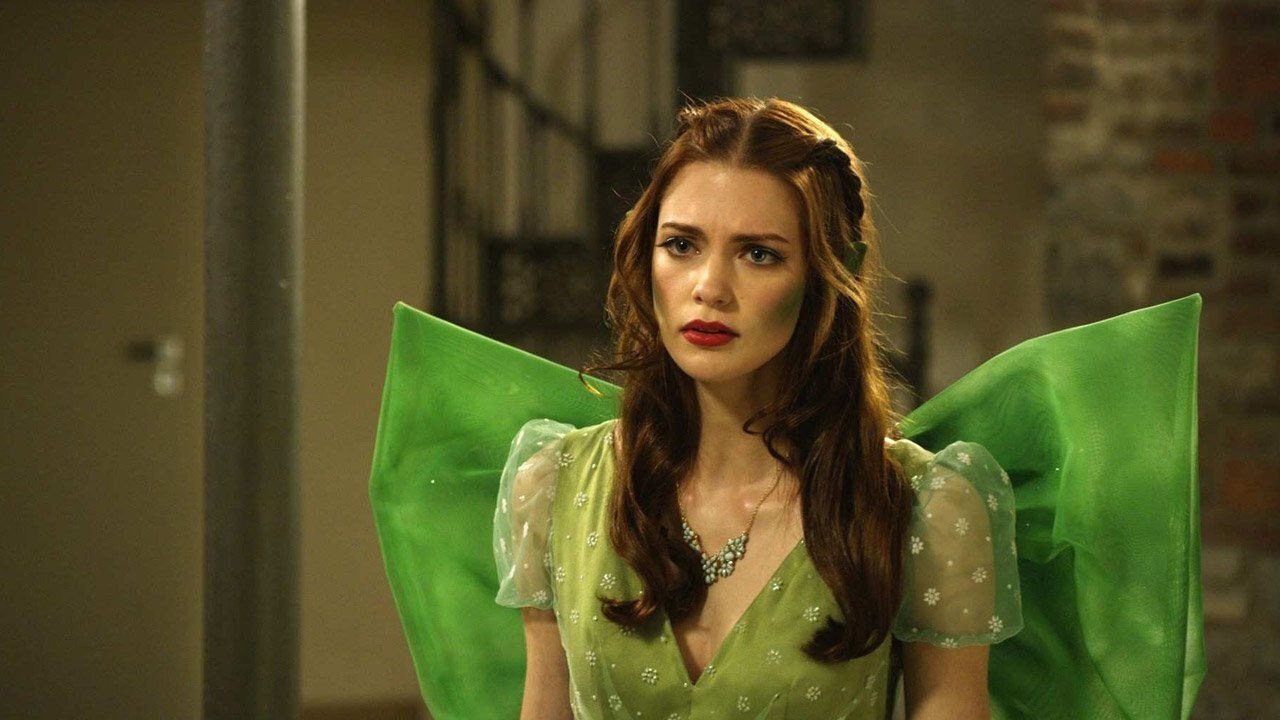
Where Emerald Green separates itself from its predecessors is the escalation of its action beats. Directors Katharina Schöde and Felix Fuchssteiner (who also tackled the previous installments) clearly had a bit more gas in the tank for this finale. We get sword fights in 18th-century ballrooms and a modern-day heist sequence that feels like Mission: Impossible if Ethan Hunt had to worry about prom.
The choreography is surprisingly tight. The stunt team deserves a nod for making the swordplay feel physical and weighted rather than just "stagey." There’s a specific rhythm to the fights—clashing steel against the backdrop of opulence—that emphasizes the film's central conflict: the collision of modern teenage rebellion with ancient, rigid tradition. While the CGI used for the "time travel leaps" still has that slightly shiny, mid-2010s digital sheen, the practical elements—the locations, the stunts, and the costume design—provide a necessary tactile anchor.
The film manages to balance these kinetic moments with the series' signature romance. Jannis Niewöhner, as the brooding Gideon de Villiers, has that "I’m hurting you for your own good" trope down to a science. His chemistry with Maria Ehrich is what kept this franchise afloat for three films, and here, it reaches its peak. It’s soapy, sure, but it’s played with such earnestness that you find yourself rooting for the time-crossed lovers despite the fact that the villains here have the tactical awareness of a bowl of overcooked spaetzle.
A German Genre Juggernaut
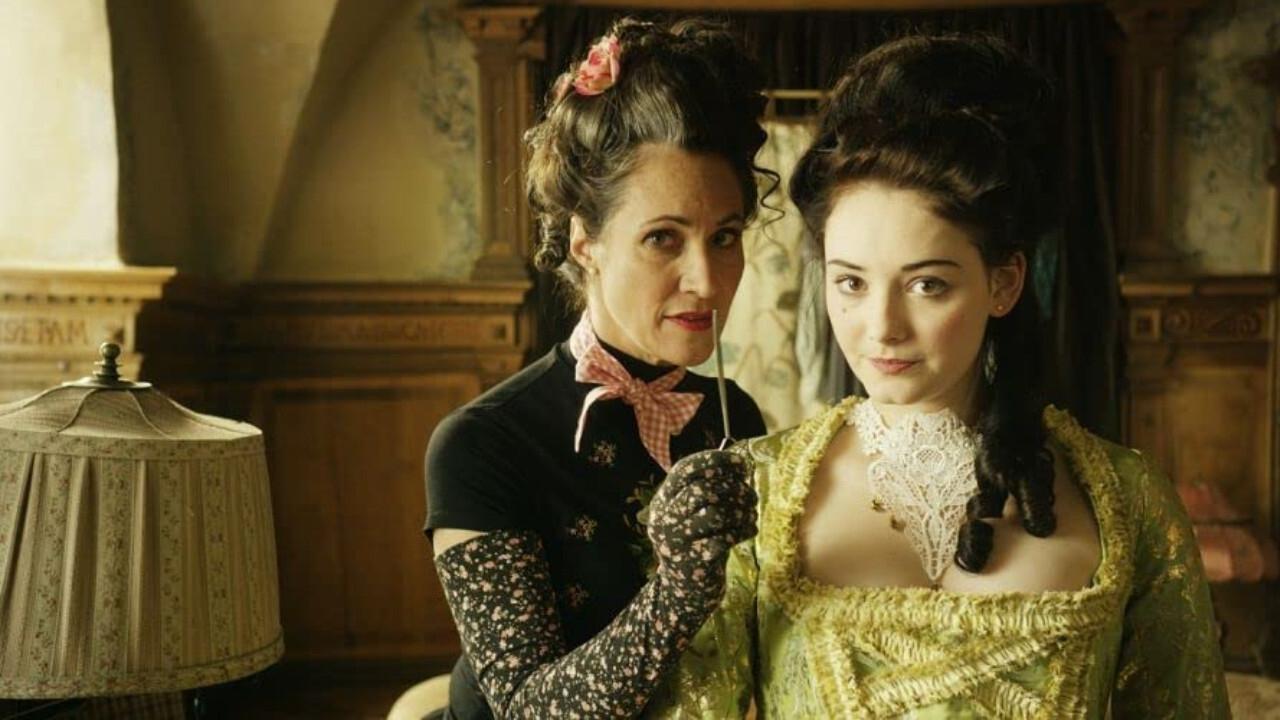
There’s a fascinating "behind-the-scenes" story here regarding how these films were made. While Hollywood was throwing hundreds of millions at franchises like Divergent, the Ruby Red trilogy was a massive undertaking for the German production companies Geißendörfer and Lieblingsfilm. They shot across Germany—using locations like the stunning Schloss Stolzenfels—to stand in for a mythical, secret-society version of London. It’s a testament to the production design that they managed to make Coburg and Aachen look like the foggy streets of Mayfair.
Interestingly, the film deviated significantly from the source material by Kerstin Gier. By the time they got to Emerald Green, the screenwriters decided to lean much harder into the "Action/Mystery" elements to give the trilogy a more cinematic punch. This caused a bit of a rift in the fandom at the time—social media was ablaze with readers wondering why certain plot points were jettisoned—but for a casual viewer, the changes make for a more propulsive viewing experience. It’s a rare example of a European franchise successfully mimicking the "blockbuster" structure while maintaining a distinct, slightly more whimsical European flavor.
The film serves as a solid bookend to a series that never quite got the global recognition of its American cousins. It’s bright, fast-paced, and understands exactly what it is: a fantasy romp with high production values and a heart on its sleeve. If you can look past some of the more convoluted time-travel logic—which, let’s be honest, is a prerequisite for the genre—there’s a lot to enjoy in the way it wraps up Gwen’s journey. It’s a reminder of that brief window in the mid-2010s when every studio, regardless of the language they spoke, was looking for the next great teenage myth. Emerald Green might not have conquered the world, but it stuck the landing for the fans who stayed for the whole ride.
Keep Exploring...
-
Sapphire Blue
2014
-

Ruby Red
2013
-
Batman vs. Robin
2015
-

Boruto: Naruto the Movie
2015
-
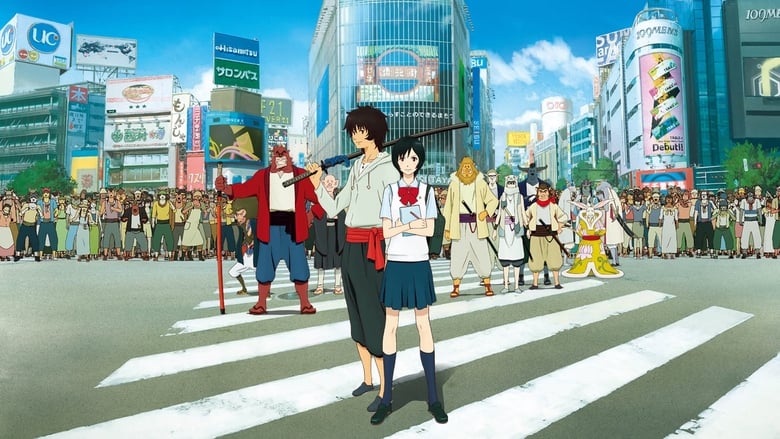
The Boy and the Beast
2015
-
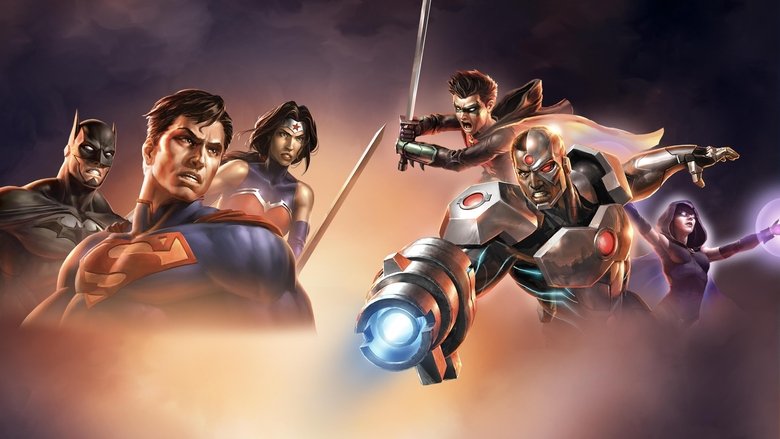
Justice League vs. Teen Titans
2016
-
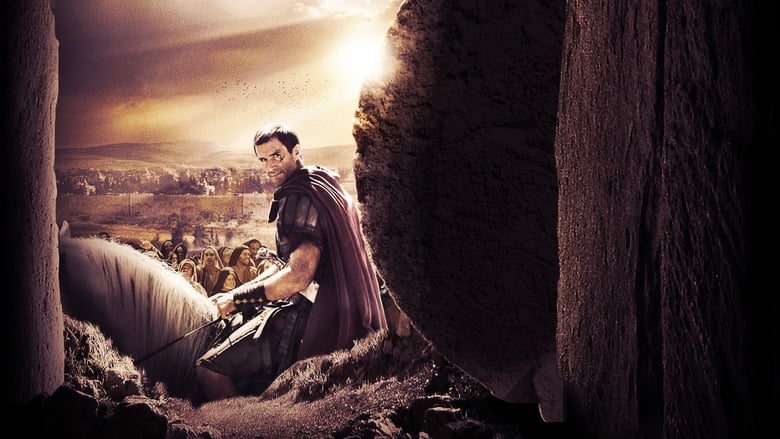
Risen
2016
-

Free Fire
2017
-
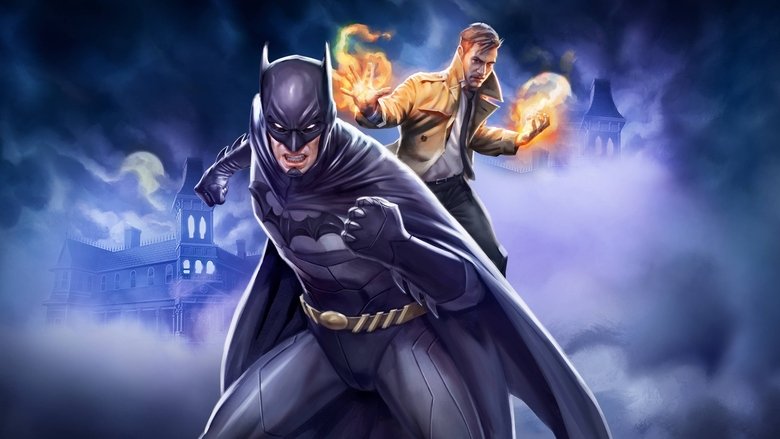
Justice League Dark
2017
-

Overdrive
2017
-
Mirage
2018
-

My Hero Academia: Two Heroes
2018
-
The Seven Deadly Sins: Prisoners of the Sky
2018
-
Batman: Hush
2019
-

Scooby-Doo! Return to Zombie Island
2019
-
Shaft
2019
-
Gretel & Hansel
2020
-
The Witcher: Nightmare of the Wolf
2021
-
One Piece Film Red
2022
-

The Sea Beast
2022