Fantastic Beasts and Where to Find Them
"A whimsical jazz-age safari that proves there is more to magic than wands."
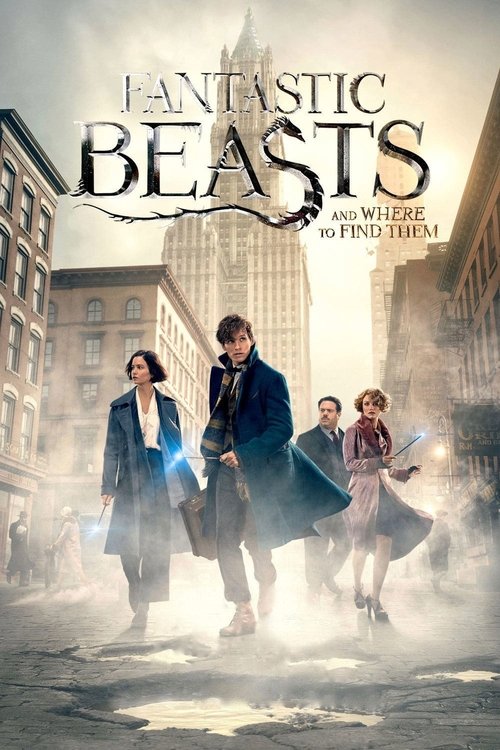
There is a specific, quiet thrill in watching a man walk through 1926 New York City customs with a suitcase that sounds like it’s housing a very disgruntled rhinoceros. When I first sat down to watch Fantastic Beasts and Where to Find Them, I was actually nursing a mild headache from a poorly timed double-espresso, and the theater seat next to me was occupied by a teenager who was inexplicably eating a bag of baby carrots. But as soon as the opening notes of the "Hedwig’s Theme" teased my ears before melting into James Newton Howard’s (who also scored The Hunger Games) lush, brassy jazz score, the carrots and the caffeine didn’t matter. I was back in the Wizarding World, but this time, the vibe was less "boarding school" and more "Gatsby-era creature feature."
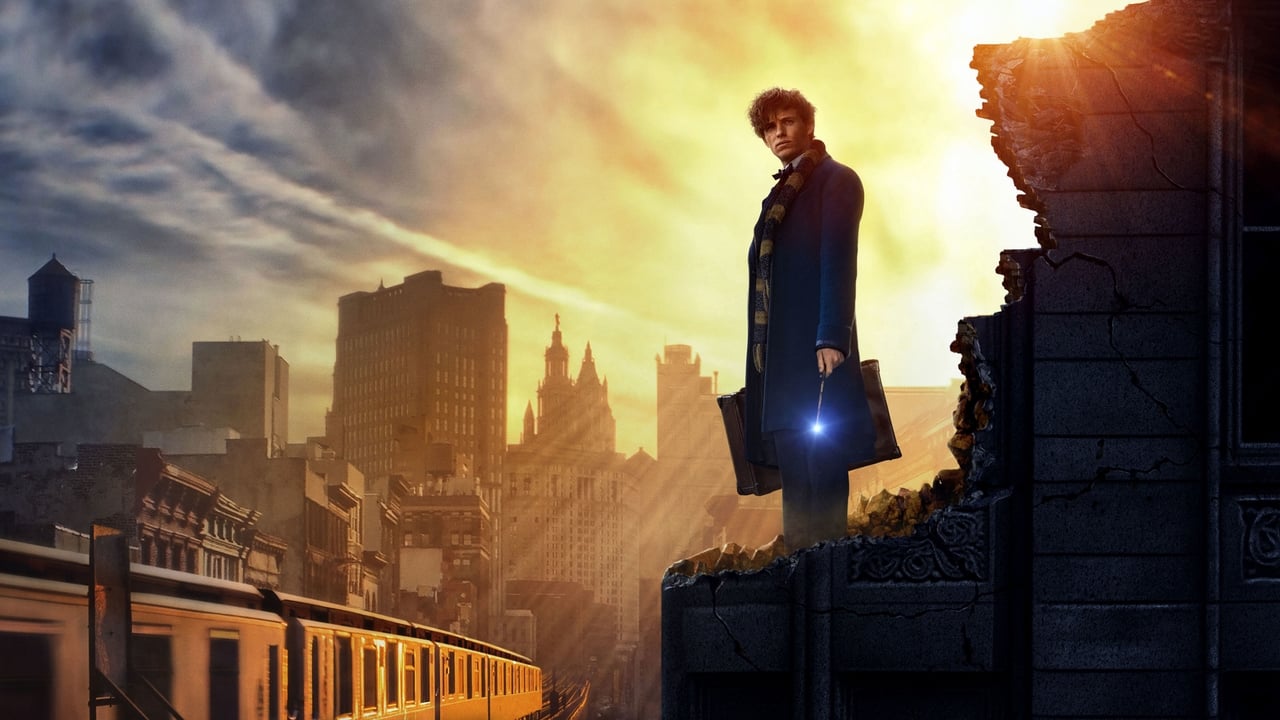
A Magical Suitcase in a Muggle Metropolis
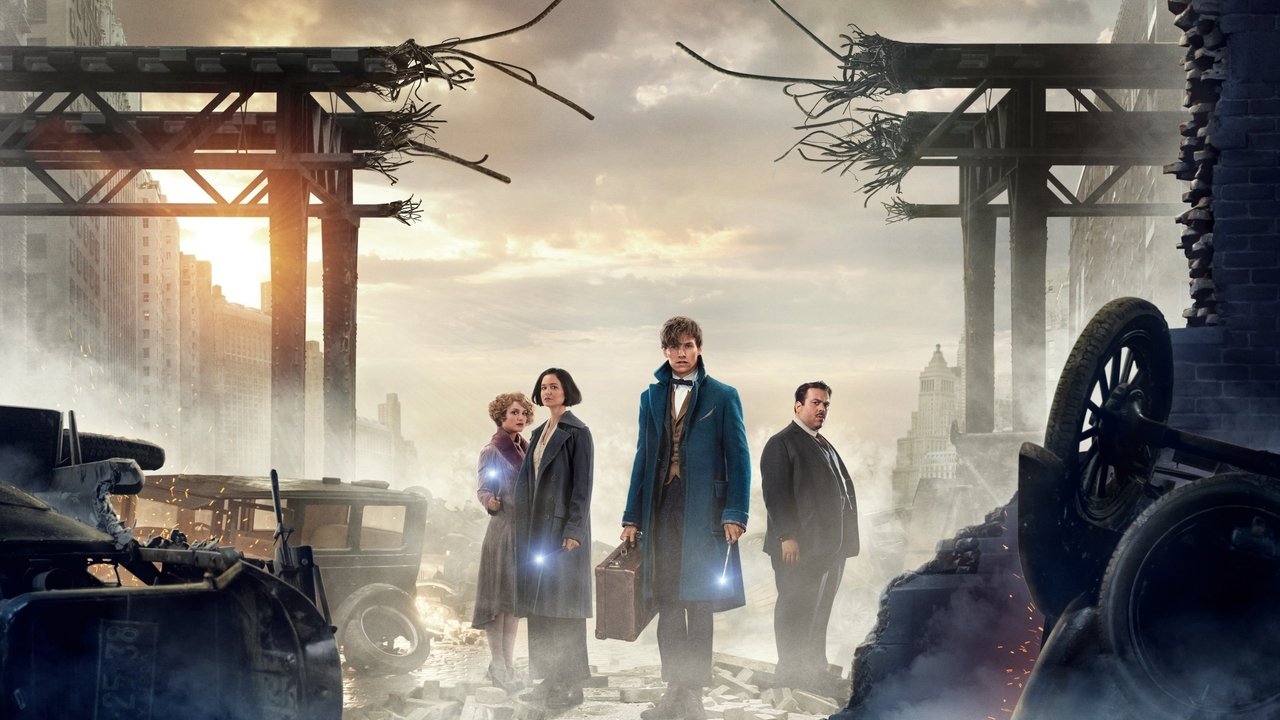
We live in an era where every successful IP is stretched until it’s translucent, so the skepticism surrounding a Harry Potter spin-off based on a 128-page charity textbook was high. However, David Yates—the director who essentially lived at Hogwarts for the final four Potter films—brought a refreshing sense of ground-level wonder to this expansion. Instead of the sweeping vistas of the Scottish Highlands, we get the grimy, soaring architecture of Jazz Age Manhattan.
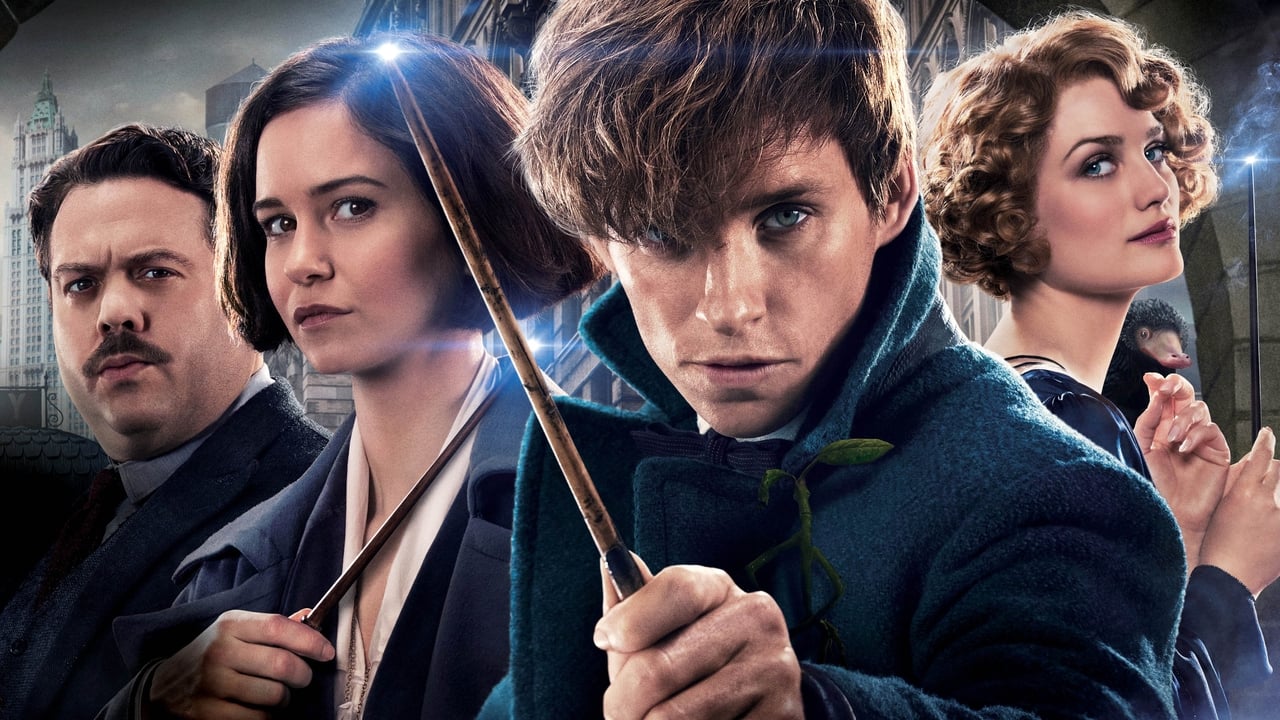
The star of the show isn't just Eddie Redmayne’s Newt Scamander; it’s the titular beasts. Redmayne, fresh off his Oscar for The Theory of Everything, plays Newt with a charming, sideways-glance awkwardness. He treats his magical creatures with more tenderness than most modern blockbusters treat their human love interests. The Niffler—a platypus-like kleptomaniac with a bottomless pouch—is a stroke of comedic genius that immediately became a merchandising juggernaut. Watching Newt try to navigate a high-end jewelry store while his pet tries to steal the literal chandelier is the kind of physical comedy we don't get enough of in high-budget fantasy.
The Heart of the No-Maj
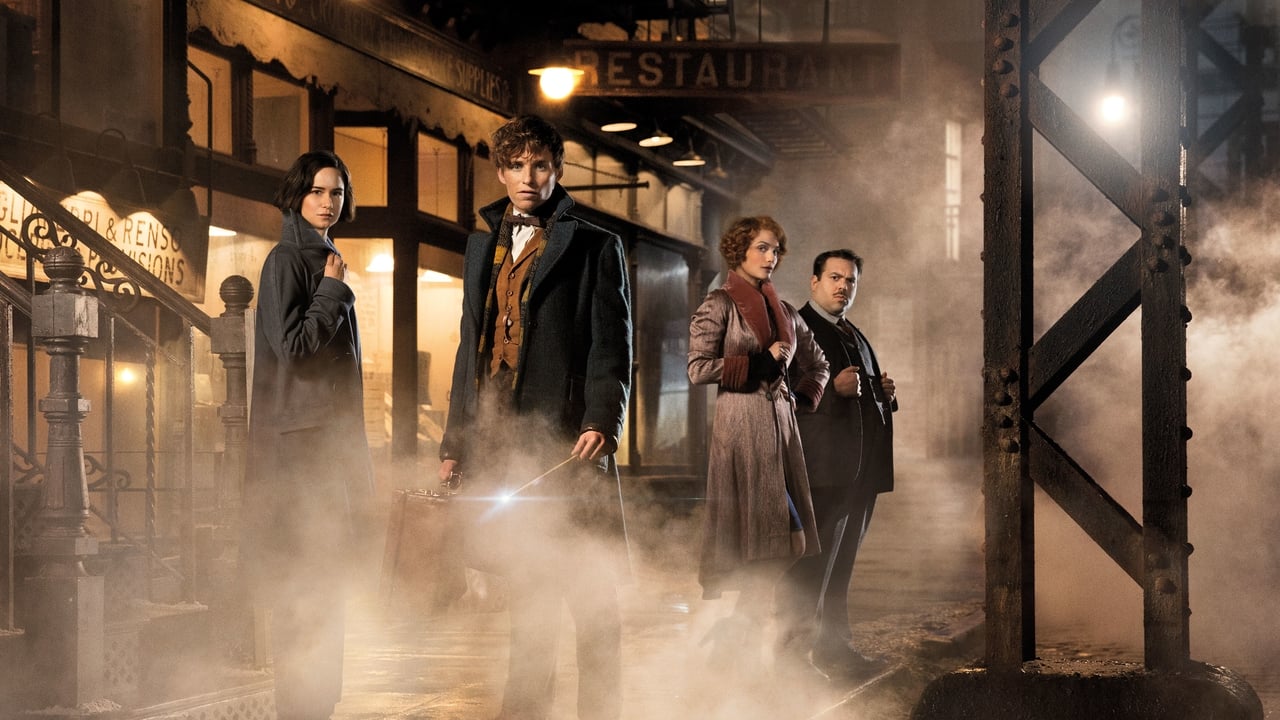
While the "fantastic beasts" provide the spectacle, the emotional anchor is surprisingly human. Dan Fogler as Jacob Kowalski is a revelation. In a franchise landscape dominated by "Chosen Ones" and superheroes, Jacob is just a guy who wants to open a bakery and accidentally walks into a magical war. His chemistry with Alison Sudol’s Queenie Goldstein is the most genuine romance the Wizarding World has ever produced. Queenie, a "Legilimens" (mind-reader), finds Jacob’s thoughts "refreshing" because he says exactly what he feels. It’s sweet, it’s heartbreaking, and it provides a much-needed counterweight to the darker, more bureaucratic elements of the American wizarding government, MACUSA.
The film does occasionally struggle under the weight of its own franchise ambitions. You can feel the tension between the "creature-collecting adventure" and the "rise of the dark wizard Grindelwald" subplot. Colin Farrell is menacing and slick as Percival Graves, but the film’s climax feels a bit like it’s checking boxes for future sequels rather than focusing on the story at hand. It’s that classic 2010s "Cinematic Universe" problem: trying to be a standalone movie and a five-film trailer at the same time.
The Scale of the Spectacle
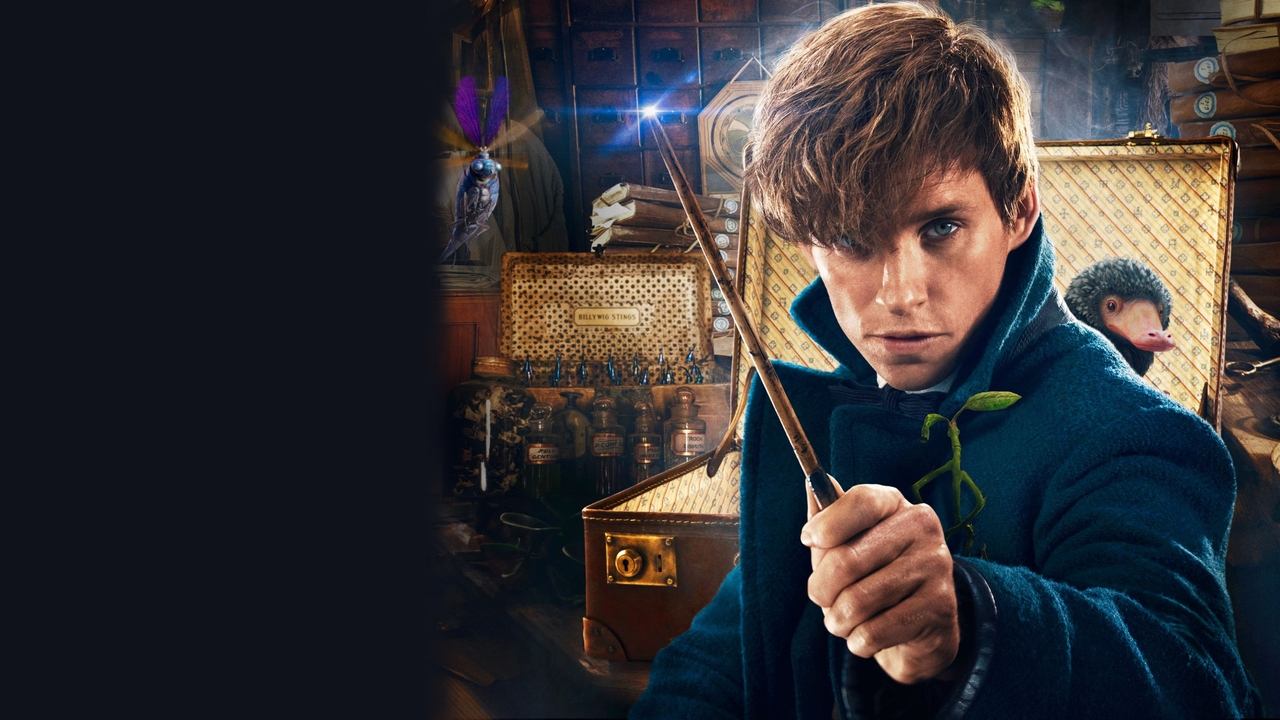
Visually, the film is a feast. Cinematographer Philippe Rousselot (who lensed Sherlock Holmes) gives New York a sepia-toned, magical glow that feels lived-in rather than sterile. The production design by Stuart Craig—the man responsible for the look of all eight original Potter movies—is staggering. The MACUSA headquarters, hidden inside the Woolworth Building, is a cathedral of bureaucracy that feels both intimidating and awe-inspiring.
Interestingly, this was J.K. Rowling's first official screenplay. You can tell she’s a novelist by the way the world feels over-stuffed with detail. Apparently, the production had to build a massive portion of 1920s New York on a backlot at Leavesden Studios because filming in the actual city was logistically impossible. They spent a massive chunk of the $180 million budget just making sure the cobblestones looked "magical" enough. It paid off—the film went on to gross over $800 million, proving that the appetite for this world wasn't just tied to Harry himself. It turns out people didn't just want the boy who lived; they wanted the world he lived in.
Fantastic Beasts and Where to Find Them succeeds because it dares to be a little bit weird. While the later sequels would eventually lose their way in a thicket of complicated lore, this first entry captures a specific sense of discovery. It’s a film about a man who loves things that others find dangerous, and in a world of increasingly polished, predictable blockbusters, that’s a journey worth taking. Even if you have to sit next to someone eating baby carrots.
Keep Exploring...
-

Fantastic Beasts: The Crimes of Grindelwald
2018
-

Fantastic Beasts: The Secrets of Dumbledore
2022
-
Harry Potter and the Deathly Hallows: Part 2
2011
-
Harry Potter and the Order of the Phoenix
2007
-
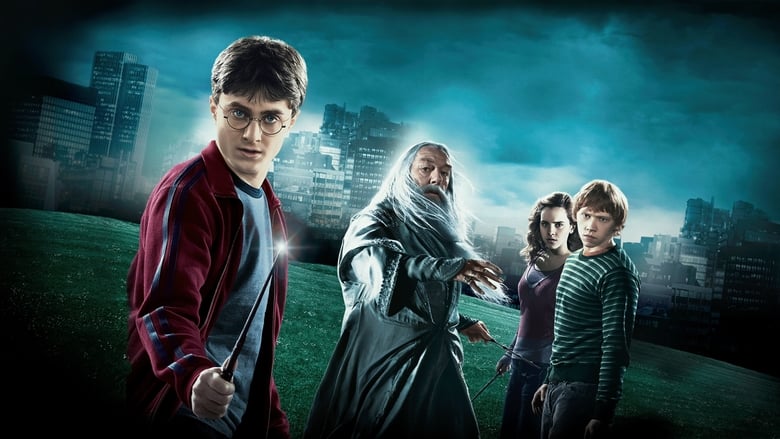
Harry Potter and the Half-Blood Prince
2009
-
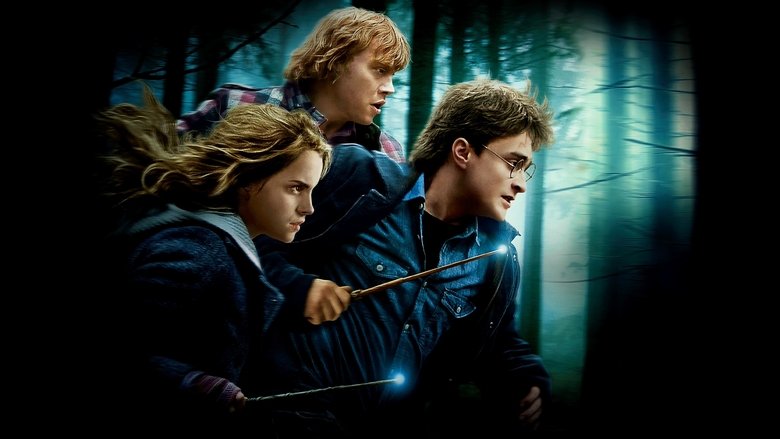
Harry Potter and the Deathly Hallows: Part 1
2010
-

The Legend of Tarzan
2016
-
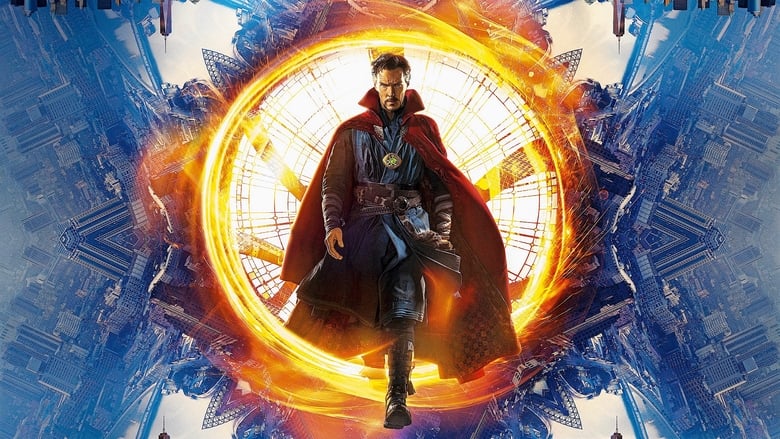
Doctor Strange
2016
-
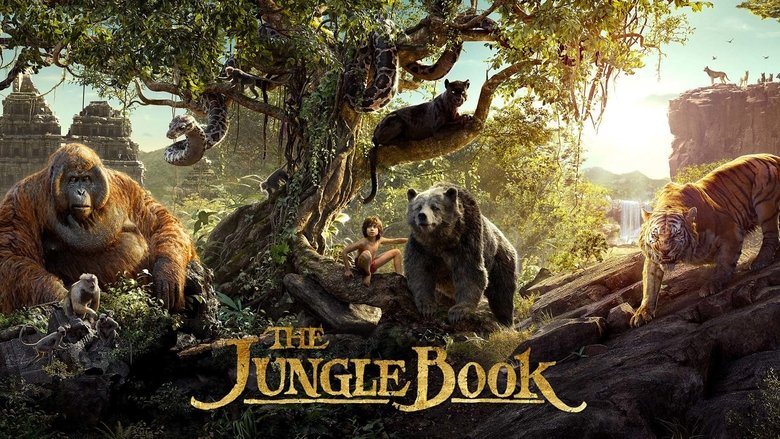
The Jungle Book
2016
-
X-Men: Apocalypse
2016
-
Jumanji: Welcome to the Jungle
2017
-

Kong: Skull Island
2017
-
Pirates of the Caribbean: Dead Men Tell No Tales
2017
-

Wonder Woman
2017
-
Aquaman
2018
-
Aladdin
2019
-
Frozen II
2019
-
Jumanji: The Next Level
2019
-
The Croods: A New Age
2020
-

A Dog's Purpose
2017