Finding Dory
"Just keep swimming, but bring a map."
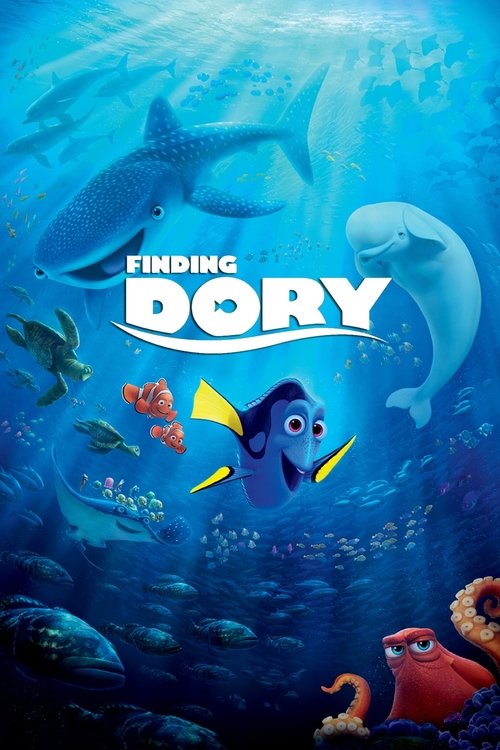
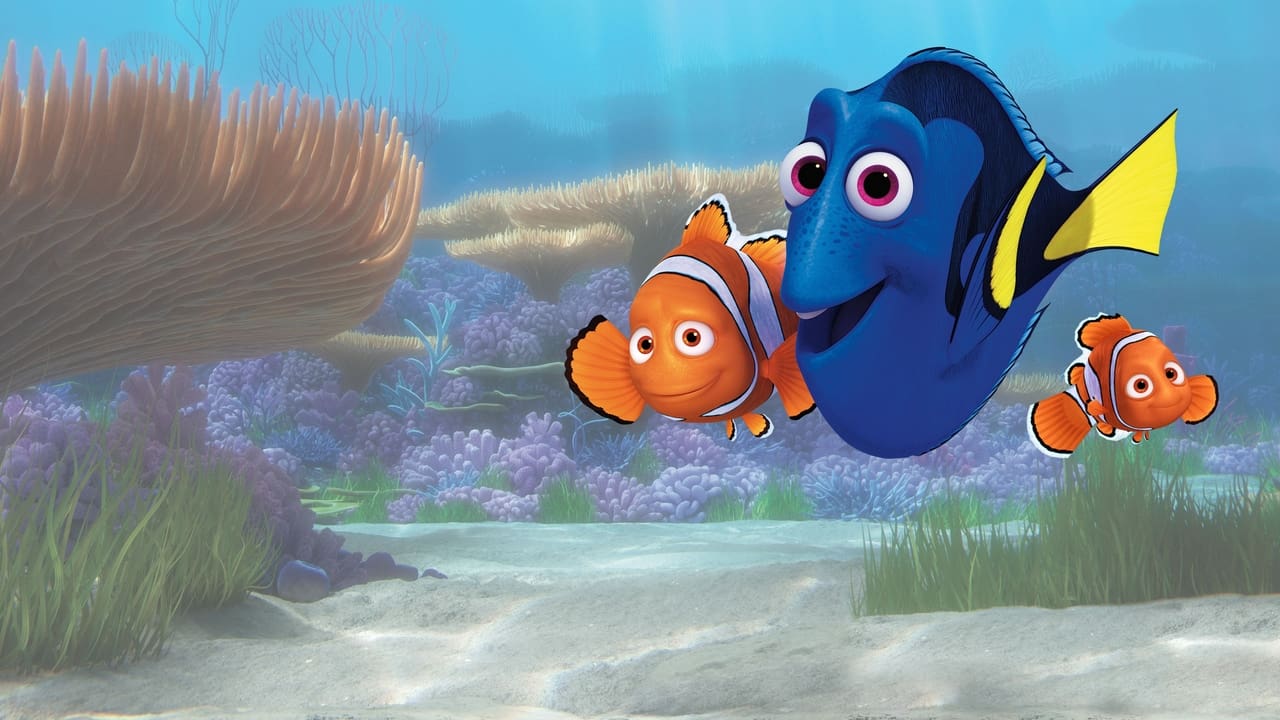
By the time 2016 rolled around, Pixar was waist-deep in its "Legacy Sequel" era, and the collective groan from cinema snobs was loud enough to be heard across the Pacific. We’d already endured the Cars expansions and were bracing for more Toy Story, so when a follow-up to the 2003 masterpiece Finding Nemo was announced, the skepticism was as thick as whale blubber. Could a sidekick who exists solely to forget things actually carry ninety minutes of narrative weight? It turns out that Andrew Stanton (the man behind Wall-E) knew exactly what he was doing: he wasn't just chasing box office receipts; he was digging into the tragedy of a character we’d previously only used as a punchline.
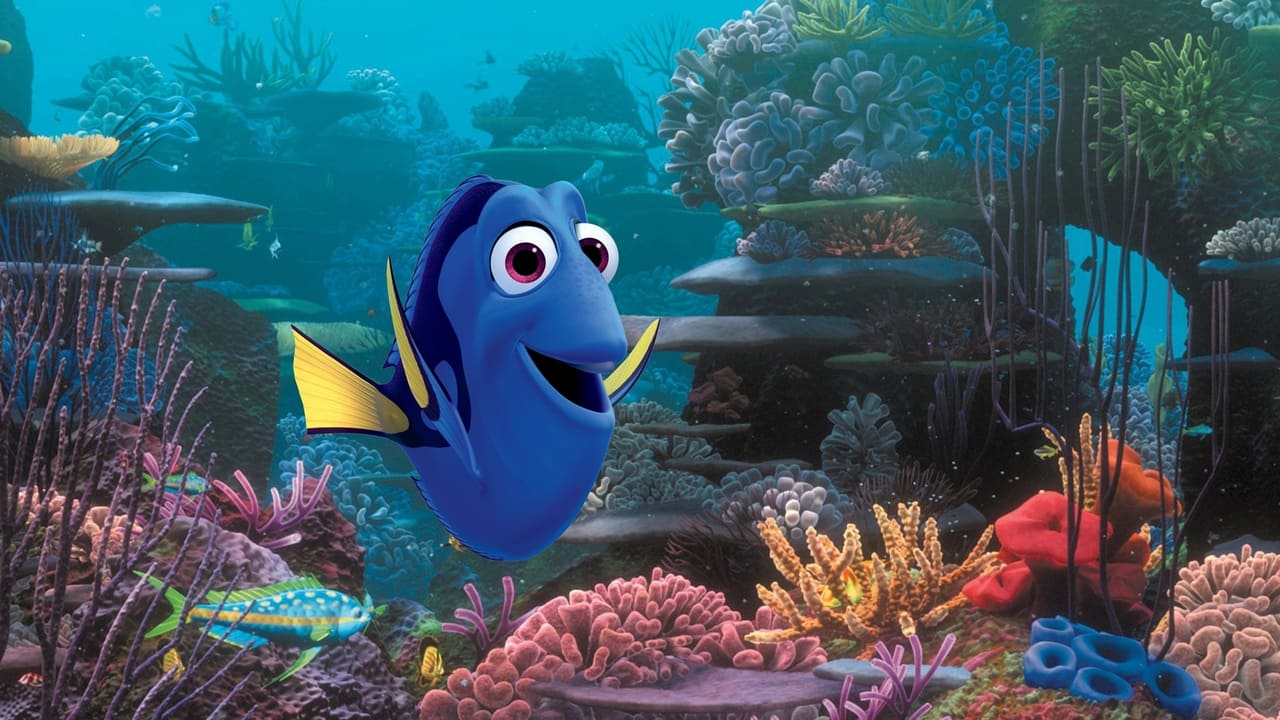
I watched this film while wearing a pair of mismatched socks—one with a hole in the big toe—and honestly, that sense of being slightly "off" felt like the perfect headspace for a movie about neurodivergence and the struggle to find home when your brain won't keep the lights on.
The Septopus and the Struggle
While Finding Nemo was a sprawling odyssey across the Great Barrier Reef, Finding Dory is a much more contained, almost "heist-like" adventure set primarily within the confines of the Marine Life Institute. It’s a clever shift. By moving the action from the open ocean to a series of pipes, tanks, and touch pools, the film creates a sense of frantic claustrophobia that mirrors Dory’s internal state.
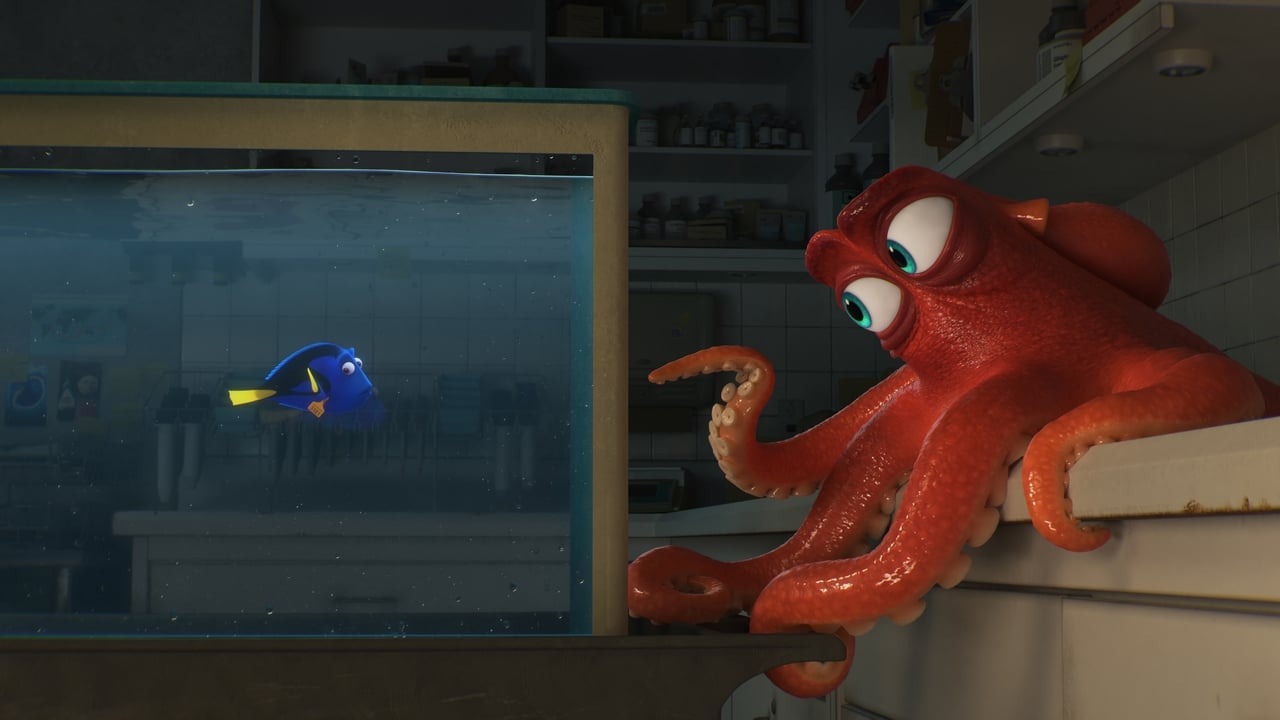
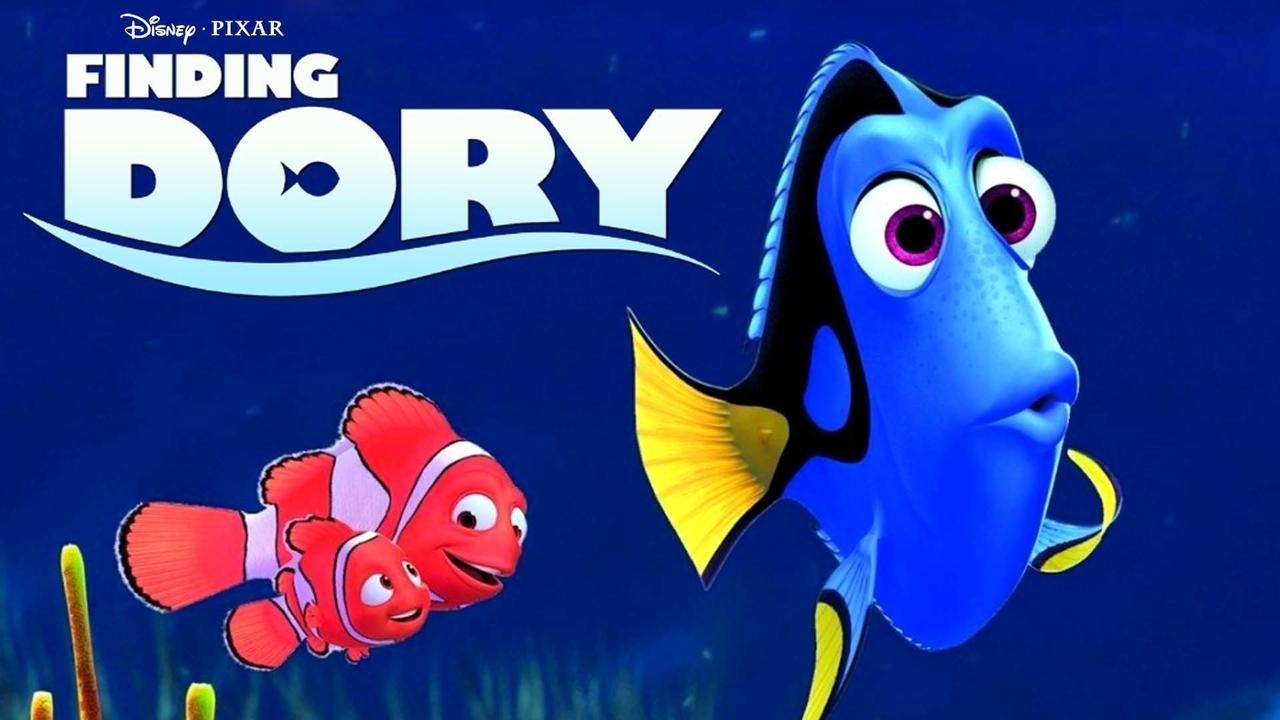
The breakout star here isn't the titular blue tang, but rather Hank, a "septopus" voiced with delightful, gravelly cynicism by Ed O'Neill (Modern Family). Hank is a masterclass in modern animation—a boneless, camouflaging curmudgeon who represents the technical peak of 2016 CGI. The animators spent two years just figuring out how Hank’s skin should wrinkle and fold, and every second of that labor is visible on screen. He’s the perfect foil for Ellen DeGeneres, whose performance as Dory shifts from manic comedy to genuine, heart-wrenching vulnerability. When she’s alone in the open water, whispering "just keep swimming" to herself in a moment of pure panic, it’s the most devastating thing Pixar has ever put on screen.
A Billion-Dollar Cultural Anchor
In the current era of franchise dominance, we often measure a film's success by its "event" status. Finding Dory didn't just swim; it soared, becoming only the second Pixar film to cross the billion-dollar mark. But its significance goes beyond the ledger. Released during a time when representation was becoming a central pillar of film discourse, Finding Dory offered a surprisingly nuanced look at disability. Dory’s short-term memory loss isn't "cured" by the end of the film; instead, she and her family—both biological and found—learn to adapt to it.
The production was a behemoth. To give you an idea of the scale, the "Marine Life Institute" was inspired by the Monterey Bay Aquarium, and the team actually redesigned the ending of the film after seeing the documentary Blackfish, ensuring the film’s message aligned with contemporary views on animal captivity. It’s also worth noting that Diane Keaton and Eugene Levy bring a wonderful, jittery warmth to Dory’s parents, Jenny and Charlie. Their presence adds a layer of "parental anxiety" that hits different for those of us who grew up with the original film and are now navigating the world with our own "Nemos" in tow.
Stuff You Might Have Missed
The trivia surrounding this film is almost as dense as its character count. For starters, the character of Hank was so difficult to animate that the team joked he was "the most expensive character in Pixar history." If you look closely at the background of the institute, you’ll see the "Pizza Planet" truck reimagined as a piece of underwater wreckage—a staple for the eagle-eyed fans.
Then there’s the Sigourney Weaver of it all. Having the legendary Sigourney Weaver (Alien) play "herself" as the voice of the institute’s intercom is a brilliant bit of meta-humor that shouldn't work, yet it becomes a recurring gag that anchors the film’s slightly surreal tone. It’s that specific brand of "Contemporary Pixar" humor—aware of its own artifice but still deeply invested in the emotional stakes.
The film also marks a significant bridge in voice acting history; Hayden Rolence took over the role of Nemo from Alexander Gould (who was 22 by the time the sequel rolled around). Gould still makes a cameo, though, voicing a truck driver named Carl. It’s these little hand-offs that make the Finding Nemo collection feel like a lived-in universe rather than just a pair of movies.
Ultimately, Finding Dory succeeds because it refuses to be a carbon copy of its predecessor. It trades the "epic journey" vibe for a more psychological, character-driven adventure that explores what it means to be "impaired" in a world that demands perfection. While the third-act climax—involving a truck on a highway—is absolutely unhinged and stretches the laws of physics into a different dimension, the emotional core remains unshakable. It’s a film that manages to be both a technical marvel and a deeply personal story about a fish who just wants to remember where she came from. If you haven't revisited this one since the theatrical hype died down, it’s time to dive back in; the water is much deeper than you remember.
Keep Exploring...
-

Finding Nemo
2003
-
Toy Story 4
2019
-
Zootopia
2016
-
Minions
2015
-
The SpongeBob Movie: Sponge Out of Water
2015
-
Kung Fu Panda 3
2016
-
Moana
2016
-
The Angry Birds Movie
2016
-
The Secret Life of Pets
2016
-
Despicable Me 3
2017
-
Smurfs: The Lost Village
2017
-
Ralph Breaks the Internet
2018
-
Frozen II
2019
-
The Secret Life of Pets 2
2019
-
The Croods: A New Age
2020
-
Zootopia 2
2025
-
PAW Patrol: The Movie
2021
-
Storks
2016
-

Minions: The Rise of Gru
2022
-
The Bad Guys
2022