Florence Foster Jenkins
"A voice only a husband could love."
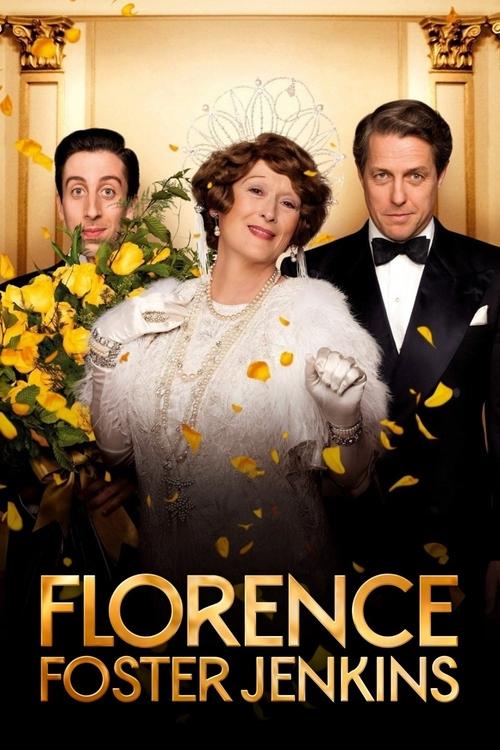
I once tried to sing "Bohemian Rhapsody" at a karaoke bar after two very strong margaritas, and the silence that followed my high note was so thick you could have sliced it and served it with tea. I thought I was Freddie Mercury; the recording on my friend's phone suggested I was a Dyson vacuum cleaner struggling with a rug fringe. That specific, delusional high is exactly what Stephen Frears captures in Florence Foster Jenkins. It’s a film about the sheer, unadulterated joy of doing something poorly but with maximum heart.

I watched this movie on a Tuesday afternoon while nursing a mild case of hay fever, eating a bag of slightly stale pretzel sticks that were far too salty. Somehow, that parched, scratchy feeling in my throat made me sympathize with Florence even more. In the landscape of 2016 cinema—a year dominated by the superhero civil wars of Captain America and the neon-soaked existentialism of La La Land—this mid-budget biographical dramedy felt like a quaint outlier. It’s the kind of "adult" movie that streaming services have mostly swallowed up now, but seeing it through a contemporary lens, it feels like a necessary rebellion against our current era of polished, Auto-Tuned perfection.
The Art of the Sincere Shambles
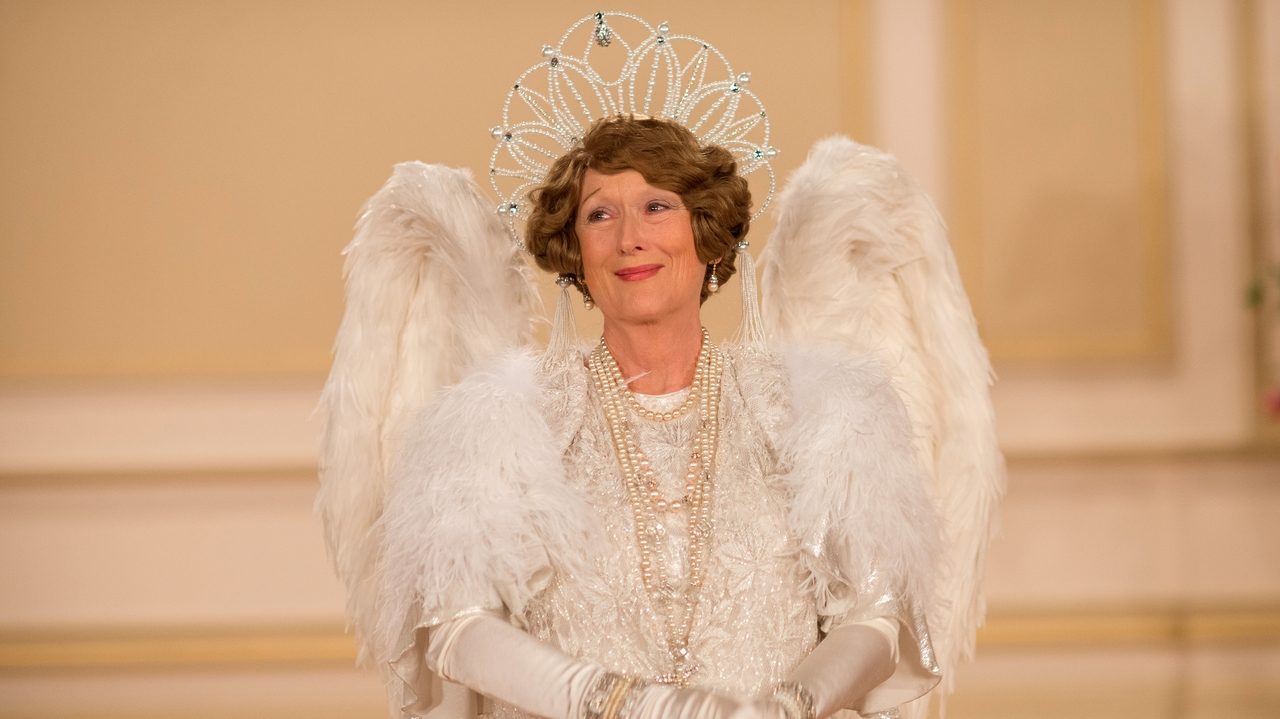
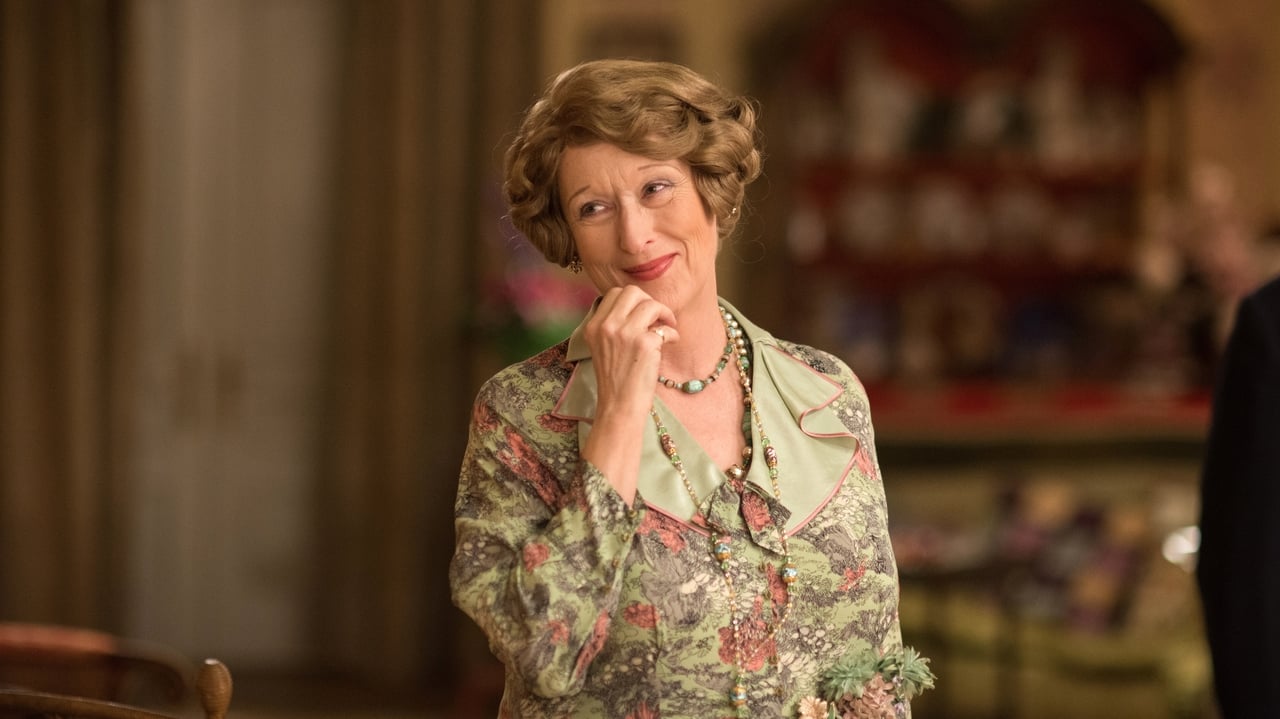
The film rests entirely on the shoulders of Meryl Streep, who plays the titular New York socialite with a performance that is basically a high-wire act. It would have been so easy to make Florence a caricature—a rich, deluded buffoon. Instead, Streep (who worked with Stephen Frears to find the exact "wrong" notes) plays her with a fragile, bird-like dignity. When she opens her mouth to sing Mozart, and it sounds like a bag of cats being dropped down a spiral staircase, you don’t want to laugh at her. You want to protect her.
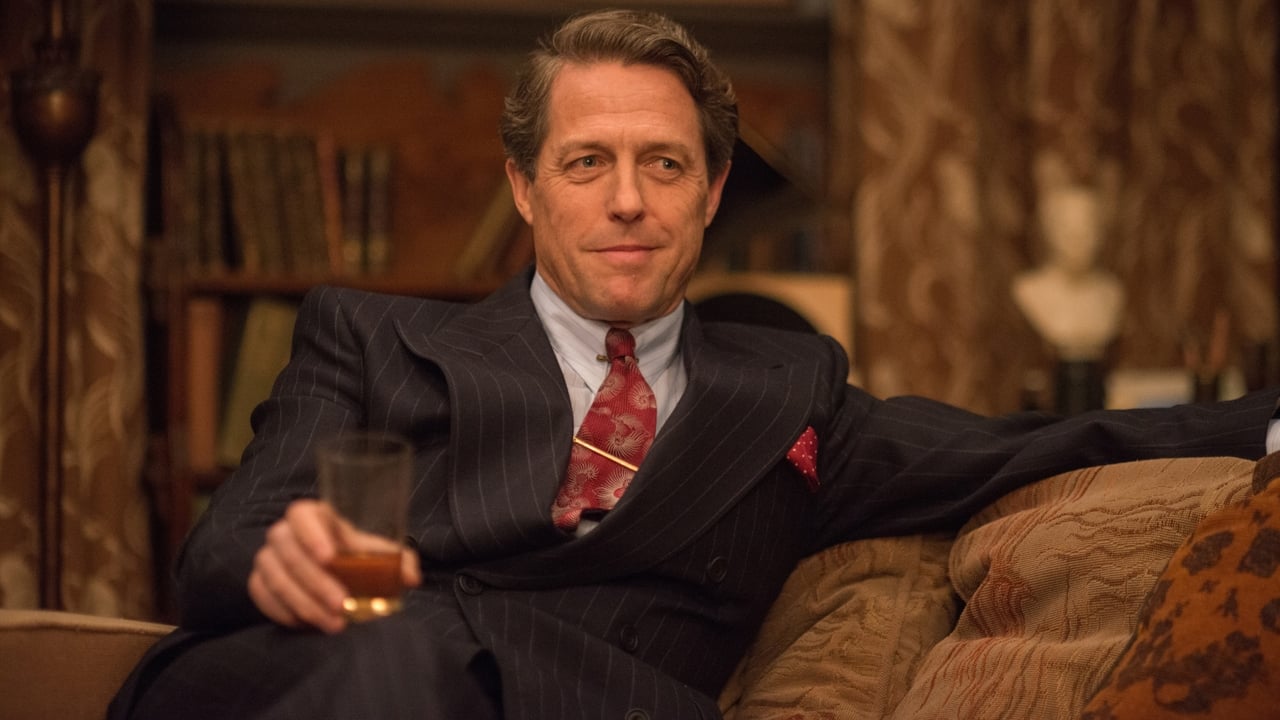
But the real revelation here is Hugh Grant as St. Clair Bayfield. This was the peak of the "Grant-aissance," where he finally shed the bumbling rom-com lead skin to reveal a deeply soulful character actor. St. Clair is Florence’s husband and manager, a man who spends his entire life bribing critics and hand-picking audiences to ensure his wife never hears a discouraging word. Hugh Grant manages to make a man who is technically a mooching philanderer seem like the greatest romantic hero of the 21st century. His devotion to her "art" is a lie, yes, but it’s a lie told with such profound kindness that it becomes a version of the truth.
The Face That Launched a Thousand Cringes
If Streep is the heart and Grant is the shield, Simon Helberg (best known for The Big Bang Theory) is the audience’s surrogate. As Cosmé McMoon, the pianist hired to accompany Florence, Helberg delivers a masterclass in non-verbal comedy. His facial expressions during their first rehearsal—a sequence of pure, escalating terror—are worth the price of admission alone. Helberg actually played the piano in the film, and his chemistry with Streep provides the movie’s most authentic moments.
Then there’s the supporting cast that adds the necessary "New York high society" texture. Nina Arianda is a hoot as Agnes Stark, a brassy trophy wife who starts as a scoffer but ends up as Florence’s fiercest defender. Rebecca Ferguson (usually seen kicking butt in the Mission: Impossible franchise) plays Kathleen, St. Clair’s "other" woman, with a nuanced understanding of the strange arrangement these characters have entered into. The film avoids the typical "evil mistress" tropes, opting instead for a messy, adult look at how people find happiness in the gaps of their lives.
Why the Delusion Matters Now
In our current cultural moment, where every hobby is a "side hustle" and everything we do is filmed, edited, and filtered for social media, Florence Foster Jenkins feels radical. Florence didn't have an Instagram feed to tell her she was bad; she had a community that loved her enough to let her be terrible. This movie is secretly a horror film for anyone who has ever had stage fright, yet it concludes as a triumphant celebration of the amateur spirit.
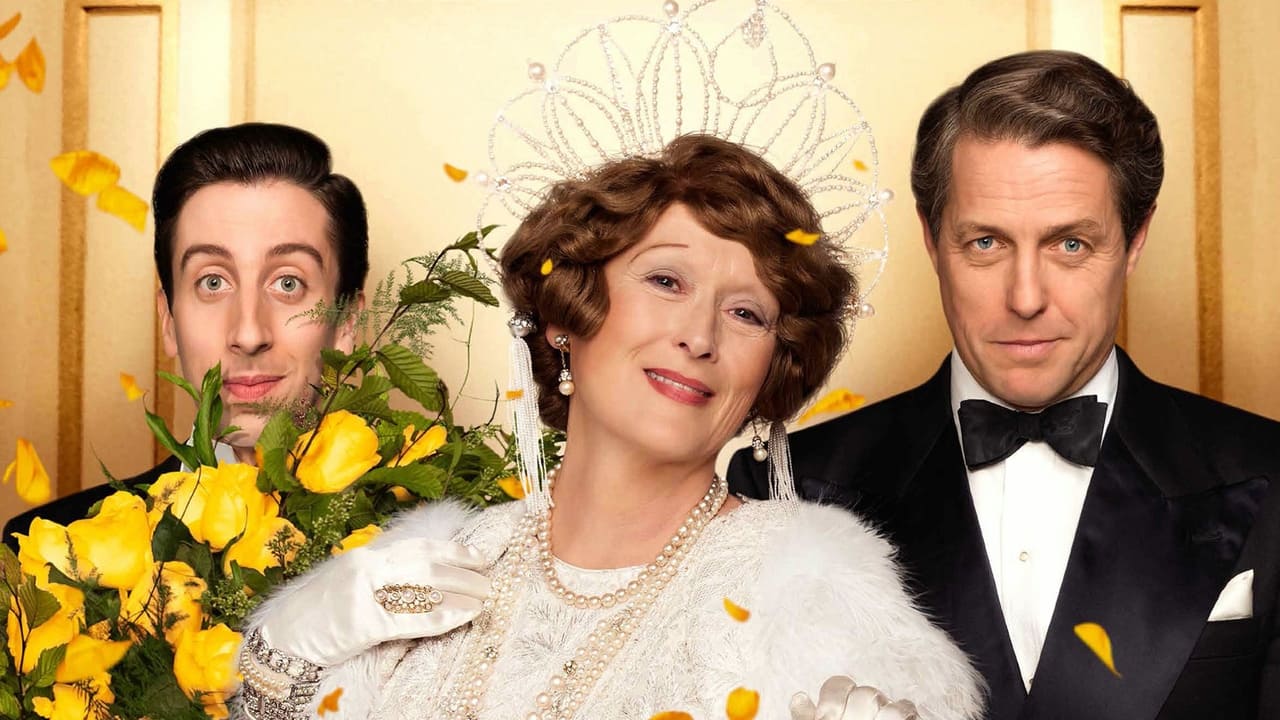
The production design and Danny Cohen’s cinematography wrap 1940s New York in a warm, amber glow that feels purposefully theatrical. It’s a world built out of velvet curtains and expensive champagne, a protective bubble that eventually has to face the cold air of a Carnegie Hall performance. The climax of the film isn’t about whether she hits the notes—we know she won't—it’s about whether the world is cynical enough to break her spirit.
While it was a modest box office success and earned Meryl Streep her 20th Oscar nomination, the film has somewhat faded into the "nice movie my mom liked" category. That’s a shame. It’s a sharper, more melancholic film than its "wacky singer" premise suggests. It asks a heavy question: Is a cruel truth better than a beautiful lie?
Ultimately, Florence Foster Jenkins is a tribute to the "terrible" among us who refuse to be quiet. It’s a beautifully acted, surprisingly emotional drama that uses comedy as a gateway to something much deeper. Whether you’re a fan of opera or someone who, like me, should only ever sing in the shower with the water running at full blast, you’ll find something to love in Florence’s fearless, flat-noted pursuit of happiness. It’s a gentle reminder that the world is much more interesting when we let people be weird.
Keep Exploring...
-
Victoria & Abdul
2017
-

The Laundromat
2019
-
Stan & Ollie
2018
-
Anomalisa
2015
-

Dope
2015
-
The Dressmaker
2015
-

While We're Young
2015
-

A Hologram for the King
2016
-
Toni Erdmann
2016
-

Up for Love
2016
-

Whiskey Tango Foxtrot
2016
-
Battle of the Sexes
2017
-
Home Again
2017
-
The Man Who Invented Christmas
2017
-

The Meyerowitz Stories (New and Selected)
2017
-
Nothing to Hide
2018
-

The Old Man & the Gun
2018
-
La Belle Époque
2019
-

The Peanut Butter Falcon
2019
-
Bye Bye Morons
2020