Gods of Egypt
"A gold-plated fever dream you shouldn't ignore."
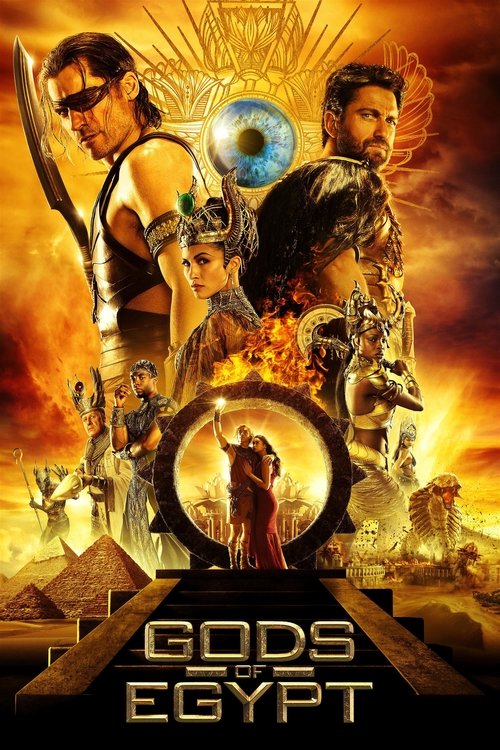
Walking into a screening of Gods of Egypt in 2016 felt like entering a localized temporal rift. While the rest of the cinematic world was pivoting toward the gritty realism of the John Wick era or the interconnected polish of the MCU, director Alex Proyas decided to spend $140 million on something that looked like it was rendered on a high-end PlayStation 3. I watched this most recently on a cross-country flight, sitting next to a woman who was reading a very serious-looking biography of Abraham Lincoln, and I felt a distinct sense of shame every time Gerard Butler roared at a giant CGI snake. But that’s the magic of this movie: it is so aggressively, unapologetically weird that you can’t help but stare.
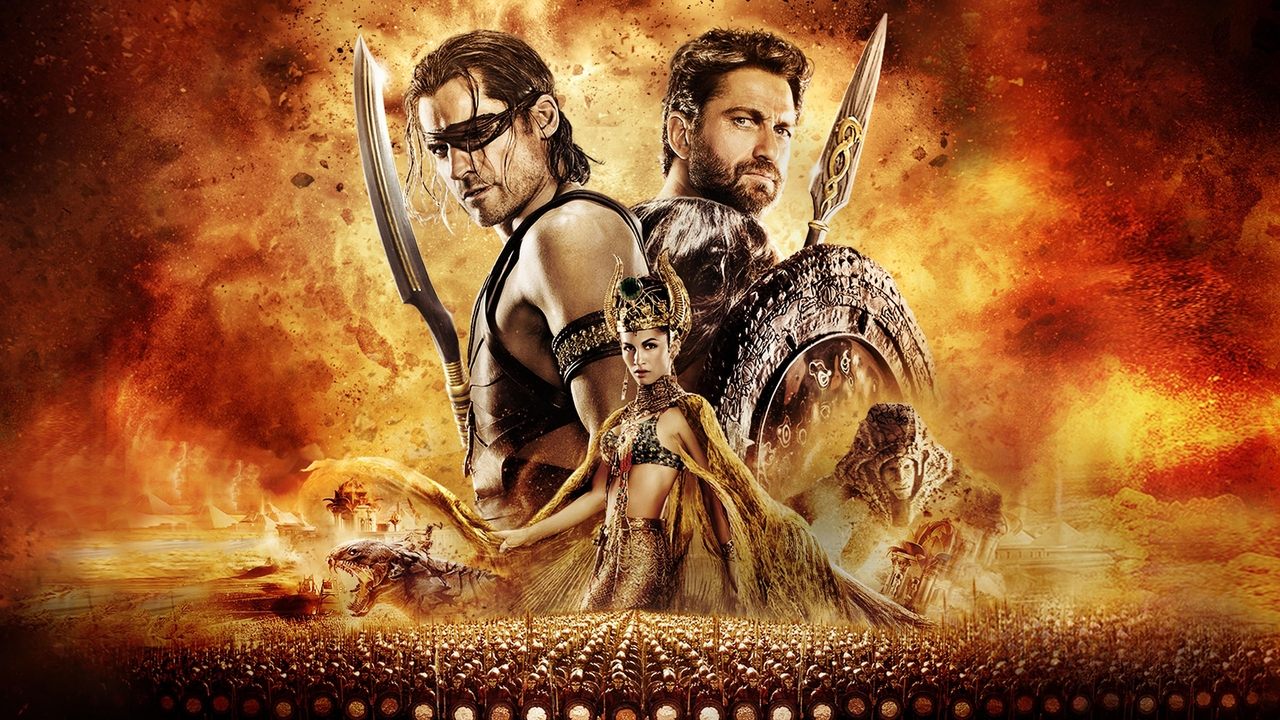
In the current landscape of "safe" franchise filmmaking, Gods of Egypt stands out as a magnificent anomaly. It’s a film that arrived at the tail end of the "swords and sandals" revival and immediately tripped over its own ornate sandals. It didn't just fail; it failed with such spectacular, glittering confidence that it earned an immediate spot in the "How did this get made?" hall of fame.
The Golden Elephant in the Room
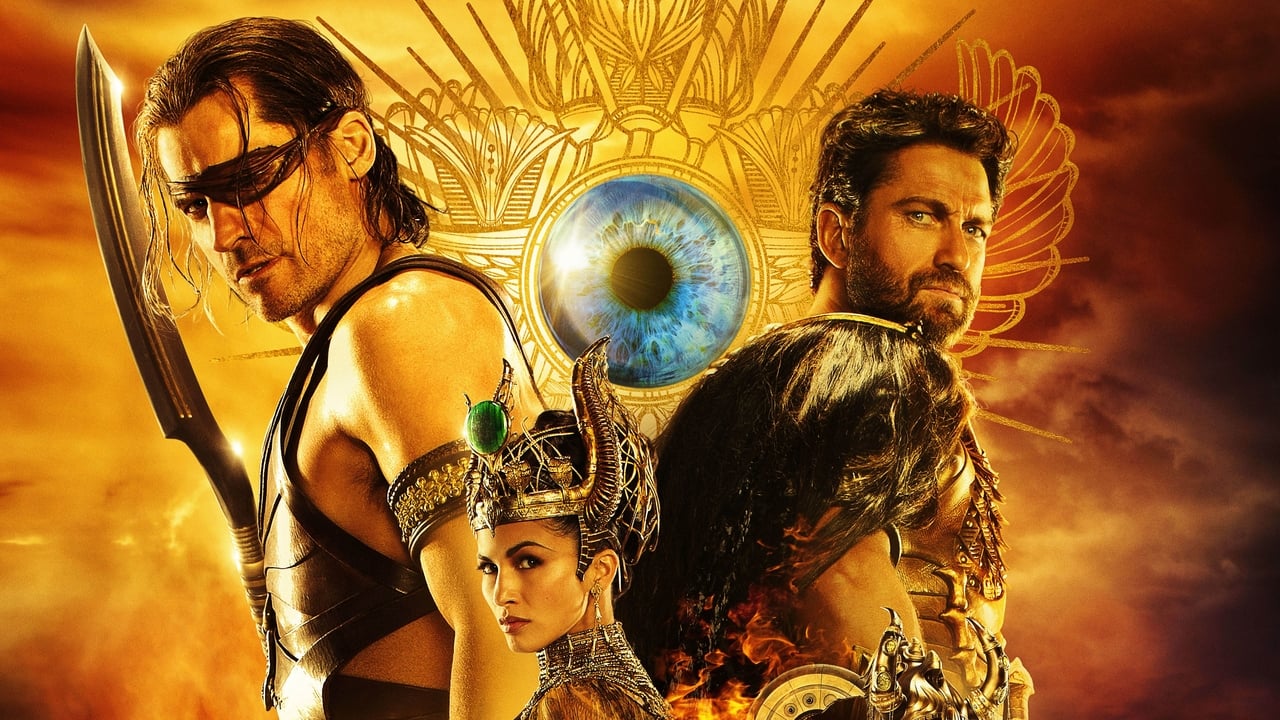
We have to talk about the casting, because the discourse around it effectively smothered the film before it even hit theaters. In an era where representation was finally—and rightfully—becoming a central pillar of film criticism, casting Nikolaj Coster-Waldau, Gerard Butler, and Brenton Thwaites as ancient Egyptian deities was a choice that felt decades out of date. It was a PR nightmare so potent that Lionsgate and Proyas actually issued a public apology months before the movie was released.
If you can look past the demographic dissonance, you find a film that is surprisingly creative with its mythology. Proyas, the man behind The Crow and Dark City, has a specific visual language that doesn't care for your earthly physics. Here, the world is flat, the gods bleed liquid gold, and they stand about three feet taller than the "mortal" humans. Nikolaj Coster-Waldau plays Horus like a disgraced quarterback, while Gerard Butler leans into his Scottish accent so hard he basically turns the Nile into the Firth of Forth. It’s a glitter-bombed hallucination that refuses to apologize for its own existence, and in a world of focus-grouped blockbusters, there is something almost heroic about that.
Kinetic Chaos and Space Chariots
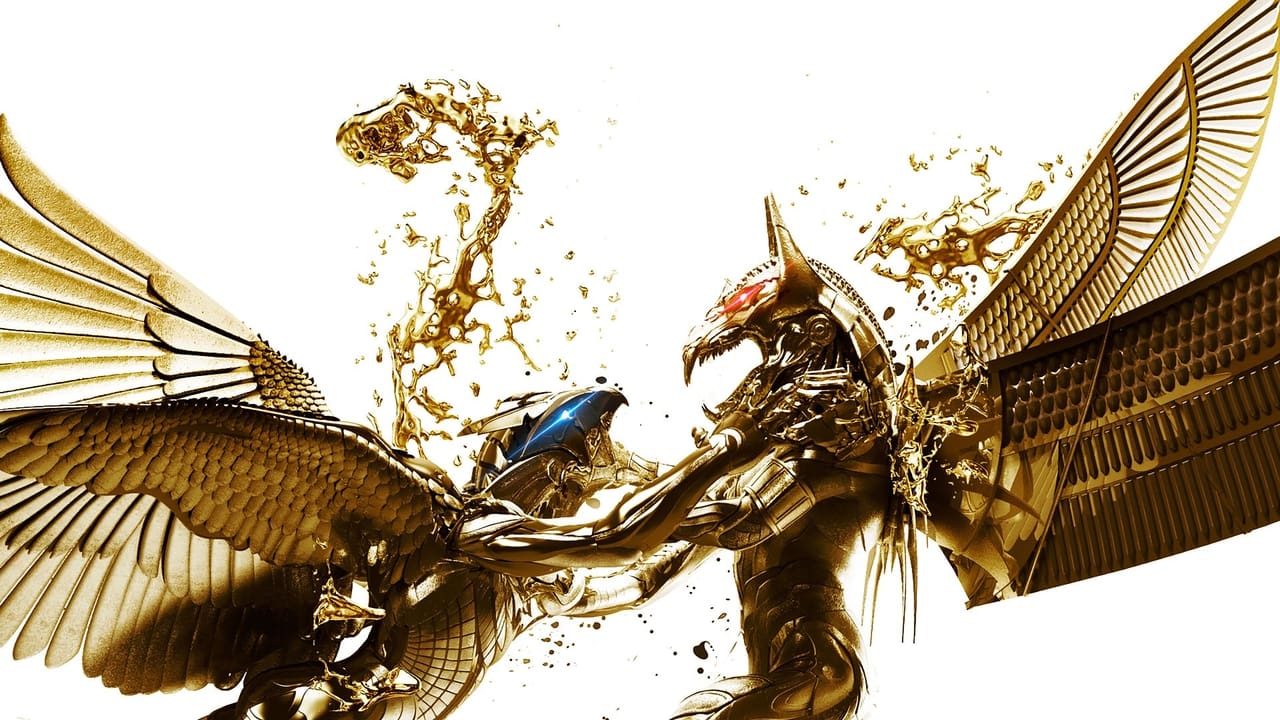
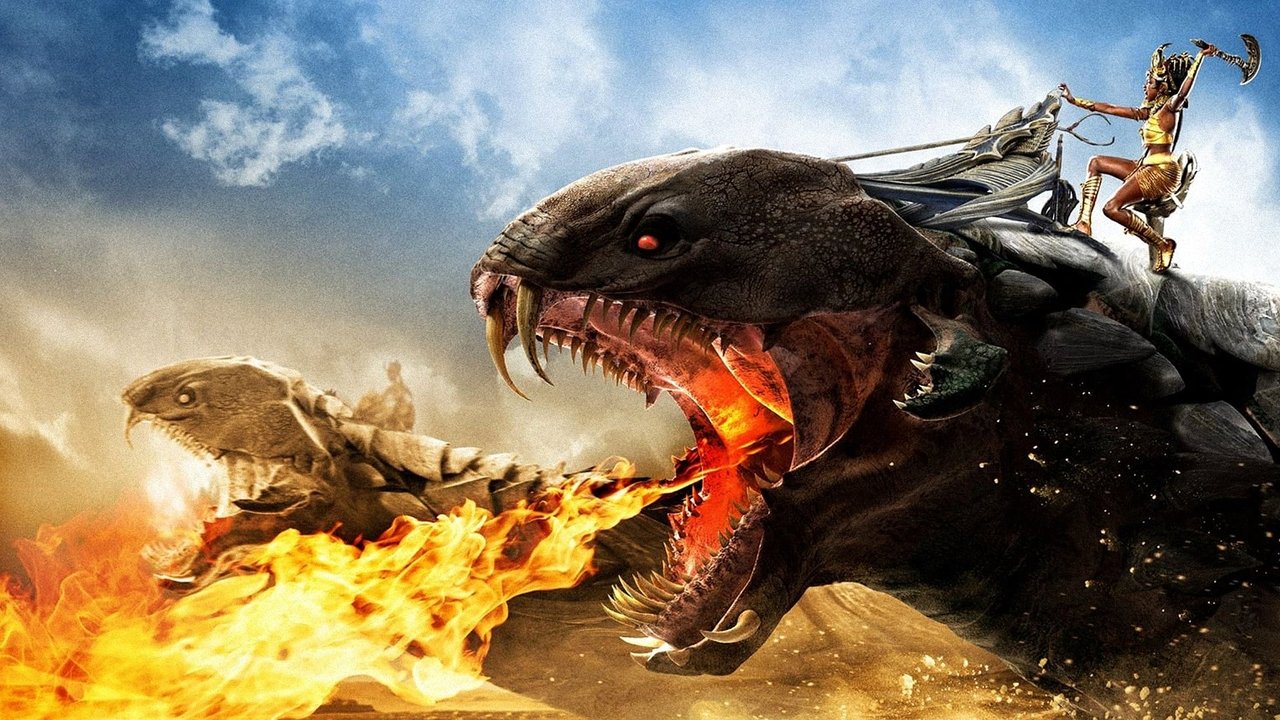
The action choreography is where the "Action/Adventure" tag really earns its keep. Unlike the choppy, "Bourne-style" editing that plagued the early 2010s, Proyas keeps the camera wide and fluid. The fight scenes between the gods involve them transforming into metallic, bipedal animal-hybrids that look like high-end hood ornaments. It’s silly, yes, but the pacing never lets up.
One of the most genuinely inspired sequences involves Chadwick Boseman as Thoth, the god of wisdom. Boseman, just a couple of years away from becoming a global icon in Black Panther, gives a performance that can only be described as "delightfully prissy." He plays Thoth as a man so intelligent he’s become insufferable, multiplying himself to solve riddles and treating everyone else like a dull-witted child. The way the film handles its "god-level" set pieces—like Geoffrey Rush as the sun god Ra, living on a spaceship and fighting a giant space-worm every night—is pure, unadulterated pulp. It’s the kind of high-concept madness that usually gets sanded down by studio notes, yet here it is, in all its neon-gold glory.
The Journey to Cult Curiosity
So, why does this matter now? In the streaming era, movies like Gods of Egypt have found a second life as "curiosity watches." It’s the perfect Sunday afternoon movie for people who want to see a $140 million budget used to build a world that looks like a 1990s Trapper Keeper cover. The visual effects are a strange mix of breathtaking scale and "uncanny valley" texture. The film was shot almost entirely against green screens in Australia, and you can feel the actors' confusion as they try to interact with digital environments that wouldn't be finished for another year.
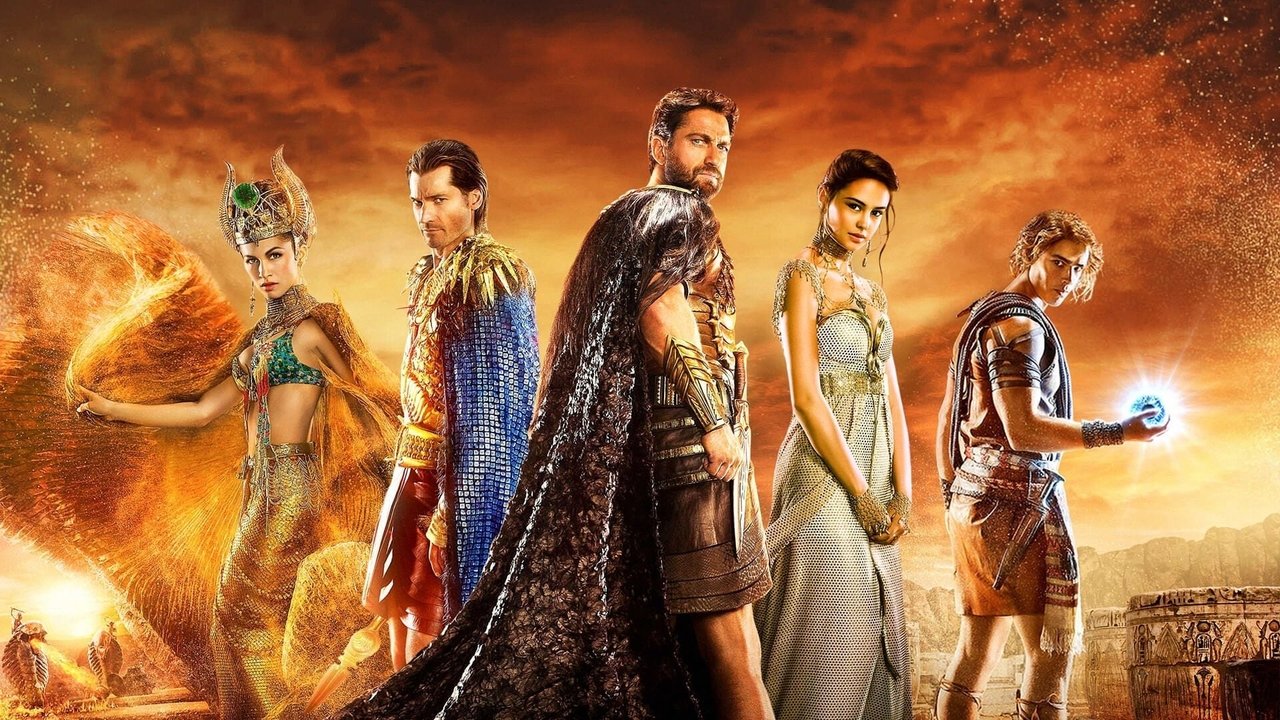
The stunt work is also surprisingly physical for a film so reliant on CGI. Brenton Thwaites spends a significant amount of the runtime jumping, climbing, and sprinting through Rube Goldberg-style traps. The film balances its digital artifice with a genuine sense of adventure that feels closer to The Mummy (1999) than to the self-serious epics of the current day. It’s a movie that knows it’s a toy box and wants to play with every single toy at once.
Gods of Egypt is a fascinating failure, a film that is too creative to be boring but too misguided to be "good" by any traditional metric. It’s a loud, shiny, and bizarre artifact of a moment when studios were still willing to gamble huge sums on original, non-franchise IP, even if that IP was just "what if Egyptian gods were giant robots?" I don't think I can call it a masterpiece, but I'd much rather rewatch this golden disaster than another cookie-cutter superhero origin story. It’s a reminder that sometimes, the most interesting things in cinema are the ones that don't quite make sense.
Keep Exploring...
-
The Last Witch Hunter
2015
-

Pan
2015
-
The Great Wall
2016
-

The Legend of Tarzan
2016
-
Warcraft
2016
-
Pirates of the Caribbean: Dead Men Tell No Tales
2017
-
Pacific Rim: Uprising
2018
-
Robin Hood
2018
-

Tomb Raider
2018
-
Hellboy
2019
-

Monster Hunter
2020
-
Wonder Woman 1984
2020
-
Aquaman and the Lost Kingdom
2023
-
Batman v Superman: Dawn of Justice
2016
-
Suicide Squad
2016
-
X-Men: Apocalypse
2016
-
The Dark Tower
2017
-
The Mummy
2017
-
Morbius
2022
-

Pokémon Detective Pikachu
2019