Green Room
"Wrong gig. Wrong crowd. Nowhere to run."
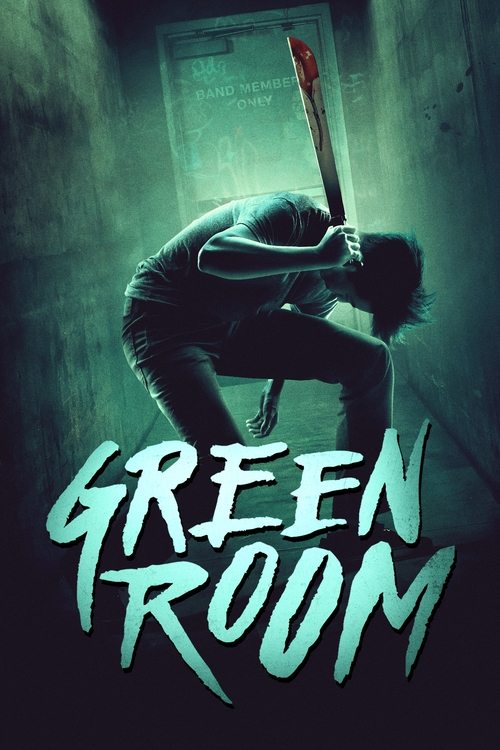
The hum of a cheap amplifier is a sound I can feel in my teeth. It’s a messy, jagged noise that usually signals a night of beer-soaked catharsis, but in Green Room, that feedback is the sound of a closing trap. I watched this on a Tuesday night while trying to fix a leaky faucet with a YouTube tutorial, and the sudden shift from indie road-trip movie to a locked-in-a-box nightmare made me drop a wrench directly onto my big toe. It was a fittingly clumsy, painful introduction to a film that treats human anatomy with the same lack of sentimentality as a woodchipper.
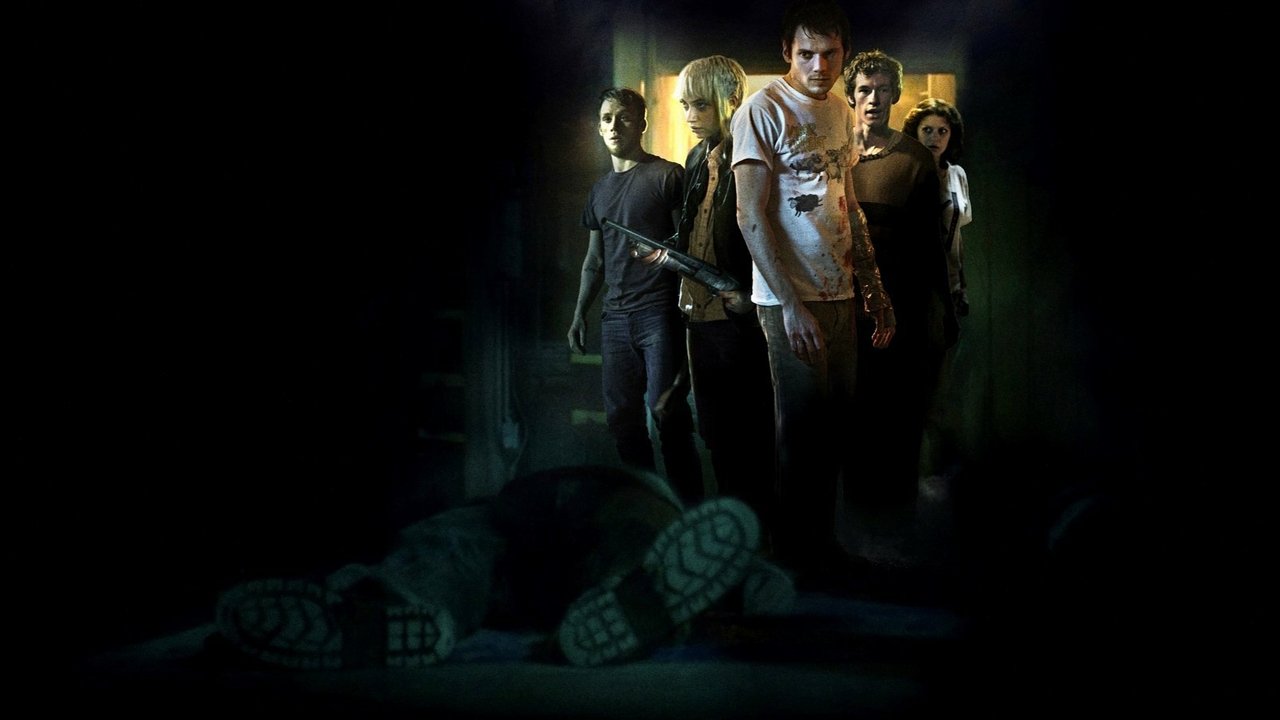
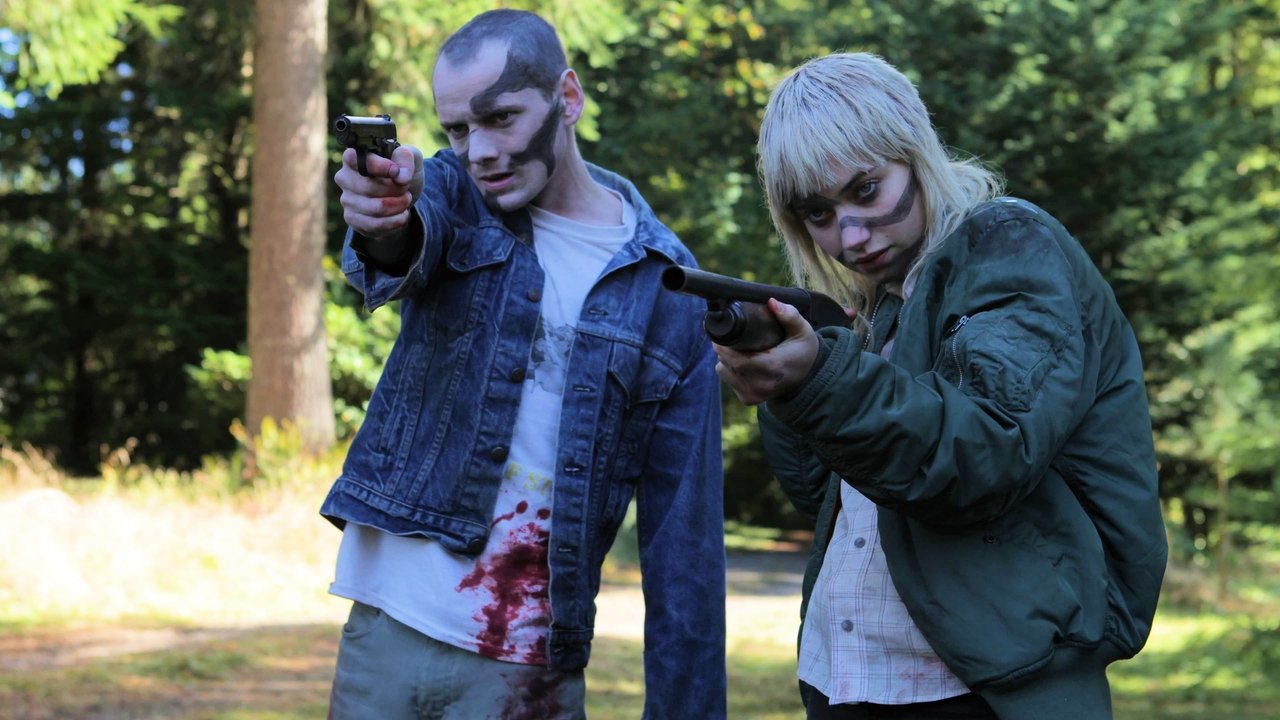
Jeremy Saulnier’s 2016 thriller is a lean, mean survival horror that ditches the supernatural for something far more terrifying: the cold, bureaucratic logic of a white supremacist militia. We follow The Ain't Rights, a starving punk band who are so broke they’re literally siphoning gas to get to their next gig. When a last-minute show at a neo-Nazi skinhead bar in the Oregon backwoods goes south—specifically after they witness a murder in the titular green room—the film stops being a music movie and becomes a masterclass in claustrophobic dread.
The Anatomy of a Bad Night
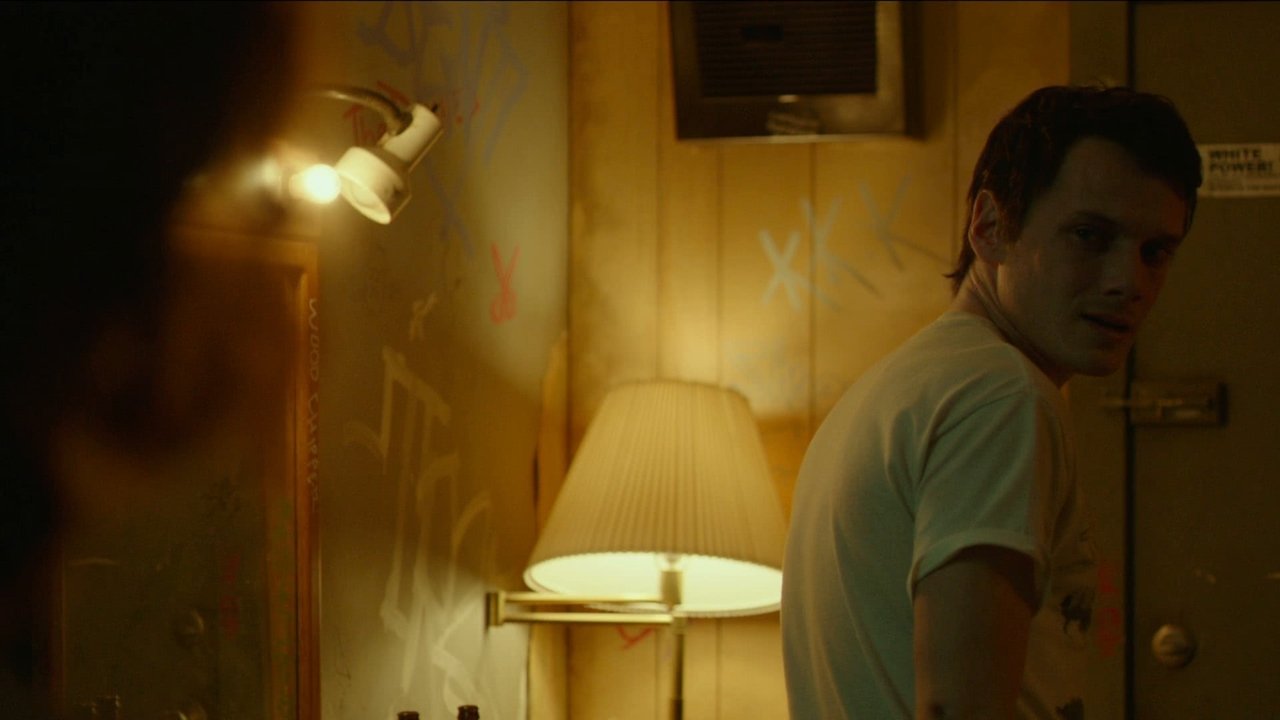
What I love about Saulnier’s approach is that he doesn't treat his protagonists like action heroes. Anton Yelchin, in one of his final and most vulnerable roles as Pat, isn't a secret badass; he’s a terrified kid whose hands won't stop shaking. There is a scene involving a door and a machete that remains one of the most shocking things I’ve seen in modern cinema, largely because it happens with such jarring, matter-of-fact speed. There’s no dramatic music cue to warn you. It just happens.
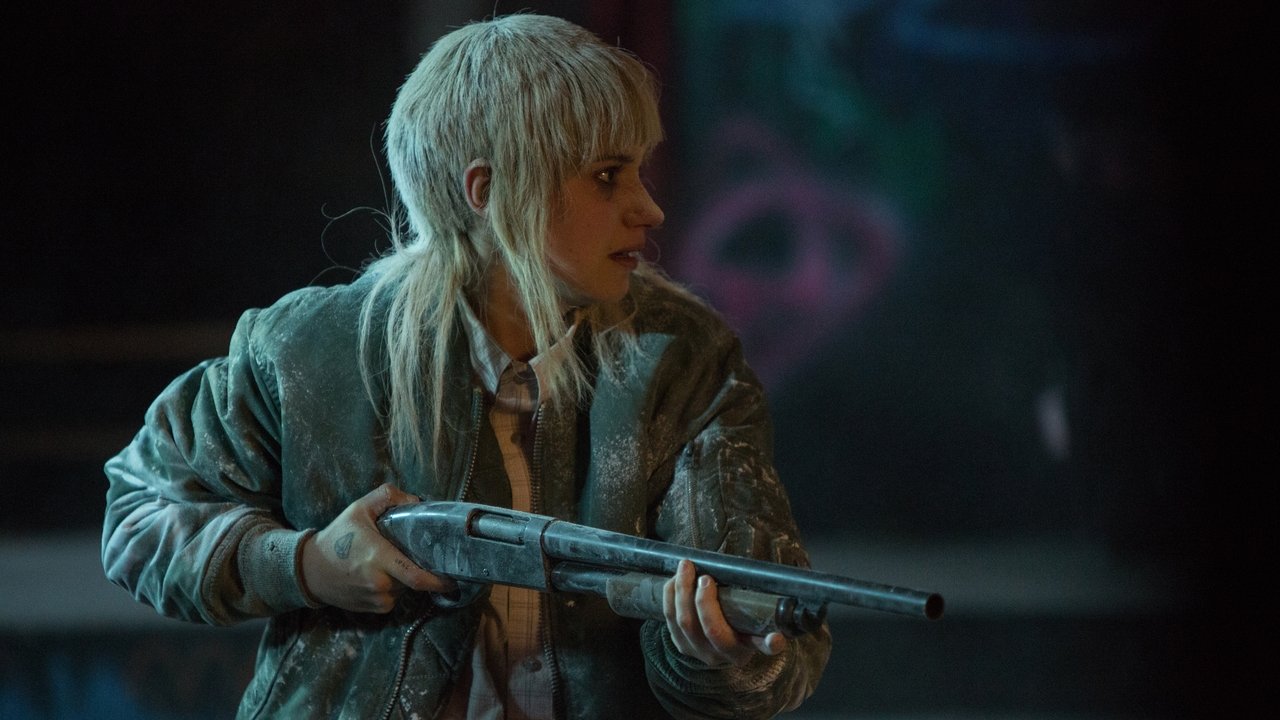
The film operates on the "5-minute test" for its characters: every decision they make feels like a desperate attempt to buy five more minutes of life. Joining Anton Yelchin is Alia Shawkat and Joe Cole, who bring a genuine, lived-in chemistry to the band. They feel like people who have slept in a van together for three weeks too long. Then there’s Imogen Poots as Amber, a local who ends up trapped with them. She’s the MVP here, providing a steely, nihilistic contrast to the band’s frantic panic.
A Grandfatherly Sort of Evil
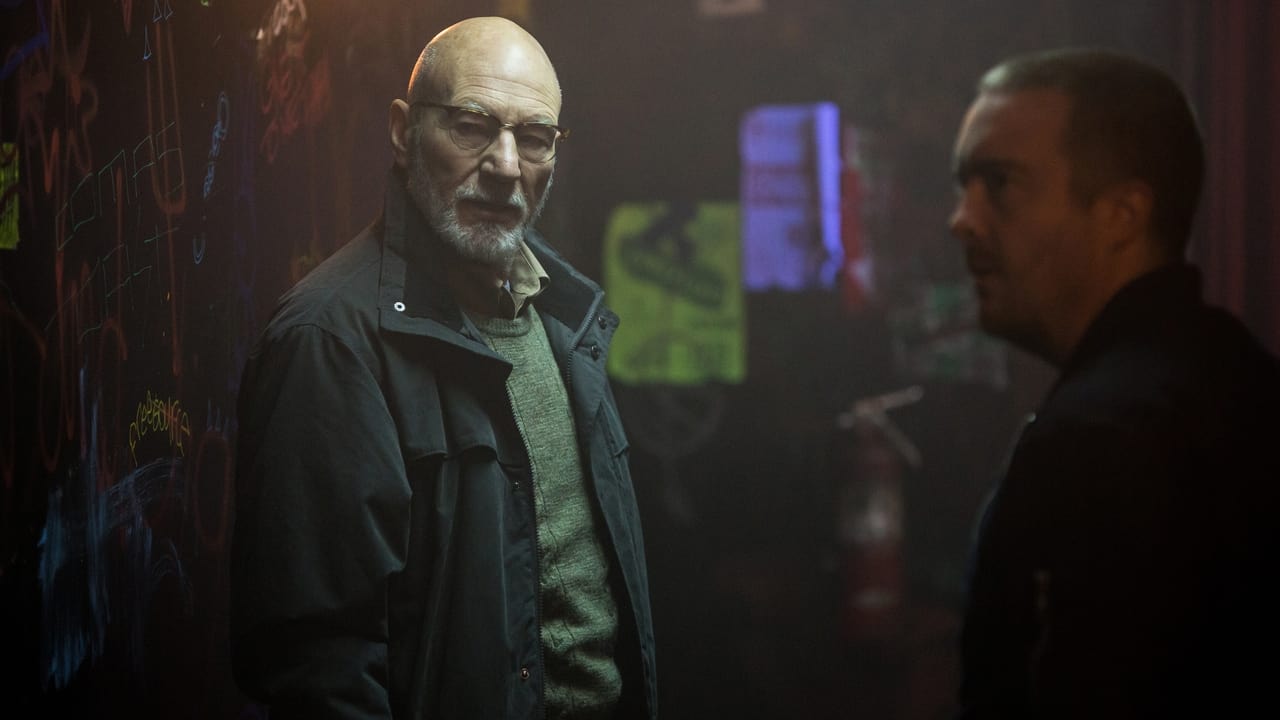
The real coup, of course, is casting Patrick Stewart as Darcy, the leader of the skinhead faction. Forget the warm, moral authority of Captain Picard or Professor X. Darcy is a chillingly calm logistical manager of violence. He’s not screaming slurs or foaming at the mouth; he’s a man worried about his "brand" and the cleanup effort. Apparently, when Stewart first read the script at his home in the English countryside, he was so unsettled that he finished it, locked all his doors and windows, and turned on his security system. He knew immediately he had to play the part.
Darcy represents a very specific kind of modern threat: a grandfatherly figure who happens to be a genocidal logistical genius. He views the band not as enemies, but as "loose ends" that need to be tidied up. This clinical approach to murder makes the film far scarier than your average slasher. The threat isn't a masked man who can’t be killed; it’s a group of organized, motivated people with dogs, guns, and a plan to make you disappear.
Practical Blood and Punk Roots
In an era of CGI blood splatter that looks like it was made in Photoshop, Green Room is a refreshing return to practical effects. The makeup team, led by Michael Marino, used silicone and corn syrup to create injuries that feel uncomfortably wet and heavy. When a character gets hurt, you don't just see it; you feel the weight of the damage. Saulnier even brought in the same dog trainer who worked on The Revenant to handle the fighting pit bulls, ensuring the animal attacks felt terrifyingly real rather than choreographed.
The film's DNA is rooted in Saulnier’s own past. He grew up in the D.C. hardcore punk scene (he was in a band called "The No-Names"), and that authenticity bleeds through every frame. The "Desert Island Band" question that the characters keep asking each other throughout the film wasn't just a script device; the actors actually used it as a bonding exercise on set. It gives the film a soul that most "siege" movies lack. We care about these kids because we’ve all been young, dumb, and stuck in a place we shouldn't be.
Despite being a box office "bomb" initially—it only clawed back about $3.8 million against a $5 million budget—Green Room has blossomed into a legitimate contemporary cult classic. It didn't need a franchise or a post-credits scene to stay relevant. It succeeded by being a singular, high-tension experience that respects the audience's intelligence. It’s a film that understands that most horror movies feel like they’re playing with safety scissors, while Saulnier is handing you a rusted box cutter.
Green Room is a relentless, 95-minute panic attack that I find myself returning to once a year, usually when I’m feeling a little too comfortable with the world. It’s a reminder of how thin the line is between a boring Tuesday and a fight for your life. It’s violent, yes, but it’s violence with a purpose, anchored by a career-best performance from the late Anton Yelchin. If you haven't seen it, turn the lights down, crank the volume, and make sure your doors are locked. You're going to want to check them twice.
Keep Exploring...
-
Rebel Ridge
2024
-

The House That Jack Built
2018
-
Don't Breathe
2016
-
The Pale Blue Eye
2022
-
Blue Ruin
2014
-
I Care a Lot
2021
-
Sicario
2015
-
The Visit
2015
-
Patriots Day
2016
-
Pride and Prejudice and Zombies
2016
-

Snowden
2016
-

Triple 9
2016
-
Bad Times at the El Royale
2018
-
Den of Thieves
2018
-
Hereditary
2018
-
Sicario: Day of the Soldado
2018
-
Widows
2018
-
Crawl
2019
-

Ma
2019
-
The Highwaymen
2019