Hacksaw Ridge
"The only man who went to war without a gun."
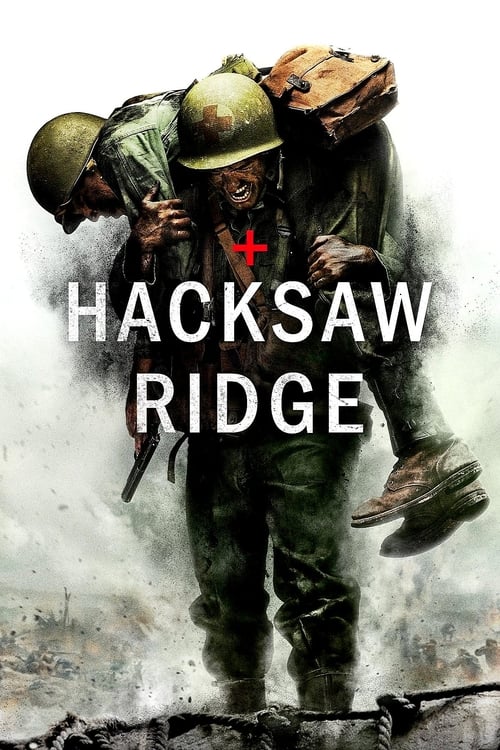
There is a specific kind of madness required to walk into a hail of lead without a weapon. Usually, in the modern landscape of superhero saturation and desensitized blockbusters, we expect our protagonists to be walking armories. But in 2016, Mel Gibson (the man behind Braveheart) returned from a decade in the Hollywood wilderness to tell a story that felt both impossibly old-fashioned and shockingly modern.
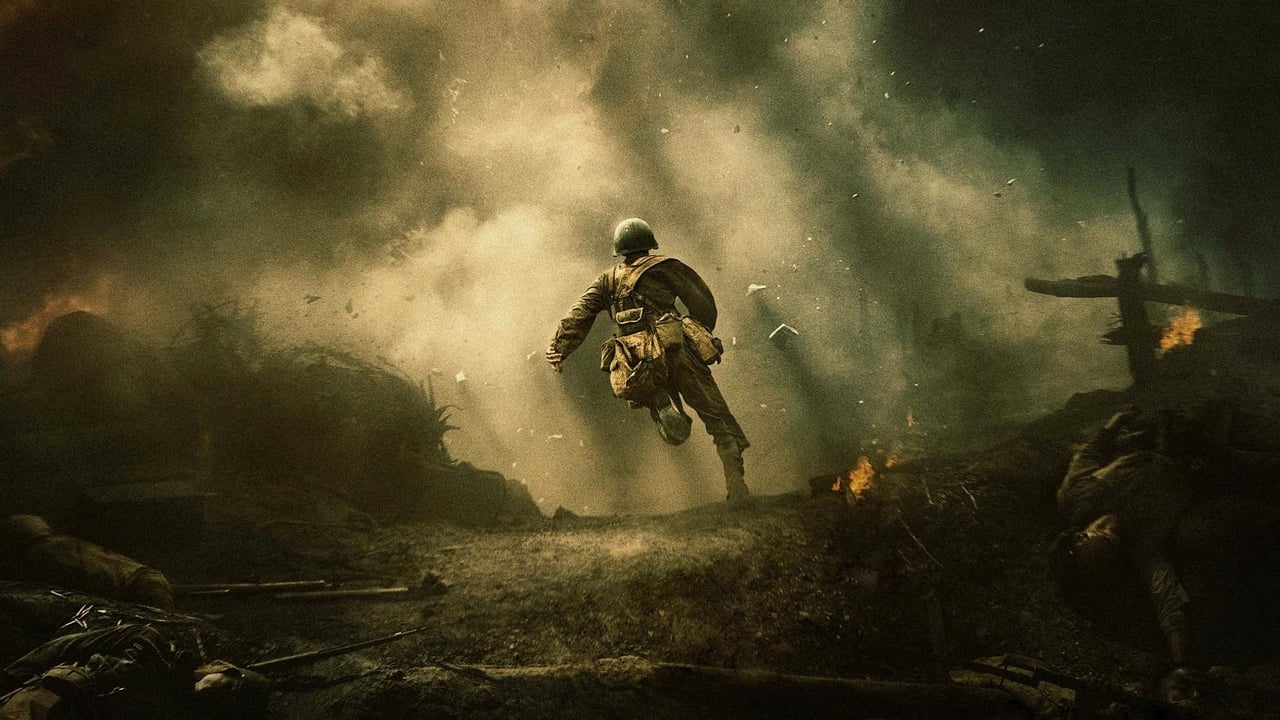
I’ll be honest: I went into Hacksaw Ridge with a healthy dose of skepticism. This was the peak of the "prestige comeback" era, and the buzz was all about whether the industry was ready to forgive Gibson for his various public implosions. I watched this for the first time on a slightly cracked iPad screen while sitting in a terminal at O'Hare, and even with a guy next to me loudly arguing with a gate agent about his carry-on, the sheer force of this movie pinned me to my seat.
The Ghost of Gibson’s Past
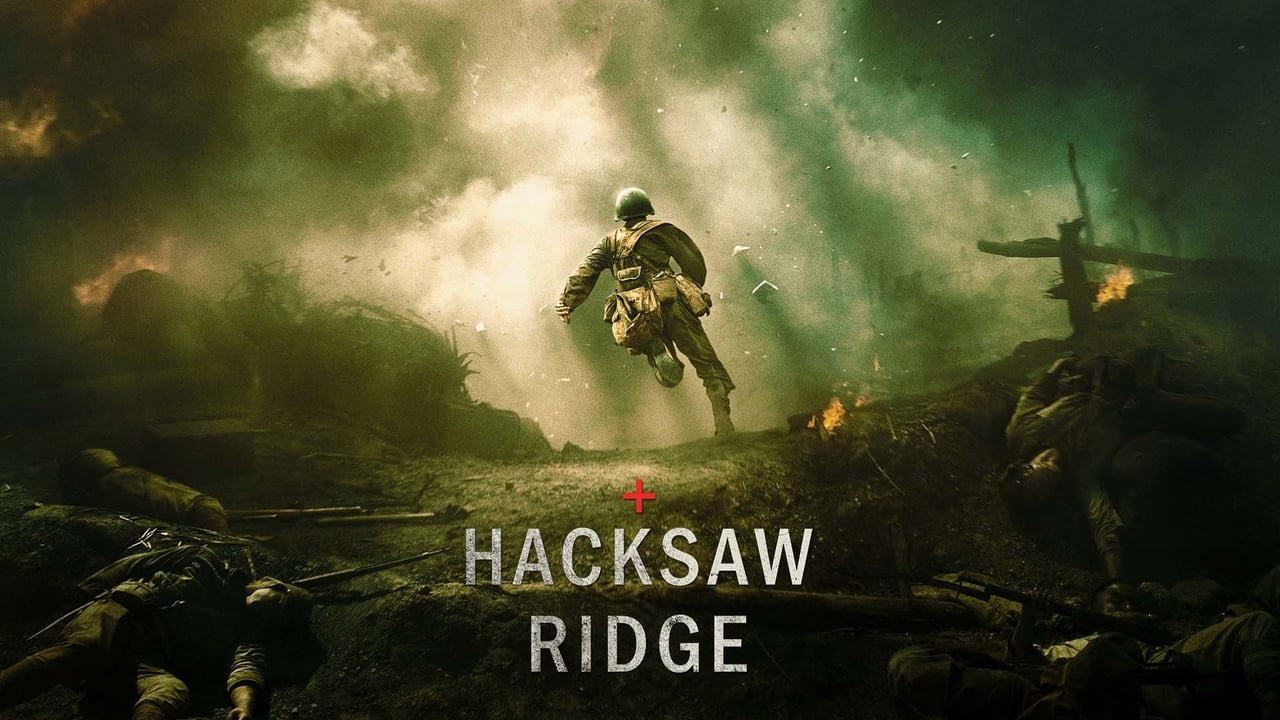
The film follows the true story of Desmond Doss, played with a wide-eyed, terrifyingly sincere grace by Andrew Garfield. Doss is a Seventh-day Adventist who enlists in the Army during WWII but refuses to touch a firearm due to his religious convictions. The first hour is a strange beast. It’s shot with a warmth that feels like a throwback to 1940s cinema—all golden-hour Virginia landscapes and a sweet-natured romance with a nurse played by Teresa Palmer.
For a second, you might think you’ve accidentally stumbled into a Hallmark production, but then the "Gibson Factor" kicks in. The first hour is basically a Hallmark movie on steroids, and it’s a miracle it doesn’t collapse under its own sincerity. This section is anchored by a harrowing performance from Hugo Weaving as Desmond’s father, a WWI veteran drowning in trauma and cheap booze. Weaving gives the film its moral weight before a single shot is even fired in Okinawa; he’s the cautionary tale of what war does to the soul, acting as a grim counterpoint to his son’s optimism.
The Gospel of the Meat Grinder
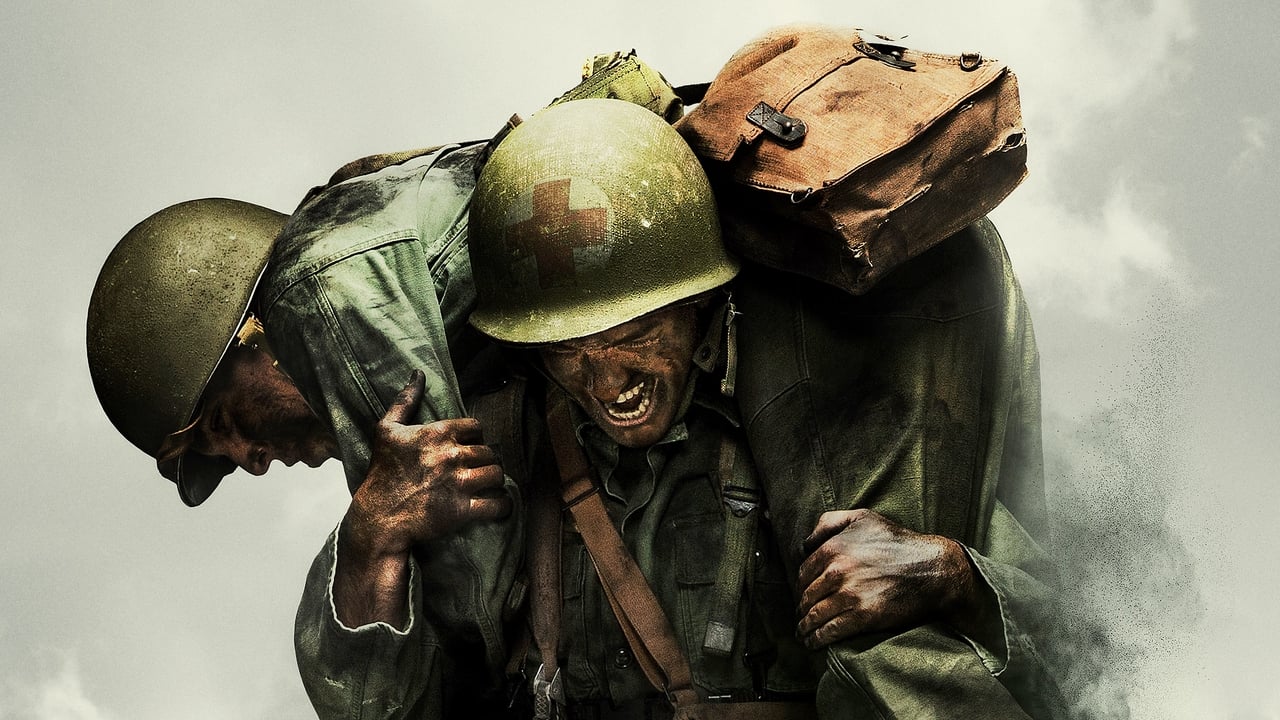
Once the setting shifts to the Battle of Okinawa, the film undergoes a metamorphosis that is frankly hard to stomach. If the first half is a Sunday school lesson, the second half is a tour through the circles of hell. Gibson has always had a preoccupation with the "sanctity of suffering," and he doesn't hold back here. We see the "Grinder"—the titular ridge—not as a tactical objective, but as a literal meat-packing plant for human beings.
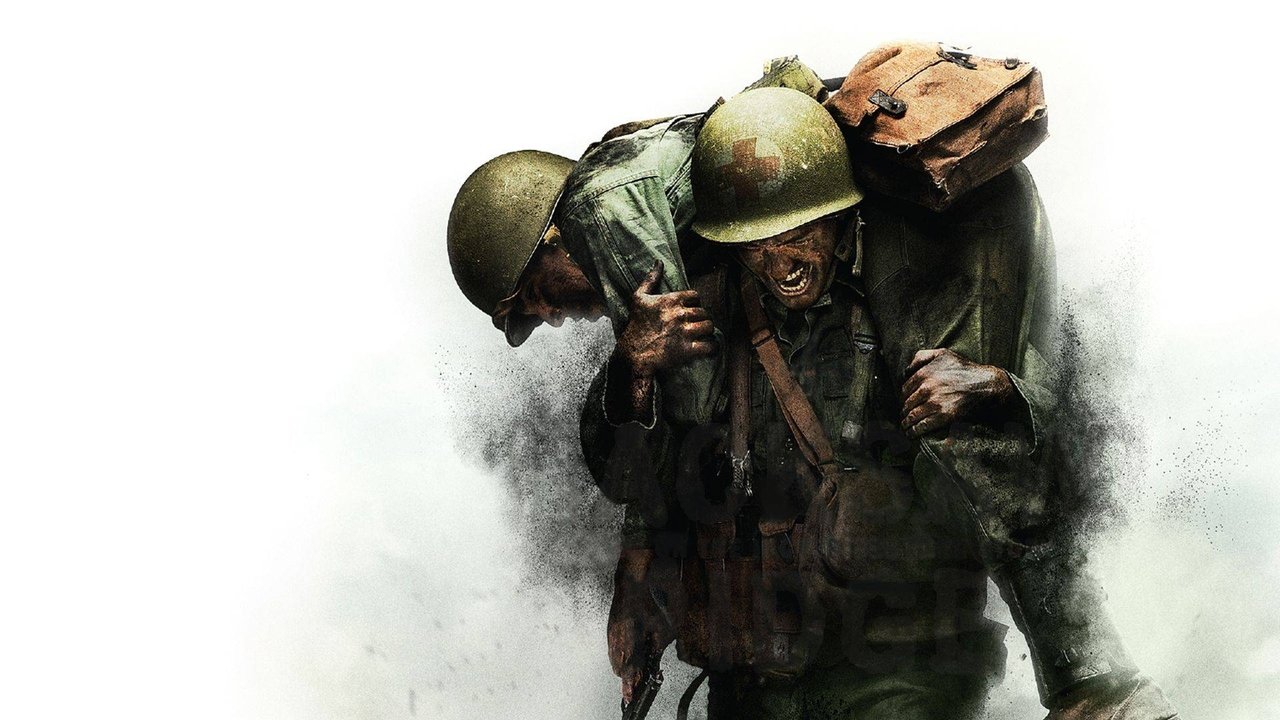
The contrast is what makes the movie work. You have Andrew Garfield, looking like a stiff breeze could knock him over, scrambling through mud and entrails to drag men to safety. It’s here that Vince Vaughn shows up as Sgt Howell. I’ll admit, seeing the guy from Wedding Crashers barking orders at the "Spider-Man" actor felt like a recipe for disaster, but Vaughn nails the transition from comedic drill instructor to a man genuinely terrified of the chaos around him. He brings a grounded, blue-collar energy that keeps the film from floating off into pure religious hagiography.
Technical Prowess and the "Prestige" Push
Technically, the film is a masterstroke of traditional craft in an era where CGI often feels weightless. Editor John Gilbert won an Oscar for this, and you can see why. The action is frantic but never confusing; you always know where Doss is in relation to the danger. The sound design, which also took home an Academy Award, is oppressive. Every explosion feels like it’s trying to burst your eardrums, which is exactly how a war movie should feel if it’s trying to earn its "R" rating.
The film's legacy is tied to the 2017 awards season, where it snagged six nominations, including Best Picture. It was a "Prestige" film that didn't feel like it was chasing trends. It didn't care about being "meta" or ironic. It was a sincere, bloody, and unashamedly religious epic released at a time when Hollywood was moving toward more cynical narratives.
During the scene where Doss is lowering men down the cliffside, I actually dropped a single, very oily popcorn kernel down my shirt during a particularly loud jump-scare, and I spent the rest of the battle trying to fish it out without looking like I was having a seizure in the middle of the airport. It’s a testament to the film’s intensity that I eventually just gave up and let the grease stain happen.
Hacksaw Ridge is a brutal, exhausting, and ultimately moving piece of cinema. It manages to celebrate a pacifist hero without ever feeling like it's lecturing the audience. While the gore is definitely "Peak Gibson" and might be too much for the squeamish, Andrew Garfield’s performance provides a heartbeat that keeps the movie from feeling like a hollow exercise in carnage. It’s a film about the strength of conviction in a world that wants to break you, and that’s a message that resonates just as strongly today as it did on the ridge in 1945.
Keep Exploring...
-

Braveheart
1995
-
1917
2019
-

Land of Mine
2015
-
The Zookeeper's Wife
2017
-
13 Hours: The Secret Soldiers of Benghazi
2016
-
Jojo Rabbit
2019
-
All Quiet on the Western Front
2022
-

The Imitation Game
2014
-
Emancipation
2022
-
Т-34
2018
-
The King
2019
-
Barry Lyndon
1975
-
Schindler's List
1993
-
Downfall
2004
-
The Boy in the Striped Pyjamas
2008
-
Beasts of No Nation
2015
-
Suite Française
2015
-
A Bag of Marbles
2017
-

Detroit
2017
-
See You Up There
2017