Hell or High Water
"The banks are the ones doing the robbing."
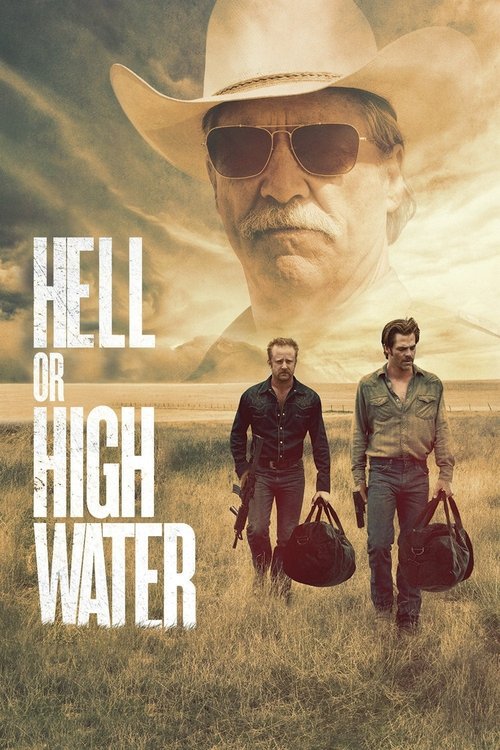
The first time I sat down to watch Hell or High Water, I was nursing a lukewarm cup of gas station coffee and a bag of gas station beef jerky that was definitely three months past its prime. It felt appropriate. This isn't a movie for sparkling mineral water and organic kale chips; it’s a film that demands you feel the grit between your teeth and the heat radiating off a cracked Texas highway. In a decade dominated by capes, multiverses, and neon-soaked CGI, David Mackenzie’s 2016 neo-Western felt like a cooling rain in a drought. It’s a quiet, heavy-hitting drama that reminds me why we go to the movies in the first place: to see people we recognize making choices we hope we’d never have to make.
Desperation in the Dust
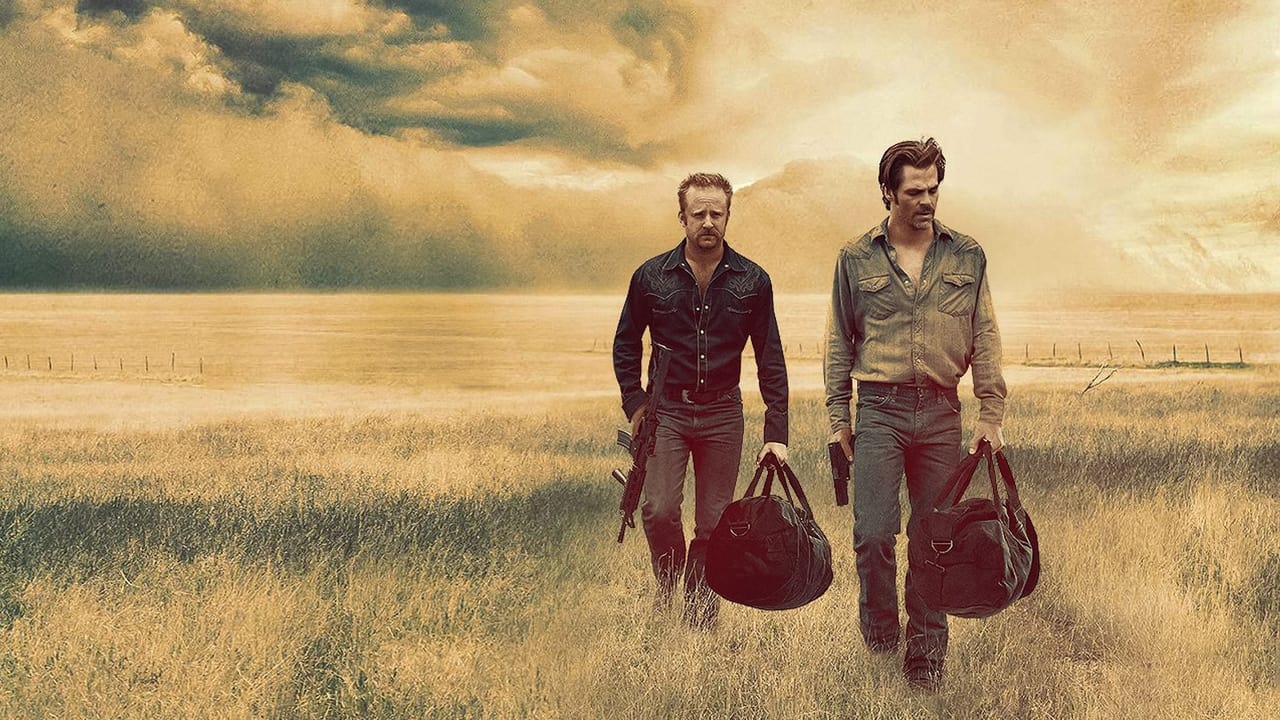
The setup is deceptively simple. Two brothers—Toby, the quiet, calculating one (Chris Pine), and Tanner, the loose-cannon ex-con (Ben Foster)—begin a spree of small-town bank robberies across West Texas. They aren't looking for a yacht or a life of luxury. They’re stealing exactly enough to pay off the predatory loan on their late mother’s ranch, ensuring Toby’s kids have a future. It’s a "reverse foreclosure," a Robin Hood tale where the Merry Men are wearing cheap masks and driving beat-up Chevy Silverados.
Chris Pine gives a performance here that finally forced me to admit he’s more than just a "Best Chris" contender; he’s a formidable dramatic lead. He carries a weary, soul-deep exhaustion that makes you forget he ever captained a starship. But it’s Ben Foster who provides the lightning. Foster is an actor who often seems like he’s vibrating at a different frequency than the rest of the cast, and here, that volatility is perfect. He’s a man who knows he’s headed for a violent end and has decided to enjoy the ride. Watching Foster eat a T-bone steak is more intense than most Hollywood car chases.
The Law and the Land
Chasing them are two Texas Rangers: the retiring Marcus Hamilton (Jeff Bridges) and his partner Alberto Parker (Gil Birmingham). If the brothers represent the desperate present, the Rangers represent a fading past. The chemistry between Bridges and Birmingham is the secret heart of the film. Their banter is abrasive, politically incorrect, and deeply affectionate—the kind of bond that only exists between people who have spent too many hours in a patrol car together.
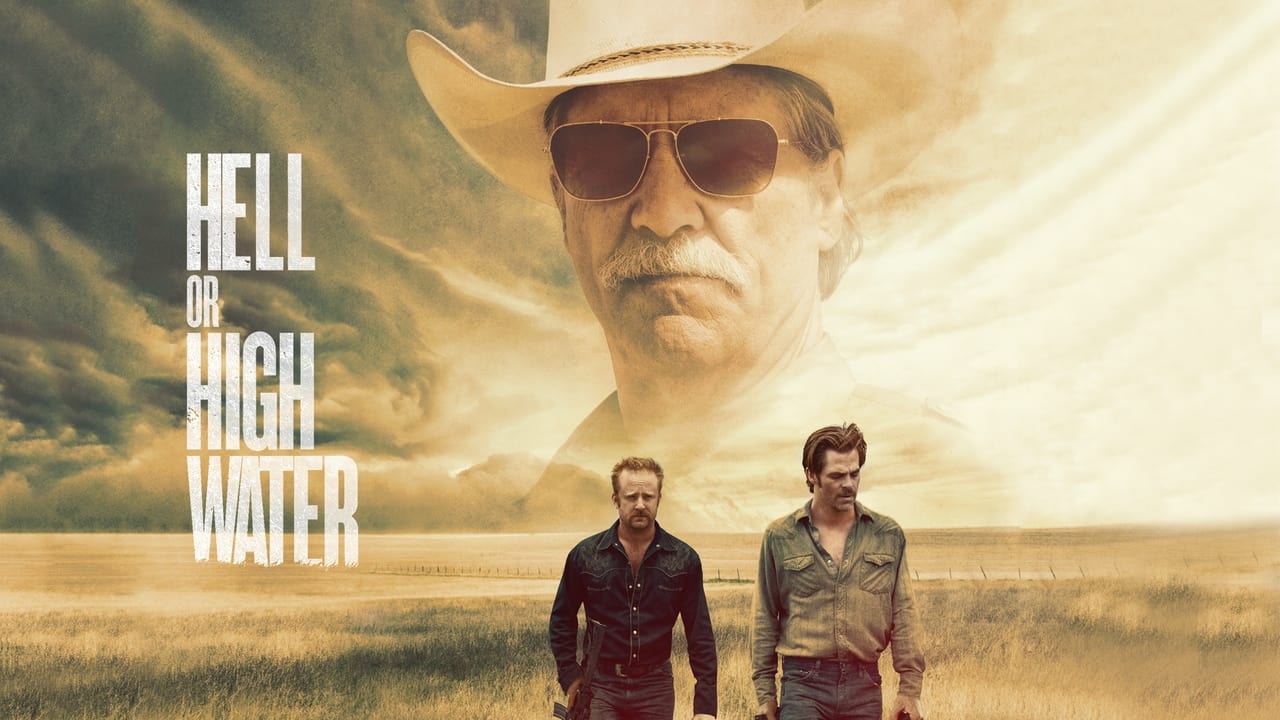
Jeff Bridges plays Marcus with a marble-mouthed mumble that feels like he’s literally chewing on the scenery, yet he never tips into caricature. He’s a man looking at a world that no longer has a place for him. I loved the way the film doesn’t make them "the villains." There are no easy "bad guys" here, unless you count the faceless banks whose signs—"Debt Relief," "Fast Cash"—litter the landscape like gravestones. The cinematography by Giles Nuttgens treats the Texas plains with a somber reverence, capturing a world that looks like it’s being bleached out by the sun.
A Modern Cult Classic
While it was a modest success and earned a few Oscar nods, Hell or High Water has grown into a genuine cult favorite in the streaming era. It’s the kind of movie that dads mention to you with a knowing nod, the film people "discover" on a Friday night and immediately text their friends about. It spoke to a very specific American anxiety in 2016—the feeling of being left behind by progress—and that resonance hasn't faded. If anything, the film’s cynicism toward institutional power feels even more relevant now.
Part of that enduring appeal comes from Taylor Sheridan’s screenplay. Before he became the mogul behind the Yellowstone empire, Sheridan was perfecting this brand of "Modern Frontier" storytelling. The dialogue is lean, mean, and frequently hilarious in a grim, gallows-humor sort of way.

The Dust in the Gears
For the trivia hounds who live for the "how did they do that" details, the production of this film is as lean as the script:
Taylor Sheridan reportedly wrote the screenplay in just three weeks. To keep the tension authentic, Chris Pine and Ben Foster didn't actually meet Jeff Bridges until the very end of the shoot, mimicking the way the characters only converge at the climax. The "Only the bank's money" rule the brothers follow was inspired by real-life Texas outlaws who believed small-scale theft was more sustainable than one big score. The famous scene featuring a prickly waitress was cast with a local resident to ensure the "Texas'tude" felt authentic. The melancholic, string-heavy score was composed by Nick Cave and Warren Ellis, who managed to make a violin sound like a coyote howling at a dying moon. Despite being set in West Texas, most of the film was actually shot in Eastern New Mexico for budgetary reasons—though you’d never know it by the dirt on the trucks.
Hell or High Water is a rare bird: a film that is both a thrilling heist movie and a heartbreaking character study. It doesn't offer easy answers or a tidy moral bow at the end. It’s about the cycles of poverty, the weight of family legacy, and the high cost of doing the "right" thing for the wrong reasons. I walked away from my first viewing feeling like I’d been out in the sun too long, in the best way possible. It’s a film that stays with you, humming in the back of your mind like a distant radio station on a long, dark drive. If you haven't seen it, find the biggest TV you can and turn the volume up for the engine roars. Just maybe skip the three-month-old jerky.

Keep Exploring...
-

Wind River
2017
-
Patriots Day
2016
-

Snowden
2016
-

Molly's Game
2017
-
Bad Times at the El Royale
2018
-

The Hate U Give
2018
-
Just Mercy
2019
-

Uncut Gems
2019
-

Promising Young Woman
2020
-
Wrath of Man
2021
-
Lawless
2012
-
Papillon
2017
-

The House That Jack Built
2018
-

El Camino: A Breaking Bad Movie
2019
-

The Irishman
2019
-

The Devil All the Time
2020
-
Sicario
2015
-
Sherlock: The Abominable Bride
2016
-
Dogman
2018
-

Shoplifters
2018