How to Be Single
"Finding yourself is the ultimate one-night stand."

I watched How to Be Single while trying to assemble an IKEA nightstand with nothing but a butter knife and a sense of mounting despair, and honestly, the sheer chaotic energy of the film was the only thing that kept me from throwing the Allen key through the window. It’s a movie that understands a very specific kind of urban messiness—the kind that involves $14 cocktails, questionable texting etiquette, and the terrifying realization that you might actually have to enjoy your own company.
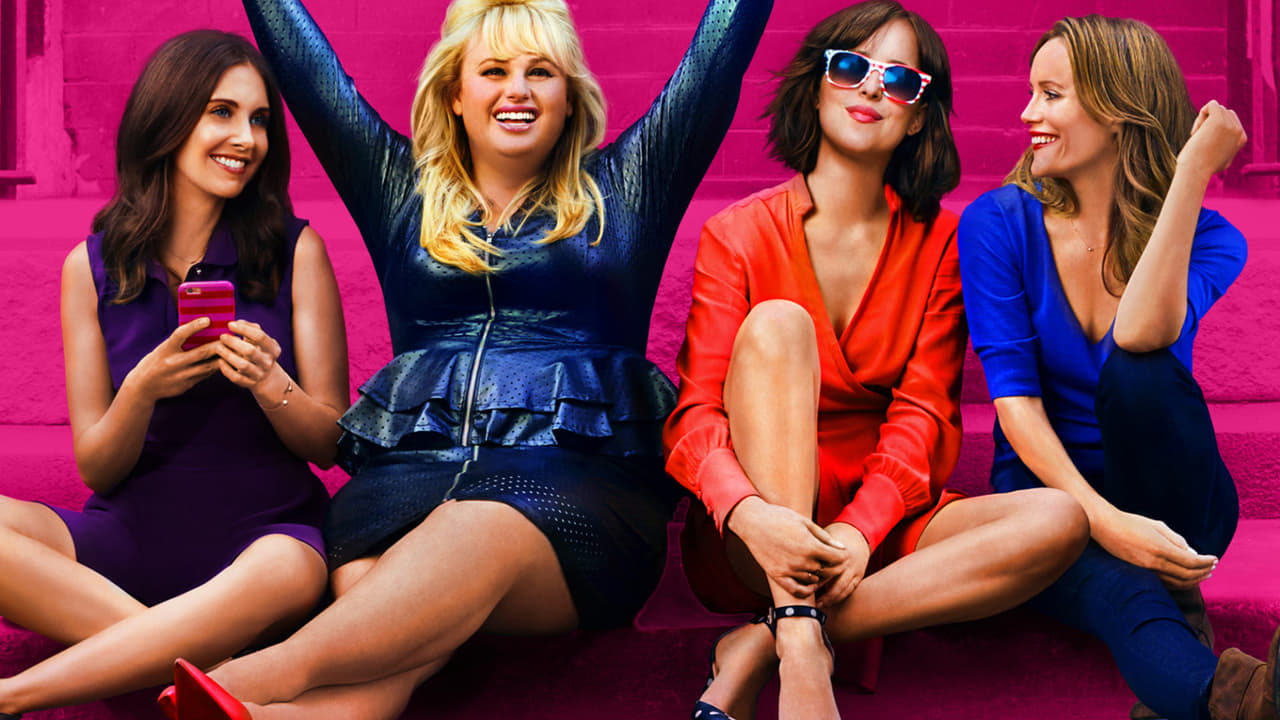
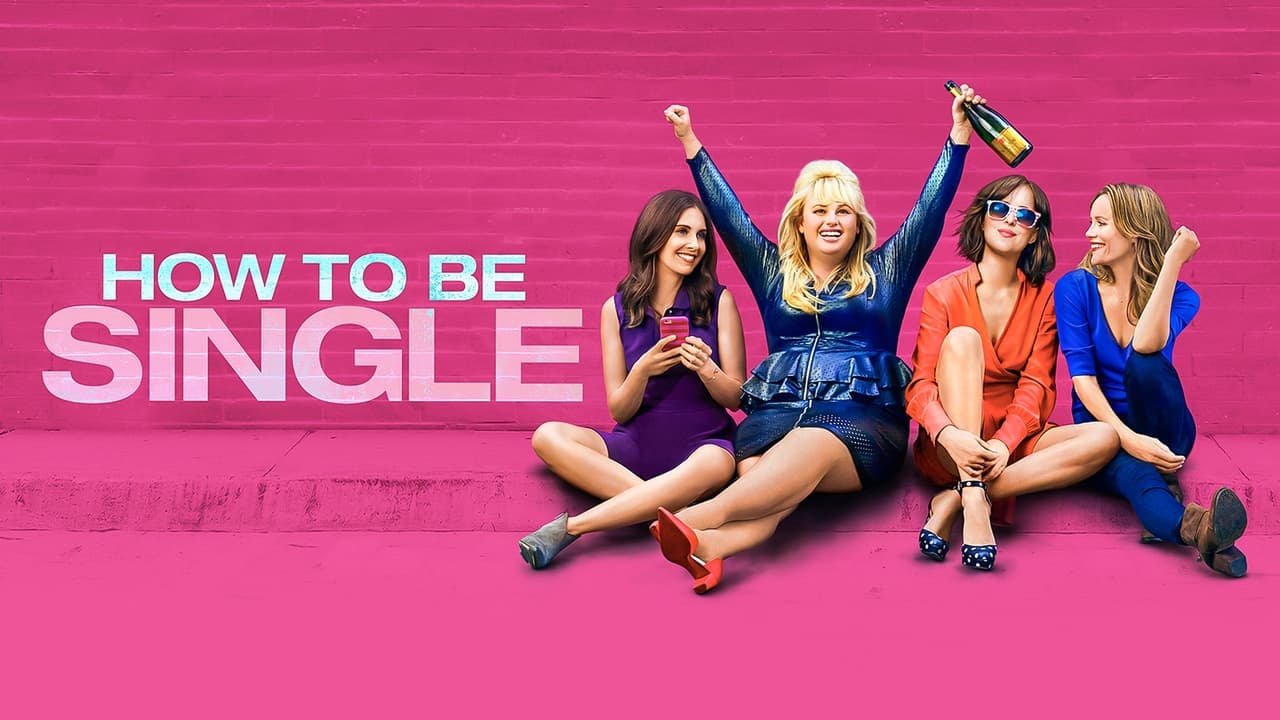
Released in 2016, right as the "dating app apocalypse" was reaching its first true peak, Christian Ditter’s ensemble comedy initially looks like it’s going to be another Sex and the City retread. We have the wide-eyed protagonist Alice (Dakota Johnson), her career-focused sister Meg (Leslie Mann), the party-girl mentor Robin (Rebel Wilson), and the marriage-obsessed Lucy (Alison Brie). But as the runtime ticks on, it reveals itself to be something much more interesting: a mid-2010s time capsule that’s less about finding "The One" and more about surviving the "The Many" while you figure out who "The You" is.
The Art of the "Break"
The film kicks off with Alice deciding to take a "break" from her long-term boyfriend to experience single life in New York. It’s a premise that usually leads to a third-act reunion, but Dakota Johnson—fresh off the suffocating intensity of Fifty Shades of Grey (2015)—brings a wonderful, stumbly vulnerability to the role. She’s great at physical comedy that isn't quite slapstick; she just looks like someone who hasn't quite figured out how her limbs work in a world without a partner to lean on.
Then there’s Rebel Wilson. Look, you either love her "high-decibel chaos" energy or you don’t, but in this specific context, she is the engine that keeps the movie from drifting into melodrama. She plays Robin as a human tornado fueled solely by tequila and bad decisions, providing the necessary contrast to Alice’s neuroticism. Their chemistry feels like that one friend we’ve all had—the one who is objectively a bad influence but somehow makes you feel like the most interesting person in the room.
Contemporary Dating vs. Cinematic Tradition
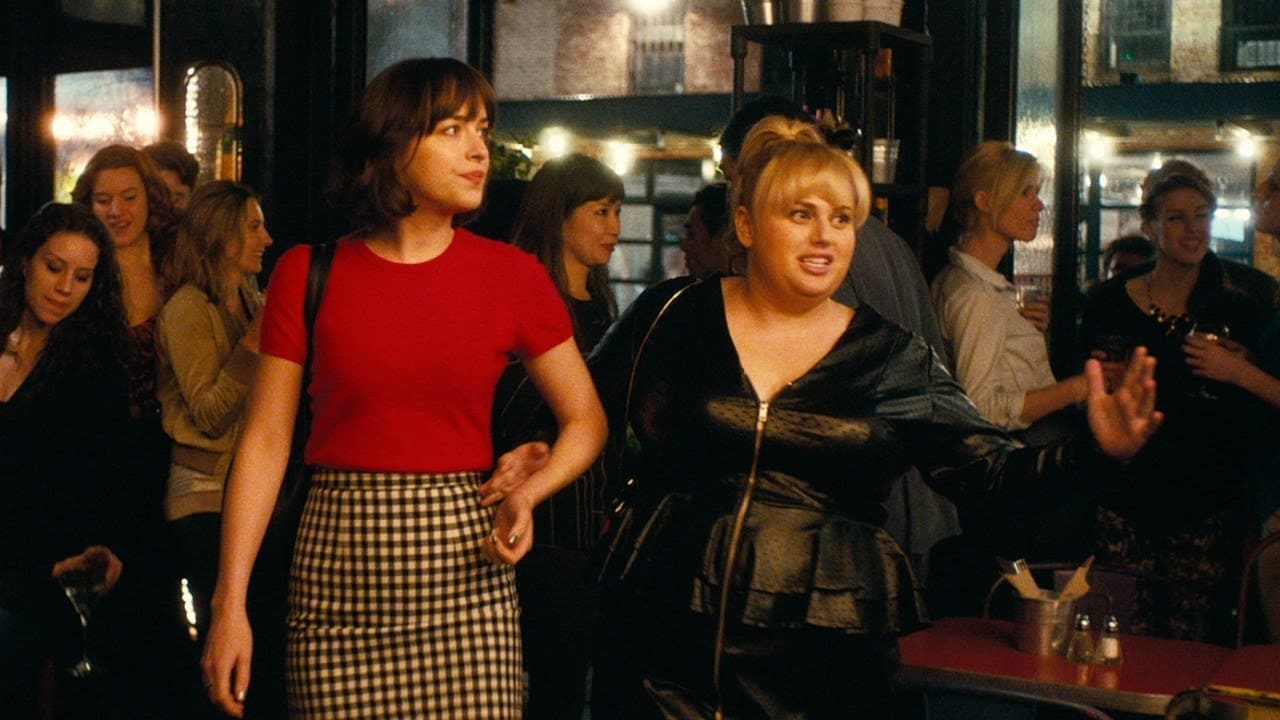
What I find fascinating about watching this now, nearly a decade later, is how it captures the transition from the traditional rom-com to the "self-care" era. The subplot featuring Alison Brie as Lucy is particularly poignant; she’s a woman who has turned dating into a data-science project, camping out in a bar owned by Tom (Anders Holm) to steal his Wi-Fi and hunt for the perfect algorithm-approved mate. Brie is a comedic powerhouse—her breakdown at a children’s reading hour is a highlight—but her story also reflects that 2016 anxiety that technology was supposed to make love easier, yet somehow made us all more miserable.
The film also gives a surprising amount of weight to Leslie Mann’s Meg. As an OBGYN who decides to have a baby on her own, her story touches on the shifting definitions of family that were becoming mainstream in the mid-2010s. Mann has this incredible ability to play high-strung characters who never lose their humanity, and her romance with a younger guy played by Jake Lacy is arguably the sweetest part of the film. It avoids the "cougar" clichés and treats their connection with genuine warmth.
Stuff You Might Not Have Noticed
If the movie feels a bit punchier than your average studio comedy, it’s likely because Rebel Wilson was basically given carte blanche to tear through the script. Apparently, Wilson ad-libbed about 80% of her dialogue, which explains why some of her rants feel so wonderfully unhinged and occasionally catch the other actors off-guard. You can actually see Dakota Johnson breaking character and laughing for real in a few scenes.
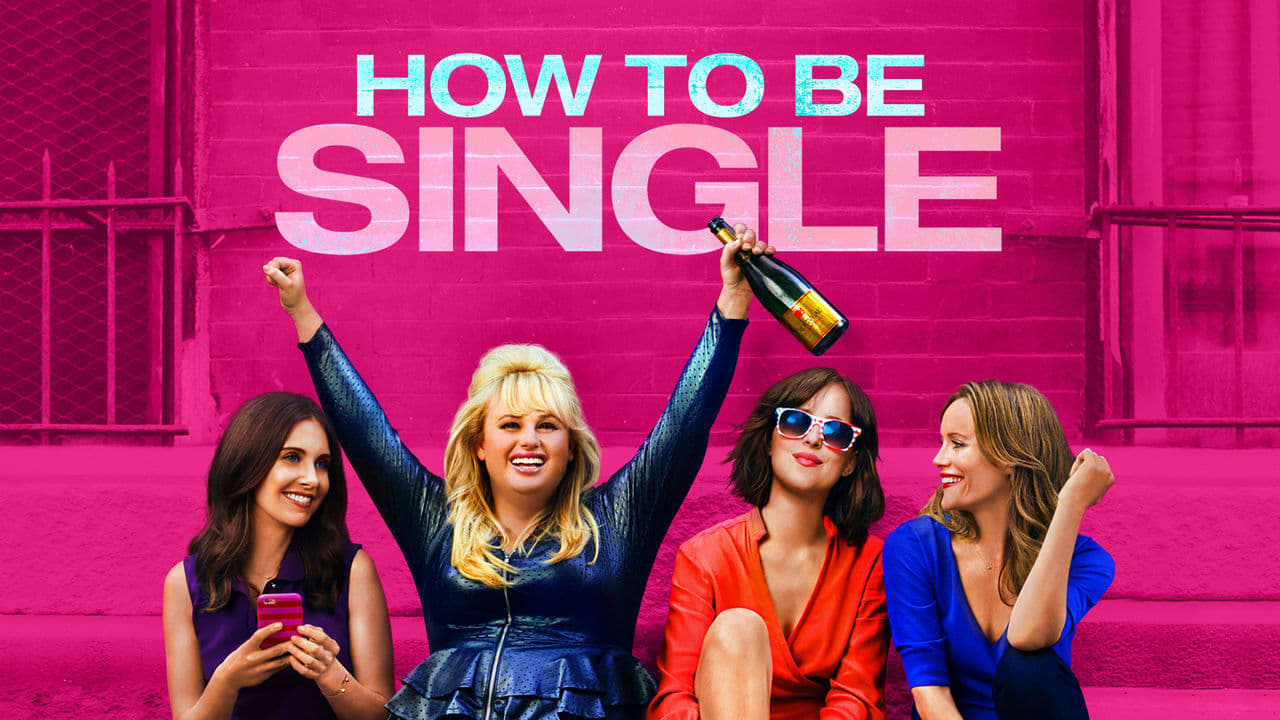
The film also benefits from a director with an outside perspective. Christian Ditter is German, and he brings a visual flair to NYC that feels a bit more vibrant and less "touristy" than usual. He and cinematographer Christian Rein (who also worked with Ditter on Love, Rosie) use a lot of roaming, handheld shots that capture the frantic pace of the city. Also, keep an eye out for Damon Wayans Jr.; his subplot as a grieving single father provides a necessary grounding element, even if it feels like it belongs in a slightly different movie.
Ultimately, How to Be Single succeeds because it refuses to tie everything up in a neat, matrimonial bow. It’s a movie that champions the "placeholder" moments of life—the nights where nothing happens but everything changes. It’s not a masterpiece of high cinema, but it’s a remarkably honest look at the messy, expensive, and hilarious reality of being unattached in a city that never stops asking "who are you seeing?" It turns out the answer is allowed to be "myself."
Even if I never finished that IKEA nightstand (it’s currently a very expensive shoe rack), I’m glad I spent the time with Alice and the gang. It’s a reminder that being alone isn't the same thing as being lonely, and sometimes the best party is the one you leave early so you can eat pizza in bed by yourself.
Keep Exploring...
-

I Feel Pretty
2018
-
Isn't It Romantic
2019
-

Aloha
2015
-
The DUFF
2015
-

Café Society
2016
-
Pride and Prejudice and Zombies
2016
-
When We First Met
2018
-

A Rainy Day in New York
2019
-

Long Shot
2019
-
Licorice Pizza
2021
-

Sleeping with Other People
2015
-

We Are Your Friends
2015
-

Youth
2015
-
Paterson
2016
-

Set It Up
2018
-
The Ballad of Buster Scruggs
2018
-
The Princess Switch
2018
-

The Perfect Date
2019
-

Holidate
2020
-
To All the Boys: P.S. I Still Love You
2020