Hunt for the Wilderpeople
"Getting lost is the only way to be found."
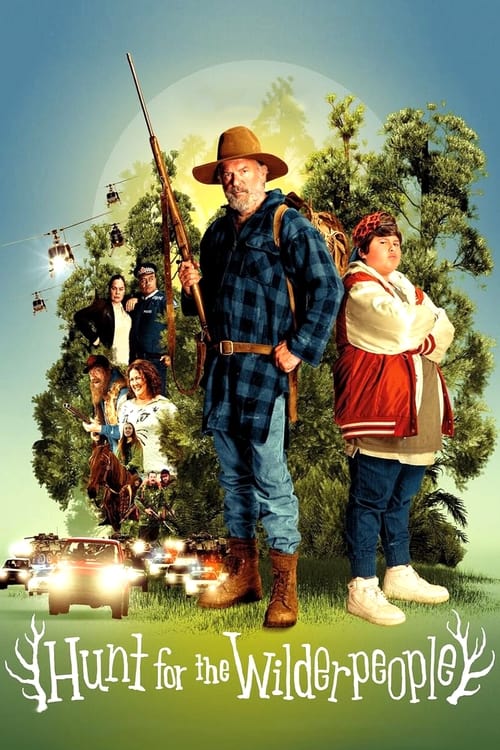
I distinctly remember watching Hunt for the Wilderpeople for the first time while eating a piece of sourdough toast that I’d accidentally scorched in the toaster. That bitter, slightly burnt crunch actually felt like the perfect sensory accompaniment to the film’s prickly start. It’s a movie that begins with the cold, damp reality of a New Zealand winter and ends by wrapping you in a metaphorical (and literal) oversized sweater.
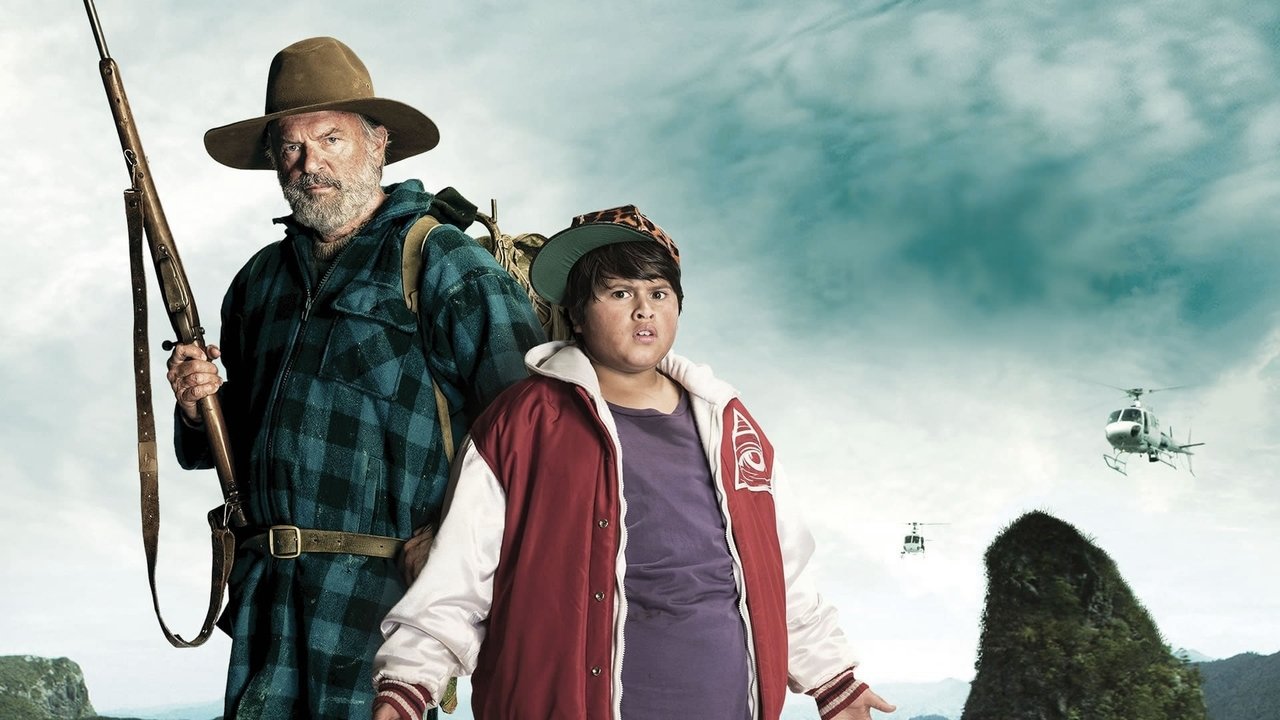
In the landscape of 2016, cinema was already beginning to feel the heavy weight of "The Franchise." We were deep into the "Phase Three" of the Marvel era, and the mid-budget original story was starting to look like an endangered species. Then came this scrap of a film from Aotearoa New Zealand, directed by a guy named Taika Waititi—who, at the time, was still mostly "that guy who made the vampire mockumentary." It was a reminder that you don’t need a $200 million caper to capture the world’s imagination; sometimes you just need a grumpy old man, a tubby kid, and a dog named Zag.
The Skux Life Chose Him
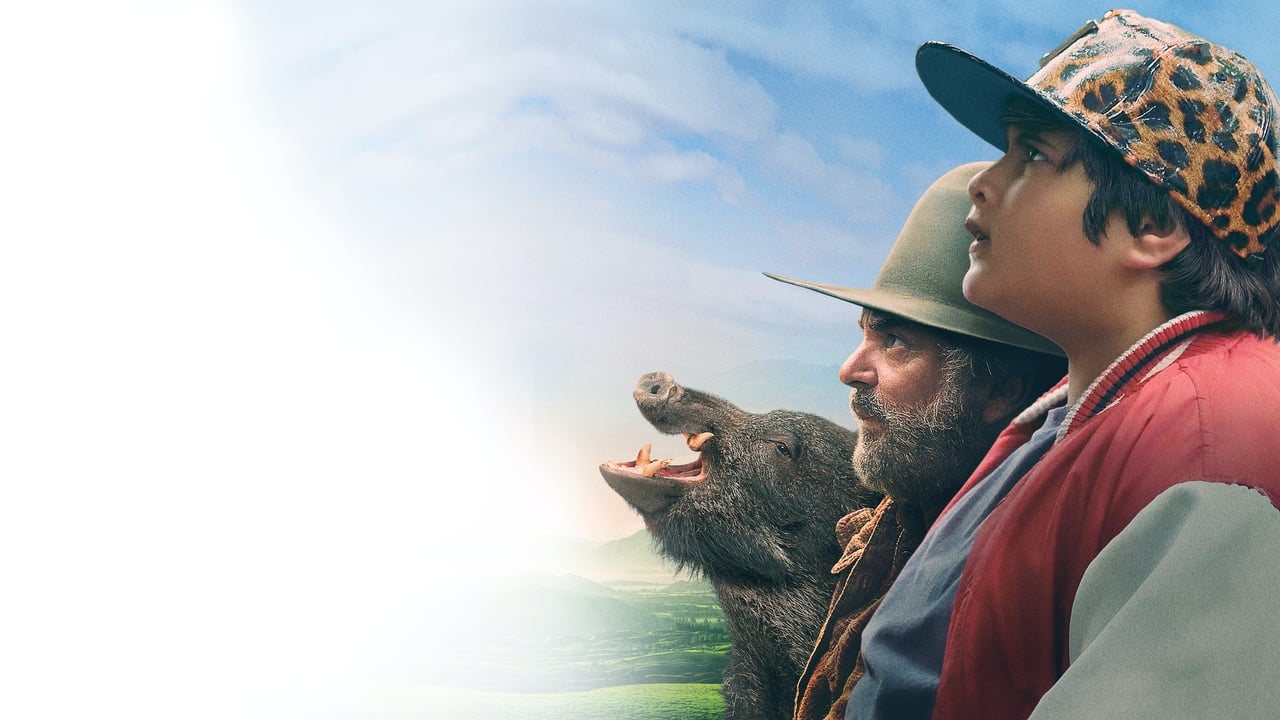
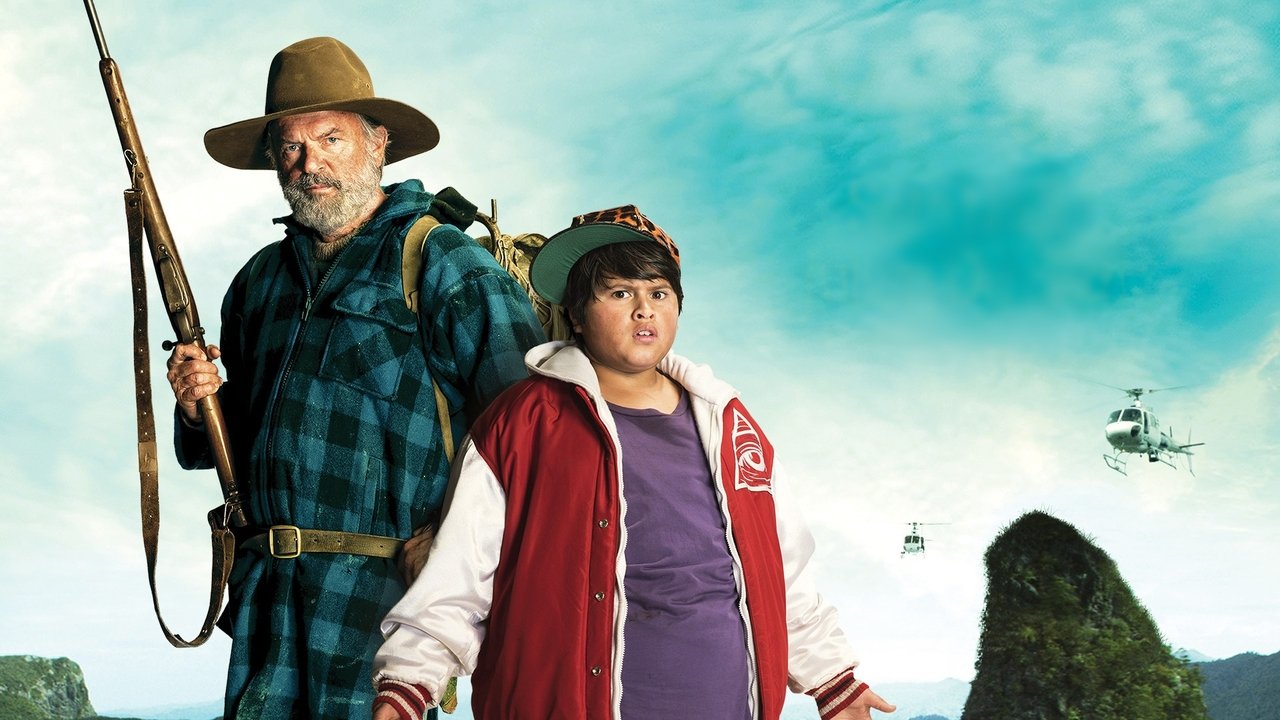
The heart of the film is Ricky Baker, played by Julian Dennison. I’ll go on record and say that most child actors are programmed to be "precocious," but Julian Dennison is just a glorious, walking chaos-muppet. He plays Ricky with a defiant, hip-hop-influenced swagger that masks a deep-seated fear of being "unwanted." Ricky is a foster kid—a "real bad egg"—who is dropped off at a remote farmhouse owned by the angelic Bella (Rima Te Wiata) and her silent, cantankerous husband, Hec (Sam Neill).
When tragedy strikes and the authorities threaten to take Ricky back into the "system," he fakes his own death (by burning down a barn in a hilariously incompetent fashion) and flees into the bush. Hec follows him, a broken ankle ensues, and suddenly these two are the subjects of a national manhunt led by a social worker who thinks she’s in a Michael Bay movie. Rachel House as the relentless Paula is a comedic force of nature; her deadpan delivery of "No child left behind" makes it sound like a threat from a Terminator.
Cinema of the Bush
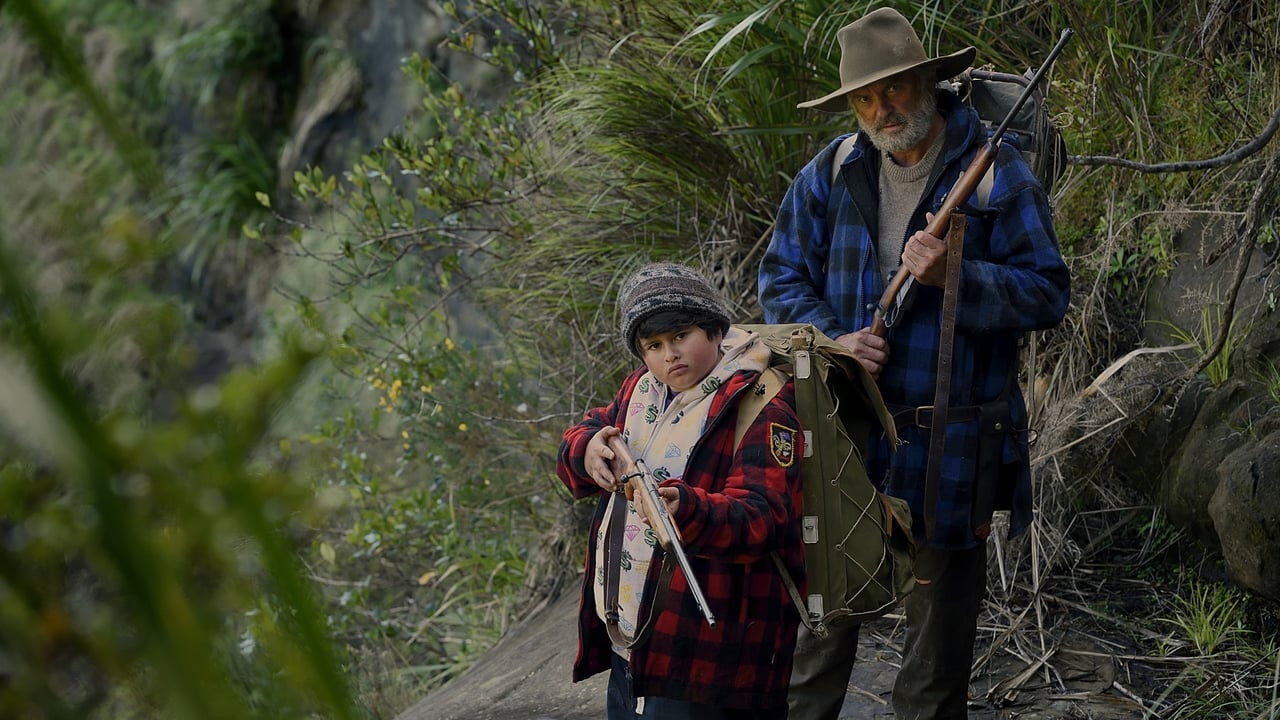
What makes this more than just a "mismatched pair" comedy is how Taika Waititi balances the absurdity with genuine, unearned-feeling pathos. The film is divided into chapters, giving it the feel of a storybook being read by a slightly eccentric uncle. It’s a drama that respects the silence of the woods as much as it loves a good haiku about maggoty bread.
The cinematography by Lachlan Milne is stunning without being "travel brochure" pretty. It captures the New Zealand bush as it really is: dense, green, intimidating, and perpetually damp. This wasn't a cozy studio shoot. In fact, the production was a true indie grind, shot in just 35 days across the central North Island and the Waitakere Ranges. The cast and crew frequently had to endure sub-zero temperatures and snow, which probably explains why Sam Neill looks so authentically miserable in the best possible way. Neill, who we all know as the suave hero of Jurassic Park, reminds us here that he’s a master of the "unlikable" character who you eventually want to hug, even if he’d probably punch you for trying.
Breaking the Indie Mold
As an indie gem, the film’s success is legendary in its home country, where it smashed box office records. It’s the quintessential example of how a limited budget ($2.5 million—roughly the cost of a single CGI explosion in a superhero flick) forces a director to rely on character and wit. It’s a "Contemporary" film that feels "Classic." It doesn't rely on digital trickery; it relies on the chemistry between a veteran actor and a newcomer who spent half the shoot trying not to laugh at Taika Waititi’s improvised lines during his cameo as a local minister.
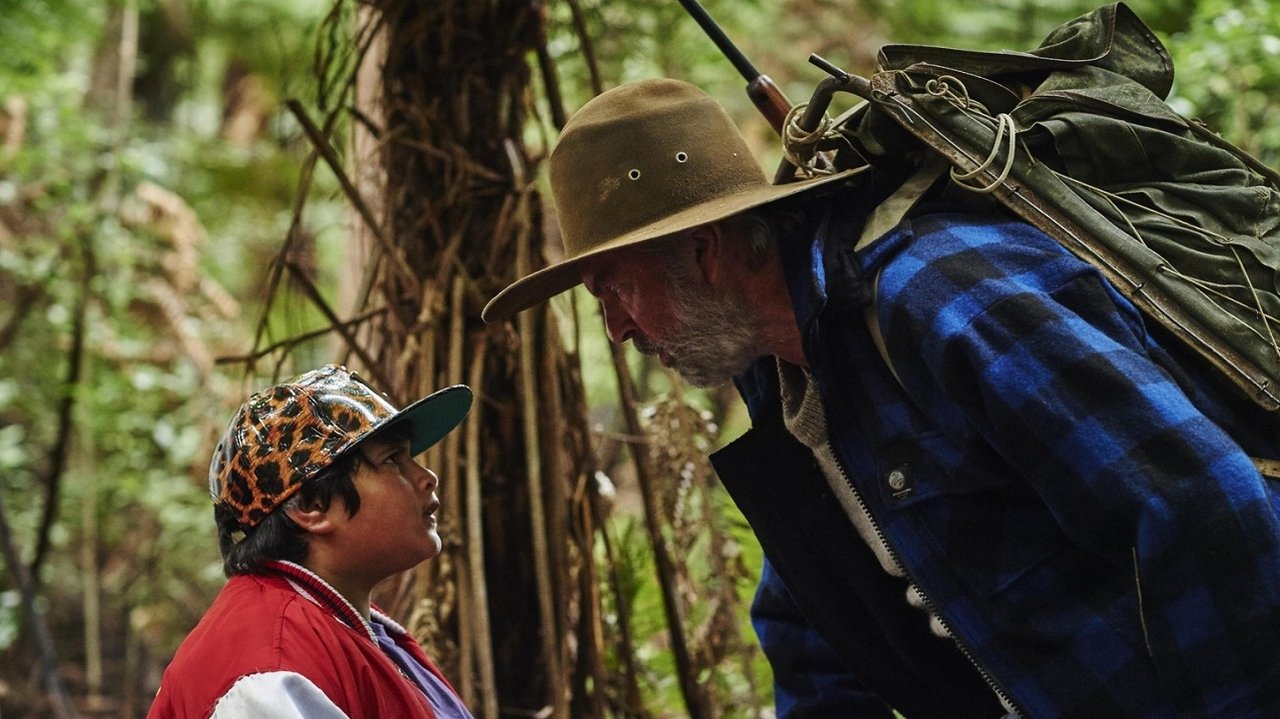
The 2016 context is vital here. This was the film that essentially handed Waititi the keys to the kingdom. If Hunt for the Wilderpeople hadn't been such a "majestical" success, we might never have seen his unique, weirdo energy infused into the larger cinematic universes. It proved that his brand of humor—dry, observational, and deeply Kiwi—had a universal heartbeat. It deals with grief, illiteracy, and the failings of the foster care system, yet it never feels like a "heavy" watch. It’s a film that trusts its audience to handle the gear shifts between a joke about Lord of the Rings and a scene of quiet, devastating mourning.
There’s a specific kind of joy in watching a film that knows exactly what it is. Hunt for the Wilderpeople doesn’t try to be an epic or a gritty survivalist drama; it’s a story about two people who were forgotten by the world finding each other in the middle of nowhere. It’s funny, it’s heartbreaking, and it features the best use of a Toyota Hilux in cinematic history. If you’ve ever felt like an outsider, or if you just really appreciate a well-timed haiku, this is the "gangster" life for you. Don't worry about the burnt toast; the movie is more than enough of a treat.
Keep Exploring...
-
Thor: Ragnarok
2017
-
Jojo Rabbit
2019
-
Swiss Army Man
2016
-
Inside Out
2015
-

Cars 3
2017
-
The Peanut Butter Falcon
2019
-
mid90s
2018
-
Moana
2016
-
Sing Street
2016
-

Justice League vs. Teen Titans
2016
-
A Dog's Purpose
2017
-
Jumanji: Welcome to the Jungle
2017
-
Deadpool 2
2018
-
Soul
2020
-
The Gold Rush
1925
-

Eddie the Eagle
2016
-

Eighth Grade
2018
-

The Farewell
2019
-
Anomalisa
2015
-
Dope
2015