Hush
"The louder the silence, the harder you scream."
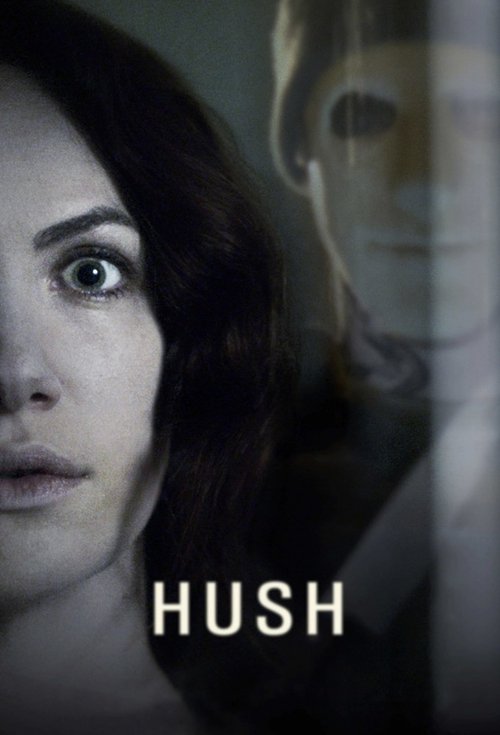
Imagine being so accustomed to total silence that a brutal murder could happen ten feet behind you, separated only by a pane of glass, and you’d never even notice the spray of blood. That is the harrowing opening gambit of Hush, a film that takes the well-worn "cabin in the woods" trope and strips it of its most basic survival tool: hearing. I watched this for the first time on a Tuesday night while wearing exactly one fuzzy sock—the other having been swallowed by the dryer—and the literal cold feet I developed from the drafty floor felt entirely appropriate for the chill this movie sent down my spine.
The Architect of Modern Dread
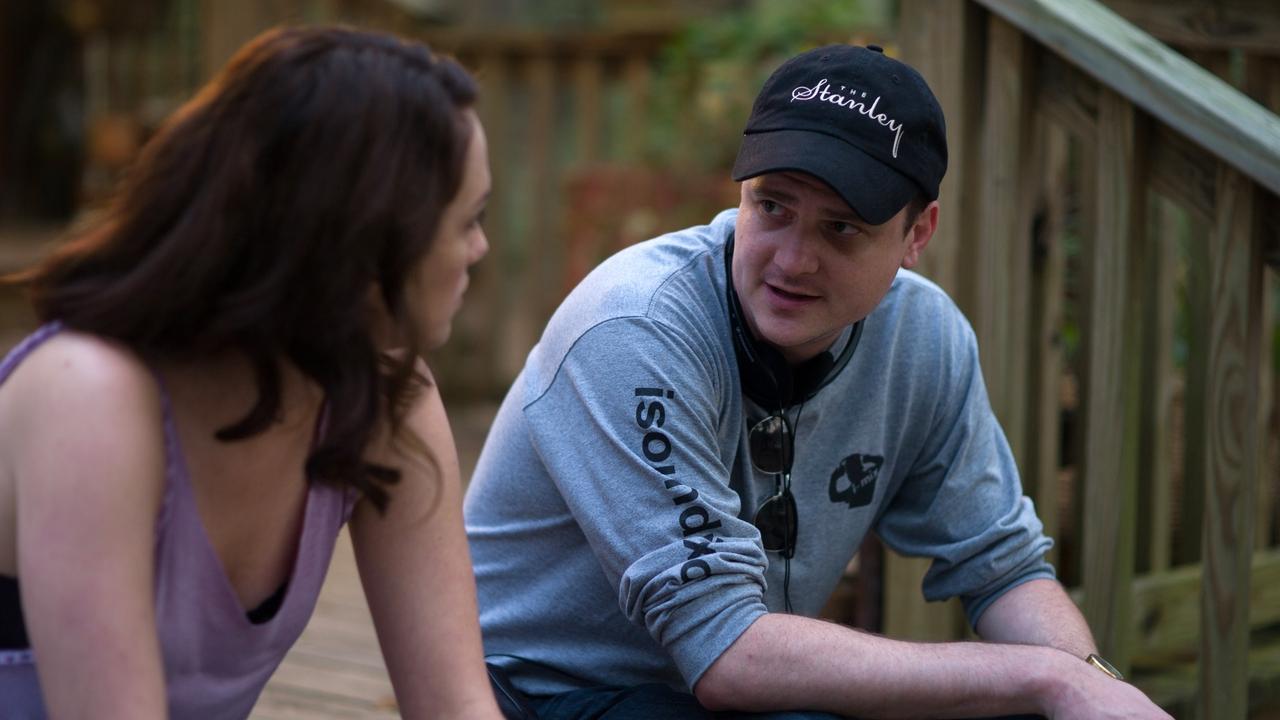
Before Mike Flanagan became the undisputed king of Netflix horror with The Haunting of Hill House and Midnight Mass, he was a guy with a million dollars and a really clever idea. Co-written with his wife and lead actress, Kate Siegel, Hush arrived in 2016 as a quiet revolution in the slasher genre. It didn't land in theaters with a massive marketing push; instead, it dropped on Netflix after a buzzy SXSW premiere, becoming one of the first true "streaming era" horror hits.
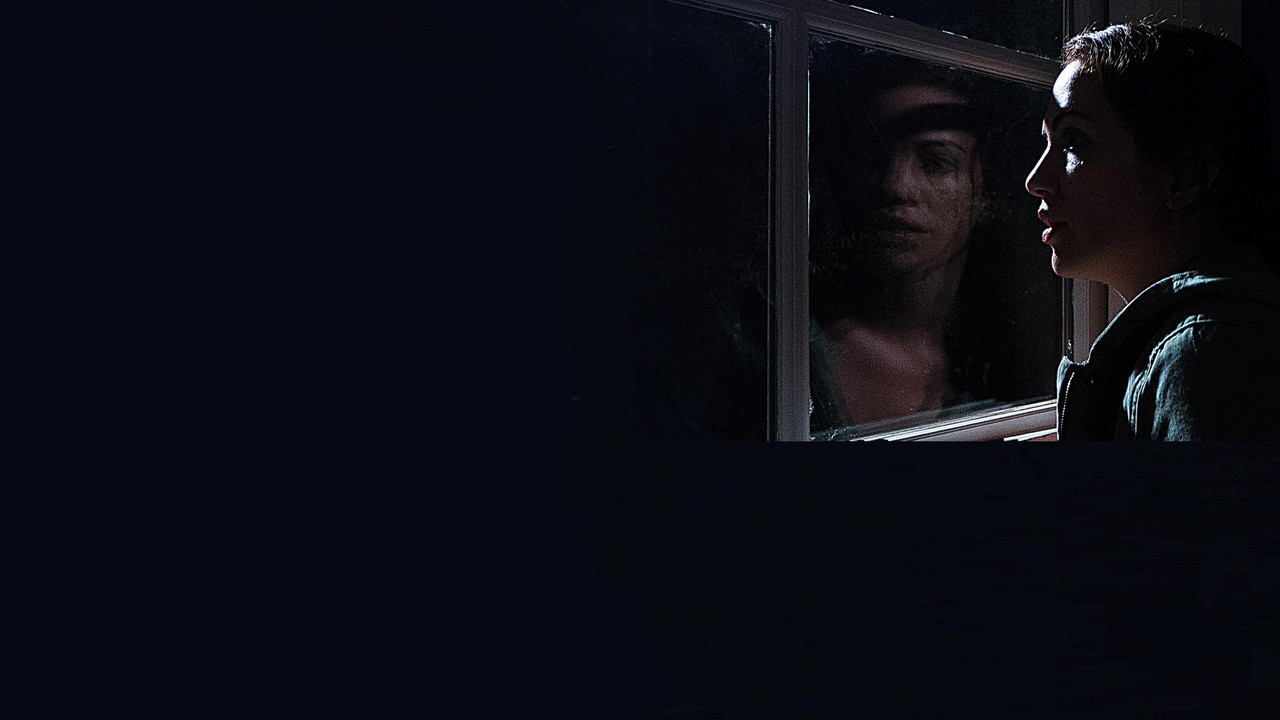
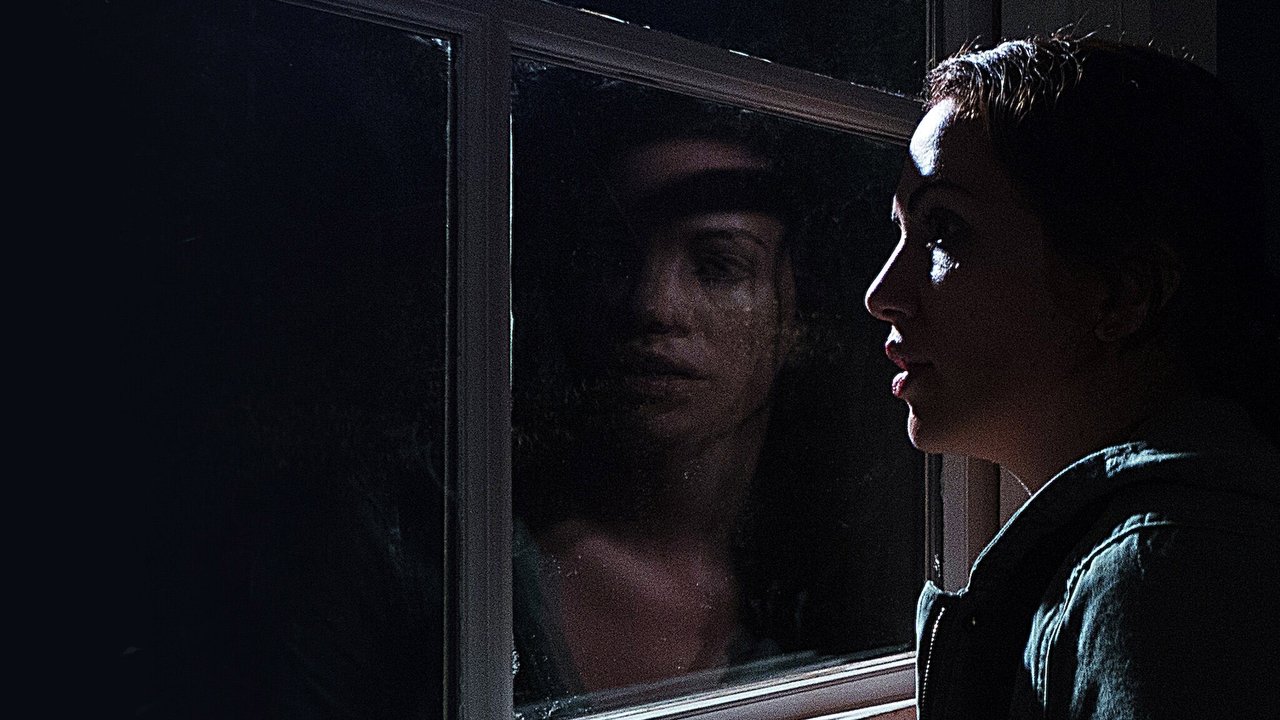
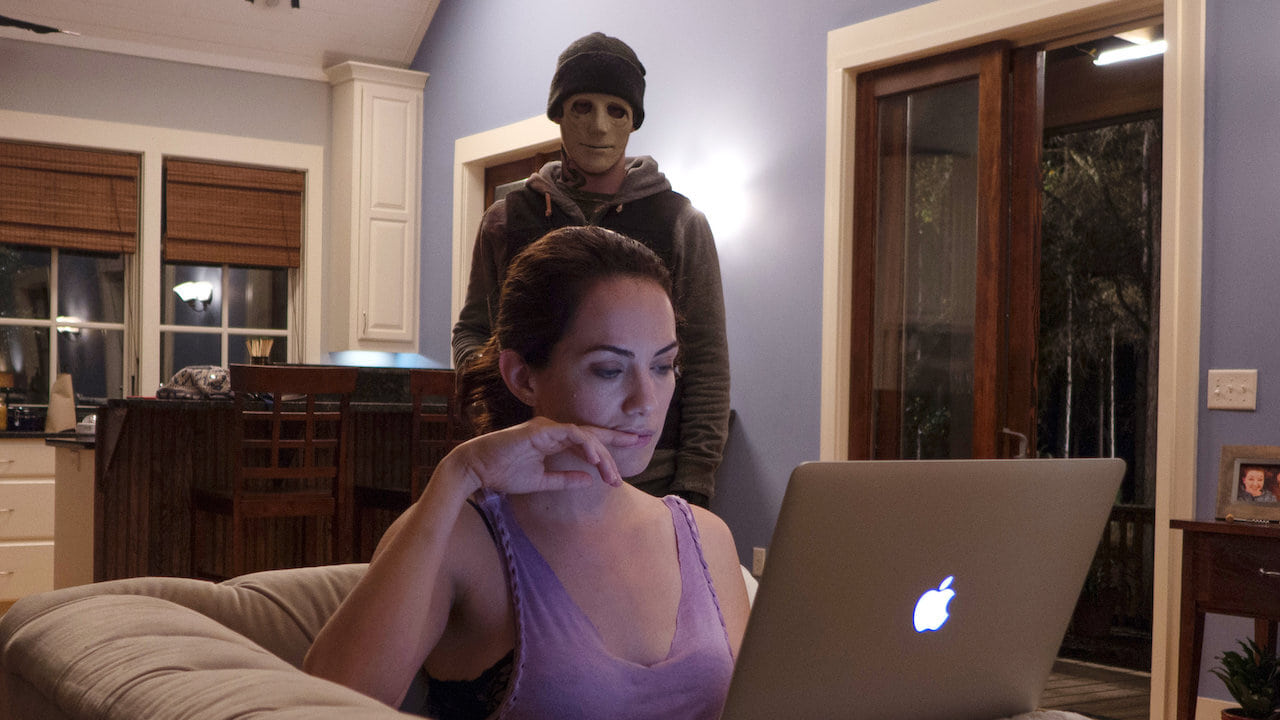
In an age where horror often relies on "elevated" metaphors or CG-heavy jumpscares, Hush feels refreshingly tactile. Kate Siegel plays Maddie, a deaf-mute author living a solitary life in the woods to finish her novel. When a masked killer, played with chillingly casual cruelty by John Gallagher Jr., appears at her window, the film transforms into a high-stakes chess match. Because Maddie can’t hear him, the killer realizes he doesn't have to be a ghost in the night; he can be a taunting, visible presence, turning her disability into his playground.
Breaking the Slasher Mold
The brilliance of the script lies in how it respects Maddie’s intelligence. Often in these movies, you’re yelling at the screen because the protagonist is doing something moronic. Here, Maddie is an author who "sees" multiple endings to her stories, a trait Mike Flanagan uses to visualize her survival strategies. We see her play out scenarios in her head—if I run for the car, I die here; if I go for the roof, I die there. It’s a brilliant way to externalize a character's internal monologue without a single word of dialogue.
Then there’s the killer. John Gallagher Jr., usually the lovable indie darling, is a revelation here. He’s not a supernatural force like Michael Myers, nor is he a quippy meta-villain like Ghostface. He’s just a bored, pathetic psychopath with a crossbow. Slashers work best when the killer isn't a teleporting god, but just a guy who is slightly faster and stronger than you. The fact that he removes his mask early on is a bold choice—it strips away the mystery and replaces it with the cold reality of a human face that simply doesn't care if you live or die.
A Masterclass in Low-Budget Ingenuity
From a production standpoint, Hush is a miracle of constraints. With a budget of just $1 million and a shooting schedule of only 18 days, the team had to get creative. They shot in Alabama, standing in for the snowy woods, and used the limited geography of the house to create a sense of claustrophobia despite the wide-open forest outside. The sound design is the secret MVP here. The film frequently dips into "Maddie-vision," where the audio drops out completely or becomes a muffled, low-frequency hum. It forces you to rely on your eyes, making every shadow in the corner of the frame feel like a threat.
It’s also worth noting the supporting turns by Michael Trucco and Samantha Sloyan. They aren't just fodder; their presence serves to establish the stakes and the isolation. Samantha Sloyan, who would later become a Flanagan staple, delivers a brief but haunting performance that sets the tone for the entire night. The film doesn't waste time on bloated backstories or unnecessary lore. It’s 82 minutes of pure, distilled tension. Honestly, most modern horror movies are about twenty minutes too long, but Hush is as lean as a hunted deer.
Why It Matters Now
In the current landscape of horror, where we’re often bogged down by "trauma as a plot point" or complex franchise mythology, Hush stands as a reminder that a simple premise executed with precision is unbeatable. It’s a foundational text for what would become the "Flanagan Style"—deeply empathetic characters caught in terrifyingly clockwork-like scenarios.
Watching it today, you can see the seeds of the massive success the director would later find. It’s also a landmark for representation in the genre; while Kate Siegel isn't deaf in real life, she studied ASL extensively and worked with consultants to ensure the portrayal felt grounded rather than gimmicky. Maddie isn't a victim because she’s deaf; she’s a survivor who uses her unique way of processing the world to outthink a monster.
Hush is the kind of movie I recommend to people who say they don't like horror. It’s less about the gore—though there are a few "ouch" moments involving some fingers and a sliding glass door—and more about the thrill of the hunt. It’s a lean, mean, 82-minute exercise in how to build a better mousetrap. By the time the credits roll, you'll be checking the locks on your own doors, even if you don't live in the middle of the woods. Just make sure you're wearing both socks.
Keep Exploring...
-
Gerald's Game
2017
-
Before I Wake
2016
-
Ouija: Origin of Evil
2016
-
Doctor Sleep
2019
-
Circle
2015
-
The Invitation
2016
-
The Endless
2017
-

Terrifier
2018
-
Unsane
2018
-
Run
2020
-

Revenge
2018
-
I See You
2019
-
Vivarium
2019
-
Possessor
2020
-
Barbarian
2022
-
Pearl
2022
-
Terrifier 2
2022
-
X
2022
-
Subservience
2024
-
Terrifier 3
2024