I, Daniel Blake
"Dignity isn't a digital download."
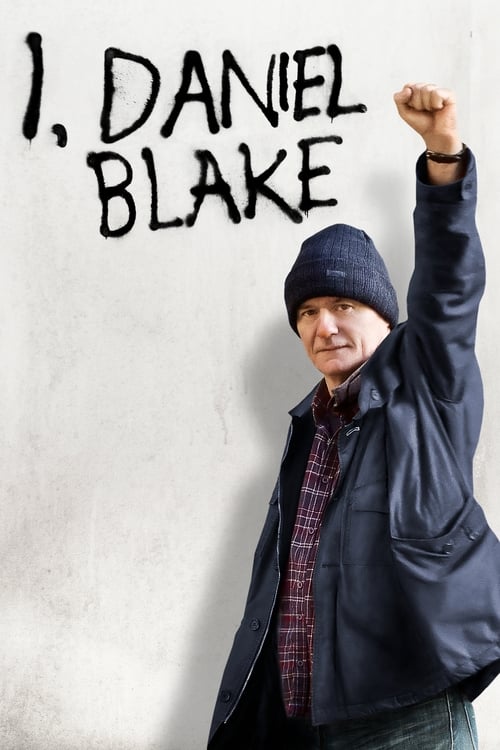
The most terrifying sound in modern cinema isn’t a chainsaw or a jump-scare screech; it’s the rhythmic, soul-crushing click of a computer mouse being handled by someone who has never touched one before. I watched I, Daniel Blake while sitting in a coffee shop where the person next to me was loudly complaining that their artisanal oat milk latte was "only lukewarm," and the juxtaposition nearly made me vibrate out of my seat. We live in an age of seamless interfaces and instant gratification, yet Ken Loach’s 2016 masterpiece reminds us that for a significant portion of the population, the "digital-first" revolution is actually a digital fence designed to keep the "surplus" people out.
The Man Behind the Pencil
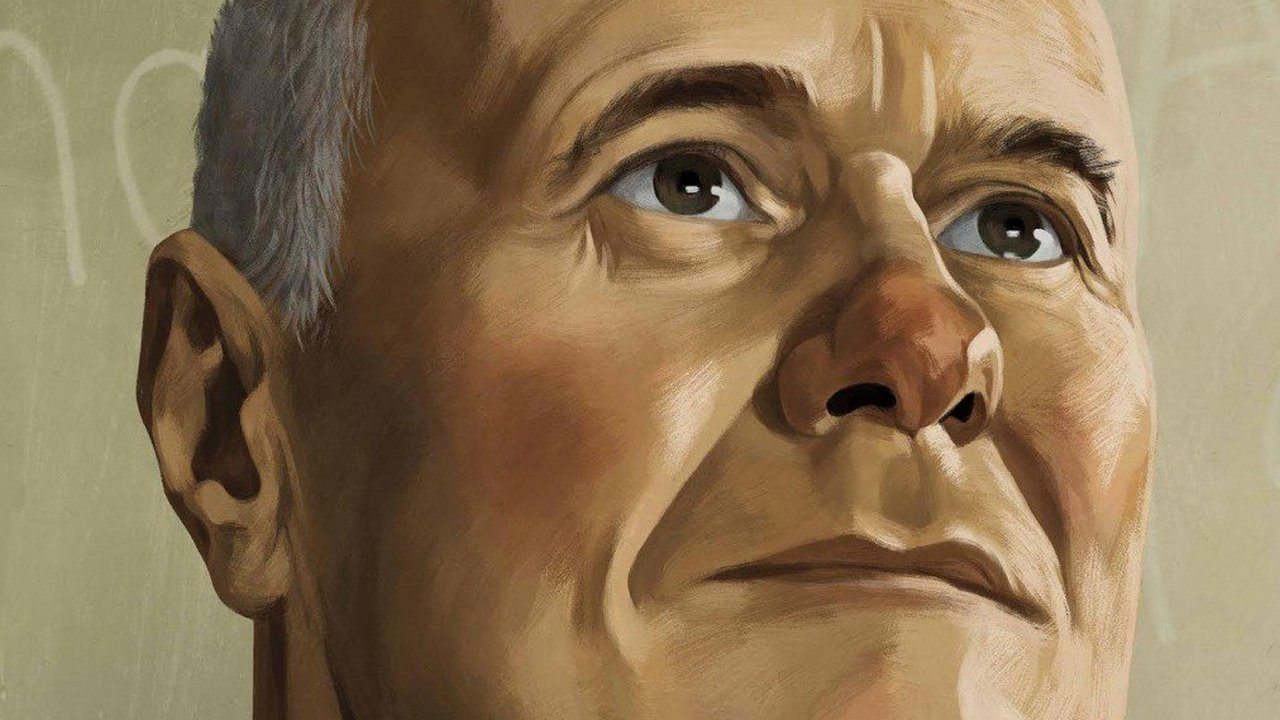
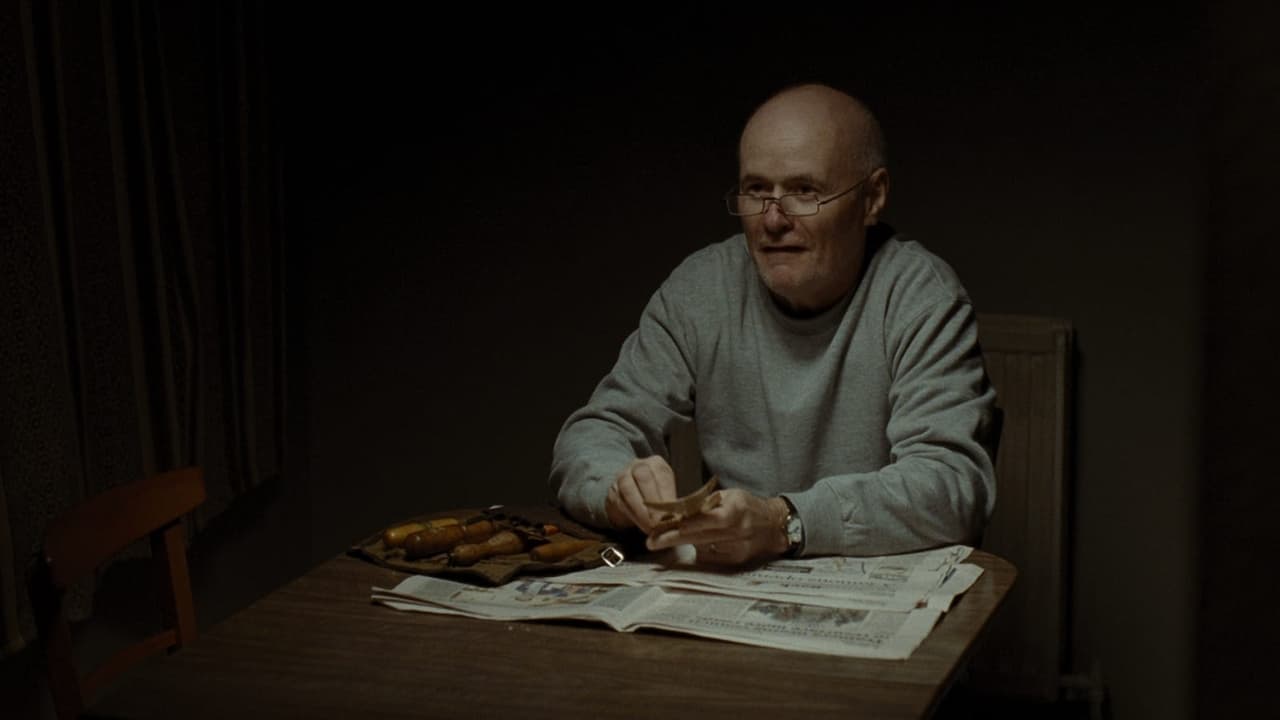
At the center of this storm is Daniel Blake, played with an aching, weary grace by Dave Johns. Dan is a widowed carpenter in Newcastle who has spent his life building things with his hands—tangible, sturdy things. After a major heart attack, his doctor tells him his heart is "like a piece of wet cardboard" and he absolutely cannot work. But the state, represented by a shadowy outsourcing firm, disagrees. Following a "Work Capability Assessment" that feels more like a Kafkaesque interrogation than a medical exam, Dan is found fit for work.
What follows is a descent into a bureaucratic inferno. To get help, he must apply online. To apply online, he needs "digital skills" he doesn’t possess. When he tries to use a computer at the library, the cursor drifts aimlessly across the screen like a dying fly. Dave Johns, who was primarily known as a stand-up comedian before this role, brings a sharp, gallows-humored wit to Dan that makes his eventual breakdown even harder to swallow. He isn't a saint or a caricature of the "poor"; he’s just a man who expects the world to make as much sense as a well-joined piece of timber.
A Community of the Dispossessed
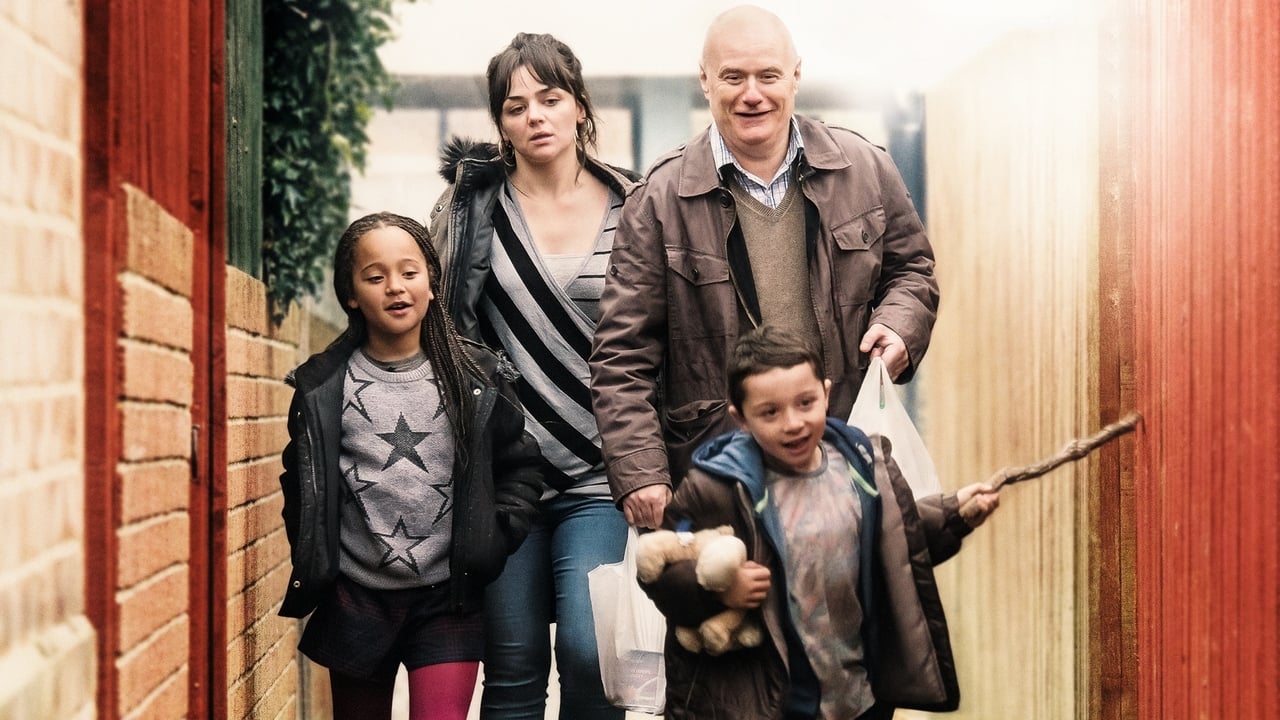
While navigating this maze, Dan meets Katie (Hayley Squires), a single mother who has been "relocated" from London to a bleak flat in Newcastle because there’s simply nowhere else for her to go. The bond that forms between them isn't romantic; it’s something far more vital. It’s the recognition of shared humanity in a system that views them as line items on a spreadsheet.
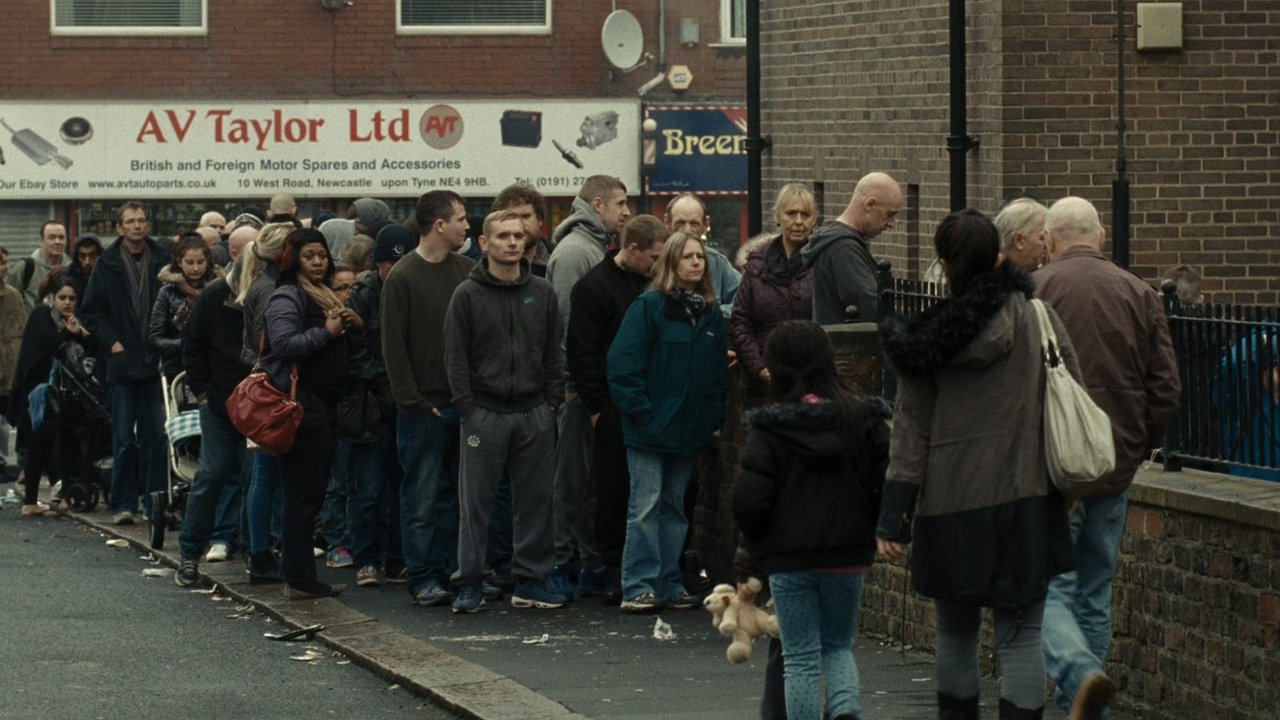
Hayley Squires delivers one of the most haunting performances of the last decade. There is a scene in a food bank—filmed with actual volunteers and users of the facility to maintain authenticity—that I still can’t think about without a lump in my throat. It isn’t "misery porn," a label often unfairly tossed at Ken Loach movies. Instead, it’s a clinical, quiet observation of what happens when hunger overrides pride. The film argues that the ultimate cruelty of poverty isn't the lack of money, but the systematic stripping of one's agency.
The Philosophy of the "Client"
Loach and his long-time screenwriter Paul Laverty (who also penned the excellent The Wind That Shakes the Barley) aren't just making a political point here; they are asking a deep philosophical question about the social contract. In our contemporary era of "user experiences" and "client interfaces," we’ve replaced the citizen with the consumer. If you can’t consume, or if you can’t navigate the interface, do you still exist in the eyes of the state?
The film is shot by Robbie Ryan with a flat, unadorned realism that refuses to let the viewer escape into "pretty" cinematography. There are no soaring scores or clever editing tricks. It feels like you are standing in the room, smelling the damp on the walls and hearing the ticking of the clock. This lack of artifice is a deliberate choice; Ken Loach wants you to look at Daniel not as a character, but as your neighbor.
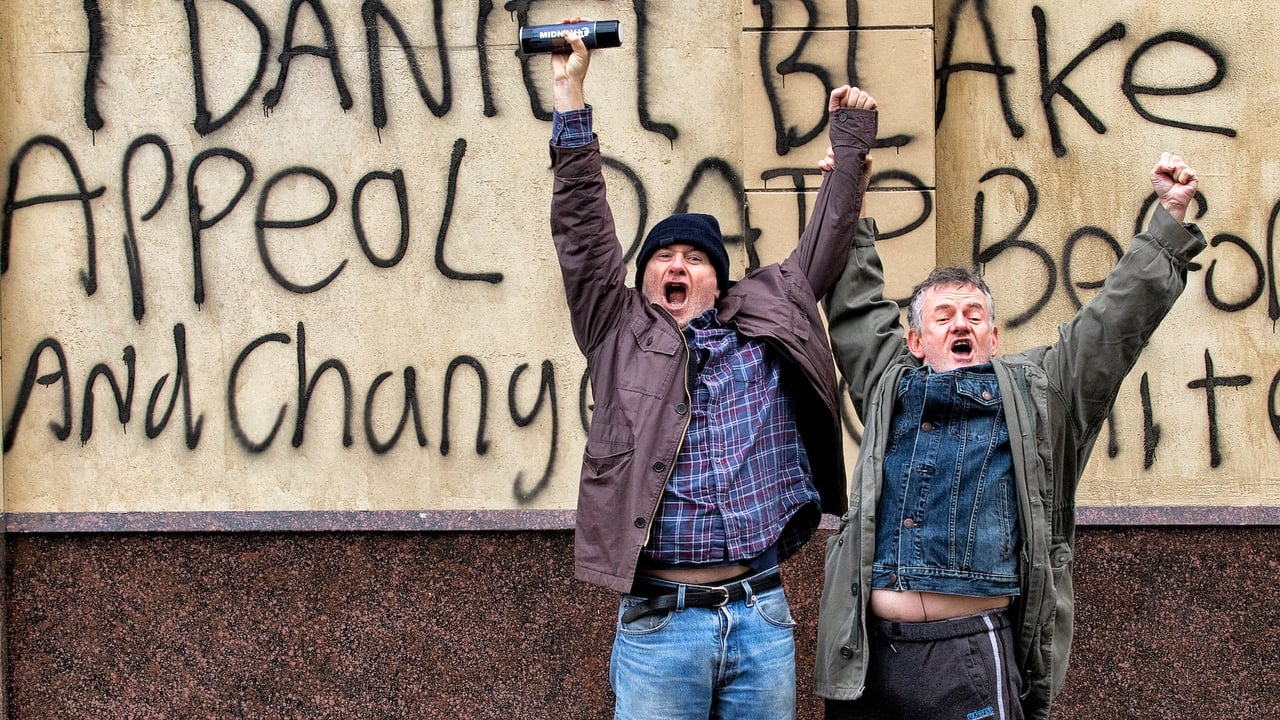
Interestingly, Dave Johns actually had to learn how to use a computer in real life just to understand how a novice would struggle with the mouse, a bit of "method" acting that feels hilariously grounded compared to actors losing 50 pounds to play a hermit. It’s that groundedness that makes the film’s climax—a simple act of graffiti—feel like a revolutionary war cry.
Why This "Small" Film Matters Now
In an era of $200 million franchise sequels that occupy every screen in the multiplex, I, Daniel Blake has become a bit of a "forgotten" gem, tucked away in the "Social Drama" subfolders of streaming services. But it is perhaps the most essential film of the 2010s. It captures the exact moment when the Western world’s safety nets were replaced with automated trapdoors.
It’s a film that demands empathy in a time when social media encourages us to view everyone as an avatar or an adversary. It’s a quiet movie that screams. While the box office numbers might seem modest compared to an Avengers flick, the impact this film had on British political discourse was massive, sparking real-world debates in Parliament and forcing a temporary mirror up to the face of the DWP.
I, Daniel Blake is a tough sit, but it’s a necessary one. It’s a film that manages to be both deeply cerebral in its critique of modern governance and overwhelmingly emotional in its depiction of human kindness. It reminds us that at the end of every "user journey" is a person with a name, a history, and a heart that might be as fragile as wet cardboard. Watch it, then go buy someone a coffee—and maybe help them with their Wi-Fi.
Keep Exploring...
-
A Street Cat Named Bob
2016
-

God's Own Country
2017
-
A Man Called Ove
2015
-
Bāhubali: The Beginning
2015
-
The Boy and the Beast
2015
-
Italian Race
2016
-

A Taxi Driver
2017
-
BPM (Beats per Minute)
2017
-

I Want to Eat Your Pancreas
2018
-
On My Skin
2018
-
The Boy Who Harnessed the Wind
2019
-
The Specials
2019
-

A Whisker Away
2020
-

Clouds
2020
-
If Anything Happens I Love You
2020
-

The Banker
2020
-

Evangelion: 3.0+1.0 Thrice Upon a Time
2021
-
Palmer
2021
-

The Fallout
2021
-
The Hand of God
2021