Ice Age: Collision Course
"Scrat goes where no squirrel has gone before."
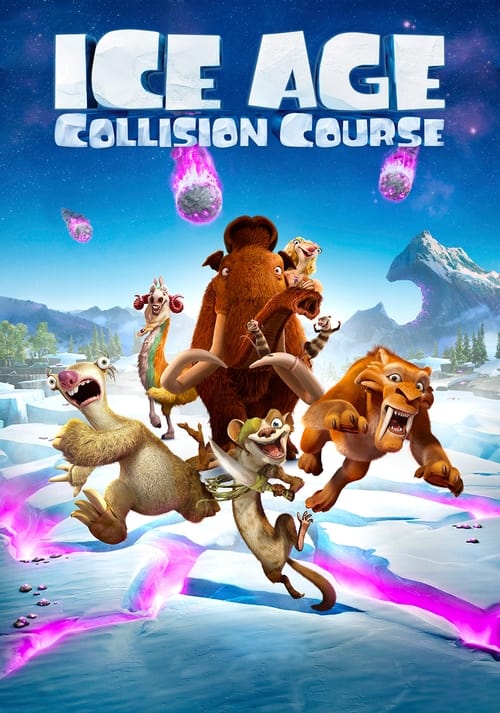
By the time a film franchise reaches its fifth installment, the writers usually have two choices: go gritty and dark, or go absolutely, certifiably insane. Ice Age: Collision Course chooses the latter, then doubles down by launching a saber-toothed squirrel into orbit. It’s the ultimate "jump the shark" moment, except the shark has been replaced by a massive asteroid and the jumper is a prehistoric rodent in a flying saucer. I watched this while nursing a particularly aggressive case of brain-freeze from a blue raspberry Slurpee, and honestly, the neon colors on screen felt like they were vibrating in sync with my headache.
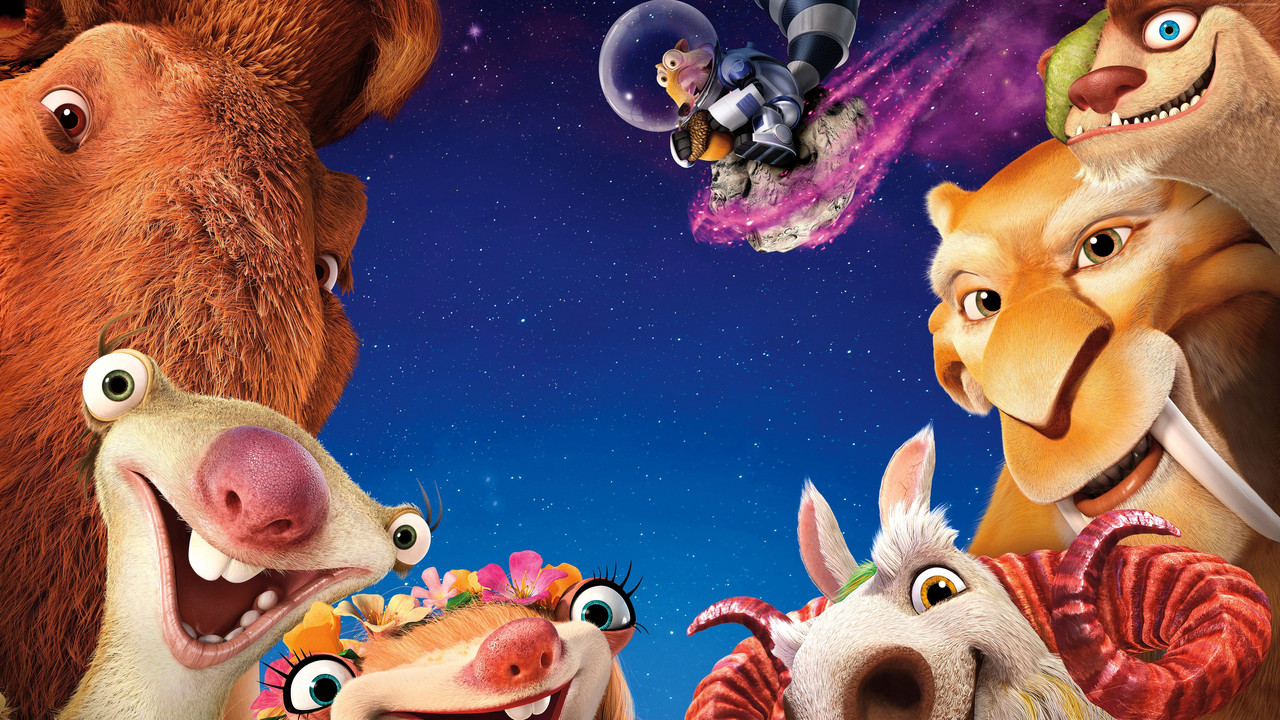
Scrat’s Final Frontier
The film kicks off with Scrat, the franchise’s silent MVP, accidentally discovering a buried UFO. Before you can say "scientific implausibility," he’s in space, knocking planets around like billiard balls and creating the solar system as we know it. This is the "Science Fiction" part of the genre label, though it’s used here as a playground for Looney Tunes-style physics rather than anything resembling Interstellar.
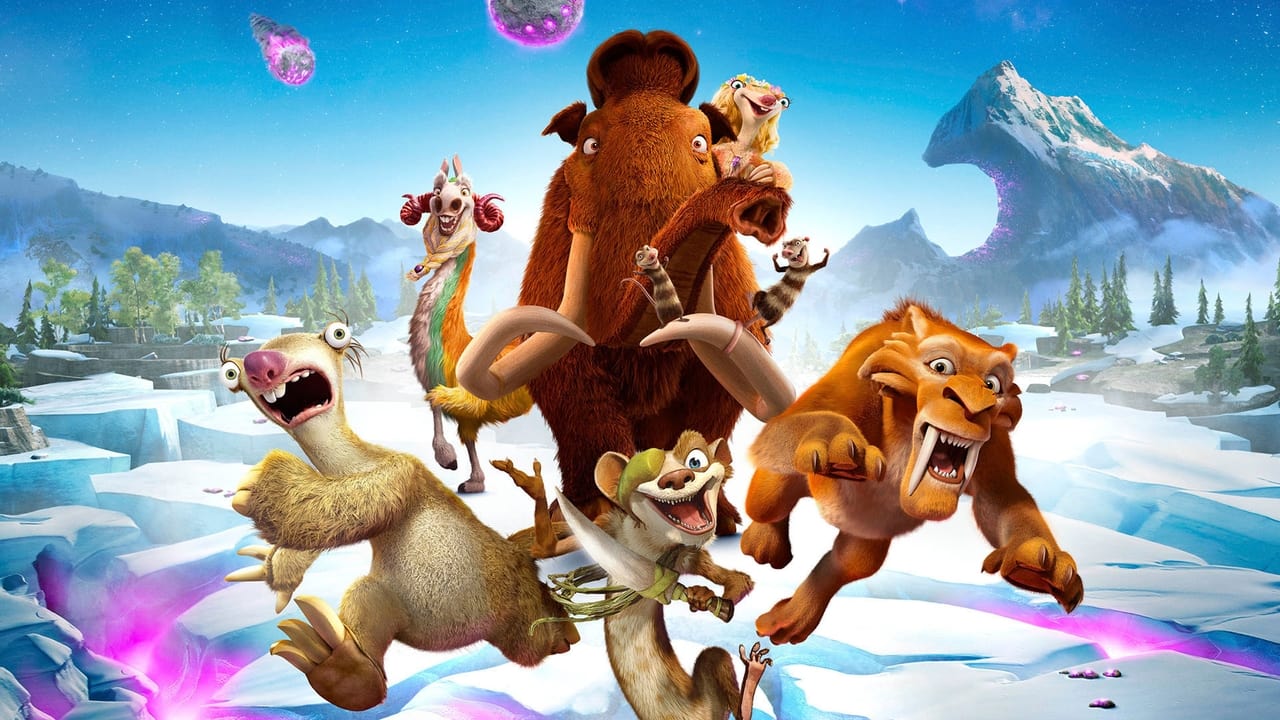
What’s fascinating about this era of animation—specifically 2016—is how incredibly polished the tech had become. Blue Sky Studios (rest in peace) really pushed the rendering of Scrat’s fur and the cosmic nebulae. The visual realization of space is gorgeous, all purples and deep oranges, even if the "logic" driving the plot is basically a toddler’s fever dream after staring at a NASA poster for too long. The speculative element here isn't about what could happen; it's about what the animators could get away with. Using an asteroid as a ticking clock is a classic trope, but here it serves as an excuse for the herd to visit "Geotopia," a world inside a crystal meteorite where everyone stays young forever. It’s bizarre, psychedelic, and surprisingly creative for a series that started with a simple walk to return a human baby.
A Crowd of Familiar Voices
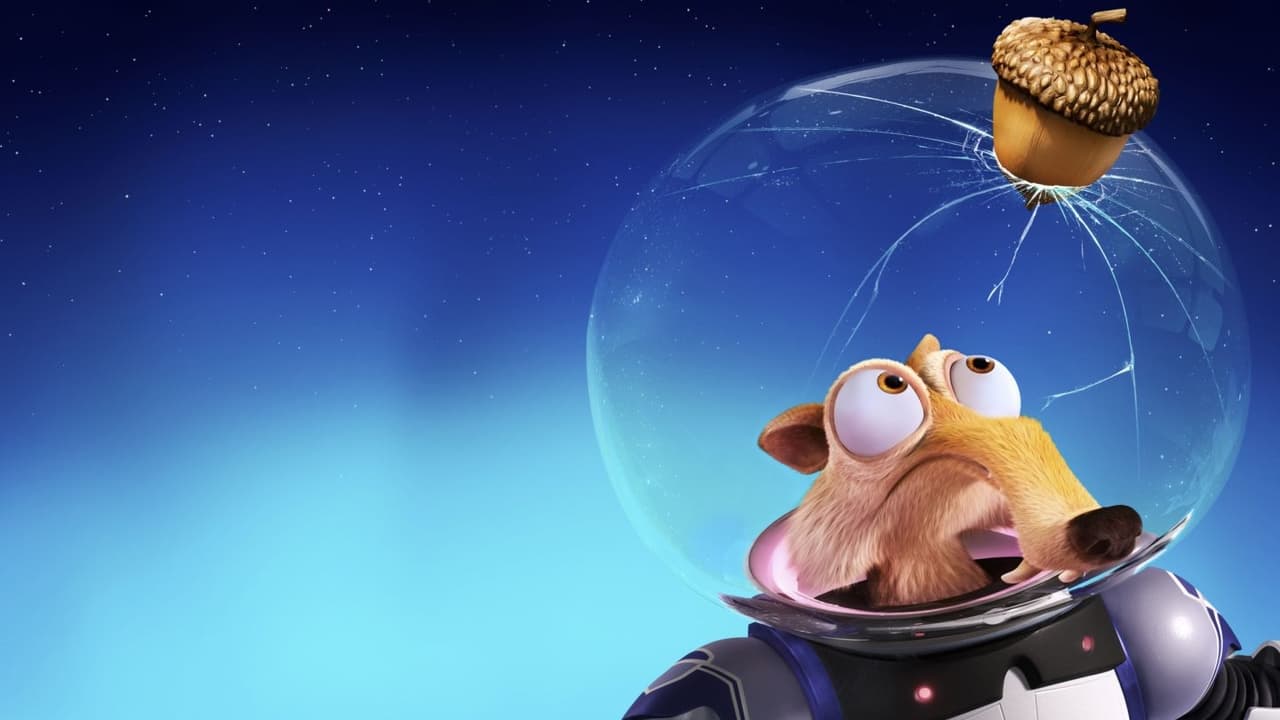
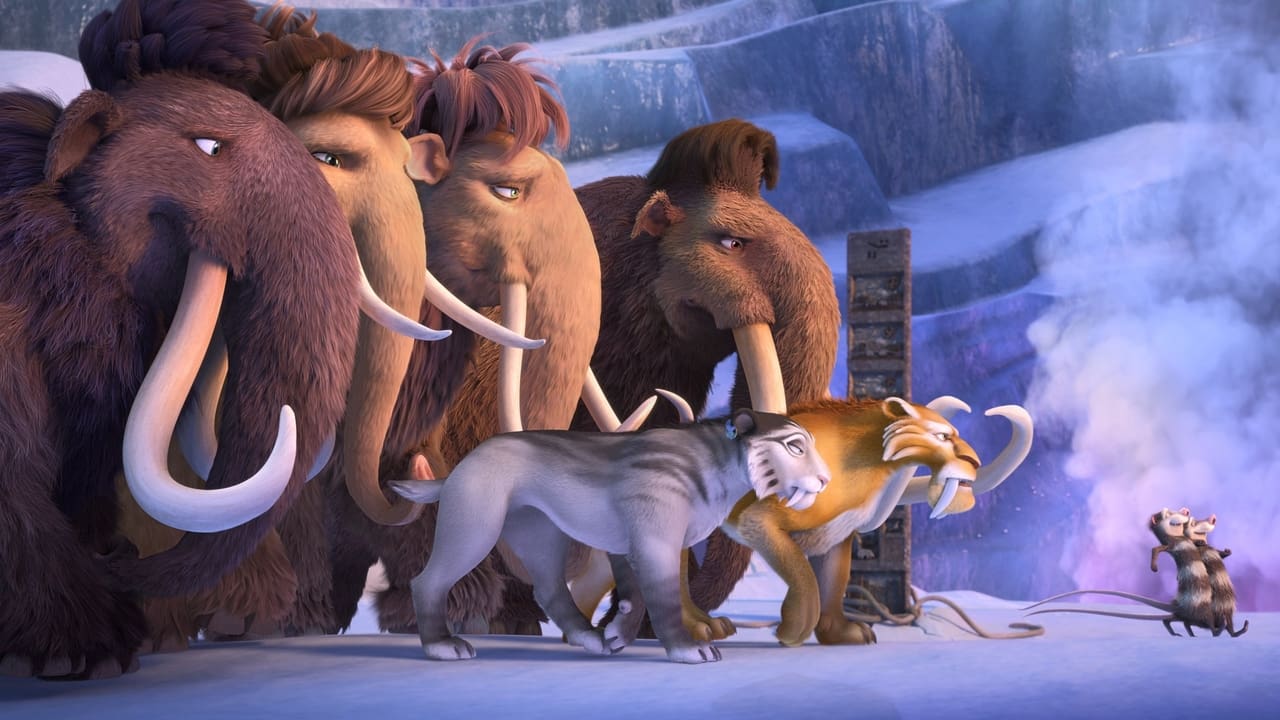
The problem with a fifth movie isn't usually the animation; it’s the bloat. By now, the "herd" has grown into a small village. We have Ray Romano's Manny dealing with his daughter Peaches' upcoming marriage, Queen Latifah's Ellie being the voice of reason, and the usual suspects like John Leguizamo (Sid) and Denis Leary (Diego) tagging along. It’s a lot of characters to juggle, and the film struggles to give everyone a meaningful arc.
In the contemporary context of 2016, we were right in the thick of "franchise fatigue." Audiences were beginning to ask if we really needed a fifth Ice Age or a fourth Kung Fu Panda. The film tries to combat this by leaning into the absurdity. The addition of Adam DeVine as Julian (the fiancé) and Jesse Tyler Ferguson as a yoga-loving llama named the Shangri Llama (yes, really) shows the film’s commitment to being as "current" and wacky as possible. Watching Manny deal with a millennial-coded son-in-law while a literal extinction-level event looms is like watching a sitcom recorded during the apocalypse. It’s jarring, but John Leguizamo still manages to squeeze some genuine laughs out of Sid’s desperate search for love, even if the jokes about "online dating" feel a bit dated in a world without Wi-Fi.
The $400 Million Meteorite
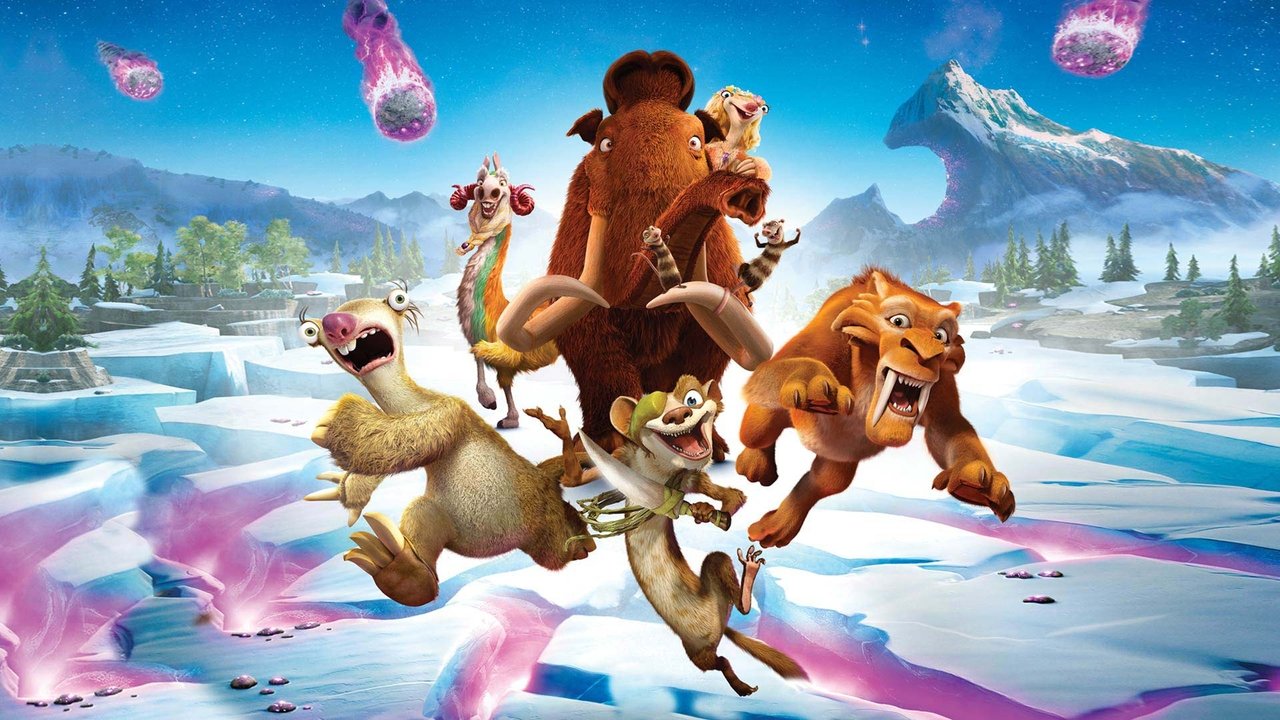
One thing you can’t argue with is the box office. Despite being panned by critics who were clearly exhausted by the prehistoric puns, Collision Course raked in over $400 million globally. This speaks to the massive power of the Ice Age brand in the mid-2010s. It was a "theatrical must" for families, even if the creative spark was flickering. Interestingly, this film features a cameo by real-world astrophysicist Neil deGrasse Tyson as "Neil deBuck Weasel," a figment of Buck’s imagination. It’s a very 2016 move—incorporating a "science celebrity" to wink at the adults in the room who are questioning how a squirrel is generating gravity in a vacuum.
The production was a massive undertaking, involving hundreds of artists at Blue Sky’s Greenwich, Connecticut headquarters. They utilized their proprietary CGI studio software to create the Geotopia sequences, which are genuinely some of the most vibrant environments in modern animation. It’s bittersweet to look back on now, knowing that Blue Sky would eventually be shuttered after the Disney-Fox merger. While Collision Course isn't their artistic peak (that’s arguably The Peanuts Movie or the original Ice Age), it represents a studio that knew how to deliver a massive, colorful spectacle that kept the lights on.
Ultimately, Ice Age: Collision Course is a film that exists because the previous four made a billion dollars, not because there was a burning story left to tell. It’s loud, it’s fast, and it’s colorful enough to keep a room full of six-year-olds silent for 90 minutes. If you’re a fan of the Scrat shorts, his segments here are essentially a high-budget standalone movie that’s much better than the main plot. It’s not a "classic," but as a piece of franchise history, it’s a fascinating look at what happens when a series decides to stop making sense and start having a blast. It’s the cinematic equivalent of a sugar rush—fun for a moment, but you’ll probably forget the plot before the credits finish rolling.
Keep Exploring...
-
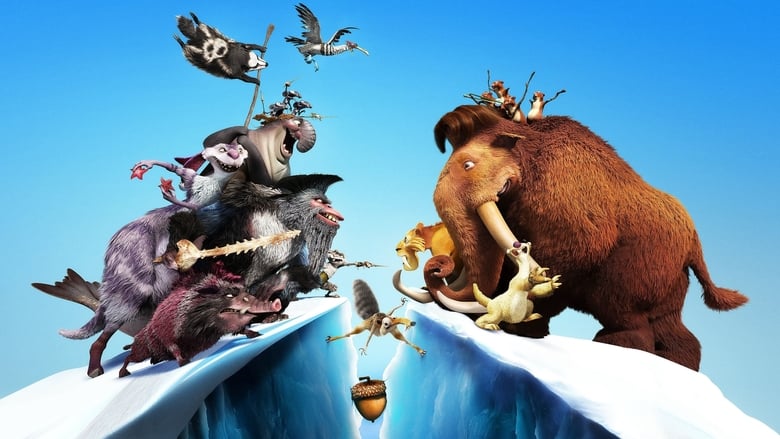
Ice Age: Continental Drift
2012
-

Ice Age: Dawn of the Dinosaurs
2009
-

Ice Age: The Meltdown
2006
-

Ice Age
2002
-
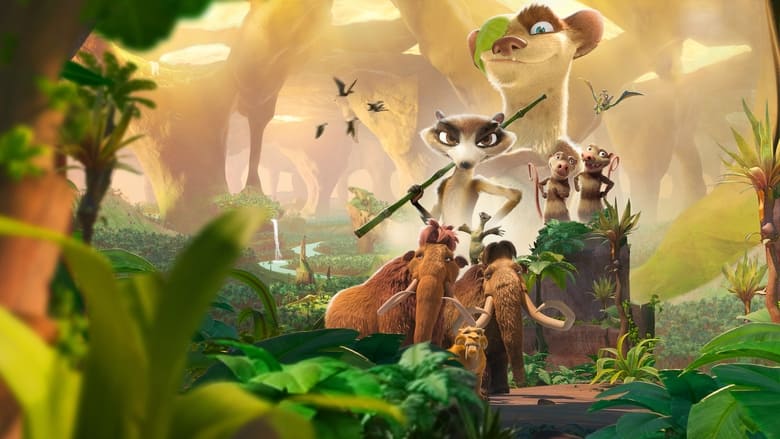
The Ice Age Adventures of Buck Wild
2022
-
Space Jam: A New Legacy
2021
-
Minions
2015
-
The Angry Birds Movie
2016
-
Despicable Me 3
2017
-
Smurfs: The Lost Village
2017
-
The Secret Life of Pets 2
2019
-
Despicable Me 4
2024
-
Kung Fu Panda 4
2024
-

The Garfield Movie
2024
-
Rio 2
2014
-
Alvin and the Chipmunks: The Road Chip
2015
-
The SpongeBob Movie: Sponge Out of Water
2015
-
Finding Dory
2016
-
Kung Fu Panda 3
2016
-
The Secret Life of Pets
2016