Imperium
"The most dangerous enemies look just like us."
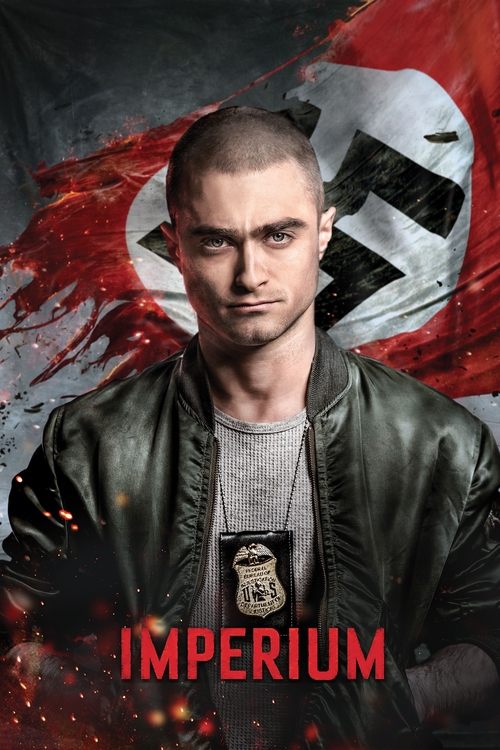
There is a specific, jarring brand of silence that occurs when you watch the kid who played Harry Potter shave his head with a pair of rusty-looking clippers and join a group of Neo-Nazis. It’s the sound of a childhood icon being systematically dismantled. When Imperium slipped into a handful of theaters in late 2016, most of the world was distracted by a real-life political circus that felt stranger than fiction. Consequently, this taut, brainy thriller from Daniel Ragussis was largely ignored at the box office, relegated to the "hidden gem" category of streaming queues before it even had a chance to breathe.

I watched this while sitting on a floor pillow because I’d just moved and hadn't bought a couch yet, which felt appropriately "undercover" and uncomfortable. It’s that kind of movie—the kind that makes you want to check the locks on your doors and maybe look at your neighbors a little more closely at the next neighborhood BBQ.
Beyond the Boy Who Lived
The narrative weight falls entirely on Daniel Radcliffe, who plays Nate Foster, an FBI analyst who is more comfortable behind a desk than a pistol. Foster is a classic "intellectual" protagonist—he’s empathetic, socially awkward, and observant. These are the exact traits his supervisor, Angela Zampino (played with a fantastic, gum-chewing, "seen-it-all" cynicism by Toni Collette), decides make him the perfect candidate to infiltrate a radical white supremacist group.
What makes Radcliffe's performance so compelling is how he weaponizes his own physical vulnerability. He isn't a hulking action hero; Radcliffe manages to look like a terrified baby bird in a wolf’s den, and that vulnerability is exactly what keeps the tension high. You aren't watching to see him beat people up; you’re watching to see if he can talk his way out of a room before someone realizes he’s a fed. His chemistry with Toni Collette—who was also brilliant in Knives Out (2019) and Hereditary (2018)—is the anchor of the film. She represents the cold reality of the system, while he represents the idealism that is slowly being eroded by the toxicity of his mission.
The Monster in the Cul-de-Sac
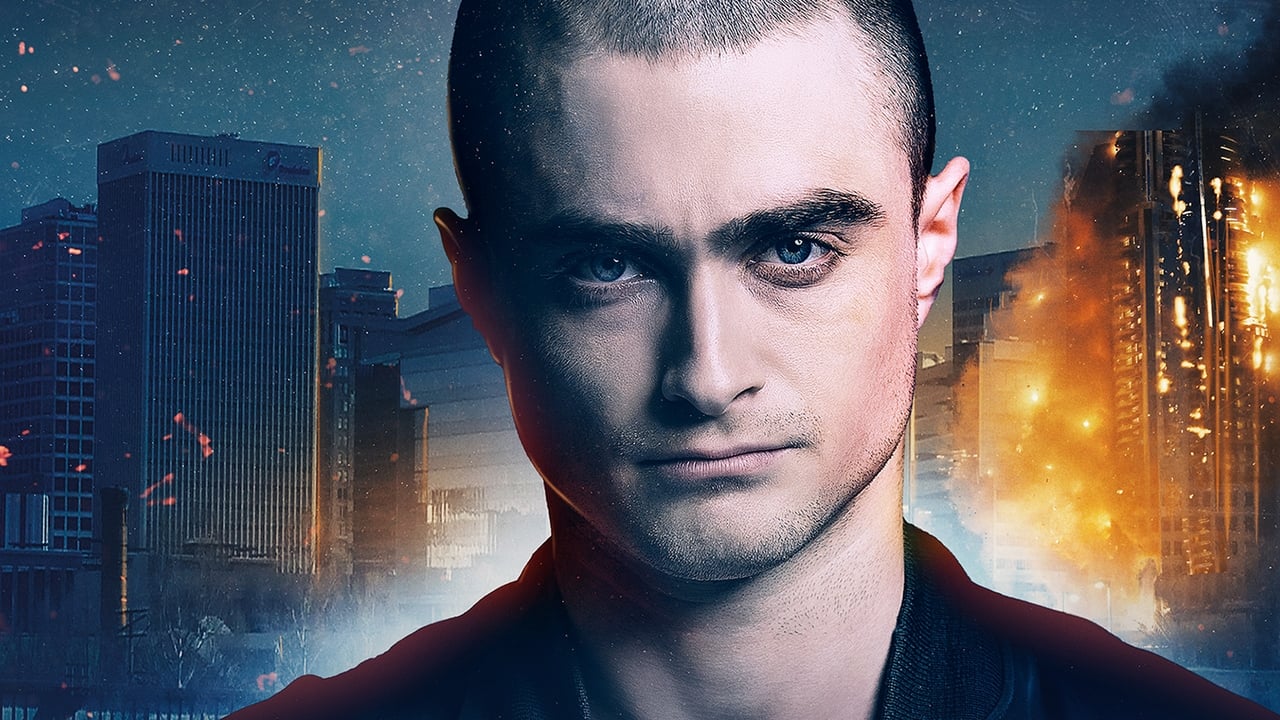
Most films about extremist groups lean into the "boots and braces" stereotype—angry, tattooed thugs in back alleys. Imperium does that too, introducing us to characters like Andrew Sheehan (Chris Sullivan), but its real strength lies in the subversion of that trope. The most chilling scenes involve Sam Trammell (of True Blood fame) as Gerry Conrad.
Gerry is a refined, soft-spoken family man who listens to classical music, hosts backyard cookouts, and genuinely loves his kids. He also happens to be a high-level white supremacist recruiter. The way Trammell plays the role is deeply unsettling because he makes the hate feel domestic and "reasonable." In one of the best-written sequences of the film, Nate realizes that the most terrifying thing in the movie is a glass of iced tea and a plate of cookies offered by a man who is calmly discussing the logistics of a dirty bomb. It moves the horror from the fringes of society directly into the suburban living room.
A Snapshot of a Pivot Point
Released in August 2016, Imperium arrived at a moment when the term "alt-right" was just beginning to dominate the news cycle. Looking at it now, the film feels eerily prescient, capturing a cultural undercurrent that many were still ignoring at the time. It’s a contemporary crime drama that doesn't rely on car chases or explosions; instead, it focuses on the psychological toll of performance.

Turns out, the script was heavily informed by the real-life experiences of Michael German, an FBI agent who spent years undercover in domestic terrorist groups. German’s involvement brings a level of authenticity to the tradecraft shown on screen—the way Nate uses a target’s own literature to build rapport, or the constant, low-level anxiety of maintaining a "legend" in the face of suspicion. Tracy Letts, playing a radical radio host, adds another layer of realism, showing how media can be weaponized to radicalize the lonely and the lost.
Despite its tiny $300,000 box office haul, Imperium is a vital piece of the mid-2010s cinematic puzzle. It reflects the industry’s shift toward "day-and-date" releases where films hit VOD and theaters simultaneously, often causing smaller, more challenging dramas to get lost in the noise of superhero dominance. It’s a "talky" thriller—it’s a movie for people who prefer a library card to a Glock—and it respects the audience's intelligence enough to know that the scariest monsters don't always wear masks.
The film handles its heavy, uncomfortable subject matter with a surprisingly light touch, opting for suspense over preaching. While the third act feels a bit rushed compared to the slow-burn buildup of the first two, the performances remain stellar throughout. It’s a fascinating look at the masks we wear and the high cost of trying to do the right thing in a room full of people doing the wrong thing. If you missed it during the chaos of 2016, it’s well worth the 109 minutes to see Daniel Radcliffe truly come into his own as a dramatic powerhouse.

Keep Exploring...
-

Batman vs. Robin
2015
-

Dope
2015
-
Mr. Holmes
2015
-
Batman: The Killing Joke
2016
-
Live by Night
2016
-
The Infiltrator
2016
-

I Don't Feel at Home in This World Anymore
2017
-
Roman J. Israel, Esq.
2017
-

Can You Ever Forgive Me?
2018
-

The Old Man & the Gun
2018
-

Under the Silver Lake
2018
-
White Boy Rick
2018
-

Black and Blue
2019
-

The Laundromat
2019
-

The Night Clerk
2020
-
Cherry
2021
-

Stillwater
2021
-
The Card Counter
2021
-

The Unforgivable
2021
-

West Side Story
2021