Inferno
"A puzzle-box race against a masterpiece of extinction."
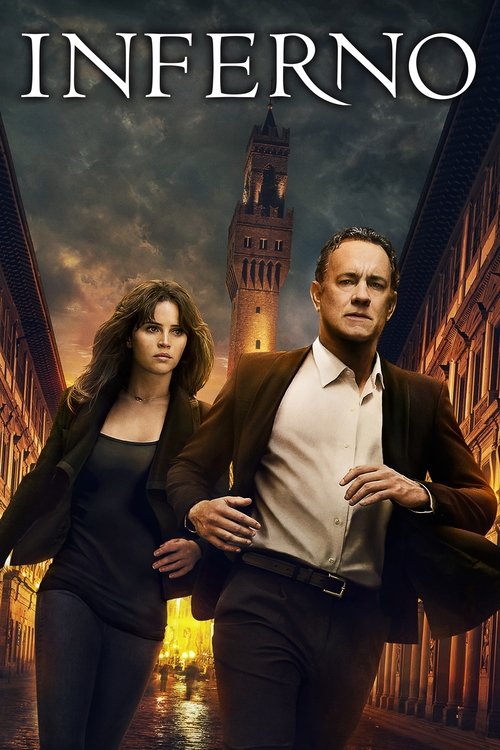
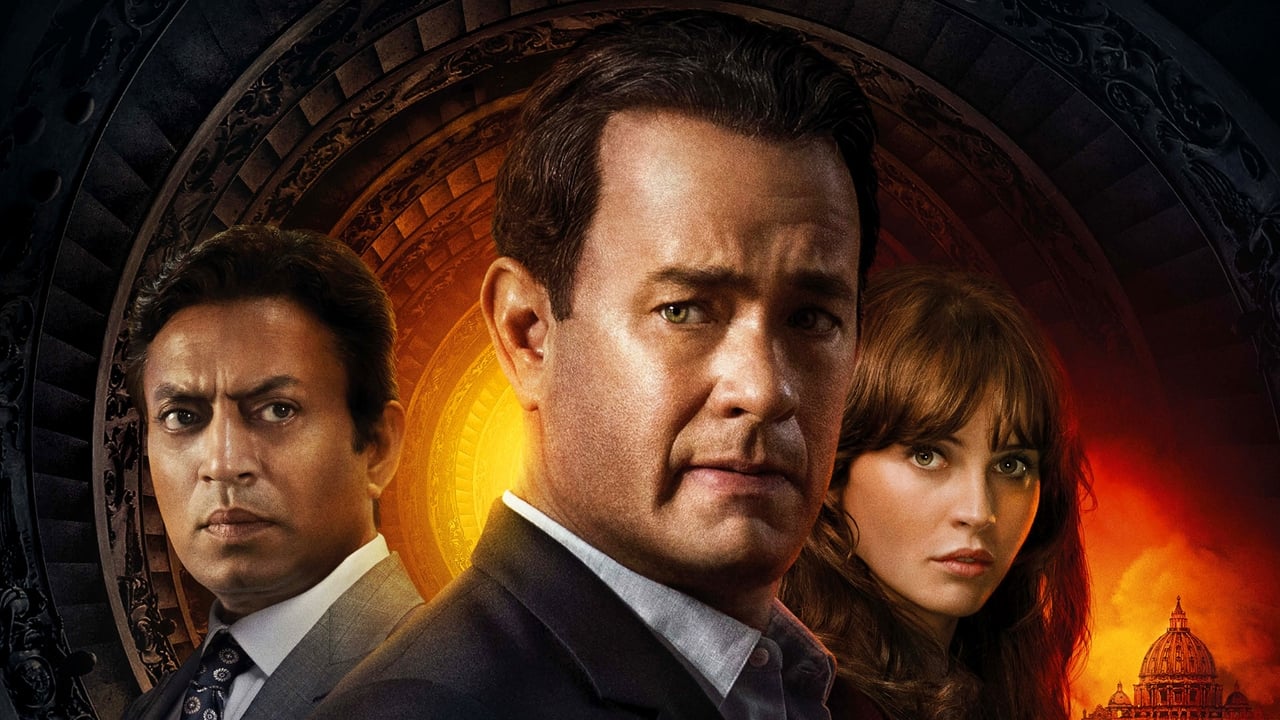
I’m watching Tom Hanks stumble through the sun-drenched corridors of Florence in a hospital gown, sporting a head wound and a look of profound existential dread, and I can’t help but think: this man is the only person who can make "academic amnesia" look like a high-stakes sport.
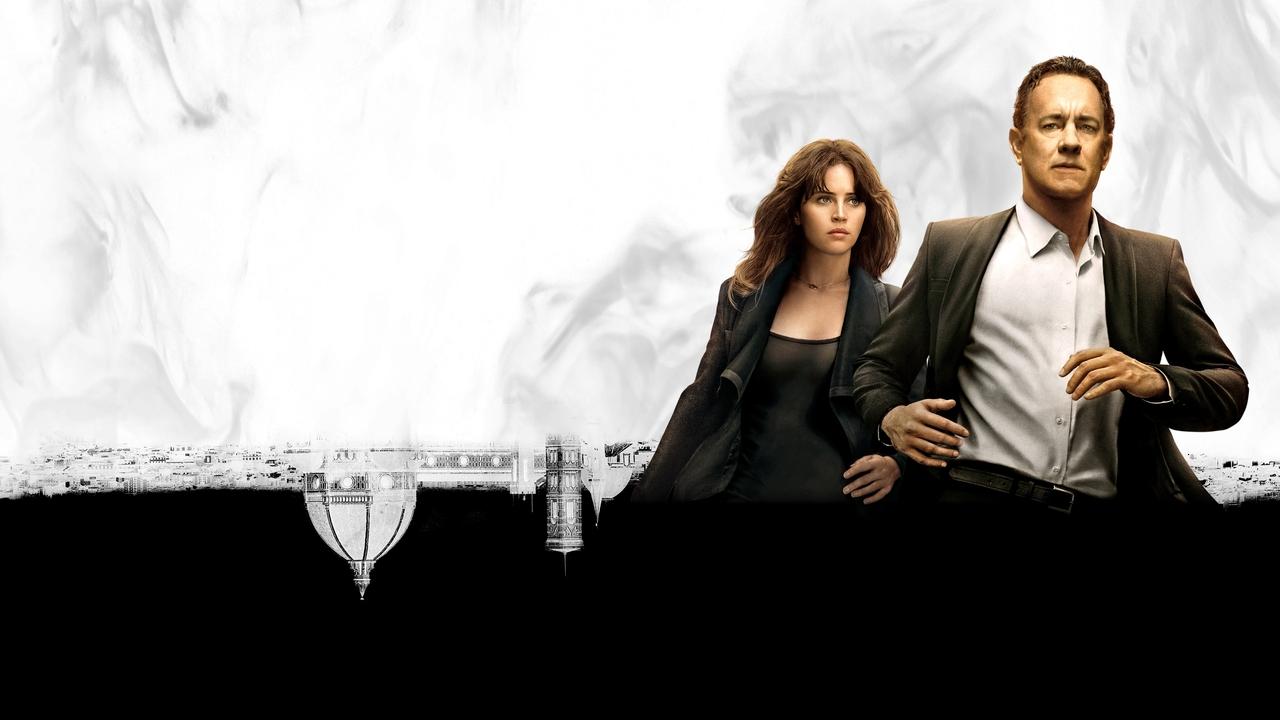
By the time Inferno hit theaters in 2016, the Robert Langdon cinematic universe felt like a bit of an anomaly. We were deep into the "Age of the Franchise," where every movie was a stepping stone to five others, yet here was Ron Howard returning to a series that peaked during the George W. Bush administration. It felt less like a contemporary blockbuster and more like a comfort watch for people who still subscribe to physical travel magazines. While I watched this, my neighbor’s dog wouldn't stop barking at a particularly stubborn squirrel, which honestly provided a better rhythmic counterpoint to the film’s frantic editing than the actual dialogue did.
Dante’s Shaky-Cam Inferno
The movie kicks off with a disorienting, hallucinatory bang. Langdon wakes up in Italy with no memory of the last forty-eight hours, plagued by visions of blood-red rivers and people with their heads turned backward—visual riffs on Dante’s Divine Comedy. It’s a classic thriller hook, but Howard treats the camera like it’s also suffering from a concussion. The "Action" here isn't about traditional fisticuffs; it’s about the frantic, kinetic energy of a man trying to outrun a drone through the Boboli Gardens while his brain is leaking information.
The set pieces are designed with a tourist’s eye and a paranoiac’s pulse. We get these sweeping, gorgeous shots of the Palazzo Vecchio and the Venice skyline, which are immediately interrupted by Tom Hanks shouting about "canto 25" while being chased by a tactical team. It’s essentially a high-budget episode of Where in the World is Carmen Sandiego? but with more biological warfare. The choreography relies heavily on Langdon and his doctor-turned-sidekick Felicity Jones (playing Sienna Brooks) navigating secret passages. There is a genuine thrill in seeing the "Vasari Corridor" used as an escape route, reminding us that in the Langdon-verse, history isn’t just to be studied—it’s a series of literal trap doors.
The MVP in a Suit
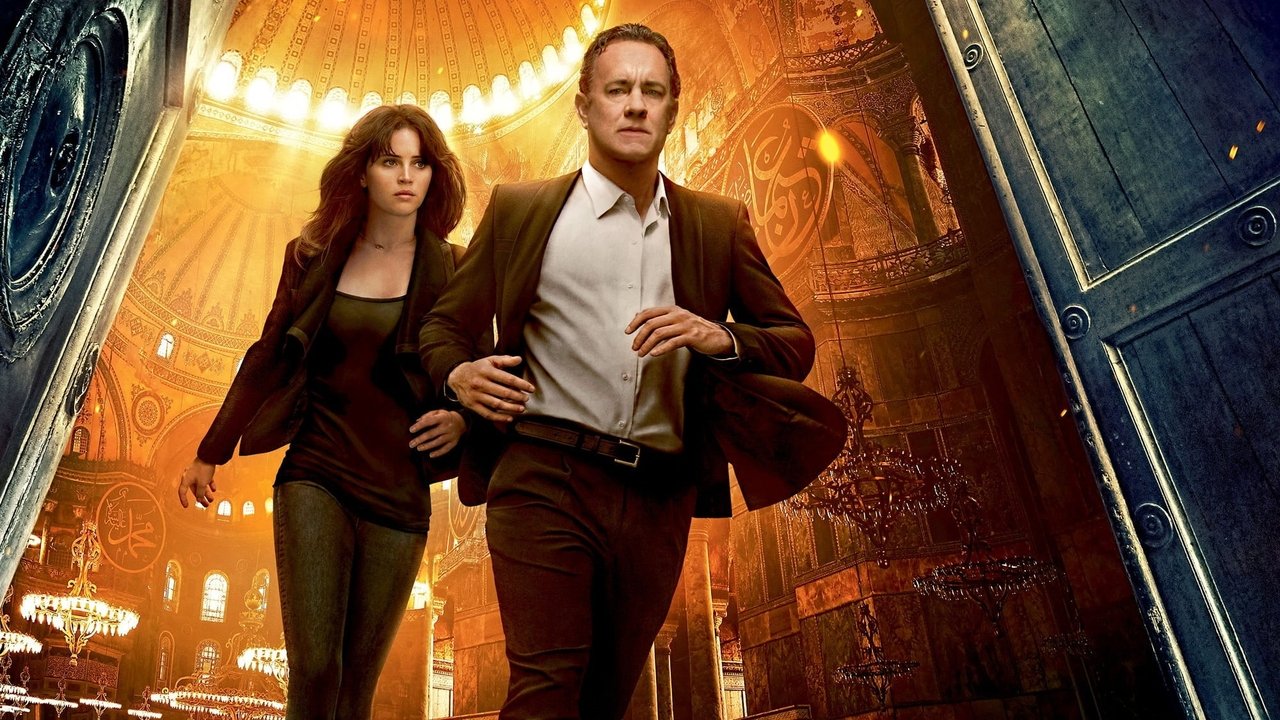
While Tom Hanks provides his usual steady hand, the real energy comes from the supporting cast. Irrfan Khan, playing the mysterious "Provost" Harry Sims, absolutely steals the show. He brings a dry, detached wit to the role of a high-end security fixer, treating global catastrophes like a minor scheduling conflict. His performance is a reminder of why he was one of the most missed talents in global cinema. On the flip side, we have Ben Foster as the billionaire antagonist Bertrand Zobrist. Foster is an actor who never does anything halfway, and here he plays a transhumanist zealot who wants to thin the human herd to "save" the planet.
Zobrist is very much a villain of the mid-2010s—a time when our collective anxiety was shifting toward climate collapse and overpopulation. However, the film struggles to make his "Inferno" virus feel like a tangible threat because it's so buried under the weight of the scavenger hunt. The stakes are global, but the drama is curiously local, often boiling down to people staring intensely at old maps. Omar Sy pops up as a dubious agent, and Sidse Babett Knudsen brings some much-needed gravitas as Elizabeth Sinskey, but they often feel like they’re just waiting for Langdon to finish his crossword puzzle so the plot can move to Istanbul.
The Mystery of the Missing Ending
For the dedicated Dan Brown fans—the "cult" that kept these books on the bestseller lists for a decade—Inferno is a bit of a betrayal. The film famously changed the ending of the novel, pivoting from a provocative, world-altering conclusion to a standard "stop the timer before the bag pops" finale. It’s a decision that screams of studio nerves, opting for a safe landing rather than a challenging one. It’s the kind of choice that happens when a film is designed by a committee worried about "franchise fatigue" rather than artistic impact.
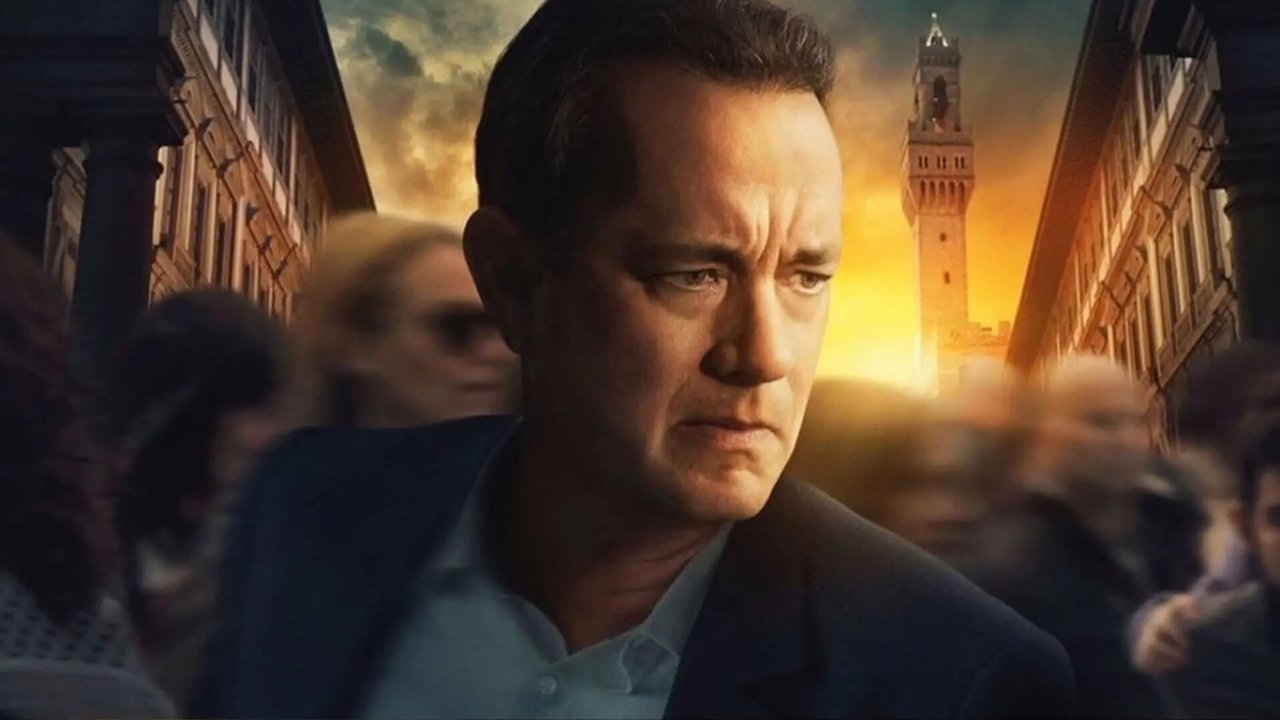
Despite the formulaic beats, there’s a weird, comforting charm to how Ron Howard handles the production. The score by Hans Zimmer is surprisingly textured, moving away from the operatic bombast of The Da Vinci Code toward something more electronic and jittery. The trivia behind the scenes is equally fun: the production actually used a secret passage in the Palazzo Vecchio that was only discovered in the 19th century, and the "blood" in Langdon’s visions was actually a mixture of sugar, water, and food coloring that became incredibly sticky under the hot Italian lights, making the set smell like a candy factory during scenes of hellish torture.
Ultimately, Inferno is the cinematic equivalent of a high-end airport novel. It’s fast, it’s expensive-looking, and it passes the time perfectly well if you’re trapped in a terminal or looking for something to watch while you fold laundry. It lacks the cultural weight of its predecessors, but it’s hard to stay mad at a movie that treats art history like an Olympic sport. It’s a relic of a specific era of mid-budget adult thrillers that have largely been swallowed up by streaming services, standing as a final, frantic sprint through the museum before the lights go out.

Keep Exploring...
-
Angels & Demons
2009
-
The Da Vinci Code
2006
-

In the Heart of the Sea
2015
-
Solo: A Star Wars Story
2018
-
Survivor
2015
-
Jurassic World
2015
-
Point Break
2015
-
Run All Night
2015
-
Terminator Genisys
2015
-
Jack Reacher: Never Go Back
2016
-
Bright
2017
-

Geostorm
2017
-
The Mummy
2017
-

Red Sparrow
2018
-
Skyscraper
2018
-
6 Underground
2019
-
Gemini Man
2019
-
Rambo: Last Blood
2019
-

Terminator: Dark Fate
2019
-
Triple Frontier
2019