Italian Race
"Victory is a matter of breath, not just brakes."

Most racing movies are obsessed with the shine. They love the way light bounces off a pristine hood or the choreographed "whoosh" of a gear shift that somehow adds fifty miles per hour to a car already at top speed. Matteo Rovere’s Italian Race (originally Veloce come il vento) is different. It’s a movie that smells like burnt rubber, stale cigarettes, and old engine oil. It’s a film where the cars look like they’ve been through a war because, for the De Martino family, they have.
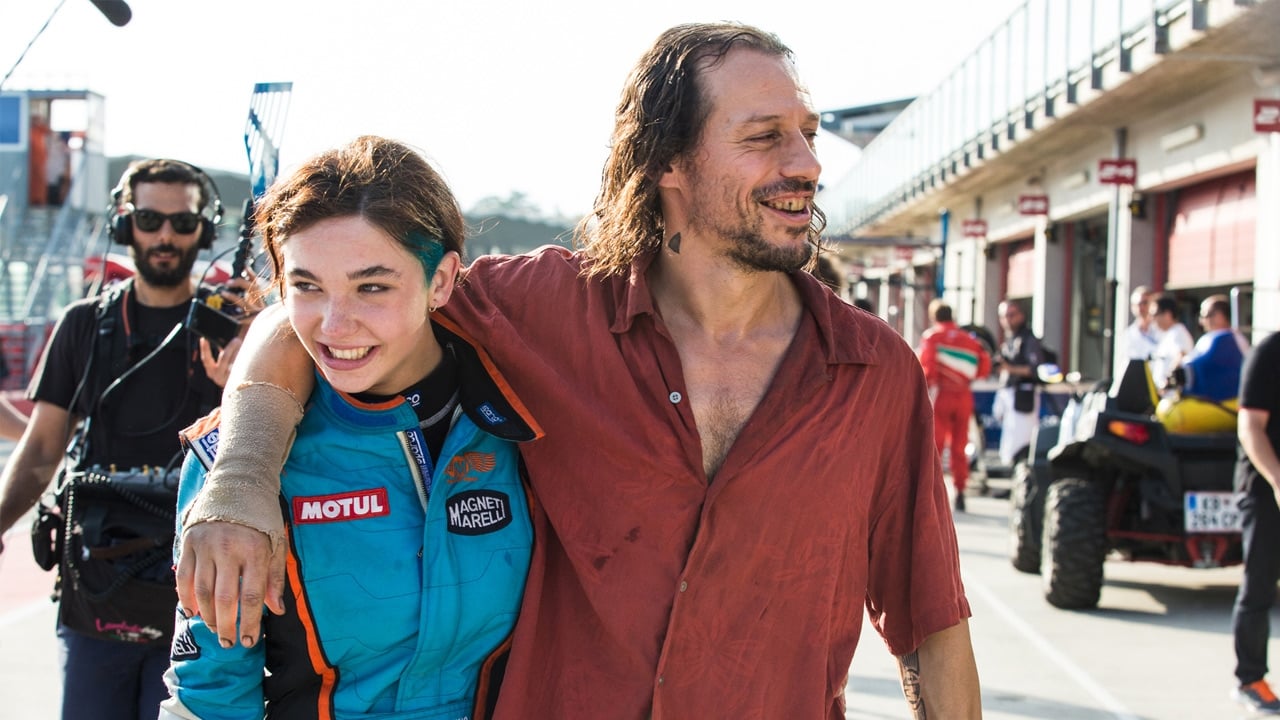
I first caught this one on a rainy Tuesday while recovering from a questionable gas-station arancino, and somehow, the high-octane vibrations on screen actually helped settle my stomach. It’s an oddly grounding experience for a movie about going fast.
The Junkie and the Prodigy
The setup feels familiar until it doesn’t. Giulia De Martino (Matilda De Angelis) is seventeen, a prodigy in the Italian GT Championship, carrying the weight of her family’s legacy and their mounting debts. When her father dies mid-race, she’s left to fend for herself and her younger brother. Enter Loris (Stefano Accorsi), her estranged older brother. Loris was once a champion, a legend known as "The Dancer." Now? He’s a heroin addict living in a trailer, looking like he was sculpted out of a cigarette butt and a used oil filter.
If this were a Hollywood production, Loris would have a clean, cinematic "sobriety montage" and be back in the driver’s seat within twenty minutes. But Italian Race is smarter than that. It’s interested in the philosophy of the curve—the idea that racing isn’t about how hard you can push, but how well you can breathe. Stefano Accorsi delivers a performance that is nothing short of transformative. He’s twitchy, unreliable, and often infuriating, yet he possesses a localized genius that only manifests when he’s talking about a racing line. He doesn't just teach Giulia how to drive; he teaches her how to survive the momentum of her own life.
Stunts Over Pixels
In an era where the Fast & Furious franchise has basically become a series of cartoons involving cars in space, Matteo Rovere’s commitment to practical action is a godsend. There is a sequence involving an illegal night race through the narrow, ancient streets of Matera that is genuinely terrifying. You can feel the weight of the cars, the way the suspension groans under the pressure of a sharp turn, and the terrifying proximity of stone walls that haven't moved in a thousand years.
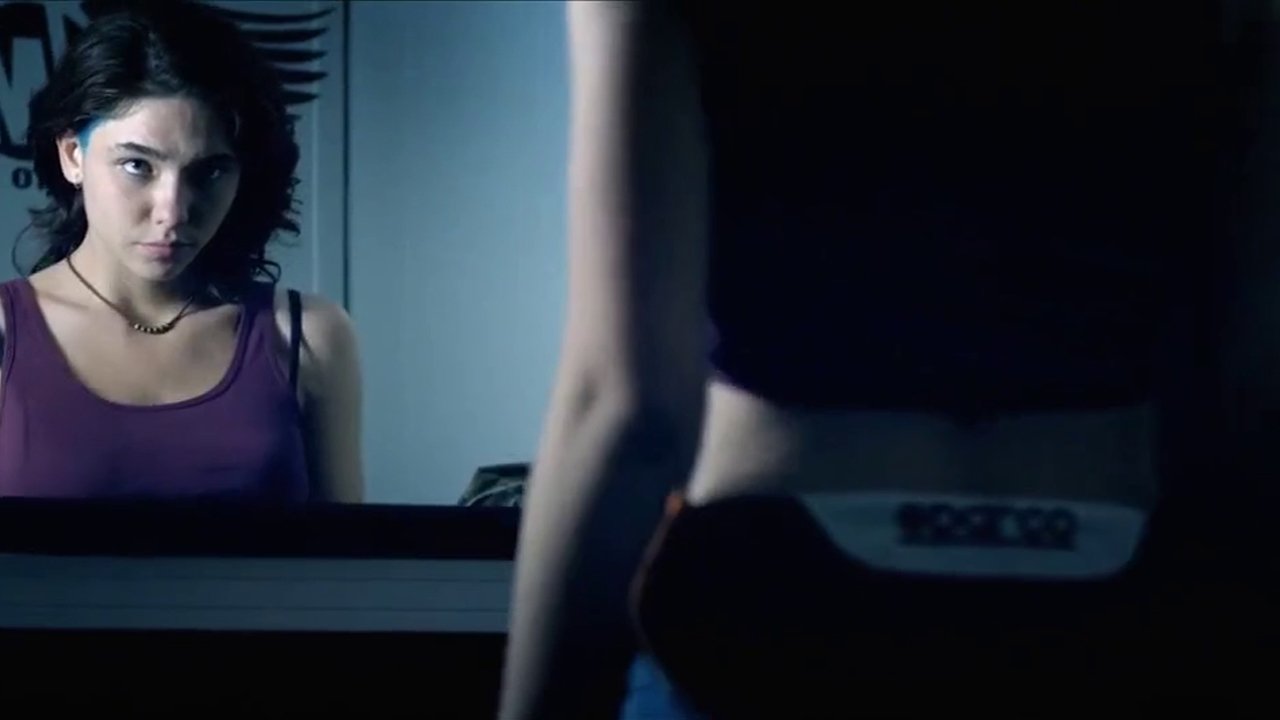
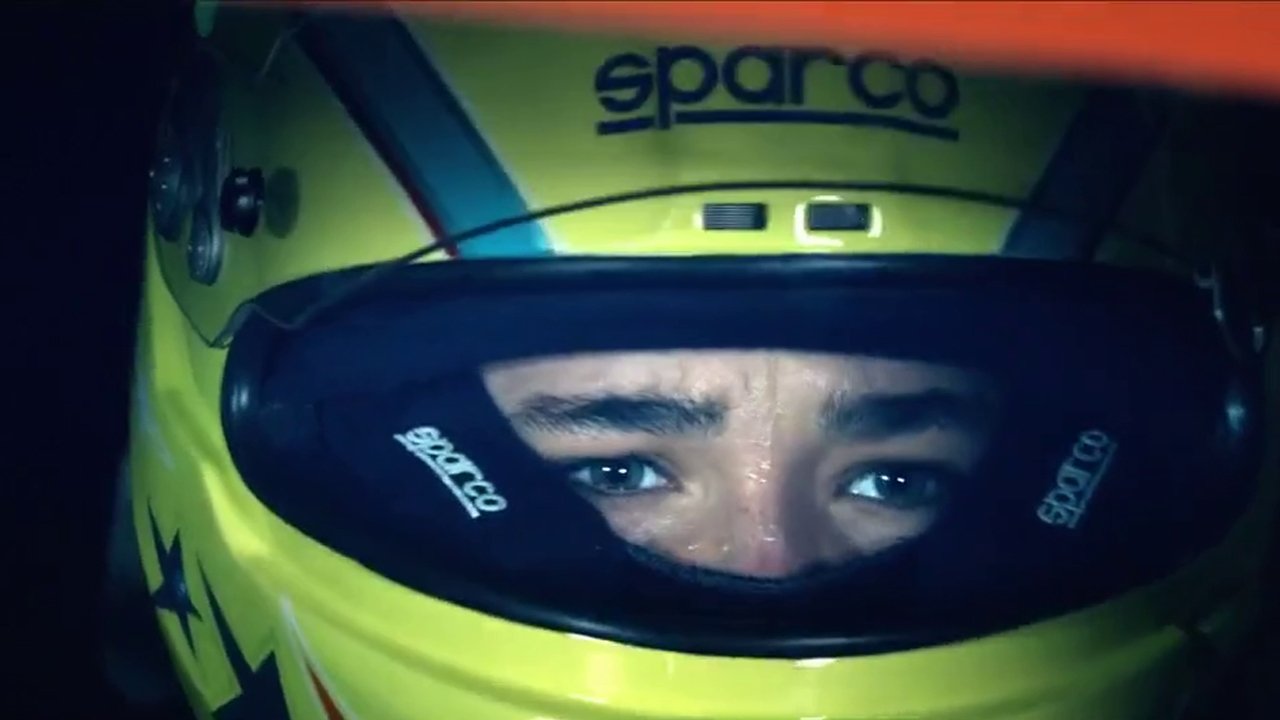
The film uses real GT cars—specifically a Porsche 911 GT3—and the sound design is thunderous. When Giulia is on the track, the world narrows down to the tachometer and the roar of the engine. There’s no soaring orchestral score trying to tell you how to feel; the mechanical screaming of the car does all the emotional heavy lifting. Most racing movies treat cars like toys; this one treats them like hungry, temperamental gods.
A Modern Relic of Genre
Italian Race sits in a strange spot in contemporary cinema. Released in 2016, it arrived just as streaming began to flatten the international film market. While it was a massive hit in Italy—sweeping several David di Donatello awards—it remains a bit of a "hidden gem" for global audiences. It’s a victim of the "subtitles barrier" that still plagues high-quality genre films, which is a shame because it’s more "American" in its pacing than most domestic blockbusters.
Interestingly, Matilda De Angelis was a singer with zero acting experience and didn't even have a driver’s license when she was cast. Watching her here, you’d never know. She carries a simmering, localized fury that perfectly balances Stefano Accorsi’s manic energy. The film also pulls from real-life history; the character of Loris is loosely inspired by the tragic, real-life Italian rally driver Carlo Capone. Knowing that Loris isn't just a screenwriter's invention, but a shadow of a real man who lost his way, adds a layer of existential weight to his "junkie philosopher" routine.
The Physics of Forgiveness
Beyond the racing, the film asks a really interesting question: Can talent excuse a lifetime of failure? Loris isn't "fixed" by the end of the movie. He’s still a mess. But he finds a way to be useful, to pass on a specific, kinetic wisdom to a sister who has every reason to hate him. It’s a film about the "Italian Race"—not just the ones on the track, but the race to outrun the ghosts of your parents.
The cinematography by Michele D'Attanasio captures the Emilia-Romagna region not as a tourist postcard, but as a dusty, working-class heartland where the only way out is to go 200 kilometers per hour. It’s beautiful in a bruised, industrial kind of way.
Italian Race is a rare breed—a high-stakes sports drama that actually cares about the mechanics of the sport and the messy reality of the people participating in it. It’s got enough adrenaline to satisfy the gearheads and enough heart to win over the skeptics who think racing is just "turning left." If you can find it on a streaming service or tracked down on a stray Blu-ray, do yourself a favor and buckle in. Just maybe skip the gas-station arancini before you start.
Keep Exploring...
-
The First King
2019
-
Bāhubali: The Beginning
2015
-
The Boy and the Beast
2015
-
A Taxi Driver
2017
-
Evangelion: 3.0+1.0 Thrice Upon a Time
2021
-
RRR
2022
-
The Count of Monte Cristo
2024
-
Ford v Ferrari
2019
-
On My Skin
2018
-
The Hand of God
2021
-
Batman vs. Robin
2015
-
The Wave
2015
-
Boyka: Undisputed IV
2016
-
Justice League vs. Teen Titans
2016
-
The Finest Hours
2016
-
Only the Brave
2017
-
Т-34
2018
-
Black and Blue
2019
-
Hotel Mumbai
2019
-
The Wandering Earth
2019