Jackie
"The architecture of a legacy built on grief."
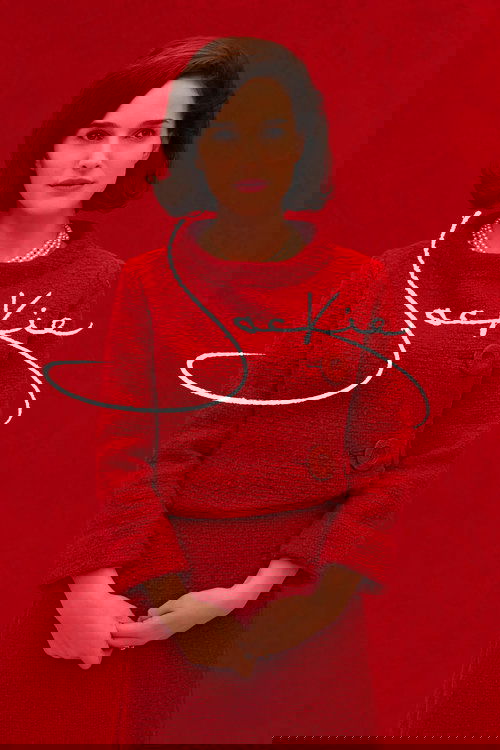
The first thing you notice isn't the pillbox hat or the blood-spattered Chanel suit; it’s the sound. It’s the discordant, sliding strings of Mica Levi’s score—a haunting, weeping cello that feels like it’s being dragged through the mud. It’s uncomfortable. It’s jarring. It’s exactly how a film about the most televised tragedy in American history should feel. Most biopics are just expensive, glossy Wikipedia pages, but Jackie is something else entirely. It’s a psychological horror movie masquerading as a prestige drama, and it’s one of the few films from the last decade that actually understands how history is manufactured.
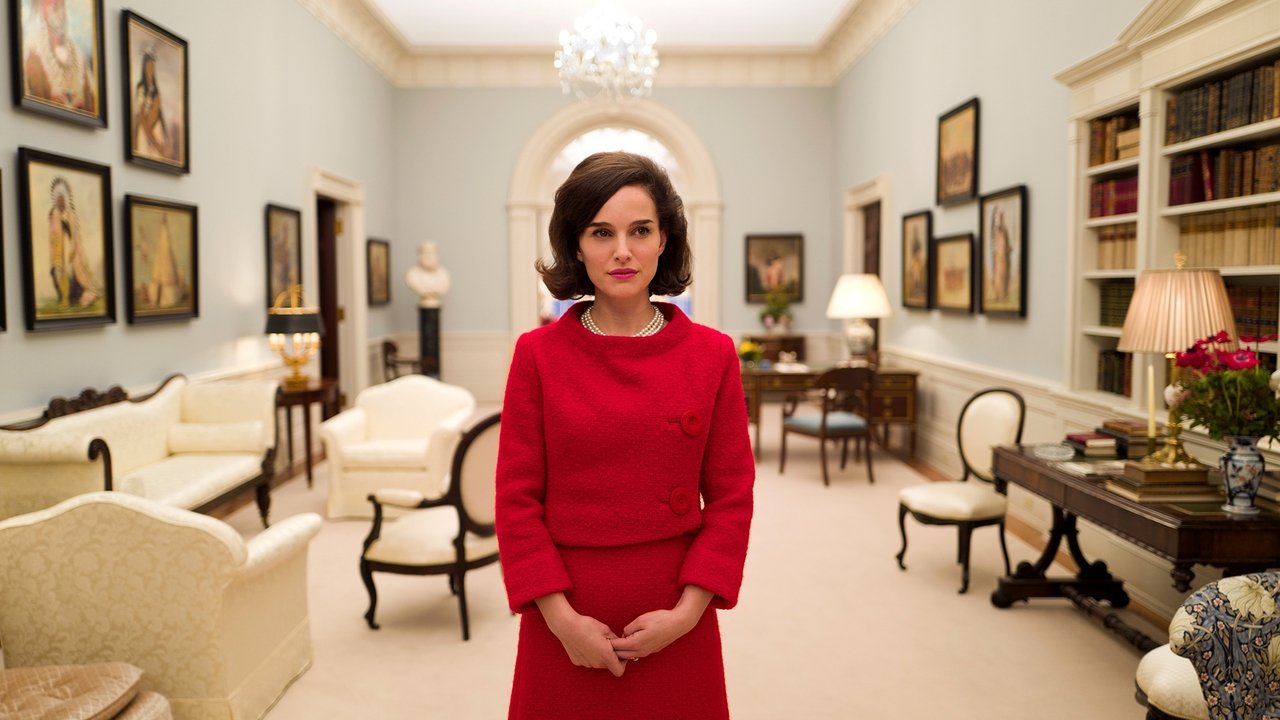
I watched this on a rainy Tuesday while my neighbor was power-washing their driveway, and the constant, rhythmic drone of the water outside weirdly synced up with the film’s mounting anxiety. It made the whole experience feel even more claustrophobic, which is fitting because Pablo Larraín spends half the movie shoved right in Natalie Portman’s face.
The Curation of Camelot
We’ve seen the footage of the motorcade a thousand times, but we’ve rarely sat in the aftermath. Jackie frames its narrative around an interview between the widowed First Lady and a cynical journalist, played with a perfect blend of skepticism and awe by Billy Crudup (who I’ve loved since Almost Famous). This framing is brilliant because it admits something most historical dramas try to hide: the "Camelot" myth was a deliberate, calculated construction.
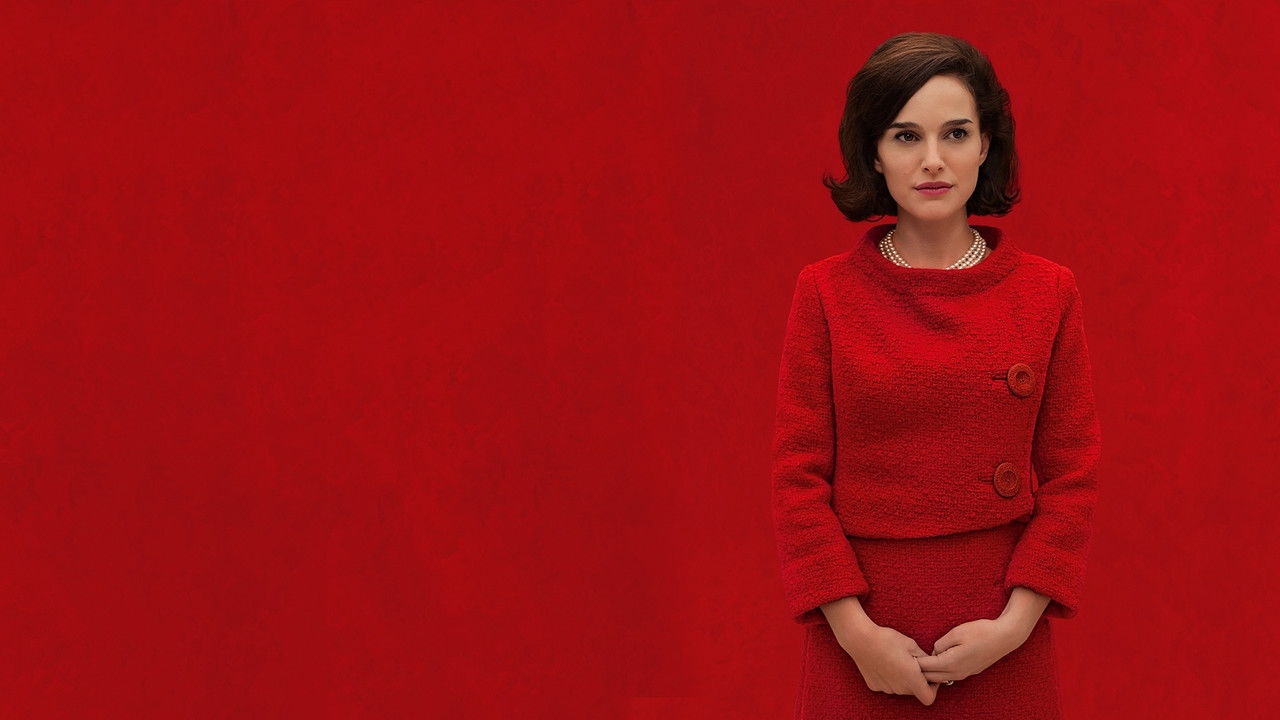
Natalie Portman delivers a performance that is technical sorcery. She nails the mid-Atlantic "Lockheed Martin" breathiness of the real Jacqueline Kennedy, but she adds this jagged edge of porcelain-wrapped rage. She isn't just a grieving widow; she’s a PR genius who knows that if she doesn't control the narrative of her husband’s death right now, the world will forget him by Christmas. Watching her navigate the funeral arrangements while fighting Peter Sarsgaard’s Bobby Kennedy is a masterclass in soft-power politics. Bobby Kennedy looked nothing like Peter Sarsgaard and it weirdly didn't matter, because Sarsgaard captures that specific brand of Kennedy-esque exhaustion—the weight of a dynasty crumbling in real-time.
A Texture You Can Feel

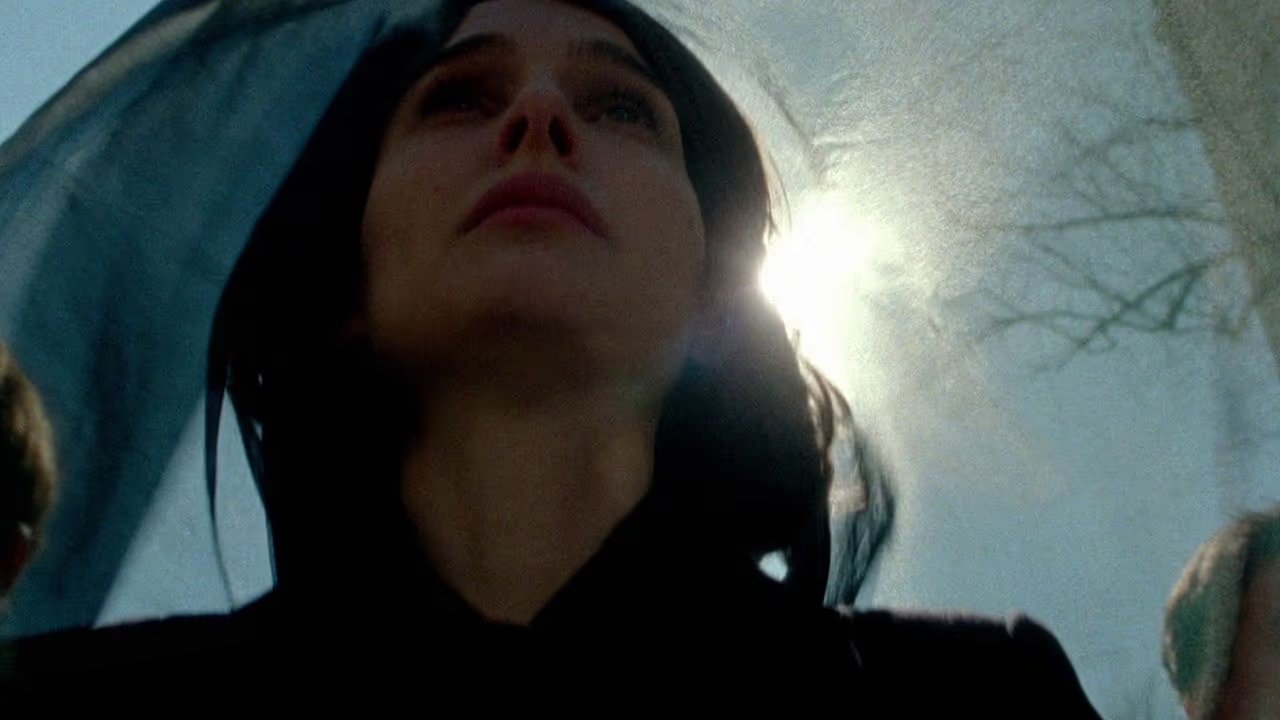
Director Pablo Larraín, who previously showed us the end of a dictatorship in No (2012), brings an outsider's eye to the American mythos. He’s not interested in the "Great Man" theory of history; he’s interested in the woman holding the Great Man’s brains in her lap. By shooting on 16mm film, cinematographer Stéphane Fontaine gives the movie a grain and a texture that makes it look like it was unearthed from a time capsule. It doesn't look like a digital recreation of the 60s; it looks like the 60s are bleeding through the screen.
The production design is equally obsessive. They rebuilt the White House interiors with staggering accuracy, but the film treats the building like a haunted house. One of the most striking sequences involves Jackie wandering through the empty halls, drinking vodka, and trying on various gowns while a recording of the Camelot musical plays. It’s surreal, lonely, and deeply human. It strips away the iconography to show us a person who is literally losing her home and her identity at the same moment.
The Legacy of the Look
Interestingly, Jackie has developed a bit of a cult following among film nerds and fashion historians alike, mostly because it refuses to be "polite." While it was a critical darling and an awards contender (earning Natalie Portman a well-deserved Oscar nod), it’s the kind of film that rewards repeat viewings because of its sheer oddity.
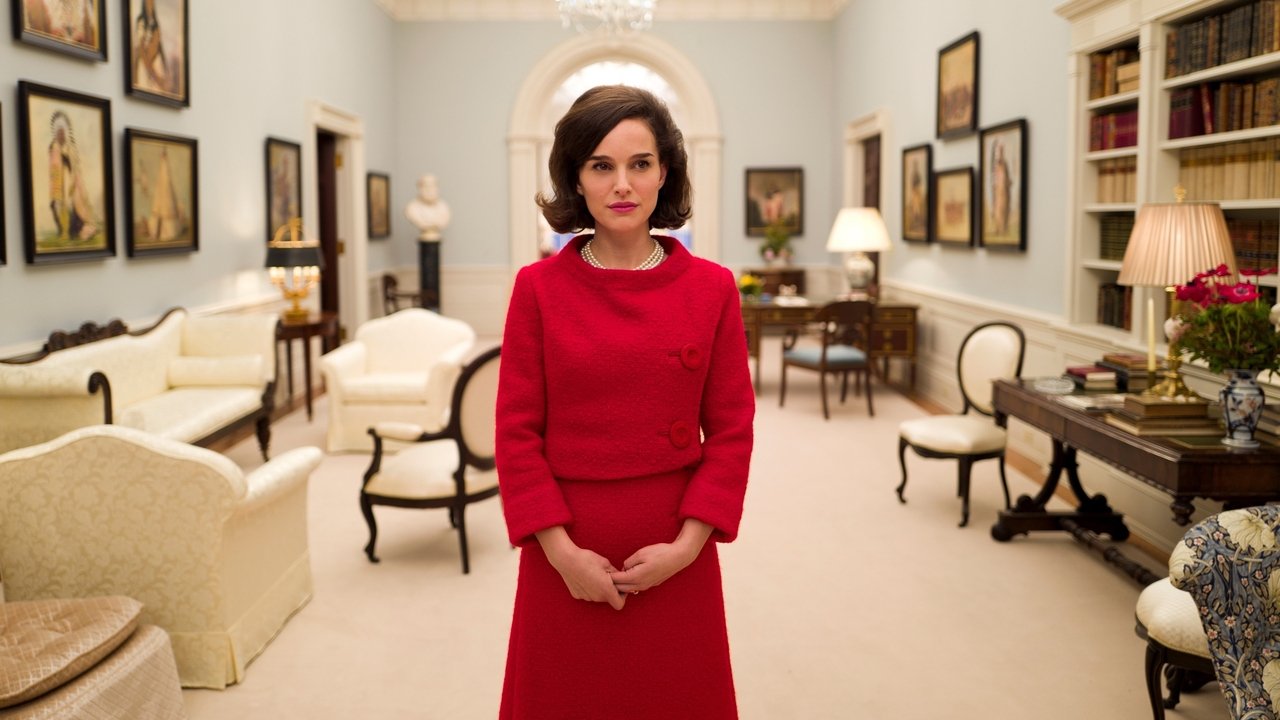
Did you know that the famous pink suit used in the film wasn't actually Chanel? The production team couldn't get the original for obvious reasons, so they had to recreate it using specific fabrics that would react to the 16mm film stock exactly the way the original would have. It’s that level of insane detail that keeps the movie relevant in our current era of "content" where everything feels flat and digital. In an age where we’re constantly curated by social media, Jackie feels like a warning from the past about the cost of maintaining an image.
The supporting cast is also stacked with legends. The late John Hurt appears as a priest in one of his final roles, offering a weary, theological perspective on suffering that anchors the film’s third act. Greta Gerwig pops up as Nancy Tuckerman, providing a warm, grounding presence in a movie that otherwise feels like it’s vibrating with trauma. Even Richard E. Grant shows up to add a bit of high-society gravitas.
Jackie is a beautiful, difficult piece of art that dares to suggest that history is just a story told by the survivors. It’s not a film that wants you to be "comfortable," and that’s precisely why it works. It takes a statue and turns it back into a person, bloodstains and all. If you want a traditional biopic, watch something else; if you want to see a woman scream into the void and then tell the void exactly how to write the headline, this is your movie.
Keep Exploring...
-
Spencer
2021
-
The Founder
2016
-
The Highwaymen
2019
-
Black Mass
2015
-
The Guilty
2021
-
Burnt
2015
-
Concussion
2015
-
Irrational Man
2015
-

Paper Towns
2015
-
Southpaw
2015
-

Steve Jobs
2015
-
The Gift
2015
-
The Walk
2015
-

Victor Frankenstein
2015
-
20th Century Women
2016
-
Café Society
2016
-
Demolition
2016
-

Eddie the Eagle
2016
-
Hail, Caesar!
2016
-
Hell or High Water
2016