Jason Bourne
"The ghost returns to a louder, angrier world."
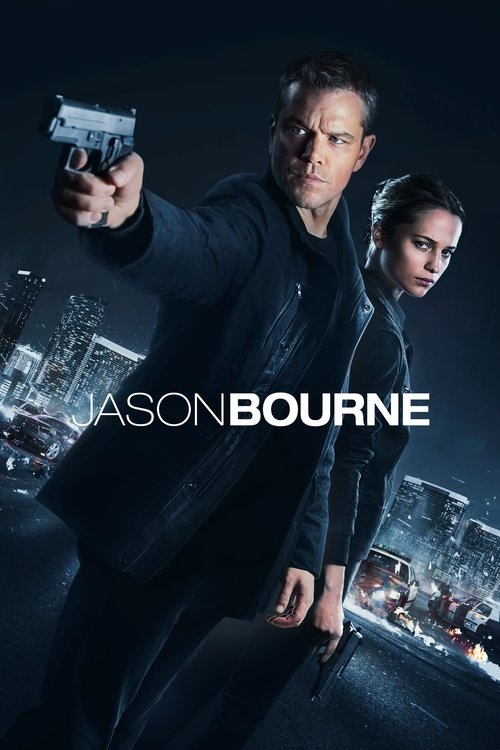
I watched this in a theater where the air conditioning was set to "Arctic Tundra," and the constant shivering actually helped me stay perfectly in sync with the movie’s high-vibration editing. By the time the credits rolled, I wasn’t sure if I was cold or if Paul Greengrass had simply vibrated my soul out of my body.
There was a moment in 2007, at the end of The Bourne Ultimatum, where it felt like we’d reached the perfect destination. Matt Damon swam away into the dark waters of the East River, Moby’s "Extreme Ways" kicked in, and the story felt finished. But Hollywood hates a vacuum—and it especially hates a dormant IP. After a brief, forgettable flirtation with Jeremy Renner in The Bourne Legacy, the powers that be realized there is only one Jason Bourne. So, nine years after he went off the grid, they brought him back.
A 2000s Relic in a 2010s World
The 2016 cinematic landscape was a strange place. We were deep into "legacy sequel" territory, but the world had also become significantly more cynical since Bourne first started smashing guys with rolled-up magazines. This film tries very hard to acknowledge that shift. It’s the era of Edward Snowden, WikiLeaks, and the unsettling realization that our privacy isn't being stolen—we’re giving it away for free to tech billionaires.
The plot kicks off when Julia Stiles (Nicky Parsons) hacks the CIA and finds files connecting Bourne’s father to the Treadstone program. It’s a classic "this time it’s personal" hook, but it feels a bit like the movie is digging up graves just to have something to talk about. To modernize the stakes, we get Riz Ahmed as Aaron Kalloor, a social media mogul who looks like he’s perpetually one meeting away from a Congressional hearing.
While the tech-bro subplot feels a little "how do you do, fellow kids?", the cast keeps things grounded. Tommy Lee Jones plays CIA Director Robert Dewey, and he looks like a man whose face was carved out of an old, angry oak tree. He doesn't need to do much; he just stares at monitors with a look of profound disappointment that makes you want to apologize for your browser history. Opposite him is Alicia Vikander as Heather Lee, representing the new guard of the CIA. She’s cold, calculating, and plays the "is she an ally or an opportunist?" game with clinical precision.
The Art of the Shaky Cam

If you’re coming to a Paul Greengrass movie, you know what you’re getting: a camera that refuses to sit still. In the original trilogy, this style revolutionized action cinema, moving us away from the slow, choreographed "Matrix" style toward something that felt like a panic attack caught on film.
In Jason Bourne, that style is cranked to eleven. The opening sequence in Athens, set against the backdrop of a real-world anti-austerity riot, is spectacular. It’s chaotic, pyrotechnic, and feels genuinely dangerous. Apparently, the production couldn't get permission to film in Greece due to the actual political instability, so they rebuilt the center of Athens in Tenerife. It’s a masterclass in staging; the way Matt Damon navigates the smoke and the Molotov cocktails reminds you why he’s the best at playing "the smartest guy in the room who is also currently on fire."
However, there’s a fine line between "immersive" and "I can't tell which limb belongs to which person." The editing in this movie is so frantic it makes a caffeinated squirrel look lethargic. There are moments in the hand-to-hand combat where you just have to trust that Bourne is winning because the other guy stopped moving.
The Las Vegas Carnage
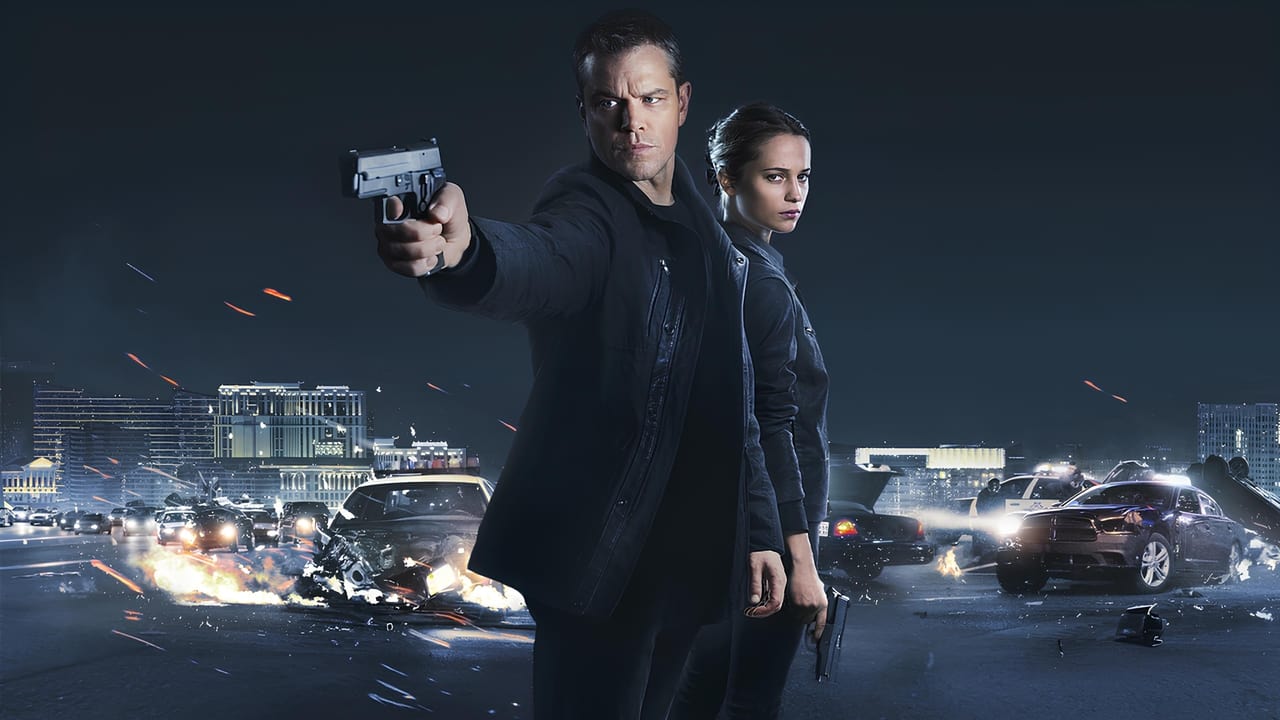
The centerpiece of the film is the Las Vegas strip chase. If you’ve ever been stuck in traffic on Las Vegas Blvd, you’ve probably dreamt of doing exactly what the villain—Vincent Cassel’s "Asset"—does: driving a massive SWAT vehicle over the top of every car in sight.

The scale of this sequence is staggering. The production actually shut down parts of the Strip at night, and they reportedly wrecked about 170 cars during the filming of this one sequence. There’s a weight to the action here that you just don't get in the CGI-saturated world of superhero movies. When a car flips in a Bourne movie, you feel the crunch of the metal in your teeth.
But here’s the hot take: The Las Vegas SWAT truck has more personality than Jason Bourne does in this movie. Damon has exactly 25 lines of dialogue in the entire film. While his physical commitment is insane—he looks like he’s spent the last decade doing nothing but pull-ups and eating gravel—the character feels more like a force of nature than a human being. We lose the internal struggle that made the first three films so gripping. He’s no longer looking for his identity; he’s just looking for the next person to punch.
Ultimately, Jason Bourne is a "Greatest Hits" album. It’s got the frantic pacing, the brooding stares, the globe-trotting locales, and the obligatory scene where a guy in a headset screams "Enhance!" at a blurry satellite photo. It’s a highly competent, big-budget action machine that delivers exactly what it says on the tin, even if it lacks the soul of the original trilogy.
It’s the kind of movie that proves you can go home again, but you might find that the furniture has been moved and the Wi-Fi password has changed. It didn't need to exist to complete the story, but as a piece of high-octane craft, it’s a reminder that nobody does "professional mayhem" quite like Greengrass and Damon. If you’ve got two hours to kill and a high tolerance for motion sickness, it’s a ride worth taking—just maybe don't eat a heavy meal right before the Vegas chase.

Keep Exploring...
-
The Bourne Supremacy
2004
-
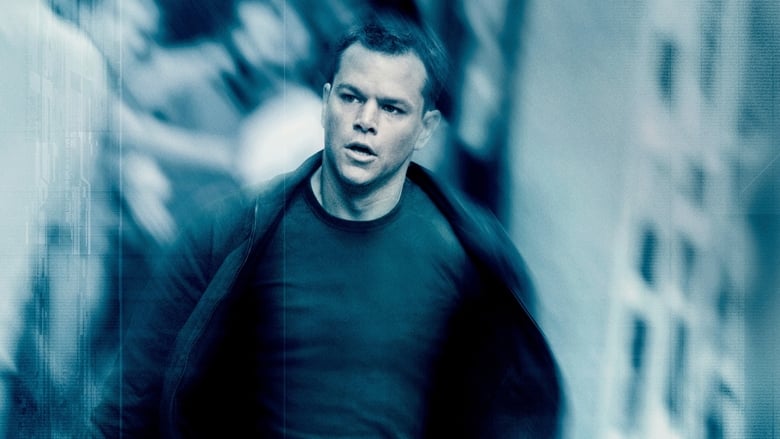
The Bourne Ultimatum
2007
-
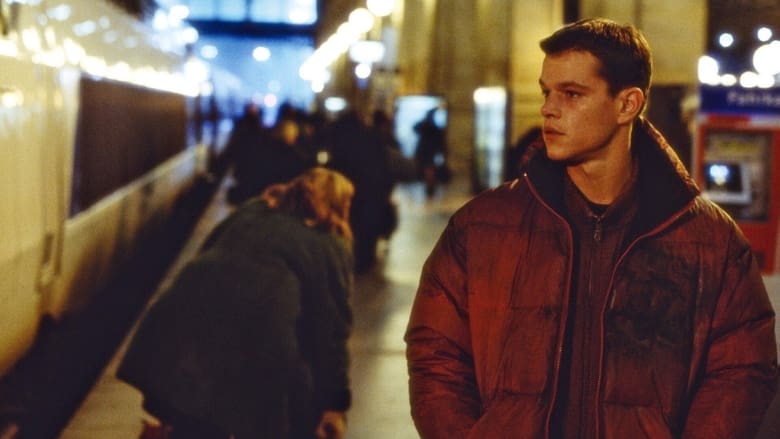
The Bourne Identity
2002
-
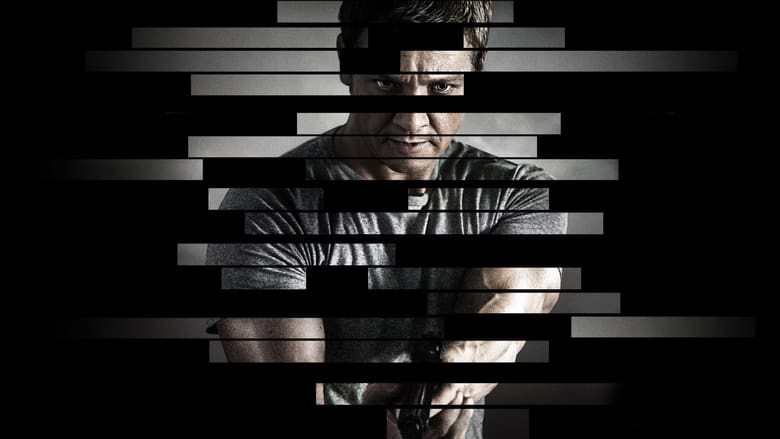
The Bourne Legacy
2012
-
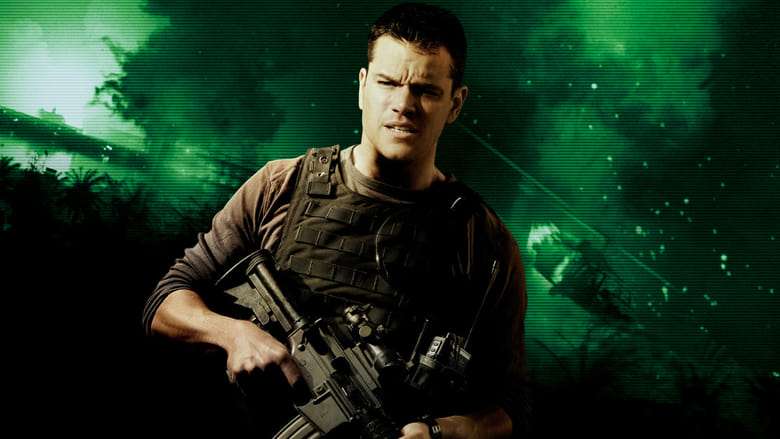
Green Zone
2010
-
Jurassic World
2015
-
Maze Runner: The Scorch Trials
2015
-
The Mummy
2017
-
Jurassic World: Fallen Kingdom
2018
-
Maze Runner: The Death Cure
2018
-
Spectre
2015
-

Atomic Blonde
2017
-

News of the World
2020
-
No Time to Die
2021
-

Bad Boys: Ride or Die
2024
-

In the Heart of the Sea
2015
-
Point Break
2015
-
Terminator Genisys
2015
-
Skyscraper
2018
-
Gemini Man
2019