Julieta
"Guilt is the ghost that never leaves."
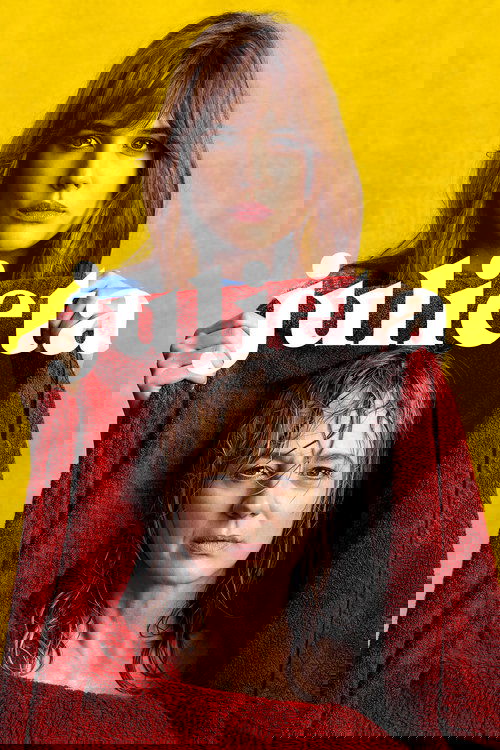
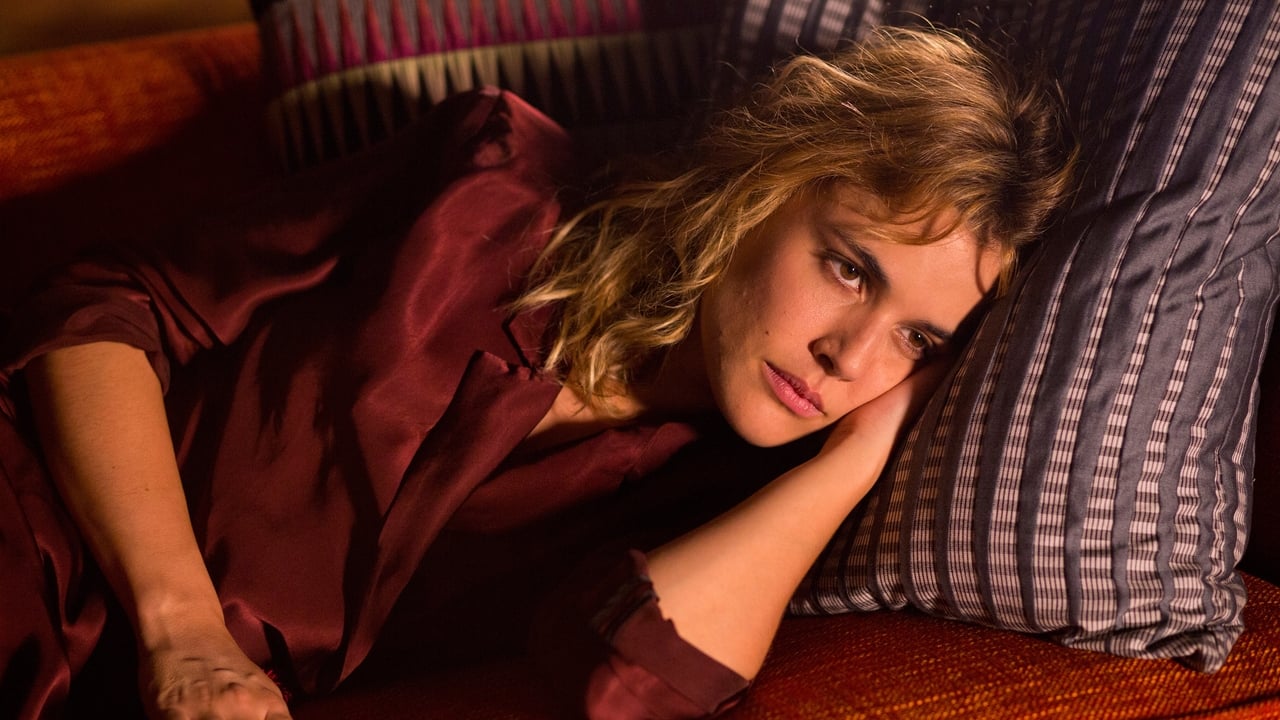
The first thing you notice in any Pedro Almodóvar film isn't the dialogue or the plot—it's the sheer audacity of his wallpaper. In Julieta, that signature Almodóvar red is everywhere, pulsing like a heartbeat or an alarm. It’s in the robes, the walls, and the fruit, screaming at us that while the surface of this movie looks like a high-end interior design catalog, the soul of it is bleeding. I watched this for the first time on a rainy Tuesday while eating a slightly stale bagel, and the sheer vibrance of the cinematography made my kitchen feel like a prison of beige by comparison.
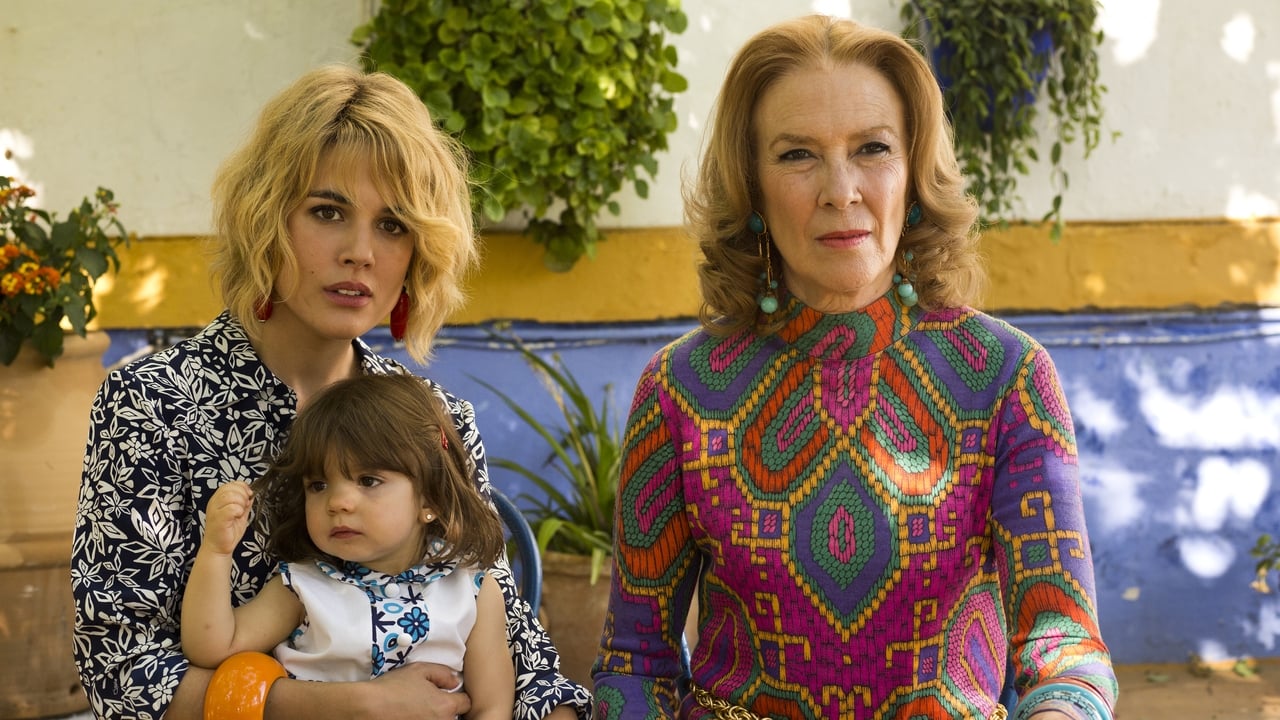
Released in 2016, Julieta arrived at a weird crossroads for cinema. We were right in the thick of the "peak TV" explosion and the MCU’s total takeover of the box office. Mid-budget adult dramas were supposedly dying, yet here was Almodóvar, working with a lean $1.5 million budget—less than the catering budget for a single week on a superhero set—to prove that a woman’s internal life is as epic as any galactic battle.
Two Faces, One Broken Heart
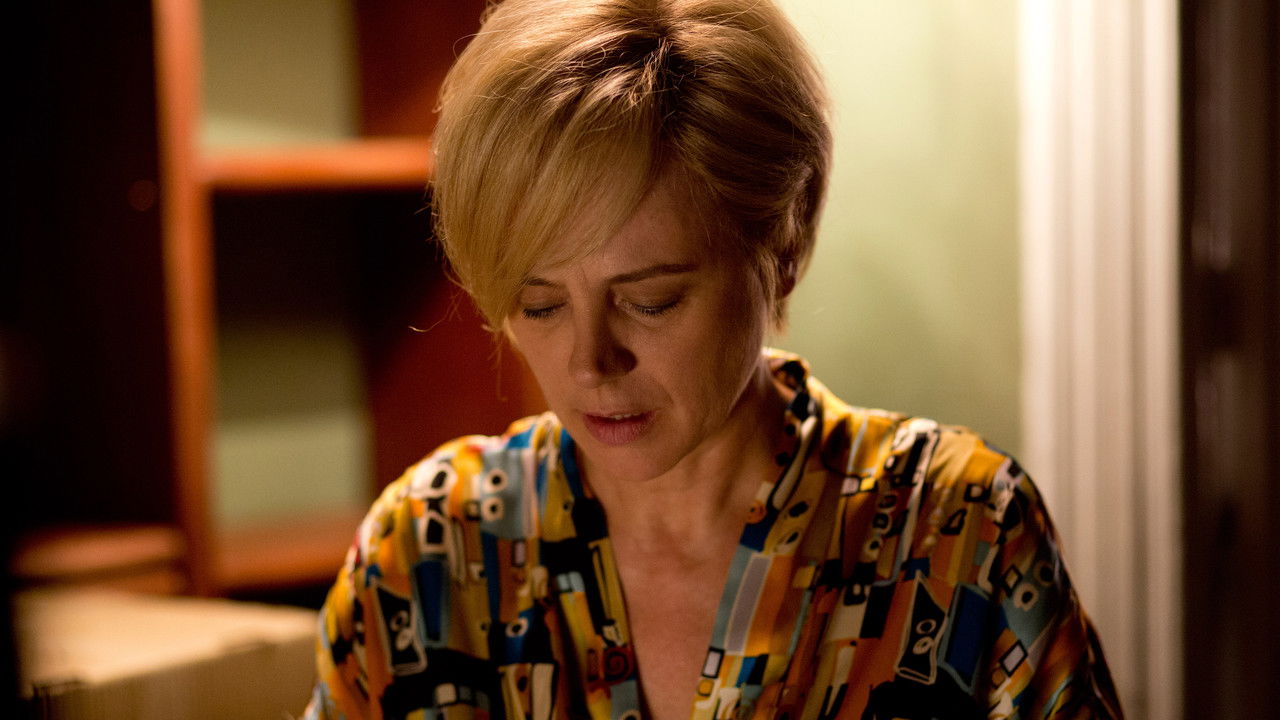
The story is a bit of a shell game. We start with an older Julieta, played with a weary, brittle grace by Emma Suárez, who is planning to move to Portugal. A chance encounter in the street with a former friend of her daughter, Antía, sends her into a psychological tailspin. We then flash back thirty years to find a younger, spiky-haired Julieta, played by Adriana Ugarte, whose life is defined by a chance meeting on a train and a whirlwind romance with a fisherman named Xoan (Daniel Grao).
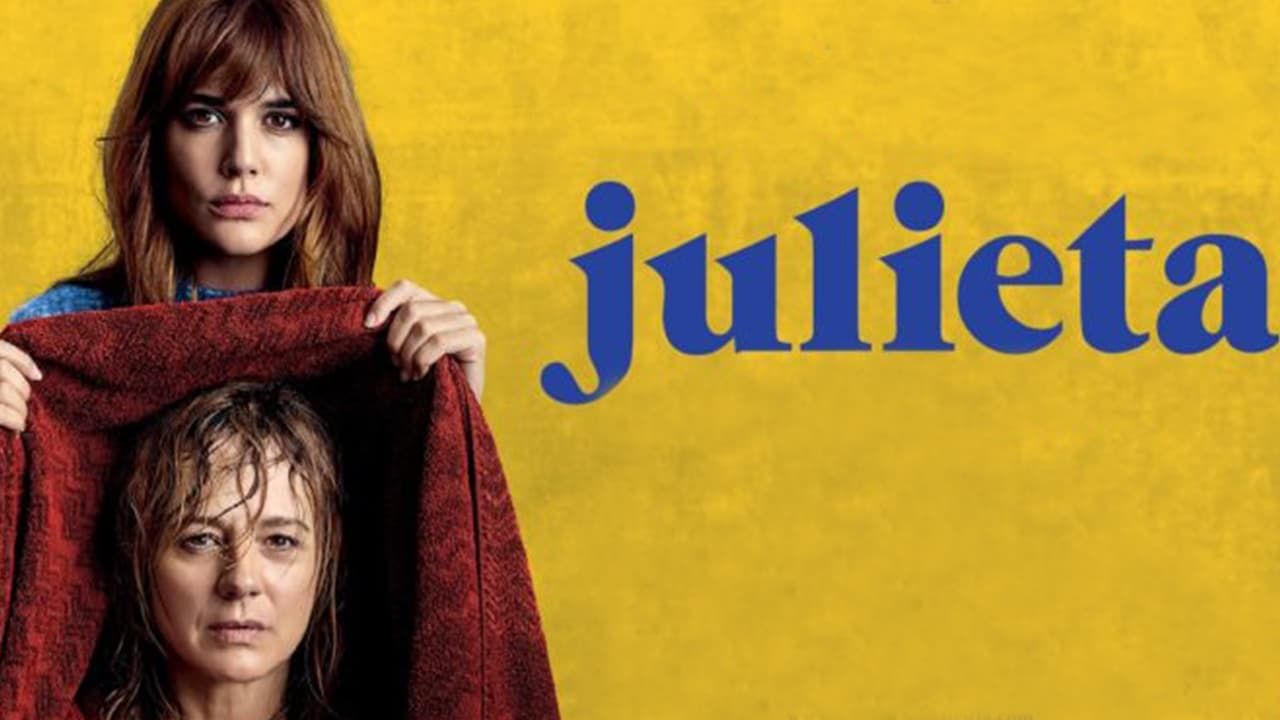
The way Almodóvar handles the transition between these two actresses is a stroke of low-budget genius. There is a scene where Adriana Ugarte is having her head dried with a towel by her daughter; when the towel is pulled away, it’s the older Emma Suárez underneath. If you aren’t moved by the visual shorthand of a woman aging twenty years in a single breath, you’re probably made of stone. It’s the kind of practical, creative solution that indie filmmakers use when they can’t afford the "de-aging" CGI that Disney loves so much. Honestly? The towel worked better than any digital facelift ever could.
The Ghost of Alice Munro
What makes Julieta feel different from Almodóvar’s campier, more chaotic classics like Women on the Verge of a Nervous Breakdown is its DNA. It’s actually based on three short stories by the Canadian Nobel laureate Alice Munro. You can feel that literary weight. The film isn't about big, explosive confrontations; it’s about the things people don’t say. It’s about the silence that grows between a mother and a daughter until it becomes a physical wall.
The supporting cast fills out this world with incredible texture. Inma Cuesta plays Ava, a sculptress with a secret, and Michelle Jenner appears as the childhood friend who inadvertently triggers Julieta’s collapse. There’s also the legendary Rossy de Palma (a long-time Almodóvar muse) playing a housekeeper who looks like she stepped out of a Gothic horror novel. She provides a sharp, prickly counterpoint to the more lyrical romance of the flashback scenes.
For a film made for under $2 million, the production value is staggering. Almodóvar used his own production company, El Deseo, which he runs with his brother Agustín, to keep total creative control. This wasn't a movie made by a committee or shaped by test screenings. It’s a pure, undistilled vision. Interestingly, it was originally supposed to be Almodóvar’s English-language debut starring Meryl Streep. When he realized he couldn't quite capture the "Munro-esque" vibe in a foreign setting, he moved it back to Spain. I’m glad he did; there’s something about the Spanish landscape—from the windswept coast to the frantic streets of Madrid—that makes the melodrama feel earned.
The Weight of the Now
In our current era of "content" where everything is designed to be binged and forgotten, Julieta demands you sit with it. It’s a film about the long-term consequences of grief and the way we pass our traumas down to our children like heirlooms. It doesn't offer easy answers or a tidy "Hollywood" ending. Instead, it offers empathy.
I found myself thinking about the film's festival journey. It premiered at Cannes and was Spain's entry for the Oscars, proving that there is still a massive global appetite for intimate, human-scale stories. In an age of digital noise, Julieta is a reminder that the most interesting special effect is still the human face in a moment of realization.
Pedro Almodóvar’s 20th feature film is a masterclass in restraint and visual storytelling. It manages to be both a lush, romantic escape and a devastatingly sharp look at the failures of communication within a family. While it might lack the wild energy of his earlier work, it replaces it with a profound, quiet maturity. If you’ve ever lost someone—not to death, but to distance—this film will hit you like a freight train.
***
Behind-the-Scenes Trivia:
The film’s budget of $1.49 million is incredibly modest for a director of Almodóvar's stature, but it went on to gross over $22 million worldwide, proving the power of the "Indie Gem" model. The transition scene involving the towel was shot in one continuous take, requiring the actresses to swap places with incredible precision under the fabric. * Almodóvar chose the two leads not because they looked identical, but because they shared the same "vibe" and energy, emphasizing the psychological continuity over physical perfection.
Keep Exploring...
-

Pain and Glory
2019
-
Parallel Mothers
2021
-
Talk to Her
2002
-

Volver
2006
-
Love
2015
-

Slow West
2015
-

The Lobster
2015
-
Sing Street
2016
-
Swiss Army Man
2016
-
A Ghost Story
2017
-
Cold War
2018
-

Forever My Girl
2018
-
Malcolm & Marie
2021
-
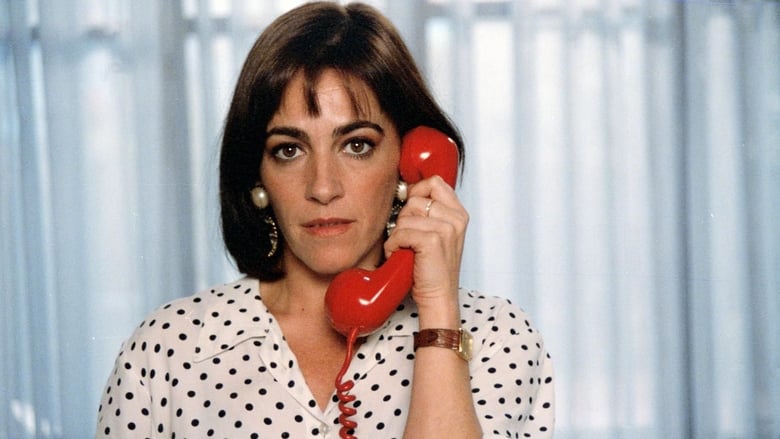
Women on the Verge of a Nervous Breakdown
1988
-
The Skin I Live In
2011
-

Midnight Sun
2018
-
Loving Pablo
2017
-
The Platform
2019
-
Anomalisa
2015
-
Brooklyn
2015