Kubo and the Two Strings
"To find the light, you must face the dark."
"If you must blink, do it now."
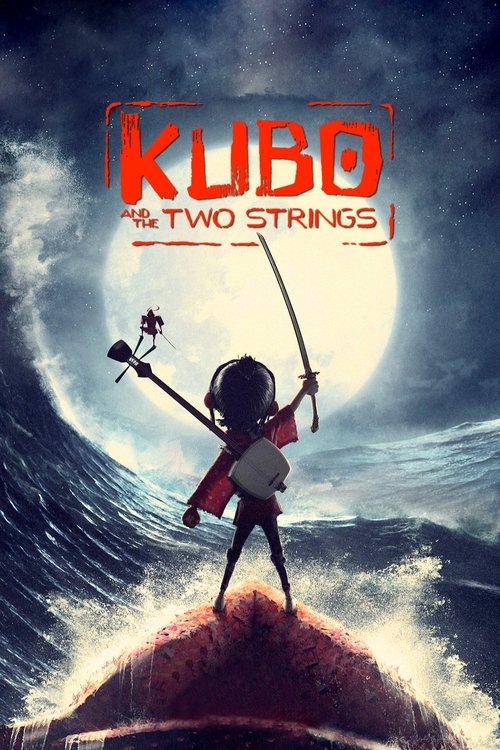
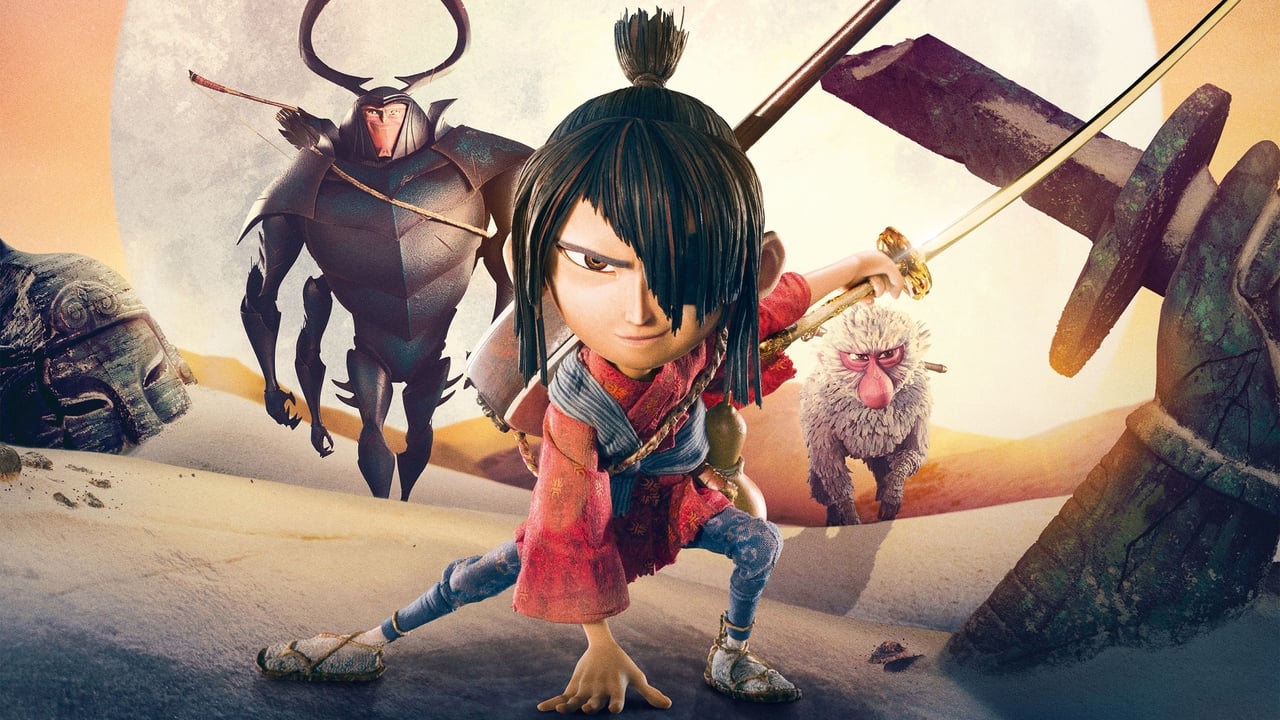
The opening line of Kubo and the Two Strings isn’t just a bit of dramatic flair; it’s a genuine warning. When I first sat down to watch this in a half-empty theater back in 2016—clutching a bag of wasabi peas that were arguably three months past their expiration date—I didn't realize I was about to witness the peak of stop-motion animation. While the rest of the world was busy obsessing over the latest MCU installment or the polished, rounded edges of Pixar’s latest, LAIKA was busy building a sixteen-foot-tall skeleton and 3D-printing thousands of tiny, expressive faces to tell a story that feels less like a movie and more like a shared dream.
The Texture of a Memory
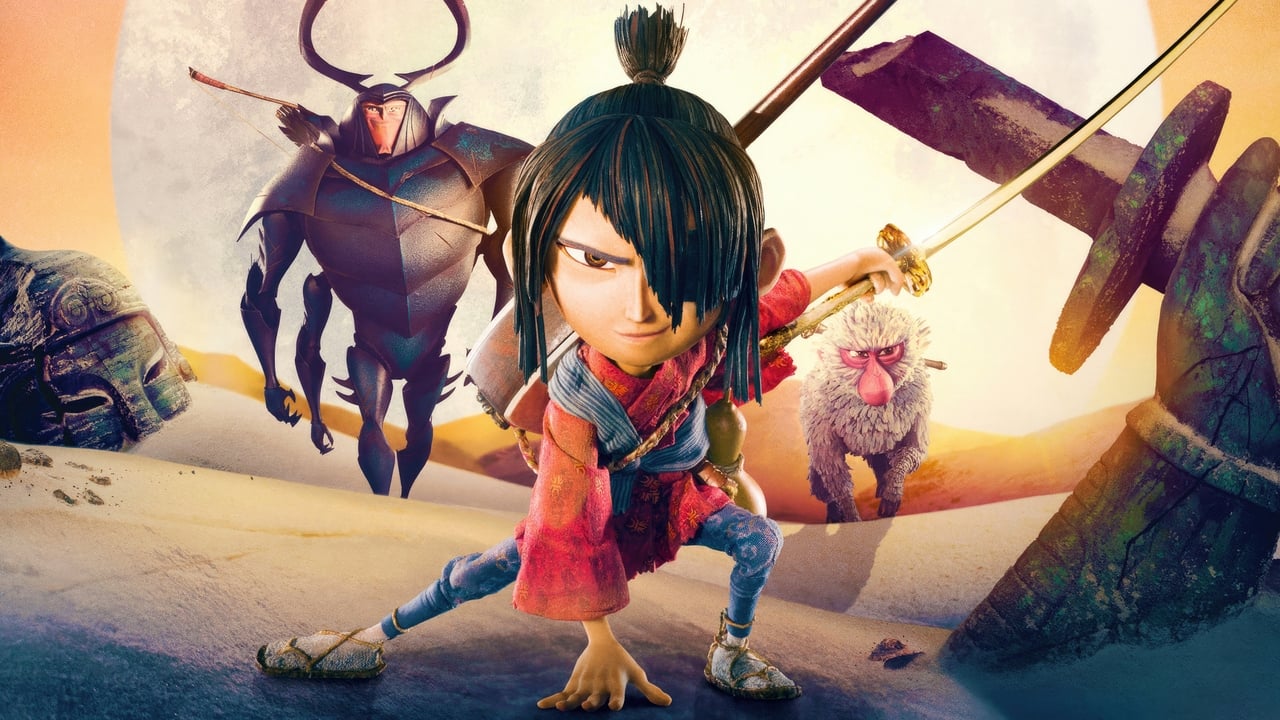
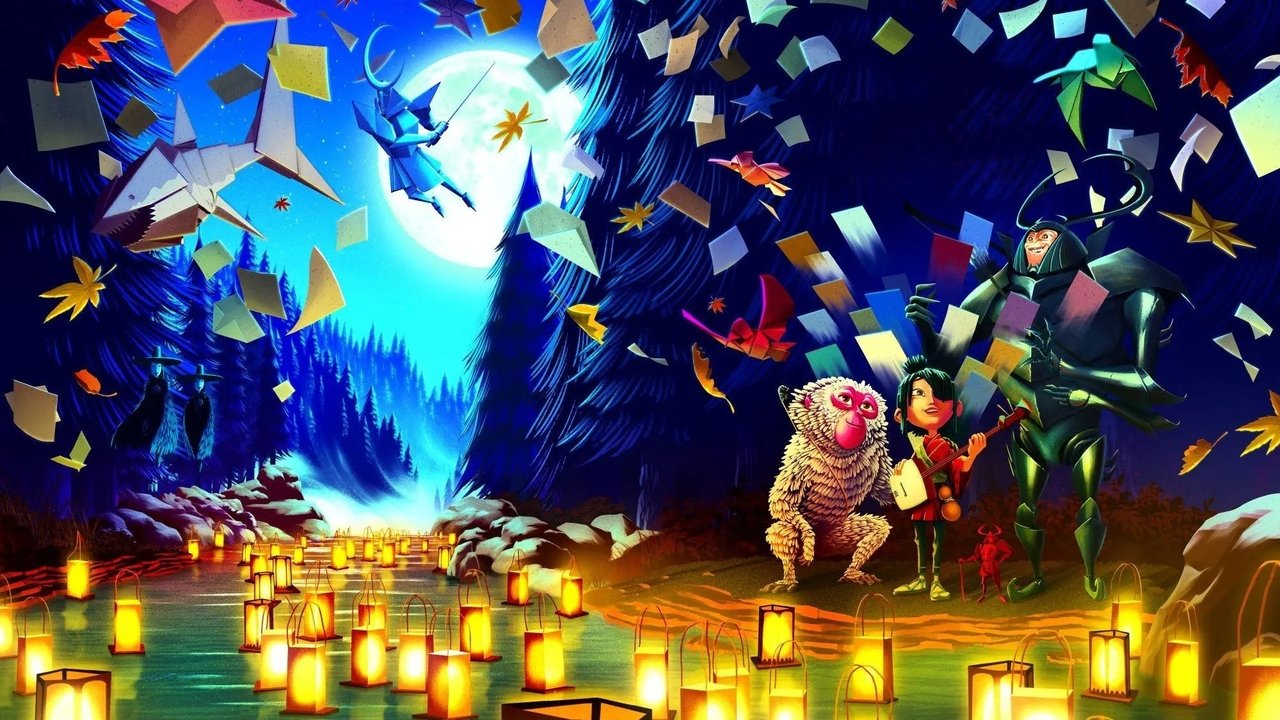
In an era where "Contemporary Cinema" often means a race toward the most seamless, hyper-realistic CGI possible, Kubo is a defiant, tactile outlier. Directed by Travis Knight (who went on to give the Transformers franchise its only soul with Bumblebee), the film follows a young boy named Kubo (Art Parkinson, whom you might remember as the youngest Stark on Game of Thrones). Kubo supports his ailing mother by busking in a local village, using a magical shamisen to bring origami to life.
What strikes me every time I revisit this is the sheer weight of it. In digital animation, everything is weightless. In Kubo, you can feel the grain of the wood, the weave of the fabric, and the resistance of the wind. There’s a sequence where Kubo, a cynical Macaque named Monkey (Charlize Theron), and a bumbling beetle-warrior voyage across a frozen sea on a boat made of fallen leaves. It is, quite simply, one of the most beautiful things ever put on screen. Stop-motion is the only form of animation that actually feels like it has a soul you can touch.
A Quest for Grown-Ups in Training
The plot is a classic adventure quest: Kubo must find his father’s magical armor to protect himself from his grandfather, the Moon King, and his terrifying twin aunts (voiced with chilling precision by Rooney Mara). But beneath the "Hero’s Journey" skeleton lies a much more cerebral, philosophical heart.
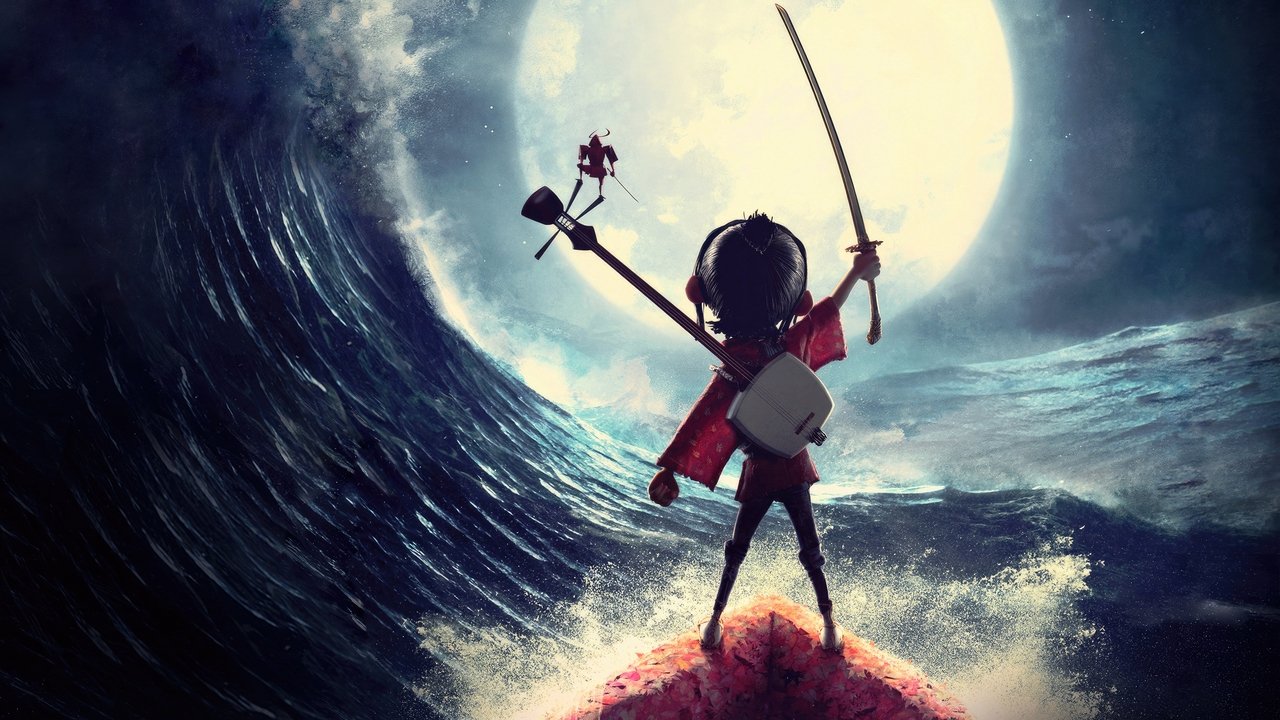
The film deals with the concept of "the two strings"—the literal strings of the shamisen, sure, but metaphorically the connection between the living and the dead. It asks heavy questions: What do we owe our ancestors? How do we find beauty in a world defined by loss? Kubo is basically a Dark Souls entry for ten-year-olds, and I mean that as the highest possible compliment. It doesn't talk down to its audience. It understands that children are capable of processing grief and that "happy endings" are often just "peaceful resolutions."
The aunts, drifting through the air with their Noh-inspired masks and smoke-like movements, are genuinely frightening. They represent the cold, sterile perfection of the heavens, contrasting with the messy, painful, but vibrant reality of the human world. It’s a sophisticated conflict that feels more at home in a high-concept indie drama than a "family film."
The Cult of the Hand-Crafted
Despite critical raves, Kubo didn't set the box office on fire. It fell victim to a crowded release schedule and the unfortunate reality that "original stop-motion" is a harder sell than "established IP sequel #7." However, its legacy has grown exponentially in the years since. It’s become a cornerstone of the "cult classic" canon for a new generation—the kind of movie fans trade trivia about with hushed reverence.
Speaking of trivia, the sheer scale of the production is mind-boggling. Apparently, the team built a 16-foot tall puppet for the Hall of Bones sequence—the largest stop-motion puppet ever created. They also used 3D printers to create over 66,000 different faces for Kubo alone, allowing for a range of emotion that rivals live-action performance. It’s a marriage of cutting-edge technology and ancient craftsmanship that perfectly mirrors the film’s own themes of old stories meeting new perspectives.

The film also serves as a fascinating snapshot of the mid-2010s push for more diverse storytelling. While there was some contemporary discourse about the casting of non-Asian actors in the lead roles—a conversation that feels even more pointed in today’s climate—the film remains a deeply respectful, visually stunning homage to Japanese folklore and the cinematic language of Akira Kurosawa.
If you missed this during its theatrical run because you were too busy watching whatever superhero was punching a portal in the sky that month, I genuinely envy you the experience of seeing it for the first time. It is a film about the power of stories to keep the people we love alive, and in a digital age, its handmade imperfections feel like a miracle. It’s a journey that starts with a boy and a piece of paper and ends with a profound meditation on what it means to be human. Grab some snacks—maybe skip the expired wasabi peas—and let yourself blink. But only once.
Kubo and the Two Strings isn't just a movie; it's a reminder that even in a world of franchises and algorithms, there is still room for something brave, bold, and entirely epic.
Keep Exploring...
-
Raya and the Last Dragon
2021
-

The Little Prince
2015
-
How to Train Your Dragon: The Hidden World
2019
-
Storks
2016
-
Cars 3
2017
-
Ferdinand
2017
-
Abominable
2019
-
Missing Link
2019
-
Spies in Disguise
2019
-
Onward
2020
-
Trolls World Tour
2020
-
Luca
2021
-
How to Train Your Dragon: Homecoming
2019
-
The Lego Movie 2: The Second Part
2019
-
The Wild Robot
2024
-
Transformers One
2024
-
The Boy and the Beast
2015
-
Wolfwalkers
2020
-
Togo
2019
-

Klaus
2019