La La Land
"A candy-colored dream that eventually wakes you up with a cold, necessary splash of reality."
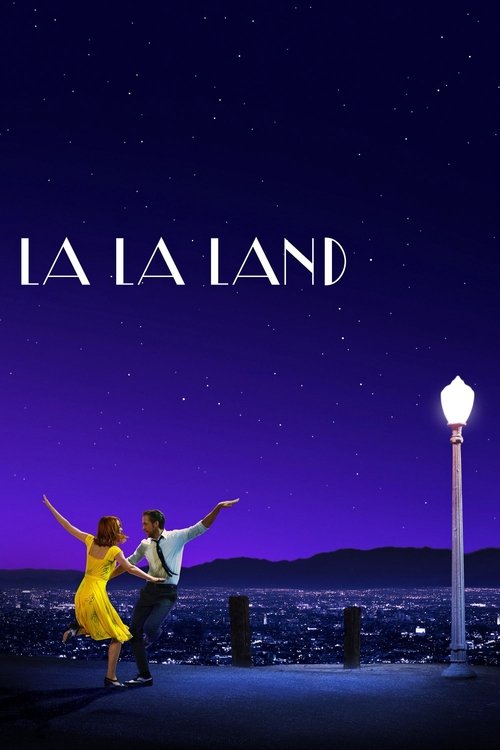
I remember watching La La Land for the first time while nursing a lukewarm Diet Coke and eating a bag of slightly stale Haribo Goldbears. By the time the screen faded to black, the sugar crash was hitting me hard, which, in hindsight, is exactly how this movie is designed to make you feel. It’s a dizzying high followed by a melancholic, "oh-so-this-is-adulthood" comedown.
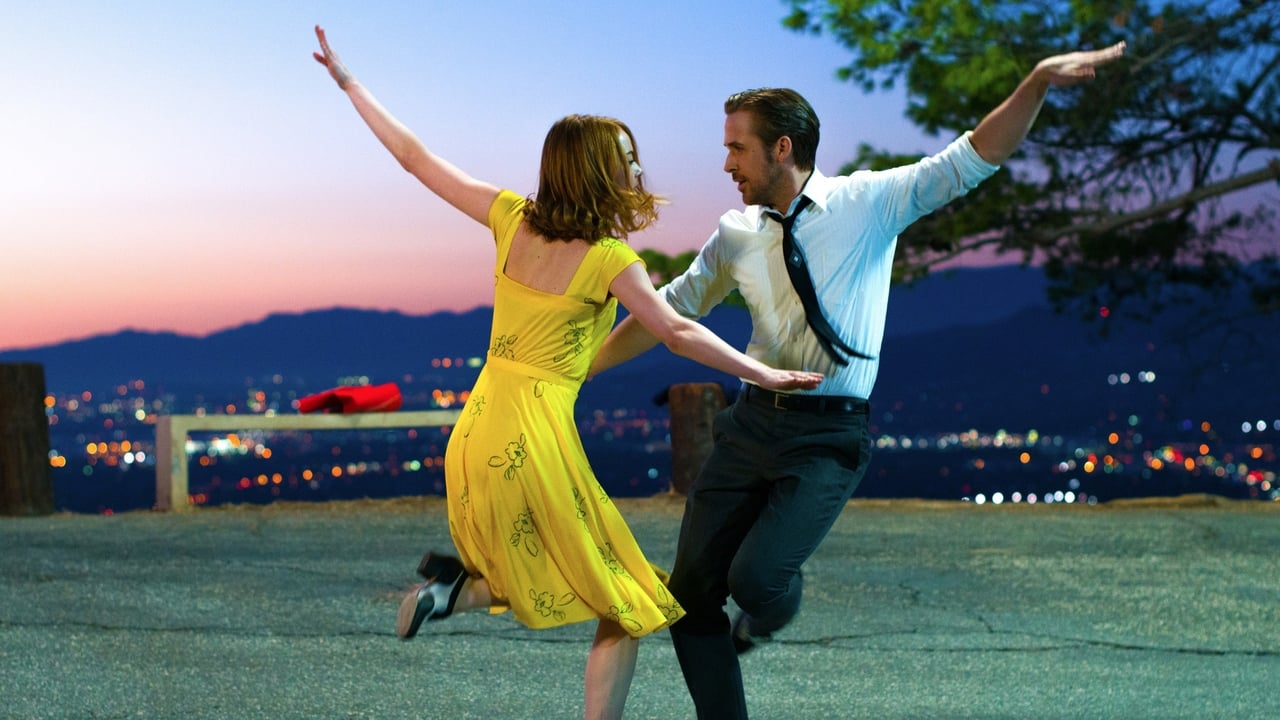
In an era where every second movie is a sequel, a reboot, or a "legacy" something-or-other, Damien Chazelle—fresh off the sweat-and-blood intensity of Whiplash—decided to do the unthinkable in 2016: he made an original, big-budget, Technicolor-inspired musical. It felt like a glitch in the Matrix, or perhaps just a very expensive dare. But for those of us who grew up on the DNA of The Umbrellas of Cherbourg or Singin’ in the Rain, it felt like a homecoming.
Sunset Blvds and Jazz-Splaining
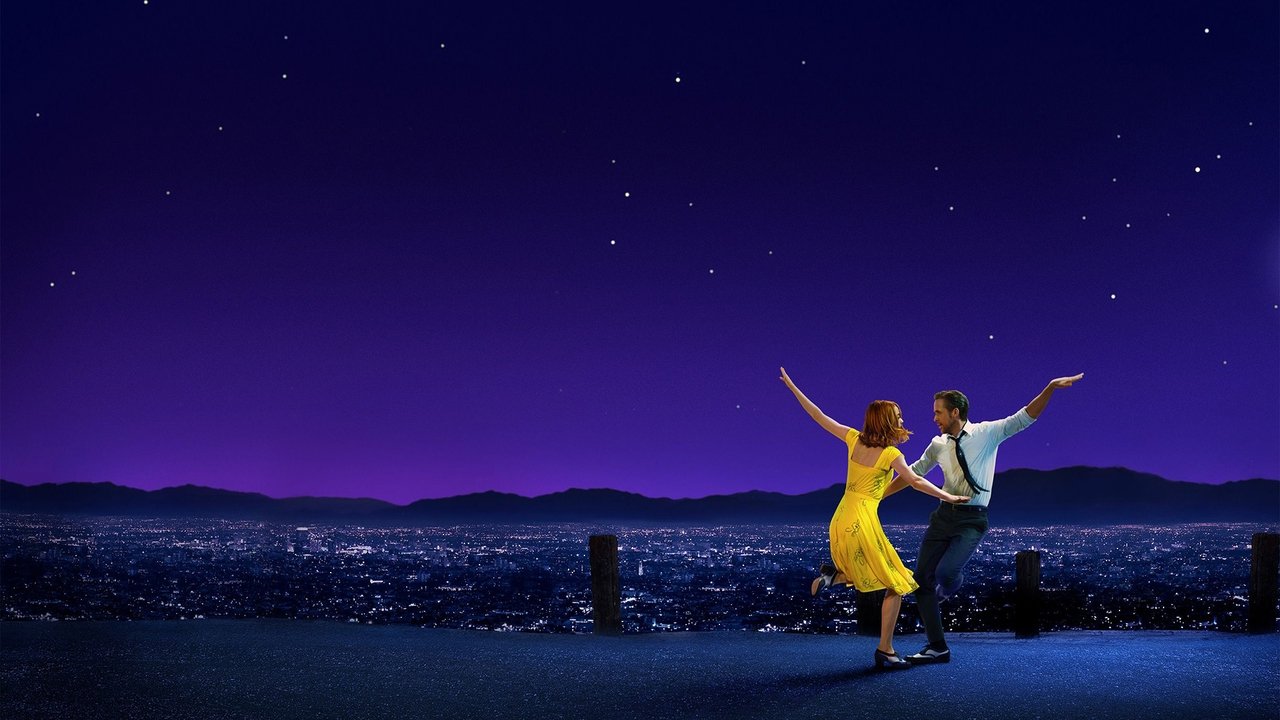
The plot is deceptively simple. Mia (Emma Stone) is an aspiring actress pulling espresso shots for movie stars on the Warner Bros. lot, while Sebastian (Ryan Gosling) is a jazz purist who wants to save a dying art form but currently pays his bills playing "Jingle Bells" in a dingy restaurant. They meet, they clash, they dance on a hill overlooking the San Fernando Valley, and they fall in love.
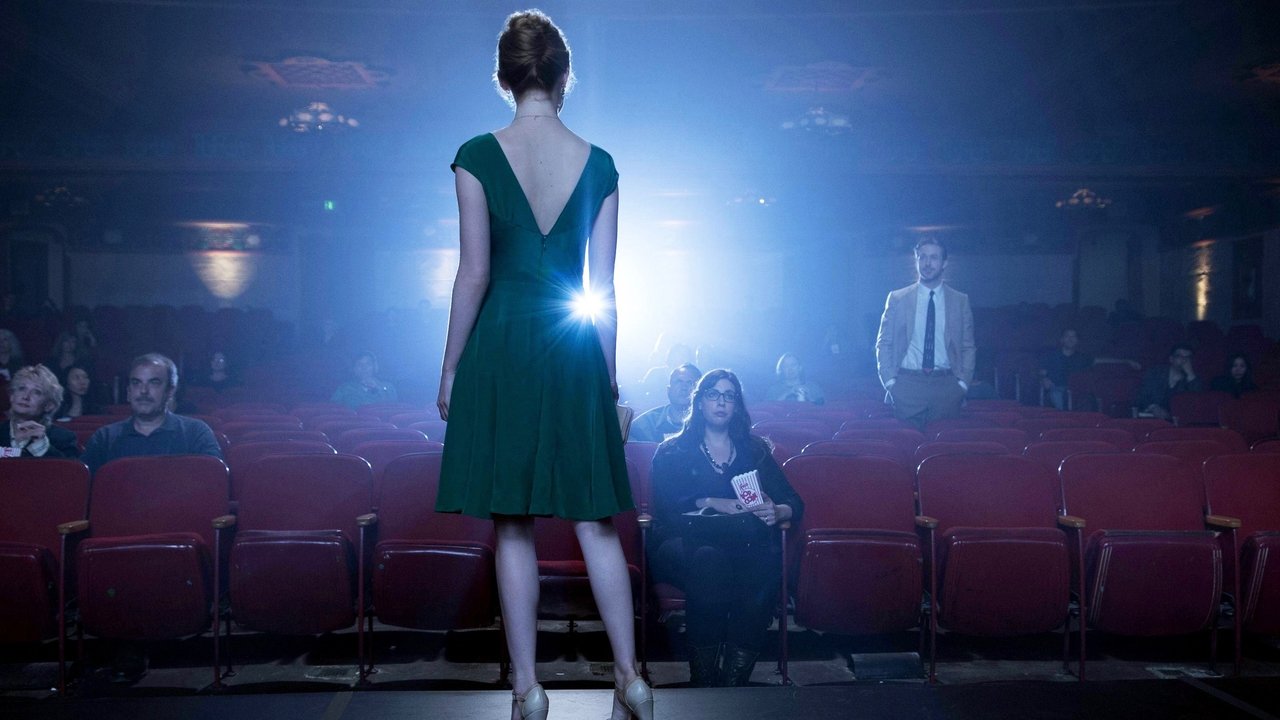
But what I love about La La Land is that it isn’t actually a movie about love—it’s a movie about ambition. Ryan Gosling’s "jazz-splaining" is the most relatable annoying boyfriend behavior ever put on film, yet you forgive him because he plays that piano with a desperate, singular focus. Meanwhile, Emma Stone delivers a performance that feels like it’s being lived in real-time. Her "Audition (The Fools Who Dream)" number is the moment the movie stops being a flashy musical and starts being a raw confession. She’s the heart of the film, and it’s no wonder she walked away with the Oscar.
The Craft Behind the Curtain

Technically, the film is a beast. Linus Sandgren, who won the Academy Award for Cinematography, uses a floating, restless camera that makes the Los Angeles traffic feel like a Broadway stage. That opening number, "Another Day of Sun," was filmed on a literal EZ-pass ramp in 110-degree heat. You can almost feel the sweat through the screen.
Then there’s the music. Justin Hurwitz, Chazelle’s long-time collaborator, created a score that is now permanently lodged in the collective consciousness. "City of Stars" became a ubiquitous anthem of the mid-2010s, but it’s the smaller, piano-driven motifs that really get under your skin. The film manages to feel both like a relic of 1952 and a sharp commentary on the 2016 gig economy. It understands that in the modern world, following your dreams often requires a ruthless sort of selfishness.
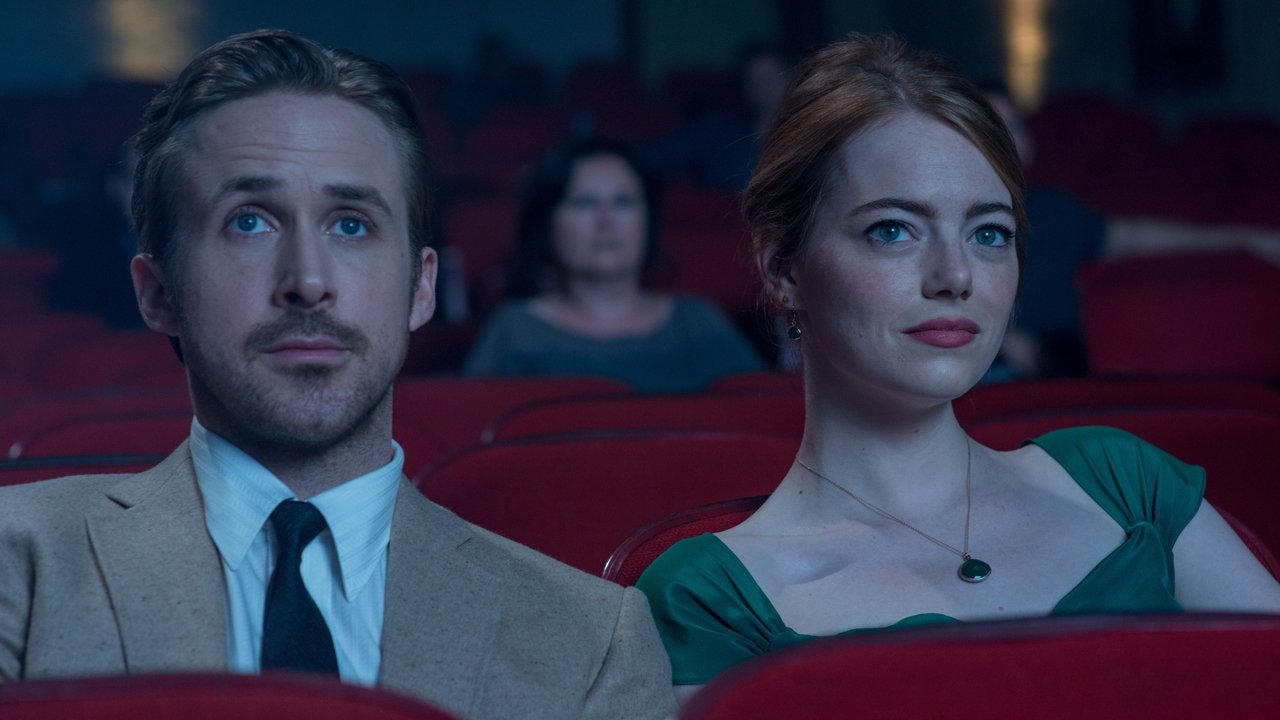
The production itself was a high-wire act. Before Ryan Gosling and Emma Stone signed on, the roles were famously linked to Miles Teller and Emma Watson. I can’t help but think the movie would have lacked that specific, lived-in chemistry without the "Gos-Stone" pairing. They have a shorthand that makes the dialogue-heavy scenes feel as rhythmic as the dance numbers. Even the inclusion of John Legend as Keith—a musician who dares to suggest that jazz needs to evolve to survive—adds a layer of contemporary debate that keeps the film from being a total exercise in nostalgia.
That Infamous Night in February
You can't talk about La La Land without mentioning the "Best Picture" blunder at the 89th Academy Awards. For two minutes, the world thought Chazelle’s film had won the top prize before the producers of Moonlight were rightfully called up. It was the most chaotic moment in live television history, and it weirdly shifted the narrative of the film. People started viewing La La Land as the "prestige frontrunner" that was somehow too traditional.
But looking back now, outside the noise of awards season, the film holds up as a beautifully constructed piece of cinema. It’s not "Oscar bait" in the cynical sense; it’s an earnest, sometimes painful look at the cost of success. The "Epilogue"—that ten-minute "what if" sequence—is one of the most heartbreaking pieces of editing I’ve ever seen. It’s a masterpiece of "if only," showing us a life that could have been, underscored by a melody that refuses to resolve.
La La Land is a rare feat in contemporary cinema: an original story that feels like it has always existed. It captures the specific, sun-drenched loneliness of Los Angeles and pairs it with a score that will break your heart. If you’re a dreamer—or a fool who once was one—this movie is going to stay with you long after the credits roll.
It’s a reminder that even when we get everything we ever wanted, we still have to leave something behind. Whether you’re watching it in a theater or on your couch with some questionable snacks, the magic is undeniable. Just be prepared for that final look between Mia and Seb—it hits harder than any plot twist ever could.
Keep Exploring...
-
Love, Simon
2018
-
Babylon
2022
-
First Man
2018
-
Anomalisa
2015
-
The Big Sick
2017
-
Licorice Pizza
2021
-
Youth
2015
-
Paterson
2016
-
Swiss Army Man
2016
-
The Ballad of Buster Scruggs
2018
-
The Half of It
2020
-
The Hating Game
2021
-
The Worst Person in the World
2021
-
To All the Boys: Always and Forever
2021
-

Me Before You
2016
-
Gifted
2017
-
Green Book
2018
-

Five Feet Apart
2019
-
Jojo Rabbit
2019
-
Little Women
2019