Lights Out
"The darkness is no longer your friend."
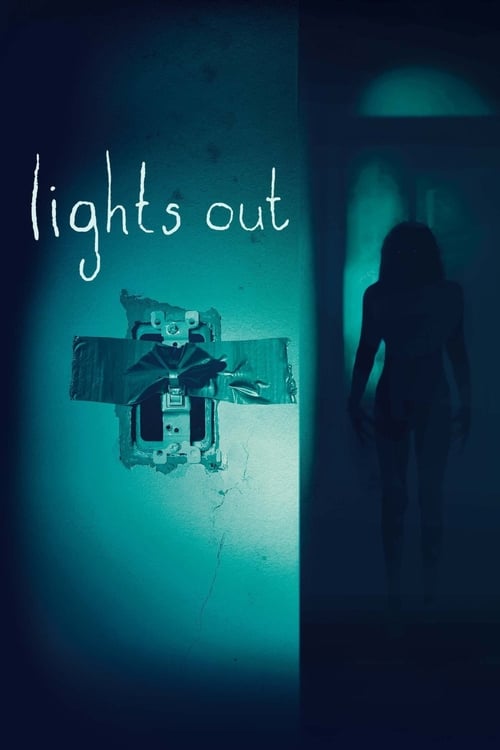
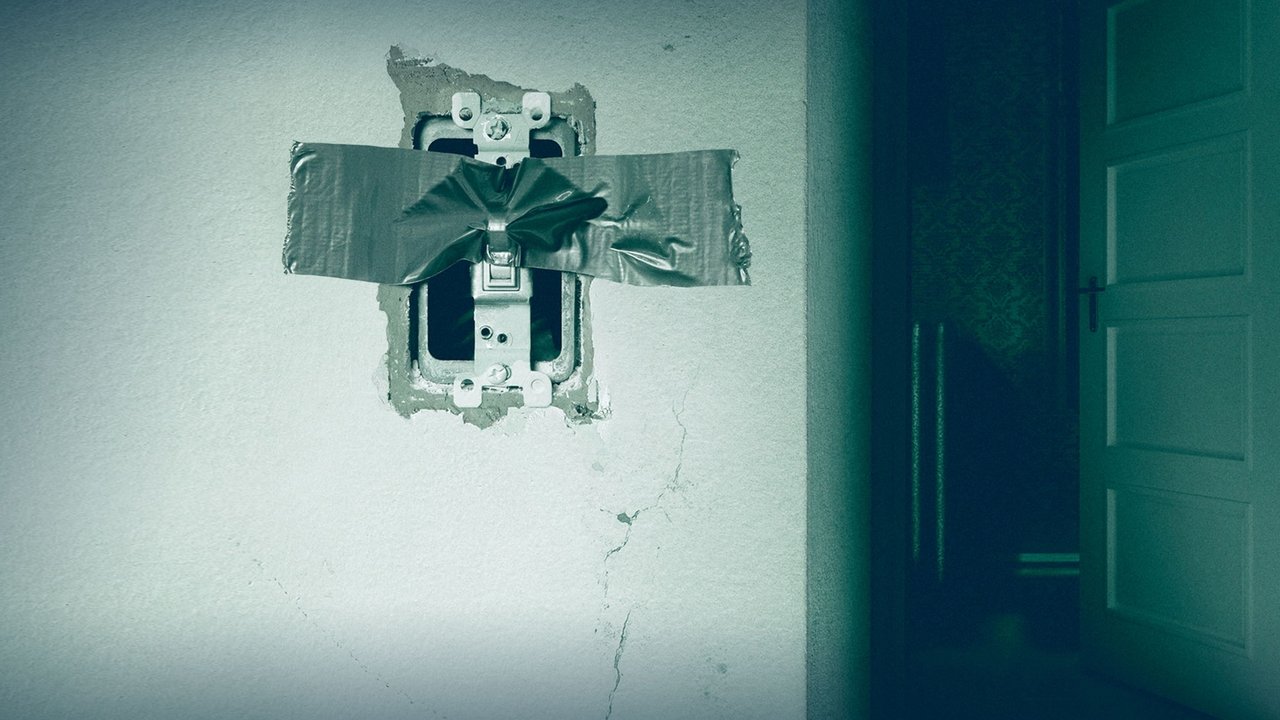
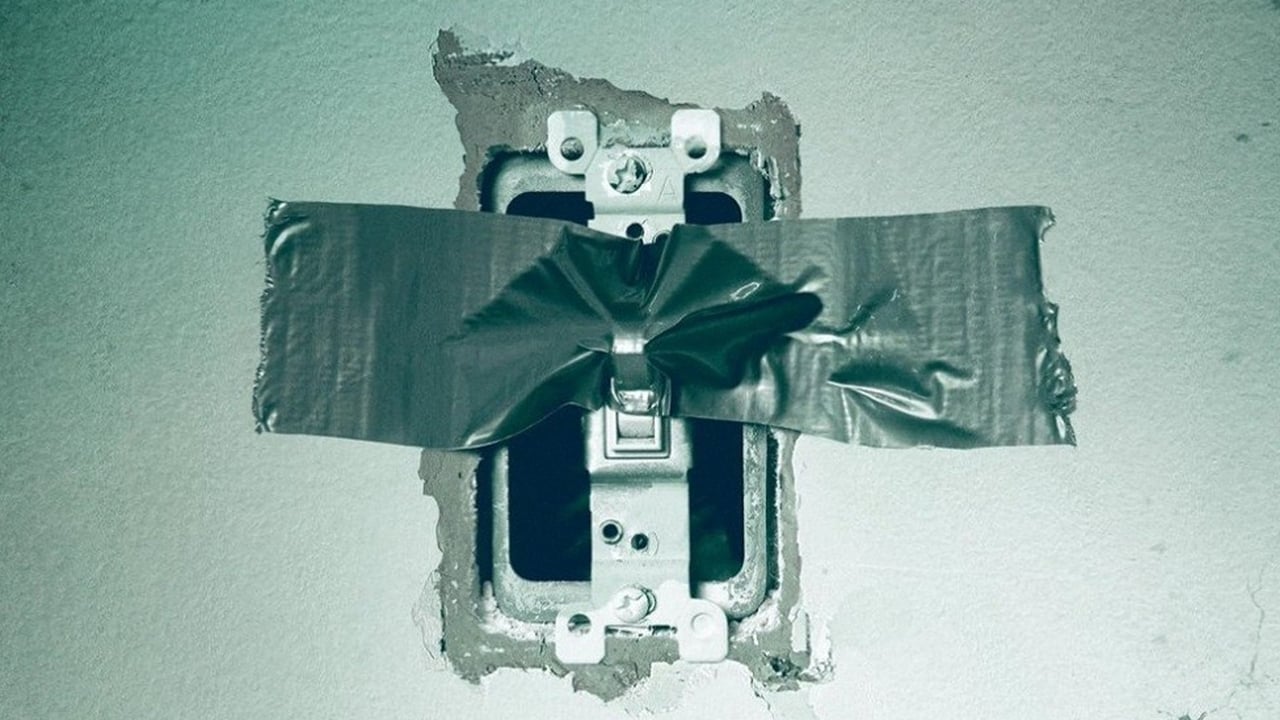
Imagine you’re standing in a hallway. You flick the light switch off, and for a split second, a silhouette stands at the far end. You flick the light back on. Nothing. Off again. The silhouette is closer. This isn't just a classic nightmare; it’s the core hook that turned a three-minute YouTube video into a $149 million juggernaut. I watched this movie while drinking a lukewarm seltzer that had lost its carbonation about twenty minutes before the first jump scare, and honestly, the flat bubbles were the only thing in my living room that wasn't tense.
David F. Sandberg’s Lights Out arrived in 2016 at the height of a specific horror gold rush. Produced by James Wan (the man behind The Conjuring and Saw), it perfectly captures the mid-2010s obsession with high-concept, "gimmick" horror that actually had the legs to carry a feature film. In an era where streaming was just starting to gobble up the mid-budget drama, horror became the last reliable bastion of the theatrical experience. People wanted to scream in a dark room with strangers, and Lights Out gave them a reason to keep their bedside lamps on for a week.
From Viral Short to Studio Gold
The story of Lights Out is a modern-day Hollywood fairy tale. David F. Sandberg and his wife, Lotta Losten, made a tiny short film in their apartment in Sweden with zero budget. It went viral, terrified millions, and caught the eye of James Wan’s Atomic Monster. This is the "Contemporary Cinema" era in a nutshell: the democratization of filmmaking where a viral hit acts as a calling card for a $5 million studio deal.
The transition from a three-minute sketch to an 81-minute narrative is surprisingly graceful. We follow Rebecca (Teresa Palmer, who brings a grounded, alt-rock sensibility to the role) as she tries to protect her younger brother, Martin (Gabriel Bateman), from a supernatural entity named Diana (Alicia Vela-Bailey). The catch? Diana only exists in the shadows. If a light is on, she’s gone. This creates a brilliant physical language for the film. Marc Spicer’s cinematography treats light not just as a visual choice, but as a literal weapon and a shield. Watching characters scramble for candles, wind-up flashlights, and neon signs feels like watching a high-stakes chess match played with photons.
The Smartest Boyfriend in Horror History
One of my biggest gripes with the "franchise-ready" horror of the last decade is the tendency for characters to act like they’ve never seen a scary movie in their lives. However, Lights Out gives us Bret, played by Alexander DiPersia. Bret is quite possibly the most competent boyfriend in the history of cinema. When things go sideways, he doesn't wander into the basement with a dying phone; he uses his car key fob to strobe the headlights and save his skin. It’s a refreshing break from the "stupid victim" trope, and I found myself rooting for him specifically because he didn't have a death wish.
Beneath the jump scares, there’s a surprisingly heavy subtext regarding mental health. Sophie (Maria Bello) is the mother struggling with a deep, paralyzing depression. Diana is framed as a manifestation of that illness—a toxic "friend" from Sophie's past who wants to keep her isolated and in the dark. While some critics at the time felt the ending was a bit messy in its handling of the mental health metaphor, I think Maria Bello sells the tragedy of the situation beautifully. She isn’t a villain; she’s a victim of a parasitic attachment.
Practical Shadows and Big Business
Despite its modest $4.9 million budget, Lights Out doesn't look cheap. Sandberg insisted on using practical lighting as much as possible, which gives the scares a tangible, "in the room" feel. Alicia Vela-Bailey, a legendary stuntwoman, wore a practical suit to play Diana, and the way she moves—twitchy, predatory, and silent—is deeply unsettling. It’s a testament to the idea that you don't need $100 million in CGI to ruin a viewer’s sleep schedule.
Financially, this movie was an absolute monster. It earned back its budget nearly thirty times over, proving that in the age of the MCU and massive franchises, a well-executed original concept can still dominate the cultural conversation. It launched Sandberg directly into the director's chair for Annabelle: Creation and the Shazam! franchise, proving that the YouTube-to-Blockbuster pipeline was officially open for business.
The film's impact was immediate, sparking endless "light switch" memes and cementing Diana as a minor horror icon of the 2010s. While it doesn't reinvent the wheel, it spins it with incredible speed and precision.
Lights Out is a lean, mean, 81-minute machine that understands exactly what it is. It’s a "popcorn" horror film in the best sense—designed to be watched with friends, punctuated by collective gasps and nervous laughter. It captures the anxiety of its era, using the simple fear of the dark to explore deeper fears of family trauma and isolation. If you’ve skipped this one because you thought it was just "another jump-scare movie," give it a shot. Just make sure you’ve got fresh batteries in your flashlight before you hit play.
Keep Exploring...
-
Annabelle: Creation
2017
-
Until Dawn
2025
-
Shazam!
2019
-
Happy Death Day
2017
-
Insidious: Chapter 3
2015
-
10 Cloverfield Lane
2016
-
Don't Breathe
2016
-
Resident Evil: The Final Chapter
2016
-

The Conjuring 2
2016
-
The Purge: Election Year
2016
-

The Shallows
2016
-
It
2017
-

Jigsaw
2017
-
Split
2017
-
Bird Box
2018
-

Halloween
2018
-

Insidious: The Last Key
2018
-
The First Purge
2018
-
The Meg
2018
-
The Nun
2018