Lion
"Lost in a billion. Found in a pixel."

There is a specific kind of vertigo that comes from looking at your own life through a satellite lens. I spent forty minutes the other night trying to find the exact spot in my childhood backyard where I buried a time capsule in 1998, only to realize the new owners had built a paved patio over my plastic box of Pogs and broken dreams. It’s a trivial displacement, but Lion takes that digital search for the past and turns it into a staggering inquiry into the nature of the soul.
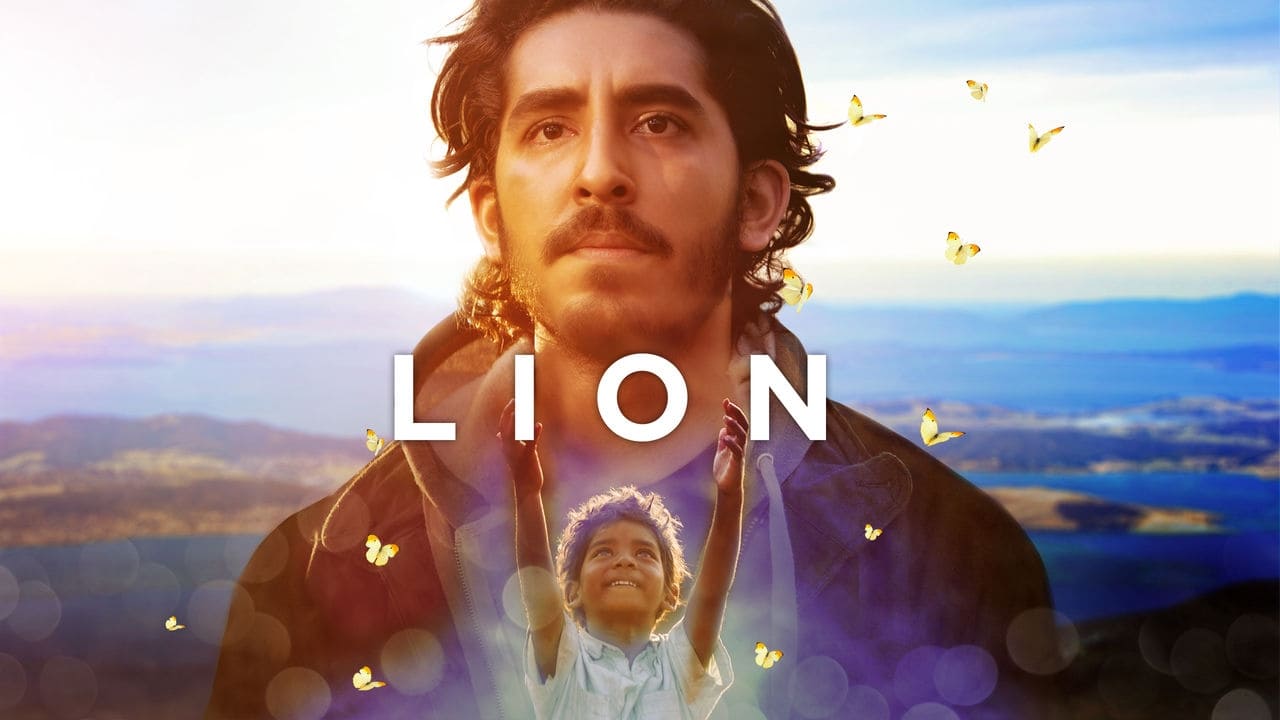
While many "prestige" dramas of the mid-2010s felt like they were engineered in a lab to harvest gold statues, Garth Davis’s debut feature breathes with a rare, suffocating intimacy. It’s a film of two distinct movements: a terrifying, Dickensian survival story in the first hour, followed by a slow-burn psychological unraveling in the second. It asks a question that feels increasingly relevant in our hyper-connected, yet lonely, digital age: If you don't know where you started, do you actually know where you are standing?
The Geography of a Forgotten Life
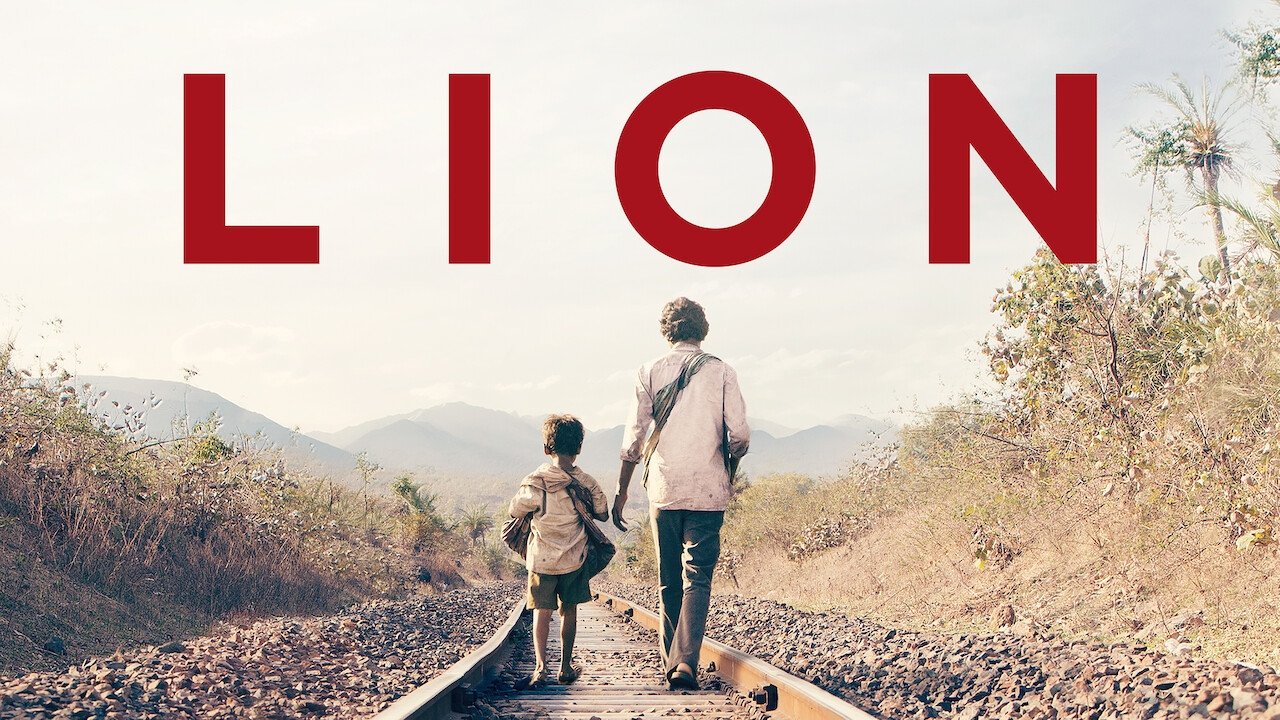
The first half of the film is almost entirely wordless, or at least, devoid of language we are meant to "understand" through dialogue. We are tethered to five-year-old Saroo, lost in the labyrinth of the Indian railway system. The cinematography by Greig Fraser—who has since become the go-to guy for the massive scale of Dune and The Batman—is breathtaking here. He shoots the Calcutta (Kolkata) stations not as exotic backdrops, but as towering, indifferent monsters.
I watched this on a Tuesday night while eating leftover cold lo mein, and the contrast between my mindless comfort and Saroo’s sheer, primal terror at being unable to scream his mother's name effectively made me feel like a massive jerk. The film doesn't rely on cheap sentiment; it relies on the architecture of a child's fear. When Saroo eventually finds himself in Australia, adopted by the well-meaning Brierleys (Nicole Kidman and David Wenham), the transition is jarring. The silence of the Tasmanian coast feels just as alien as the noise of the Indian slums. It’s here that the film shifts from an adventure into a philosophical weight.
A Performance of Two Halves

Dev Patel underwent a massive transformation for this role, shedding the frantic, wiry energy of Slumdog Millionaire for something somber and internalized. He spent eight months growing out his hair and beard and hitting the gym, but the real work is in his eyes. He plays adult Saroo as a man who is "passing" for happy while his subconscious is screaming. Rooney Mara, playing his girlfriend Lucy, does a lot of heavy lifting in scenes that could have felt thankless, acting as the anchor to a man who is drifting out to sea.
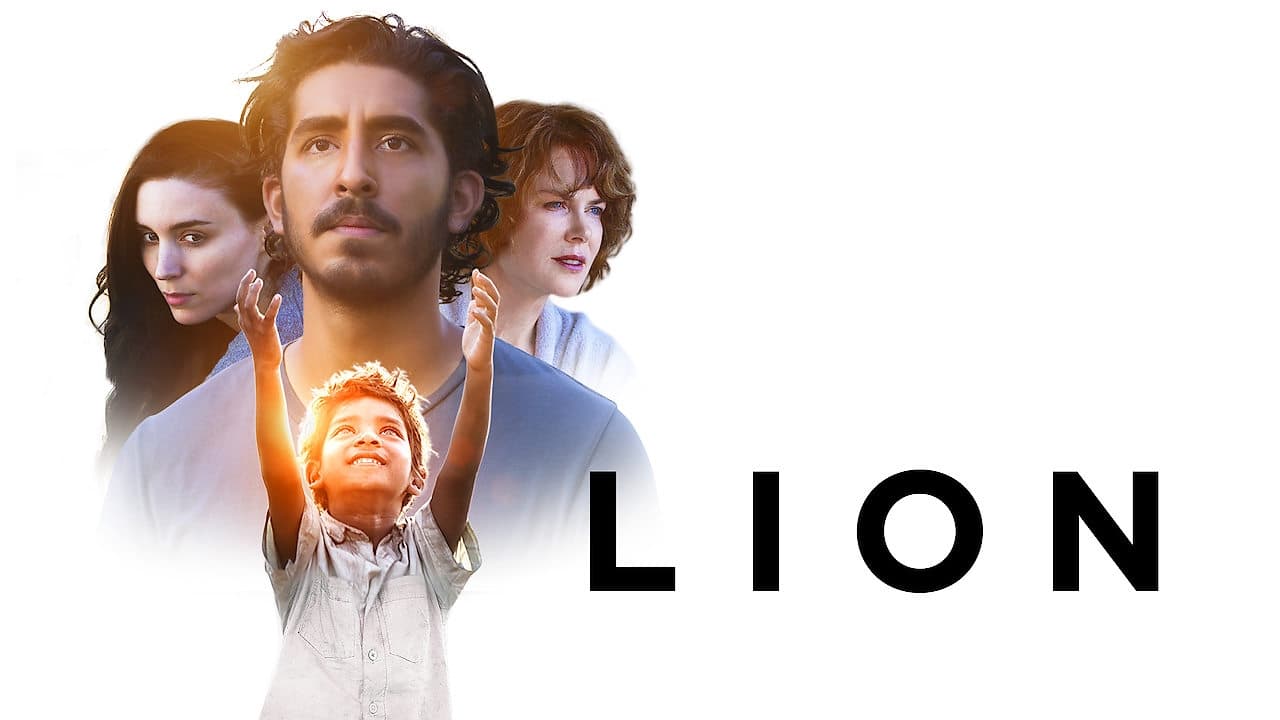
However, it is Nicole Kidman who provides the film’s emotional spine. There is a scene where she explains to Saroo why she chose to adopt—rather than being unable to conceive—that is easily some of the best work of her career. It elevates the movie from a simple "lost and found" story into a discussion about the ethics of family and the privilege of choice. It’s also worth noting that Abhishek Bharate, playing Saroo’s older brother Guddu, carries the emotional ghost of the film. His presence looms over the second half like a shadow that Saroo can’t quite catch.
The Prestige of the Pixel
Released at the tail end of the "Weinstein Era" of awards campaigning, Lion could have easily been dismissed as "Oscar bait." It checked all the boxes: true story, international cast, tear-jerker ending. But it survives that cynical label because it engages so deeply with the specific technology of its time. This is basically the most expensive Google Earth commercial ever made, but it works because it treats the software as a modern-day dowsing rod.

The film was a massive critical darling, earning six Academy Award nominations, including Best Picture. Interestingly, Nicole Kidman felt a deep personal connection to the material, as she has adopted children in real life; she reportedly told the real Sue Brierley that she wanted her to feel "honored" by the portrayal.
The production was also remarkably committed to authenticity. The crew spent weeks filming in actual locations in Kolkata and rural India, often dealing with massive crowds that had to be managed without breaking the "period" feel of the late 80s. Apparently, the real Saroo Brierley was heavily involved, and the "found" footage at the end of the film isn't just a gimmick—it’s the necessary catharsis for a story that feels almost too miraculous to be true.
Lion is a rare drama that manages to be both intellectually rigorous and shamelessly emotional. It forces you to reckon with the sheer luck of your own geography. By the time the credits roll, you aren't just thinking about Saroo's journey; you're thinking about the thin, invisible threads that connect you to your own past. It’s a film that earns its tears not through manipulation, but through a profound respect for the persistence of memory. If you haven't seen it since 2016, it’s time to find it again. Just make sure you have a box of tissues and a stable internet connection—you’ll likely find yourself staring at satellite maps for an hour afterward.
Keep Exploring...
-
Spotlight
2015
-

Straight Outta Compton
2015
-

Captain Fantastic
2016
-

Wonder
2017
-
Beautiful Boy
2018
-

Love, Simon
2018
-

Five Feet Apart
2019
-

Little Women
2019
-

The Father
2020
-

A Silent Voice: The Movie
2016
-
Perfect Strangers
2016
-

The Greatest Showman
2017
-

Midnight Sun
2018
-
Ford v Ferrari
2019
-

Miracle in Cell No. 7
2019
-
Finch
2021
-
Guillermo del Toro's Pinocchio
2022
-

Hacksaw Ridge
2016
-
Bāhubali: The Beginning
2015
-

The Danish Girl
2015