Loving
"The quietest revolution ever filmed."
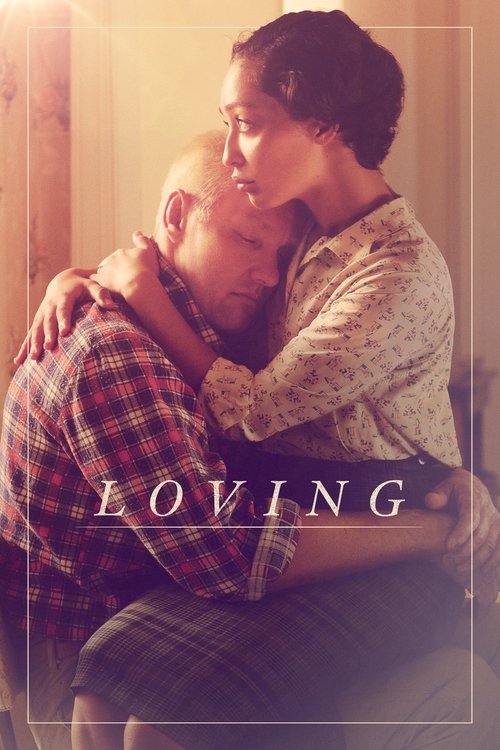
I remember watching Loving for the first time on a Sunday afternoon while my neighbor was outside aggressively pressure-washing his driveway. The rhythmic, dull roar of the water against concrete should have been a distraction, but strangely, it underscored the very thing that makes Jeff Nichols’ 2016 masterpiece so singular: the persistence of work. In this movie, love isn’t a series of grand speeches or orchestral swells; it’s the steady, silent act of laying one brick on top of another.

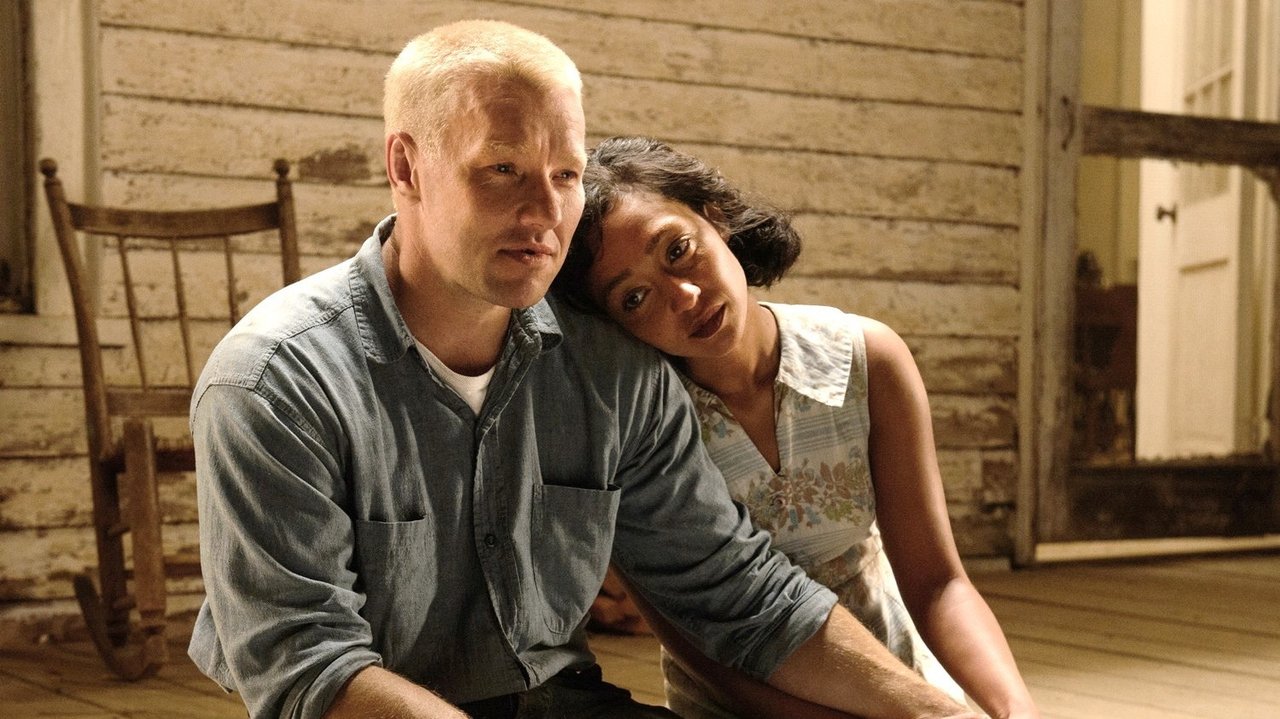
When we talk about "civil rights movies," we usually expect a certain volume. We expect the courtroom theatrics, the sweat-beaded brows of lawyers, and the soaring rhetoric of justice. Loving has almost none of that. It tells the story of Richard and Mildred Loving—the couple whose 1958 arrest for interracial marriage led to the landmark Supreme Court decision Loving v. Virginia—but it stays focused on the porch, the kitchen, and the tobacco fields. It is a film that values the domestic over the legislative, and in doing so, it creates something far more radical than a standard biopic.
The Power of Not Talking
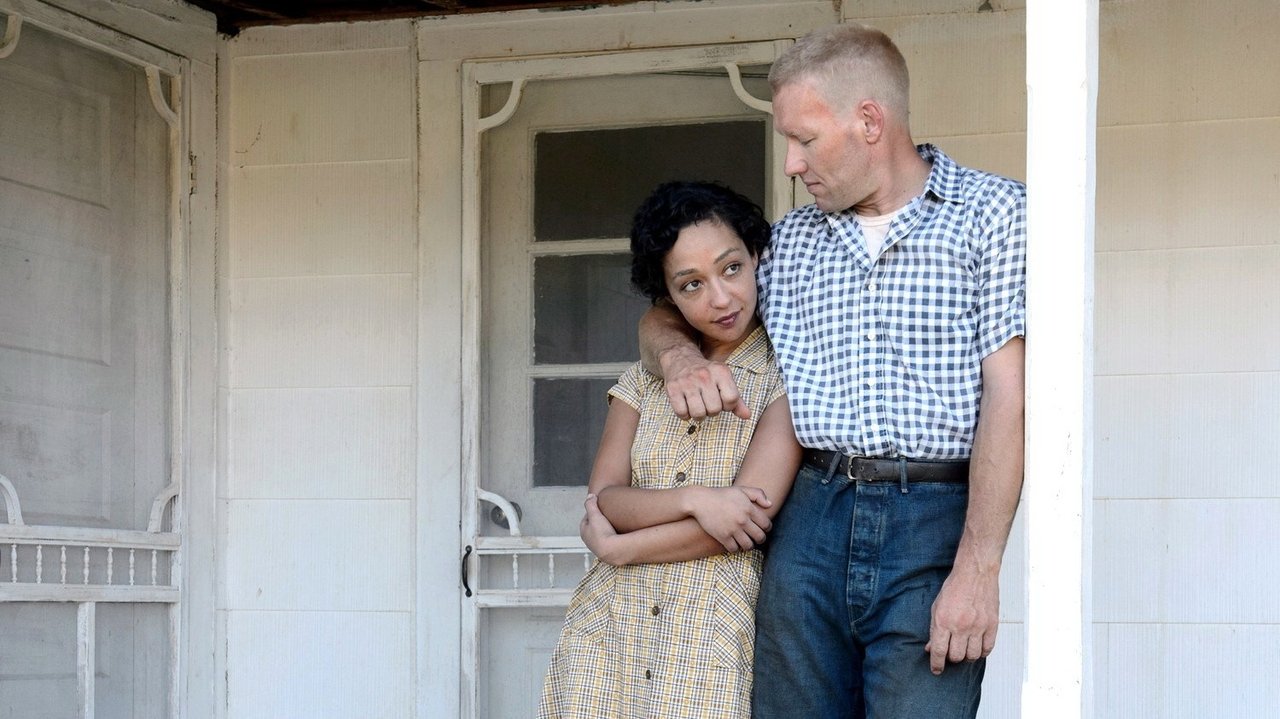
The film rests entirely on the shoulders of Joel Edgerton and Ruth Negga, and their chemistry is a masterclass in internal performance. Joel Edgerton plays Richard as a man of few words and even fewer visible emotions. He’s a bricklayer by trade, and he approaches his marriage with the same sturdy, literal-minded dedication. He isn’t trying to change the world; he just wants to build a house for his wife on a piece of land in Central Point, Virginia.
Opposite him, Ruth Negga is a revelation. While Richard is a wall, Mildred is a window. Her performance is almost entirely in her eyes—watchful, hopeful, and increasingly aware of the historical weight settling on her shoulders. I’ve always found it a bit of a tragedy that the film didn't do better at the box office (it famously grossed less than its $9 million budget), because Negga’s work here is some of the most soulful acting of the 2010s. She captures the transition from a private woman to a public figure with such grace that you barely notice the shift until she’s writing a letter to Robert F. Kennedy.
The supporting cast is equally dialed into this frequency of realism. Michael Shannon shows up for a brief, wonderful turn as Life magazine photographer Grey Villet, capturing the couple in their natural habitat. Even Nick Kroll, largely known for his comedy, plays the couple's ACLU lawyer Bernie Cohen with a nervous, city-slicker energy that provides a necessary contrast to the Lovings’ rural stillness.
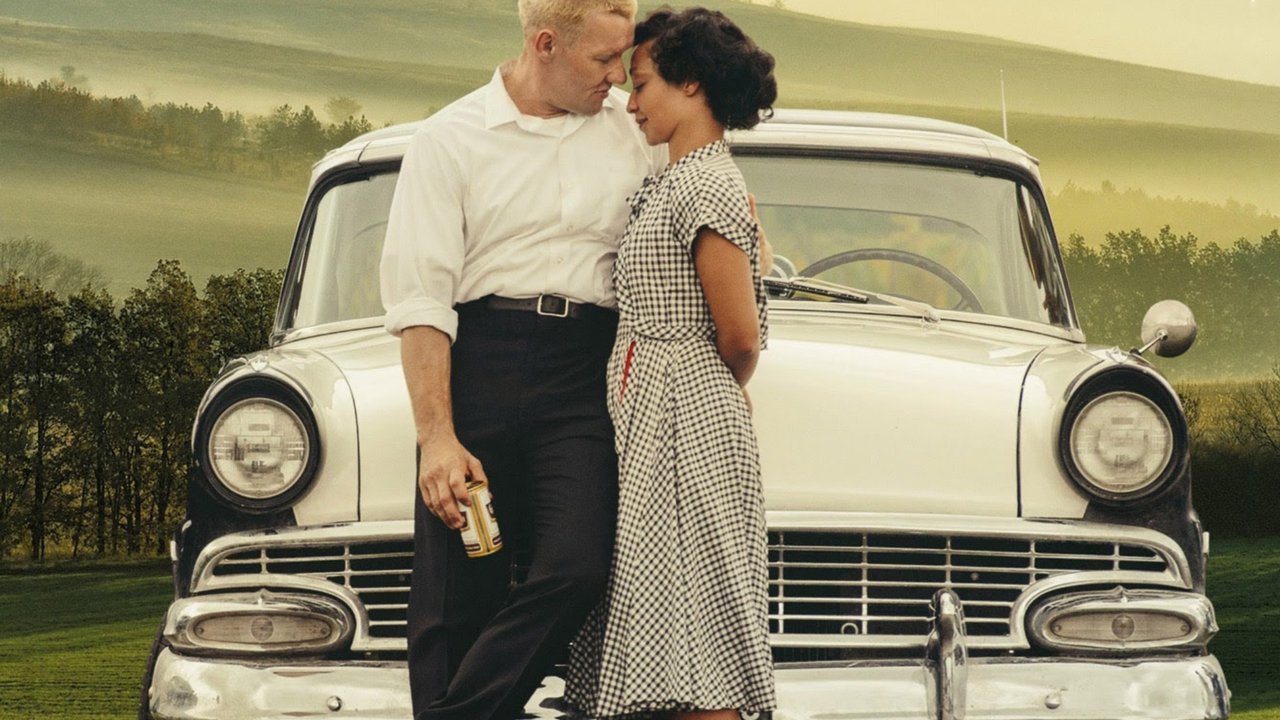
A Modern Relic of "Quiet" Cinema
Released in 2016, Loving arrived at a moment when the "prestige drama" was undergoing a massive shift. We were moving into an era where social media discourse demanded that films be "important" and "loud" in their messaging. Loving refused to play that game. It’s a movie that trusts its audience to have a pulse instead of a checklist, and that might be why it has slipped into a bit of undeserved obscurity.
In our current era of franchise dominance and "content" designed to be watched while scrolling through a phone, Loving feels like a stubborn relic. It demands your full attention not because it’s loud, but because it’s so quiet you’ll miss the nuance if you blink. Director Jeff Nichols (who also wrote the screenplay) avoids every "white savior" trope in the book. There are no scenes of Richard Loving having an epiphany about race; he simply loves his wife. Audiences stayed away because the film didn't give them a cathartic shouting match or a simplified villain to hiss at, and that’s their loss. The villain here isn't just a racist sheriff (played with chilling casualness by Marton Csokas); it’s the mundane, bureaucratic cruelty of a law that tells two people they cannot exist in the same space.
Why This Matters Now
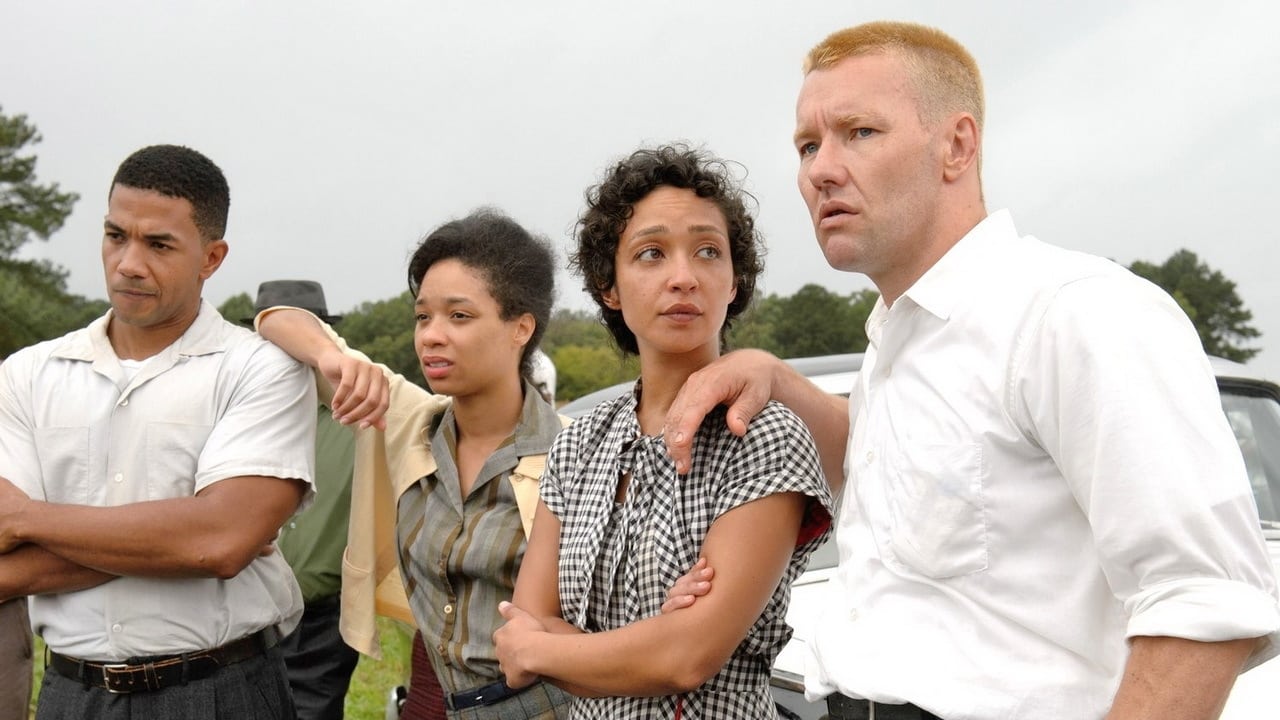
There’s a specific kind of bravery in being ordinary. Behind-the-scenes, Nichols was heavily inspired by the 2011 documentary The Loving Story, and he went to great lengths to recreate the couple's actual environment, filming in Virginia near the real locations. This commitment to authenticity keeps the film from feeling like a history lesson. It feels like a home movie that just happens to be breathtakingly beautiful.
I find myself thinking about Loving more often than most of the Best Picture nominees from that year. In a contemporary landscape where rights are often debated in the abstract, this film grounds those rights in the physical. It’s about the right to go to sleep next to the person you love without the police kicking in your door at 2:00 AM. It’s about the right to raise children where your parents were raised.
If you missed this one during its theatrical run—which, based on the financial data, most of you did—it’s time to rectify that. It’s a romance that feels earned, a drama that feels honest, and a piece of history that feels alive.
Loving is the cinematic equivalent of a perfectly seasoned cast-iron skillet: heavy, durable, and gets the job done without any unnecessary flash. It’s a rare contemporary film that understands that sometimes the most powerful thing a person can do is simply refuse to move. You won't leave the couch feeling energized by a victory; you'll leave feeling moved by the sheer, exhausting work of being human.
Keep Exploring...
-

Midnight Special
2016
-

The Bikeriders
2024
-
Take Shelter
2011
-
Anomalisa
2015
-

Equals
2015
-

Far from the Madding Crowd
2015
-

The Light Between Oceans
2016
-
Home Again
2017
-
Professor Marston and the Wonder Women
2017
-

The Discovery
2017
-
Disobedience
2018
-
If Beale Street Could Talk
2018
-

The Aeronauts
2019
-
Tolkien
2019
-

I Still Believe
2020
-
Mud
2013
-

Suite Française
2015
-
High Strung
2016
-

Up for Love
2016
-

Attraction
2017