Mine
"The longest walk is the one you can't take."
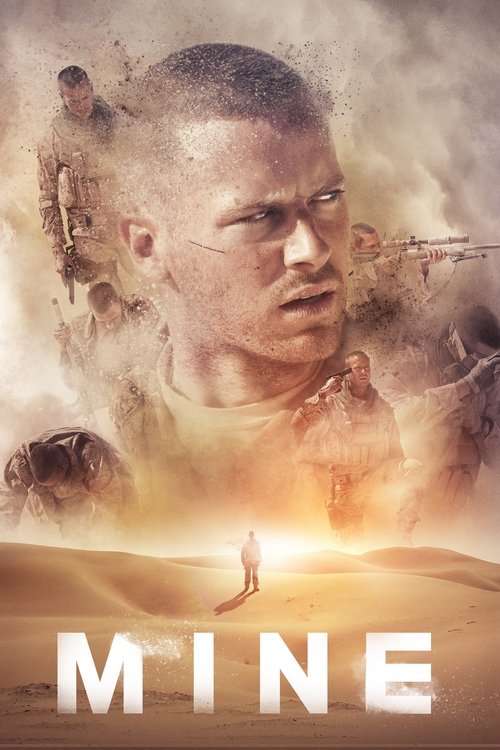
I’m currently writing this while balancing on one leg, mostly because I wanted to see if I possessed even a fraction of the physical discipline required to survive the 2016 thriller Mine. Spoiler: I don’t. My calf cramped after ninety seconds, and I immediately reached for a handful of lukewarm pretzels. Meanwhile, the protagonist of this high-concept endurance test has to stay perfectly still for fifty-two hours.
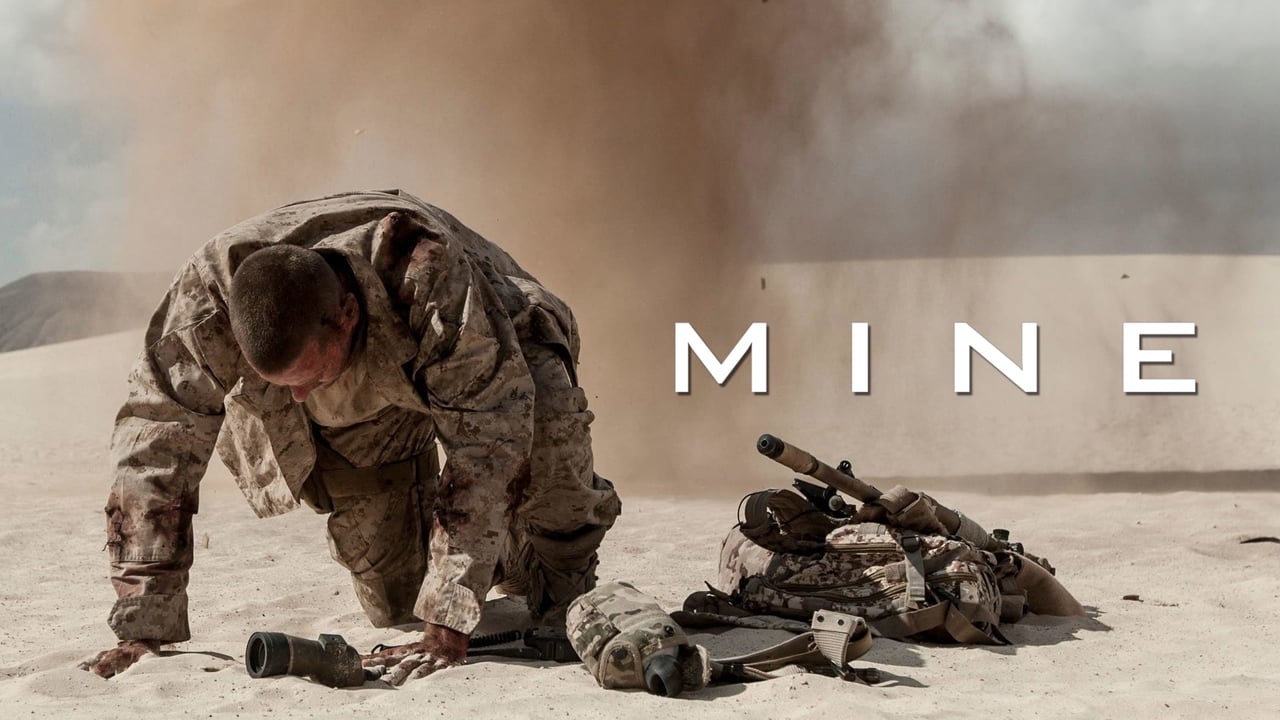
Mine is a film that belongs to a very specific subgenre of contemporary cinema: the "Single-Location Agony" movie. Think Buried or 127 Hours, but instead of a coffin or a crevice, our hero is trapped by a six-inch circle of metal buried in the Saharan sand. It’s a high-concept endurance test that feels like a yoga session designed by Jigsaw, and while it doesn't always stick the landing, it’s a fascinating relic of the pre-streaming-boom era that deserves a second look.
The Ultimate Game of "The Floor is Lava"
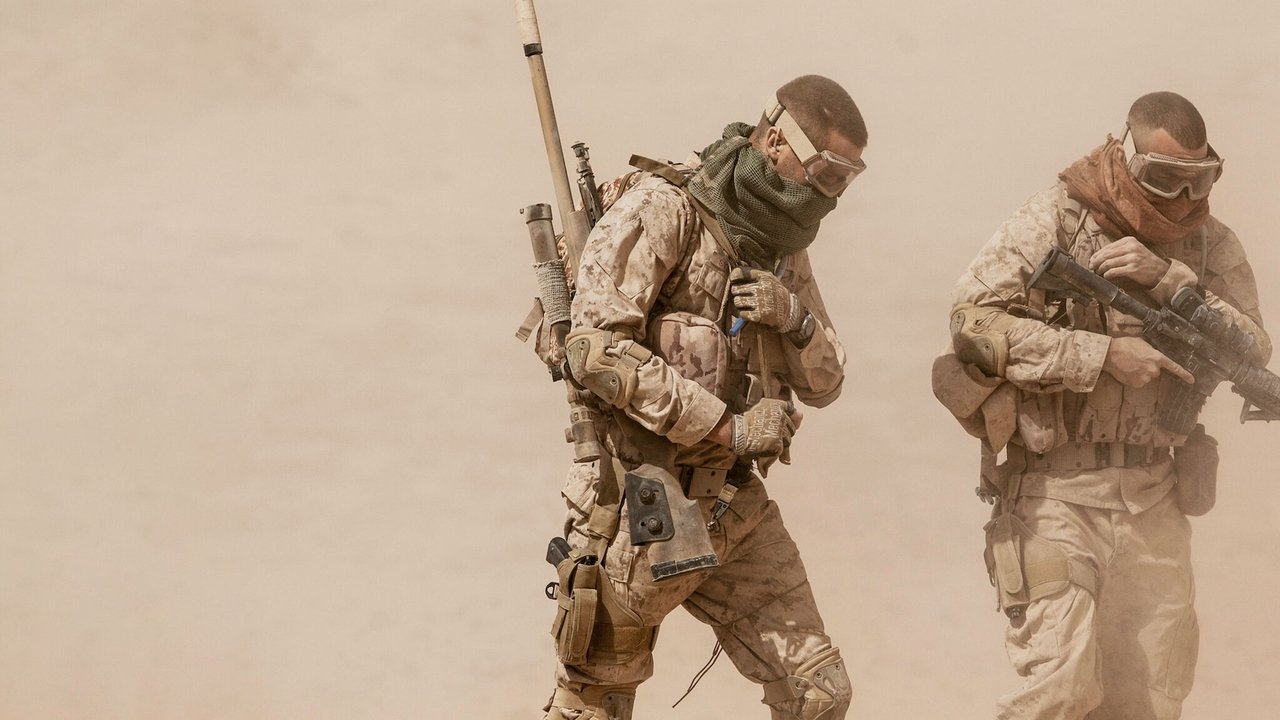
The premise is deceptively simple. After a botched assassination attempt in the desert, Marine sniper Mike Stevens (Armie Hammer) and his spotter Tommy (Tom Cullen) find themselves wandering into a minefield. Tommy takes a catastrophic step, and moments later, Mike hears the sickening click of a pressure plate beneath his own boot. He’s stuck. If he moves, he’s pink mist.
What follows is a grueling psychological breakdown. Mike is stranded with limited water, a radio that barely works, and the predatory wildlife of the desert circling like vultures. Armie Hammer spends most of the movie looking like a very handsome, very dusty gargoyle, and I have to give him credit—it’s not easy to stay engaging when your character’s range of motion is limited to "slightly leaning." Hammer has always been an actor who works best when he has a physical burden to carry, and here, the burden is literally the earth beneath him.
The directors, Fabio Guaglione and Fabio Resinaro, do a decent job of making the vast, open desert feel as claustrophobic as a broom closet. They use the shimmering heat and the shifting sands to create a sense of geographical gaslighting. Is that a rescue team on the horizon, or is Mike’s brain finally frying in the 110-degree sun?
A Minefield of Metaphors
If Mine were just a survival thriller, it might have been a taut 80-minute nail-biter. However, this is a "Contemporary Drama," which means it’s legally obligated to be about *The Human Condition™. Throughout Mike’s ordeal, the film cuts back to his life stateside: his tumultuous relationship with his girlfriend Jenny (Annabelle Wallis) and his traumatic upbringing at the hands of his abusive father (Geoff Bell).
This is where the film gets polarizing. The mine is rarely just a mine; it’s a metaphor for Mike’s inability to "move forward" in his own life. He’s been standing still emotionally for years, paralyzed by the ghosts of his past. The arrival of a local Berber (Clint Dyer) acts as the film’s philosophical conscience. Clint Dyer plays the character with a cryptic, almost magical-realist energy, constantly telling Mike that he needs to "keep moving" even though Mike is convinced that doing so will blow his legs off.
I’ll be honest: the metaphorical weight of the script is sometimes heavier than the actual pressure plate. There are moments where the dialogue leans so hard into "Life is a minefield" territory that I found myself rolling my eyes. It lacks the lean, mean efficiency of its peers, opting instead for a hallucinatory, dream-like structure that won't satisfy everyone. Yet, I found Mike’s internal struggle strangely resonant in our current era of "stuckness"—that feeling of being paralyzed by external forces while your internal demons throw a rager in the background.
Why This One Fell Through the Cracks
Despite a solid lead performance and a "how-will-he-get-out-of-this" hook, Mine vanished into the desert sands almost immediately upon release. It grossed a meager $1.6 million, largely because it occupied that awkward middle ground in 2016: it wasn't a big enough blockbuster for a wide theatrical push, but it predated the era where Netflix would have bought it for $50 million and put it on everyone’s "Recommended" rail for three weeks.
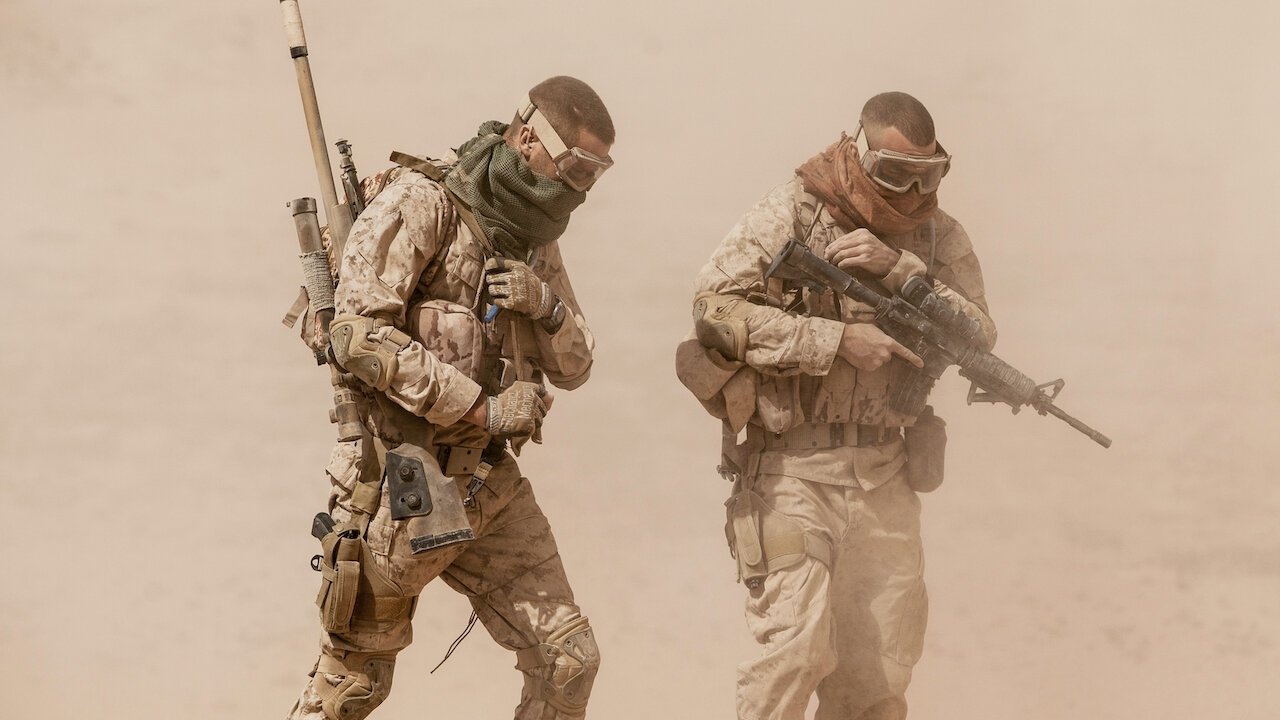
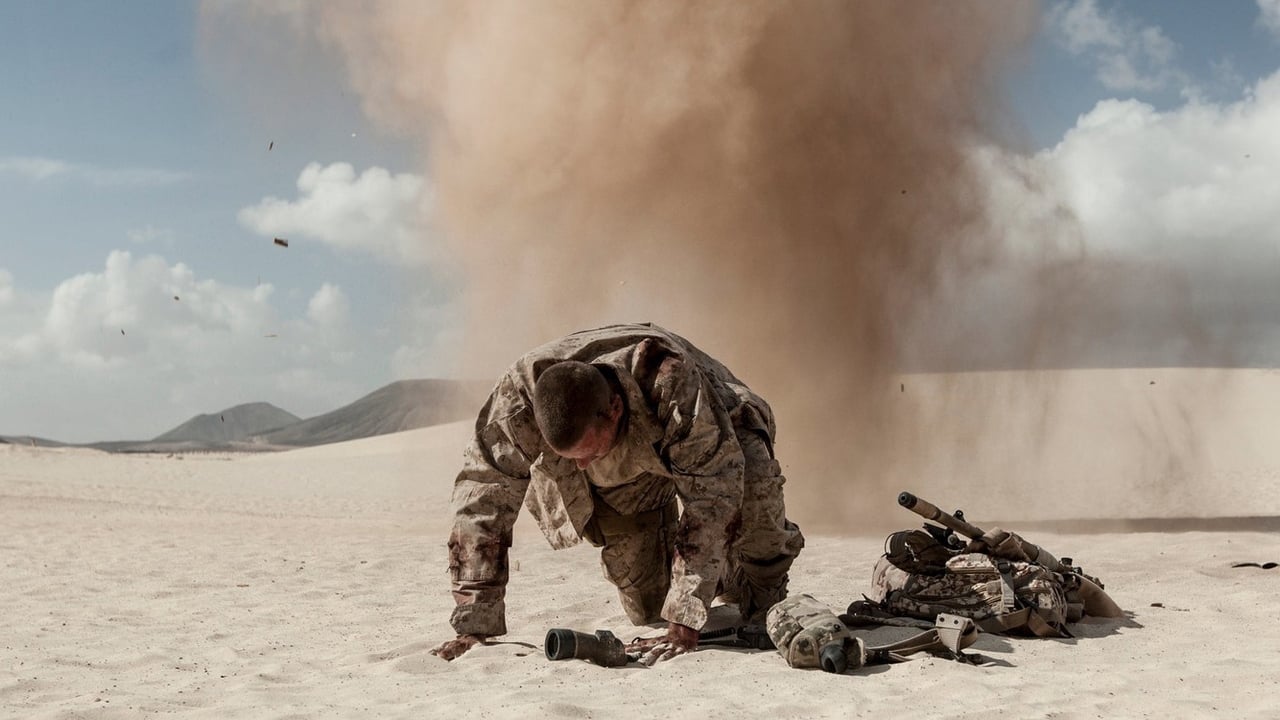
It’s an Italian-led production filmed in the Canary Islands, which gives it a slightly "off" flavor compared to standard Hollywood fare. There’s a European sensibility to its pacing—a willingness to let the camera linger on a parched lip or a scuttling scorpion for just a beat too long. Interestingly, the film was shot almost entirely on location, and the crew reportedly dealt with actual sandstorms that mirrored the ones on screen. That grit feels real. When Mike is digging a trench around his foot while desperately trying not to shift his weight, you can practically feel the grit in your own teeth.
In the landscape of modern cinema, where everything is either a $200 million franchise or a micro-budget indie, Mine is a strange, ambitious middle-child. It’s a film that asks a lot of its audience—mostly patience—but offers a uniquely stressful viewing experience in return. It’s not a masterpiece, but it’s a bold swing at a psychological character study that uses a military thriller as its Trojan horse.
The final act of Mine is something people either love or absolutely loathe. It makes a choice that recontextualizes the entire movie, and while I won't spoil it, I will say it’s a "bold choice" in the truest sense of the phrase. It’s the kind of ending that invites a long conversation over drinks afterward, mostly about whether the filmmakers cheated or if they were being profound. Either way, the film lingers. It’s a reminder that sometimes the most dangerous things we encounter aren't buried in the sand, but tucked away in our own heads.
Keep Exploring...
-
Anthropoid
2016
-
The Siege of Jadotville
2016
-
Eye in the Sky
2015
-
Kandahar
2023
-
13 Hours: The Secret Soldiers of Benghazi
2016
-
The Wall
2017
-
Boss Level
2021
-
Land of Bad
2024
-
Allied
2016
-
Tom Clancy's Without Remorse
2021
-
Batman vs. Robin
2015
-
Child 44
2015
-
Hidden
2015
-
I Spit on Your Grave III: Vengeance Is Mine
2015
-

Pawn Sacrifice
2015
-
Return to Sender
2015
-
Secret in Their Eyes
2015
-
Survivor
2015
-

The Stanford Prison Experiment
2015
-

Wild Card
2015