Miss Peregrine's Home for Peculiar Children
"Embrace the odd, before it fades."
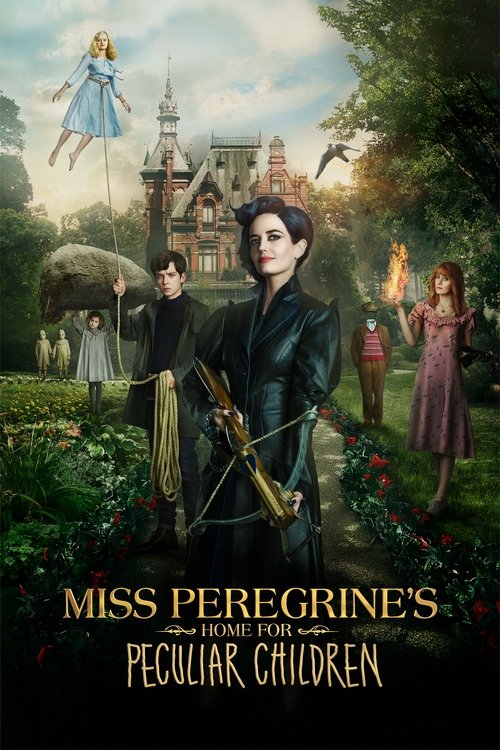
I remember staring at the cover of Ransom Riggs’ novel in a crowded airport bookstore back in 2011, captivated by those eerie, authentic vintage photographs of "peculiar" children. When the news broke that Tim Burton was set to direct the adaptation, it felt like the most inevitable pairing in cinema history. Who else but the architect of Beetlejuice (1988) and Edward Scissorhands (1990) could handle a girl who floats like a balloon or a boy with a living hive of bees in his chest?
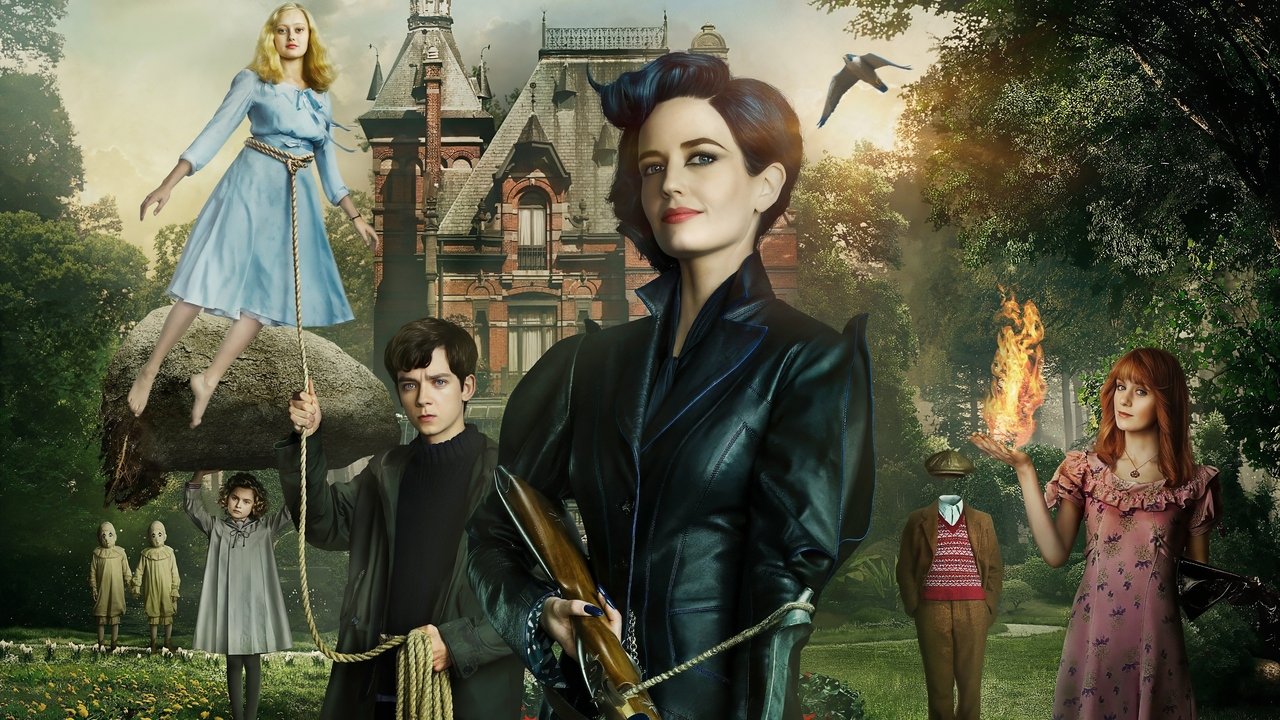
I finally sat down to watch Miss Peregrine’s Home for Peculiar Children on a Tuesday night while nursing a lukewarm cup of peppermint tea. My cat, Barnaby, chose the exact moment of the big underwater reveal to knock a stack of mail off the coffee table, which somehow made the "sunken ship" sequence feel a lot more immersive in my living room. Even with the feline-induced jump scare, the film struck me as a fascinating artifact of its time—a moment when high-concept YA adaptations were fighting for air in a market increasingly dominated by the Marvel machine.
Gothic Whimsy in the Age of Irony
Released in 2016, Miss Peregrine arrived right as the "Young Adult" movie craze was beginning to curdle into franchise fatigue. We had seen enough concrete bunkers and archery-based rebellions. Burton’s film offered something different: a return to the gothic, tactile whimsy that defined his early career. Working with a script by Jane Goldman—the genius who helped ground X-Men: First Class (2011)—the movie manages to feel like a classic "outsider" story without leaning too heavily on the "chosen one" tropes that were already feeling dusty.
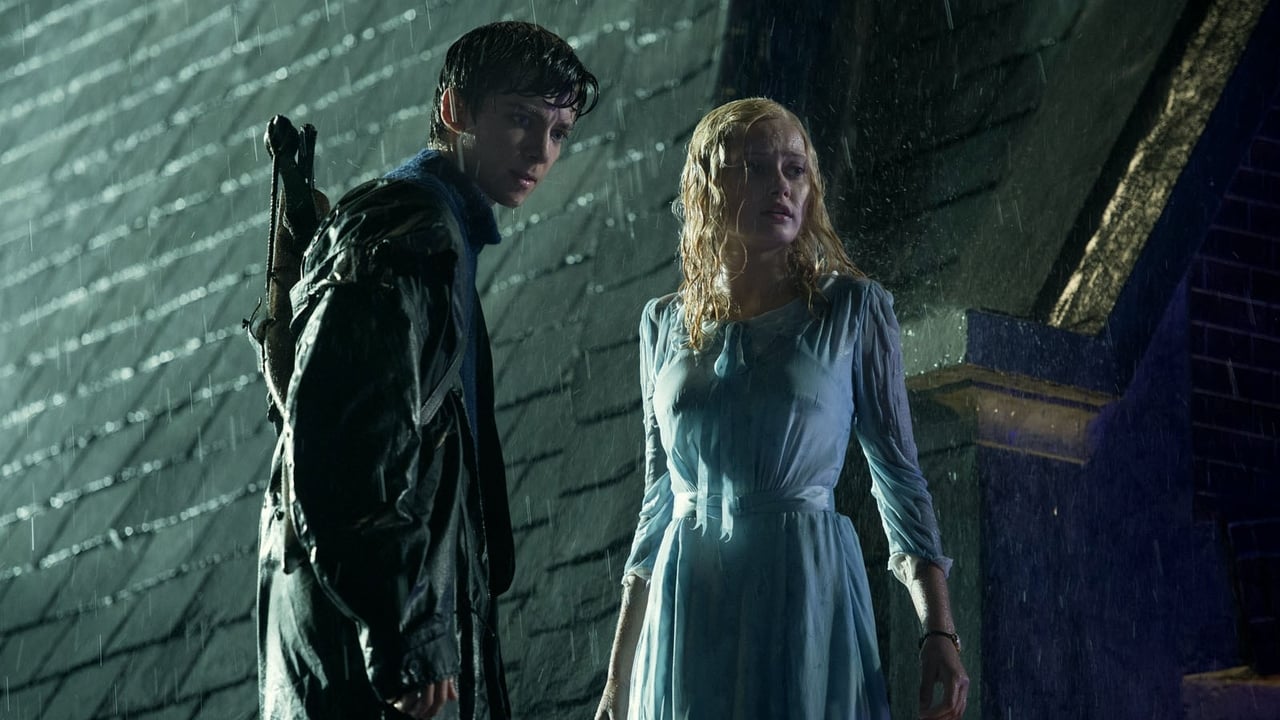
Asa Butterfield plays Jacob, a teenager who travels to a remote Welsh island after his grandfather’s mysterious death. He discovers a "time loop"—a single day in 1943 that repeats forever, hidden away from the modern world. It’s here we meet Eva Green as Miss Peregrine. Green is, quite frankly, the best thing about the movie. She plays the titular headmistress with a sharp, bird-like precision, snapping her pocket watch shut with a finality that would make a drill sergeant sweat. She doesn't just act; she inhabits the screen with a stylized, silent-film energy that feels perfectly "Burton-esque."
The Drama of the Displacement
While the film is marketed as a fantasy adventure, I found the emotional core to be surprisingly grounded in drama. The relationship between Jacob and his grandfather, played with a weary tenderness by Terence Stamp (The Limey), is what gives the film its stakes. It’s a story about the stories we tell our children to protect them from the harshness of reality—and what happens when those children realize the monsters are actually real.
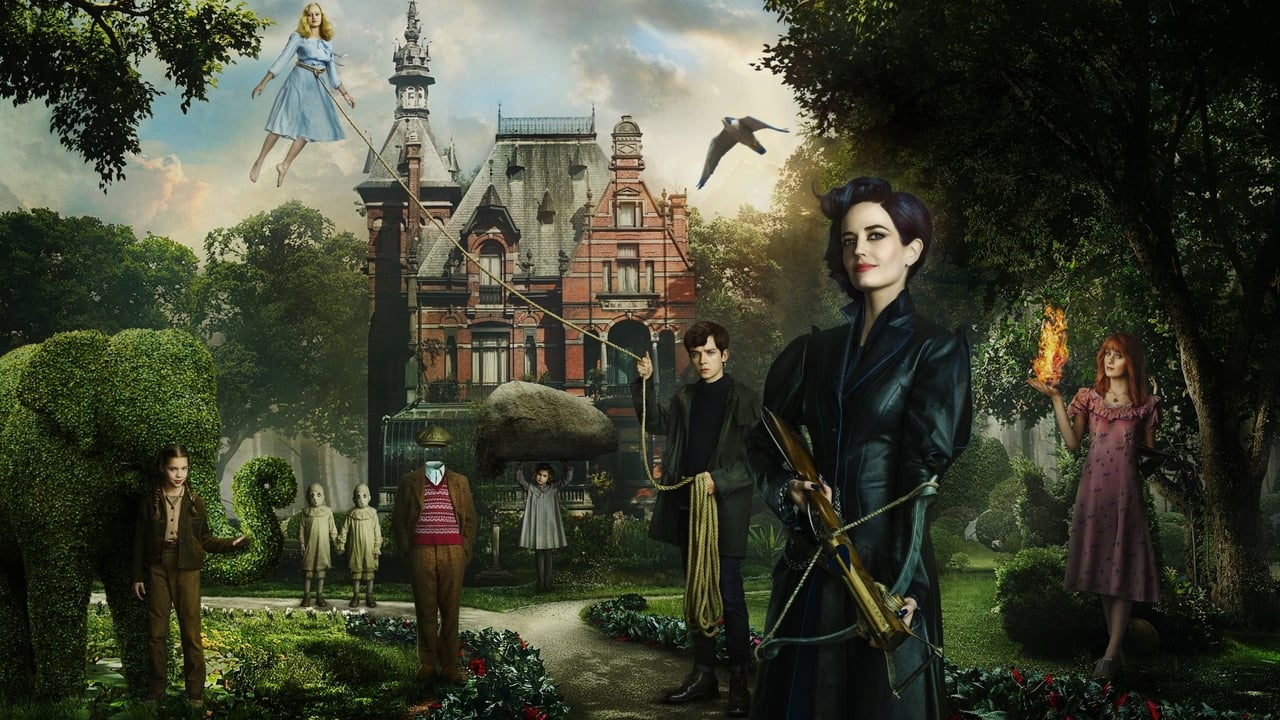
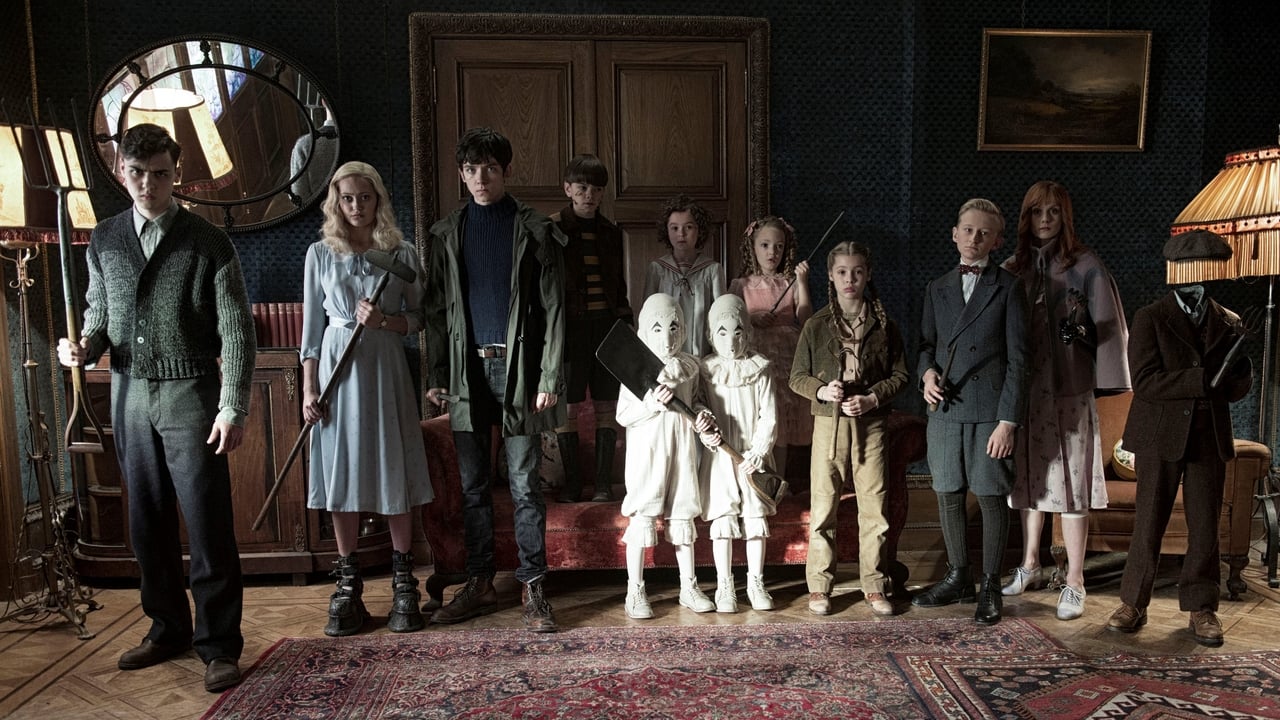
The "Peculiars" themselves are a delightful troupe of oddities. I particularly loved the stop-motion sequence involving a set of reanimated, grotesque dolls; it was a lovely nod to the legendary Ray Harryhausen. However, the film struggles when it tries to scale up. By the time we get to the third act, the intimate drama of a boy finding his place in the world is shoved aside for a CGI-heavy showdown at a seaside carnival. Samuel L. Jackson shows up as the villainous Barron, and while he’s clearly having a blast, his performance feels like he raided a Spirit Halloween while simultaneously eating a bowl of unpopped popcorn. It’s fun, but it clashes with the melancholy atmosphere established in the first hour.
Stuff You Didn't Notice
One of the coolest details is how much Burton relied on practical locations. The house itself—Villa Cotthem near Antwerp—is a real, stunningly eerie structure that the crew barely had to touch. Eva Green also went the extra mile, studying the movements of actual peregrine falcons to incorporate their nervous, jerky head tilts into her performance.
Interestingly, the film features a cameo by Tim Burton himself during the carnival scene—he’s an unfortunate bystander on a ride getting attacked by a monster. This was a rare move for him, perhaps signaling his personal connection to the "peculiar" source material. Also, for the book purists out there: the switch between Emma’s powers (fire in the book, air in the movie) was a conscious choice by Burton. He felt that Emma floating was more "cinematic" and allowed for more poetic visual sequences, like the one in the sunken ocean liner.
The Cult of the Outsider
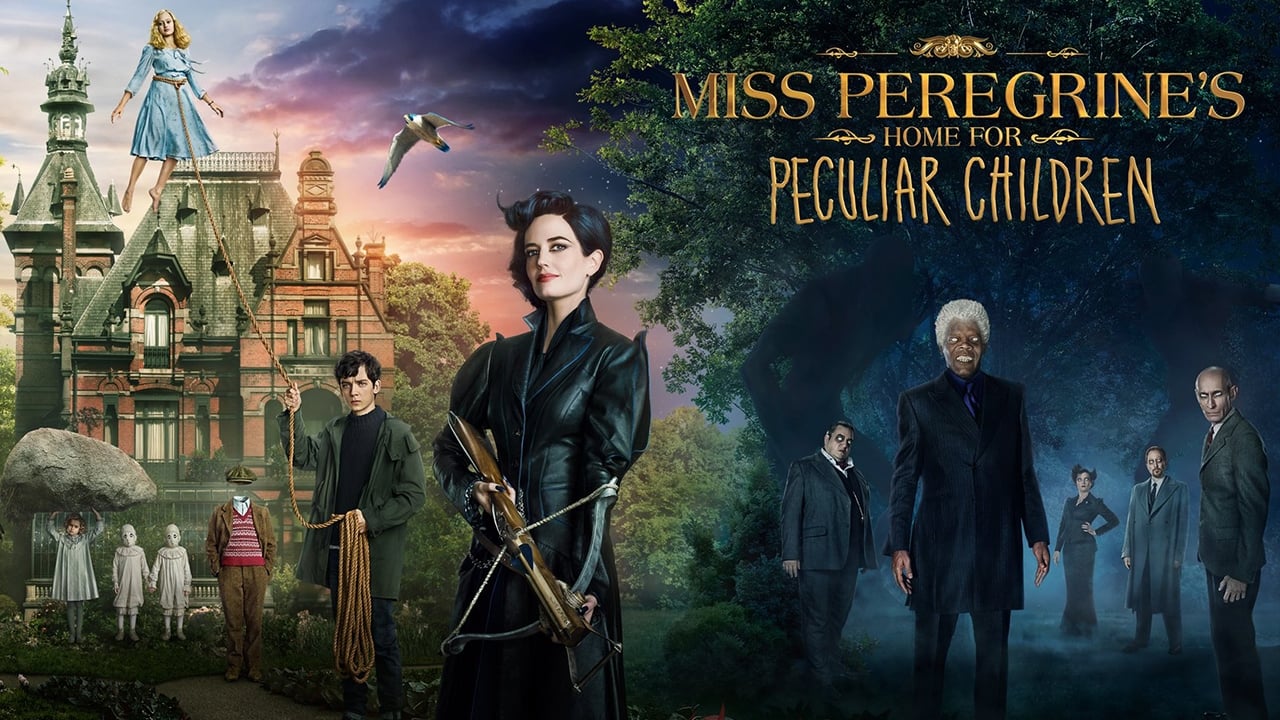
Despite being a modest box office success, Miss Peregrine has settled into a comfortable life as a cult favorite, particularly among the "dark academia" and "gothic fantasy" corners of the internet. It doesn't have the world-ending weight of a Harry Potter or the political bite of The Hunger Games, but that’s precisely why I think it has stayed in the conversation. It’s a film about the joy—and the danger—of being different.
The cinematography by Bruno Delbonnel (Amélie) is breathtaking, capturing a hazy, dream-like version of the 1940s that looks like a hand-painted postcard. It’s a film that looks better than it's written, but in an era where many blockbusters look like grey sludge, I’ll take Burton’s vibrant, weird-looking vision any day. The pacing in the final thirty minutes feels like a toddler trying to tell a story while running downhill, but the journey to get there is filled with enough visual invention to make it worth the trip.
Ultimately, Miss Peregrine’s Home for Peculiar Children is a beautiful, if slightly lopsided, tribute to the weirdos among us. It captures the spirit of the contemporary era’s obsession with "finding your tribe" while staying true to the director’s lifelong fascination with the macabre. If you can forgive the messy finale, there is a lot of heart and a lot of style to be found in this time loop. It’s a reminder that even in a world of franchises, there’s still room for a little bit of beautiful, gothic peculiarity.
Keep Exploring...
-

Dumbo
2019
-

A Dog's Purpose
2017
-
Big Fish
2003
-
Alice Through the Looking Glass
2016
-

Pete's Dragon
2016
-

The BFG
2016
-

Trolls
2016
-

Cars 3
2017
-
The Nutcracker and the Four Realms
2018
-
Maleficent: Mistress of Evil
2019
-
Dolittle
2020
-
Onward
2020
-
The Call of the Wild
2020
-
Trolls World Tour
2020
-
Jungle Cruise
2021
-
Luca
2021
-
Raya and the Last Dragon
2021
-
Descendants
2015
-

Pan
2015
-

The Little Prince
2015