Miss Sloane
"Victory demands the sacrifice of everything human."
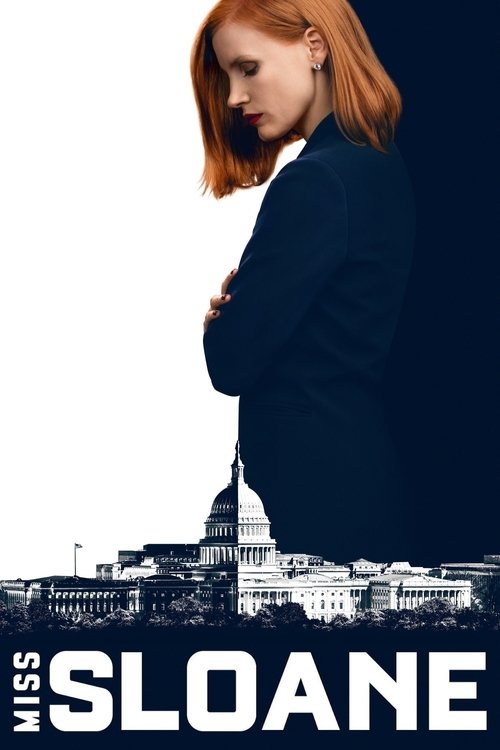
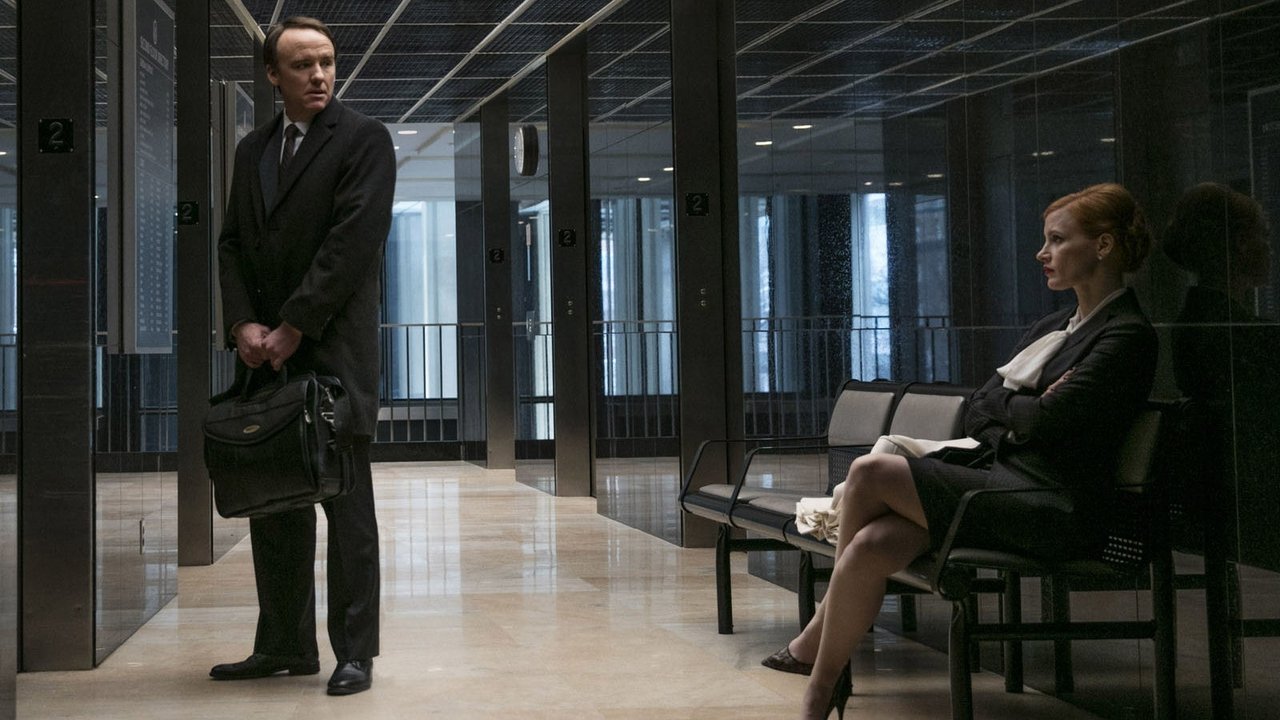
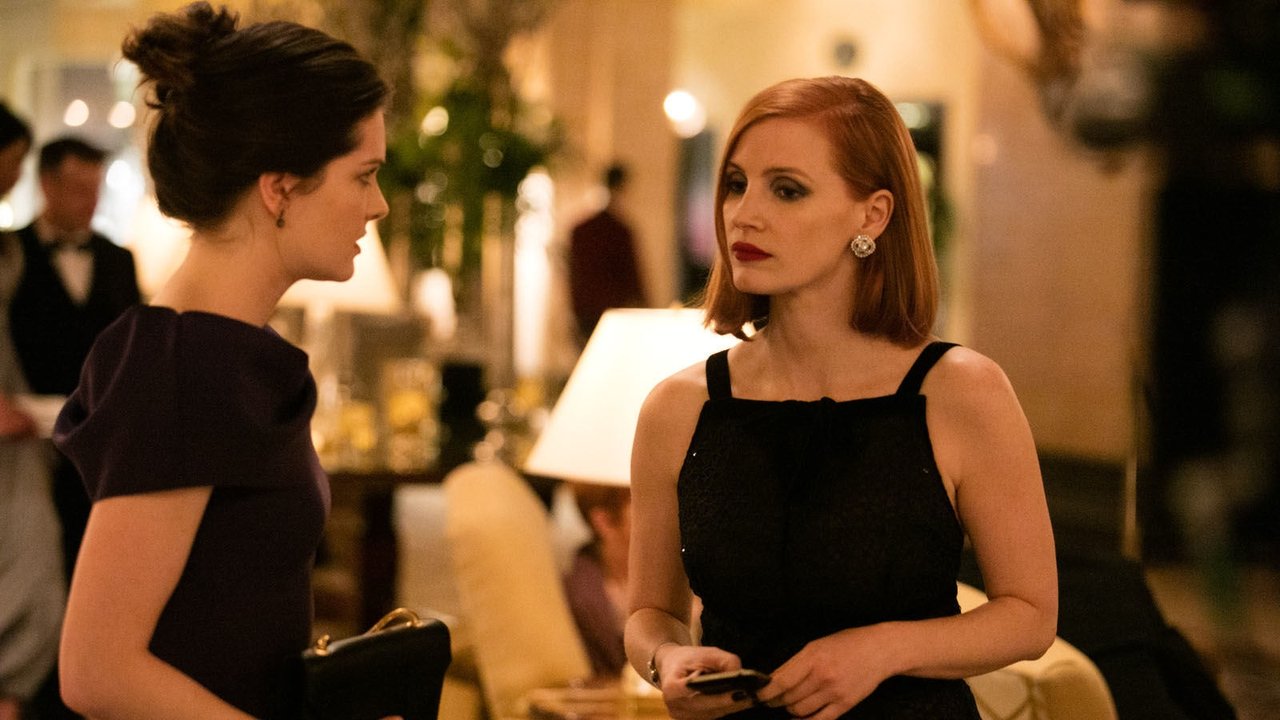
Elizabeth Sloane doesn't walk into a room; she invades it. Within the first five minutes of John Madden’s Miss Sloane, I realized I wasn’t watching a standard political drama about the "sanctity of the process." I was watching a psychological dissection of a professional predator. Jessica Chastain plays the titular Madeline Elizabeth Sloane with a jagged, vibrating intensity that makes her earlier work in Zero Dark Thirty look like a nap. She is a lobbyist who treats the US government like a grandmaster treats a chess board—calculating, cold, and entirely uninterested in the feelings of the pawns she’s sacrificing.
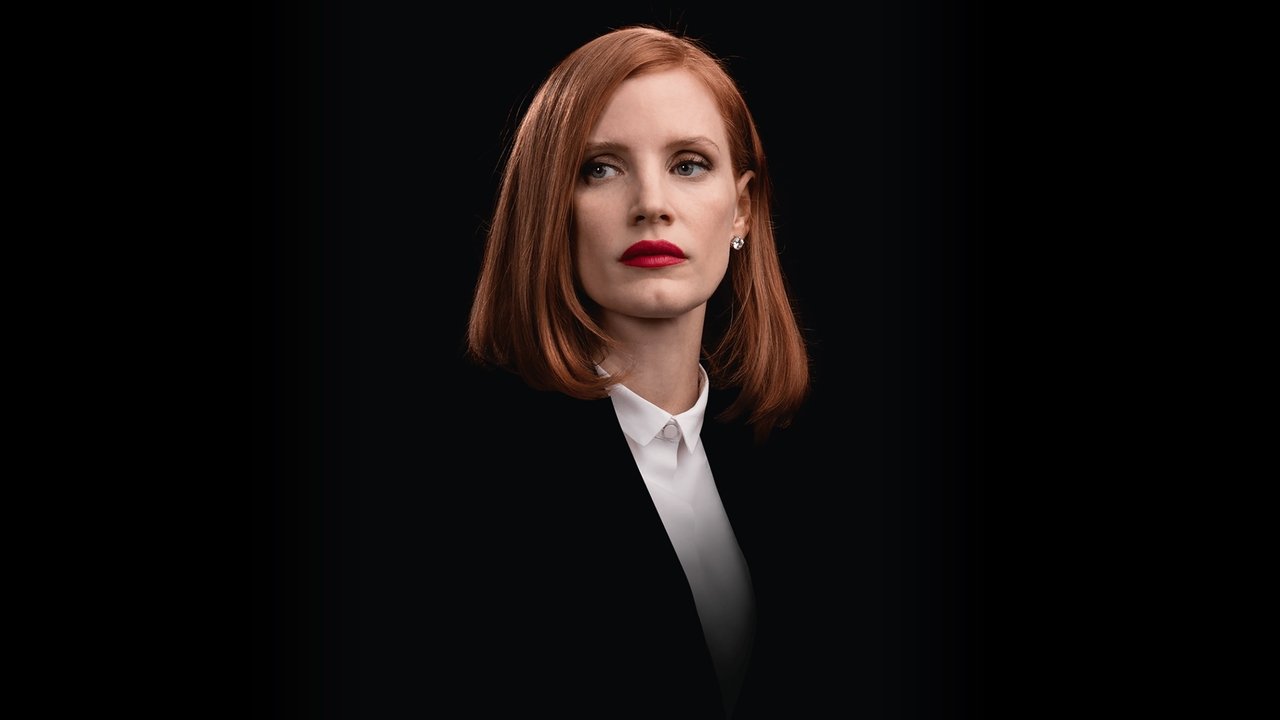
I watched this film on a rainy Tuesday while periodically checking my phone to see if my neighbor’s cat had been found (he was, eventually, tucked inside a laundry basket). That domestic quiet felt like a bizarre contrast to the high-stakes, caffeine-and-pills rhythm of the movie. It’s the cinematic equivalent of a triple espresso served in a chilled glass, and it’s a shame that it largely vanished from the cultural conversation almost immediately after it hit theaters in late 2016.
The Predator in a Pencil Skirt
The plot kicks off when Sloane, a star at a conservative lobbying firm, is asked to help kill a bill that would impose stricter regulations on firearm sales. Instead of falling in line, she laughs in the face of her boss—played with wonderful, oily menace by Michael Stuhlbarg—and jumps ship to a boutique firm led by Mark Strong. She takes her team with her, except for her right hand, Jane Molloy (Alison Pill), who stays behind to sharpen her own knives.
The central conflict is gun control, but don't let that fool you into thinking this is a preachy "issue" movie. It isn't. It’s a movie about the mechanics of winning. Sloane doesn't seem to have a deep moral conviction about the Second Amendment; she just wants to win the most difficult fight available to her. Jessica Chastain crafts a character who is essentially a human computer with no sleep mode. She’s brittle, brilliant, and arguably a sociopath, yet I found myself rooting for her because she’s the only person in the room who isn't lying to herself about how the world actually works.
The supporting cast is equally sharp. Gugu Mbatha-Raw gives the film its bruised heart as Esme, a survivor of a school shooting who becomes a tool in Sloane’s tactical arsenal. Their relationship is the most uncomfortable part of the film; you see Sloane genuinely respecting Esme while simultaneously being willing to exploit her trauma for a few extra votes in the Senate. It’s dark, it’s transactional, and it feels terrifyingly honest.
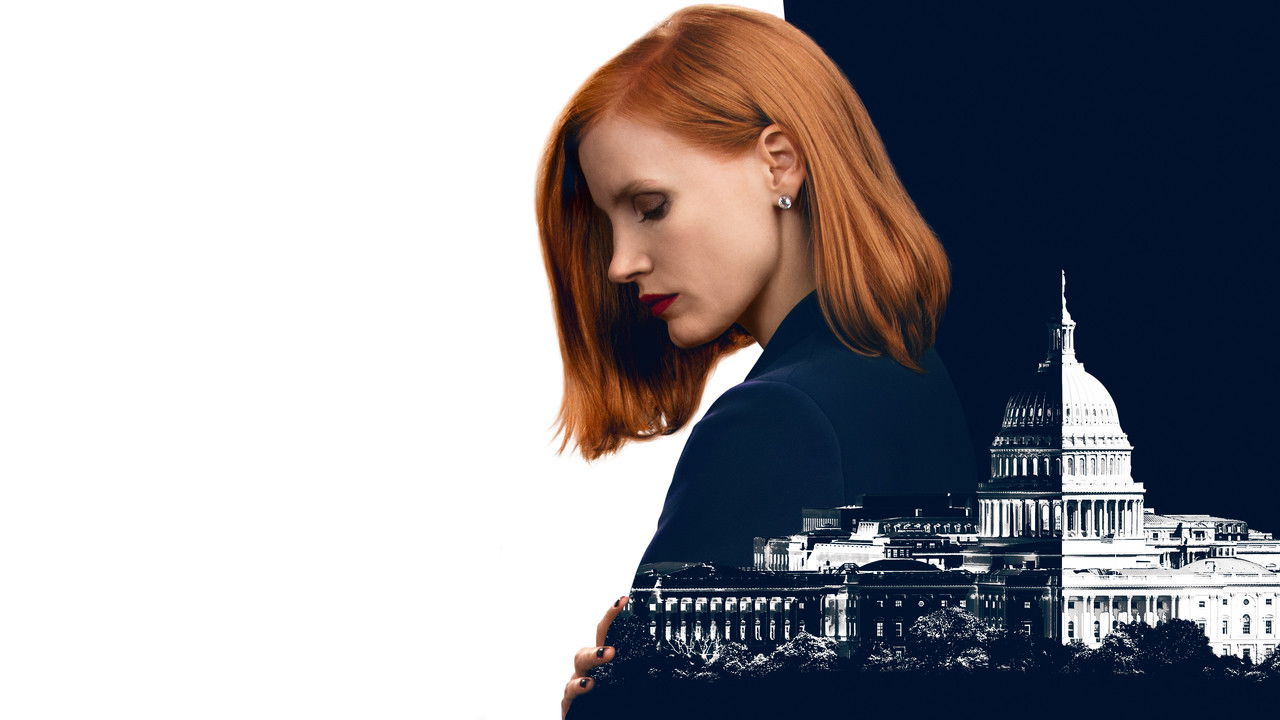
A Script That Cuts Like Glass
The screenplay by Jonathan Perera is a marvel of rhythmic dialogue. Apparently, Perera was a lawyer living in Asia who had never written a script before he sent this one out. It landed on the "Black List" (the industry's list of the best unproduced scripts), and you can hear why in every exchange. It’s fast, dense, and Aaron Sorkin on a heavy dose of Adderall.
What I appreciate most about Madden’s direction is that he stays out of the way of the words. He uses a cool, muted color palette—all greys, deep blues, and sterile glass—that mirrors Sloane’s internal state. Even the score by Max Richter avoids melodrama, opting for a ticking, mechanical pulse that keeps the tension high. There’s a scene involving a mechanical cockroach and another involving a surprise witness at a congressional hearing that are staged with the precision of a heist movie.
Why We Looked Away
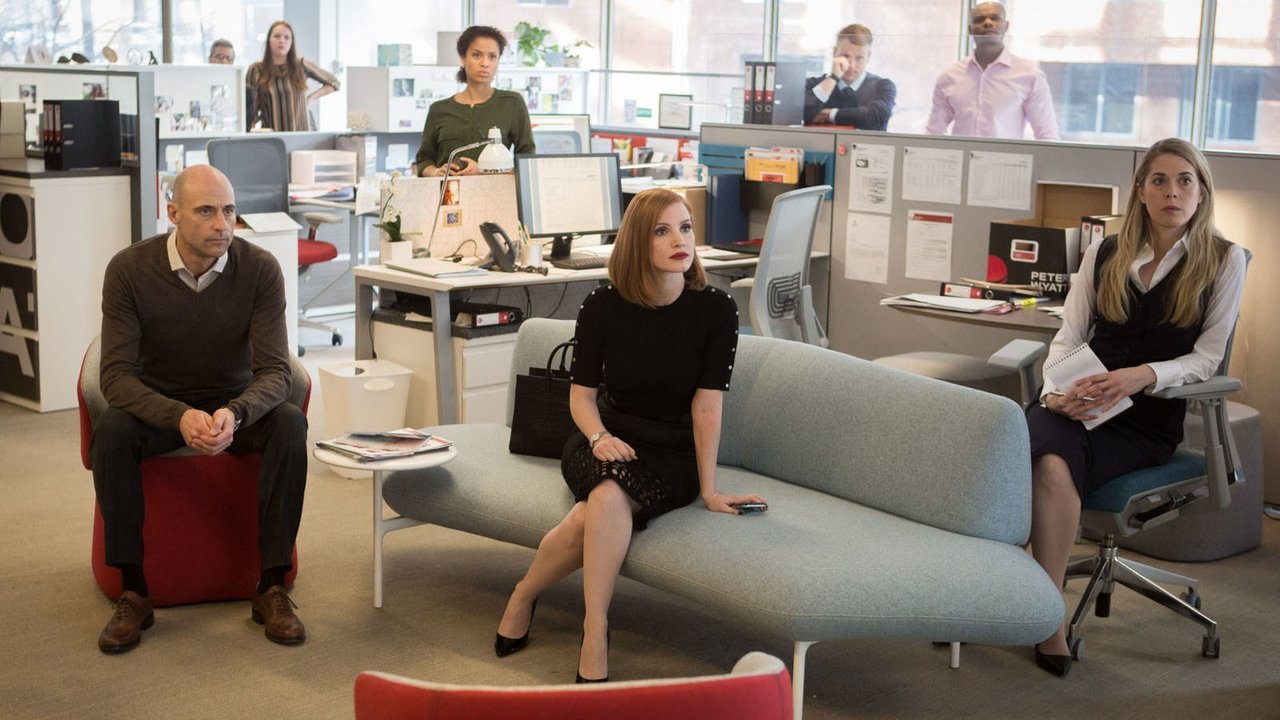
So, why did a movie this sharp, starring one of our generation's greatest actors, make only $9 million against a $13 million budget? Timing is the easy answer. Released just as the 2016 election cycle was reaching its most toxic peak, audiences were likely exhausted by the sight of Capitol Hill. They wanted escapism, not a cynical look at how the sausage is made.
There’s also the "Sloane problem." She isn't likable. She treats Jake Lacy (who plays a high-end escort) with more professional distance than most people treat their dry cleaners. In an era where we often demand our female protagonists be "relatable," Sloane is a magnificent middle finger to that concept. She is an anti-hero who happens to be fighting for a cause many find noble, but her methods are purely Machiavellian.
Looking at it now, Miss Sloane feels even more relevant than it did eight years ago. In our current era of political polarization and "win-at-all-costs" rhetoric, the film serves as a grim roadmap of how we got here. It doesn't offer easy comfort or a "west wing" sense of hope. Instead, it suggests that to beat the monsters, you have to be willing to become the biggest monster in the room. It’s a hard pill to swallow, but as Sloane herself might say, it’s the only one that works.
Miss Sloane is a high-octane intellectual thriller that respects the audience's intelligence enough to move fast and skip the hand-holding. While the ending leans slightly into the theatrical, the sheer force of Jessica Chastain’s performance carries it over the finish line. It’s a film that deserves a second life on streaming—just make sure you’re ready for the crash after the caffeine high of the dialogue wears off.
Keep Exploring...
-
Suburra
2015
-
22 July
2018
-
Batman vs. Robin
2015
-
The Guilty
2018
-

The Traitor
2019
-
November
2022
-
The Outfit
2022
-
Patriots Day
2016
-
Snowden
2016
-
The Accountant
2016
-

The Book of Henry
2017
-

The House That Jack Built
2018
-

Uncut Gems
2019
-
Promising Young Woman
2020
-
Wrath of Man
2021
-

STRAW
2025
-
See You Up There
2017
-
The Infiltrator
2016
-
Molly's Game
2017
-
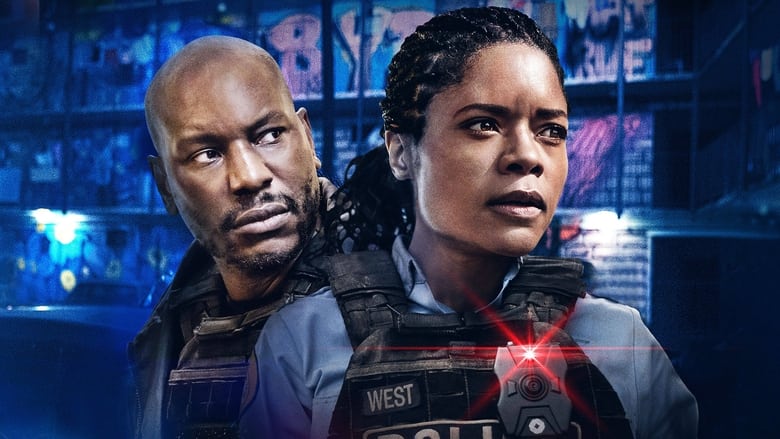
Black and Blue
2019