Monster Trucks
"High-octane fun for the kid in everyone."
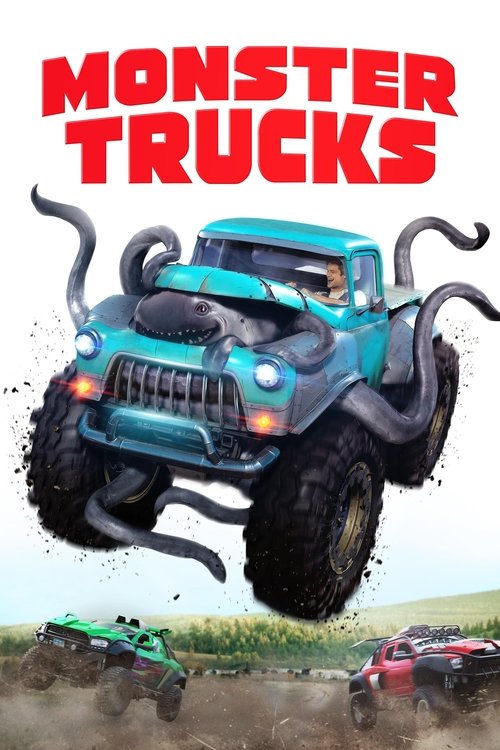
Most movies start in a boardroom with a spreadsheet or a prestigious writer’s study with a glass of scotch. Monster Trucks, however, allegedly began in the mind of a four-year-old. When former Paramount executive Adam Goodman mentioned his preschooler’s literal interpretation of the term "monster truck," he wasn’t just being a doting dad; he was sparking a $125 million production. I watched this the other night while my neighbor was outside relentlessly using a leaf blower at 8:00 PM, and honestly, the sheer, unadulterated absurdity of the film was the only thing capable of drowning out the suburban noise.
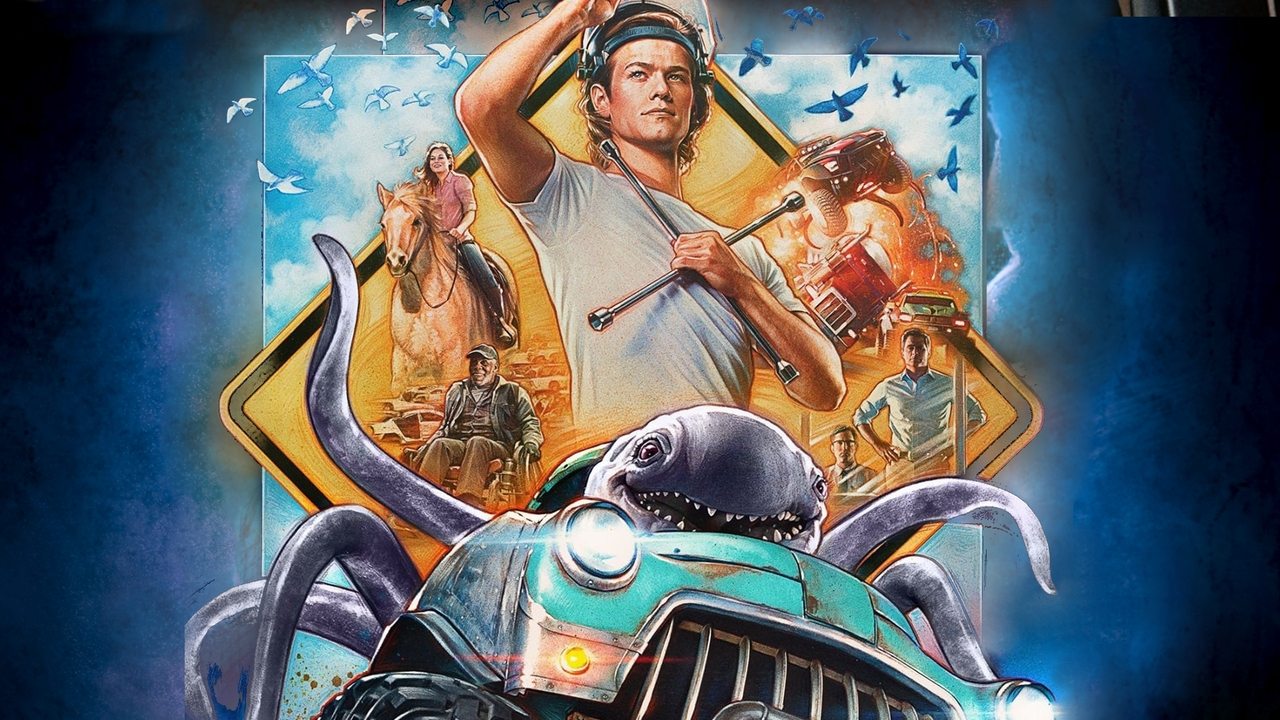
It is, quite possibly, the most expensive "dad, look what I thought of!" moment in the history of the moving image. And while the accountants at Nickelodeon Movies and Paramount probably still have stress dreams about the massive tax write-down this film triggered before it even hit theaters, looking at it now—removed from the box office wreckage of 2017—there’s something genuinely charming about its commitment to the bit.
The $100 Million Squid-Pro-Quo
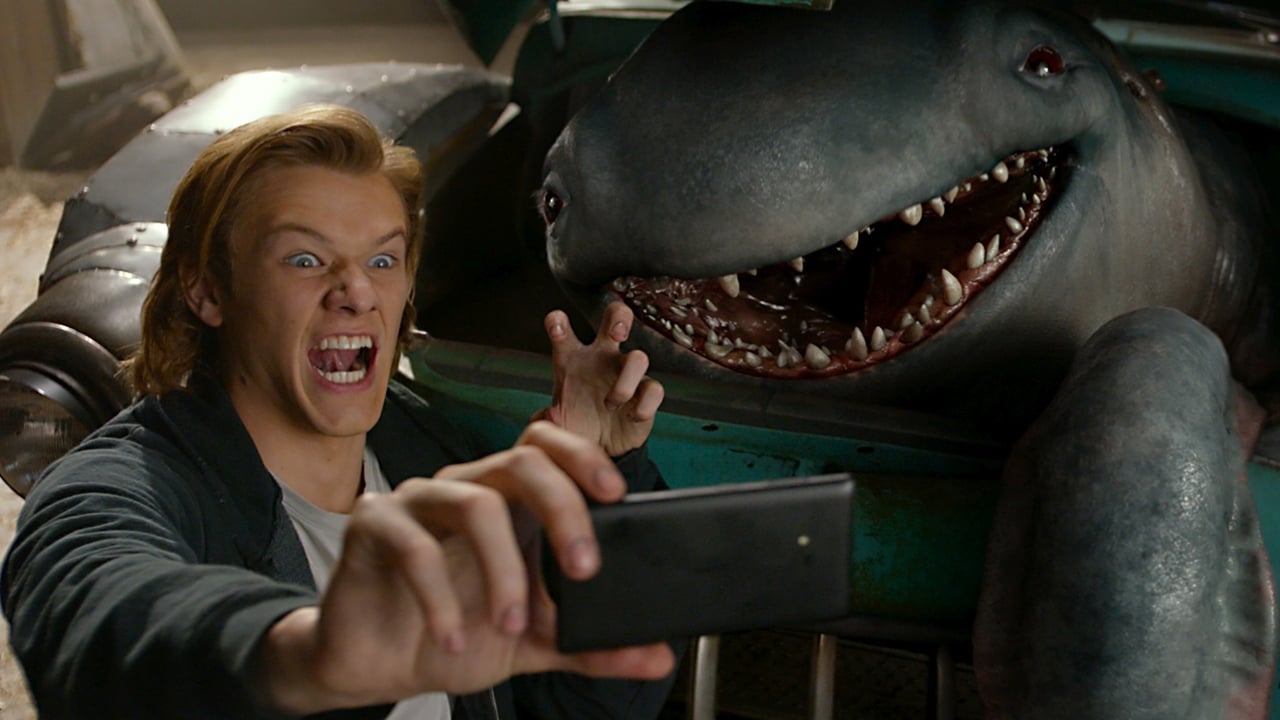
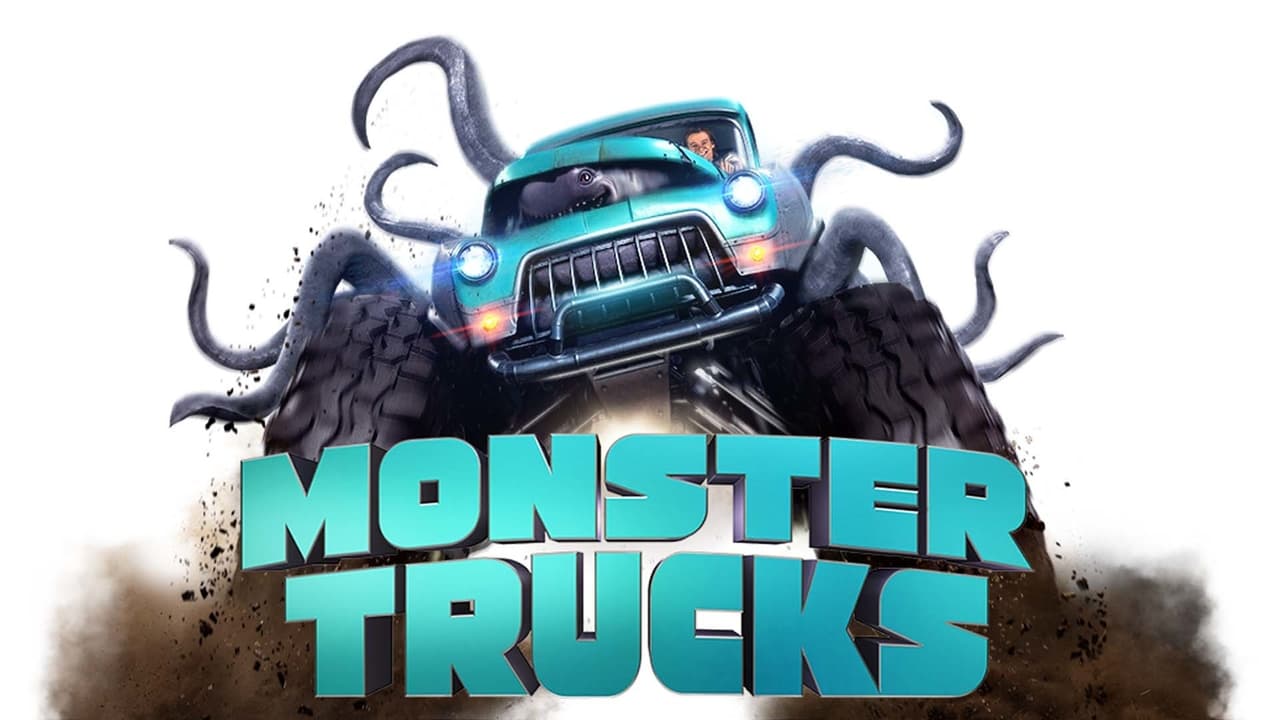
The plot is exactly what that four-year-old promised. Lucas Till (known for X-Men: First Class and the MacGyver reboot) plays Tripp, a high schooler who feels stuck in his small town and spends his time scavenging parts to build a truck. When a fracking accident releases a trio of subterranean, oil-gulping creatures, one of them—a sentient, bioluminescent squid-slug named Creech—finds refuge in Tripp’s engine block.
Instead of calling the authorities or, you know, screaming in terror at the prehistoric beast living in his wheel well, Tripp realizes that Creech can use his tentacles to turn the truck’s axles. Suddenly, we have a literal monster truck. Jane Levy, who I usually associate with the terrifying Evil Dead remake or the sharp wit of Suburgatory, plays Meredith, the tutor/love interest who gets dragged into this high-speed biology project. The chemistry is sweet, mostly because they both play the material with a straight face that the script probably didn’t deserve but desperately needed.
Stunts, Slime, and Subterranean Stakes
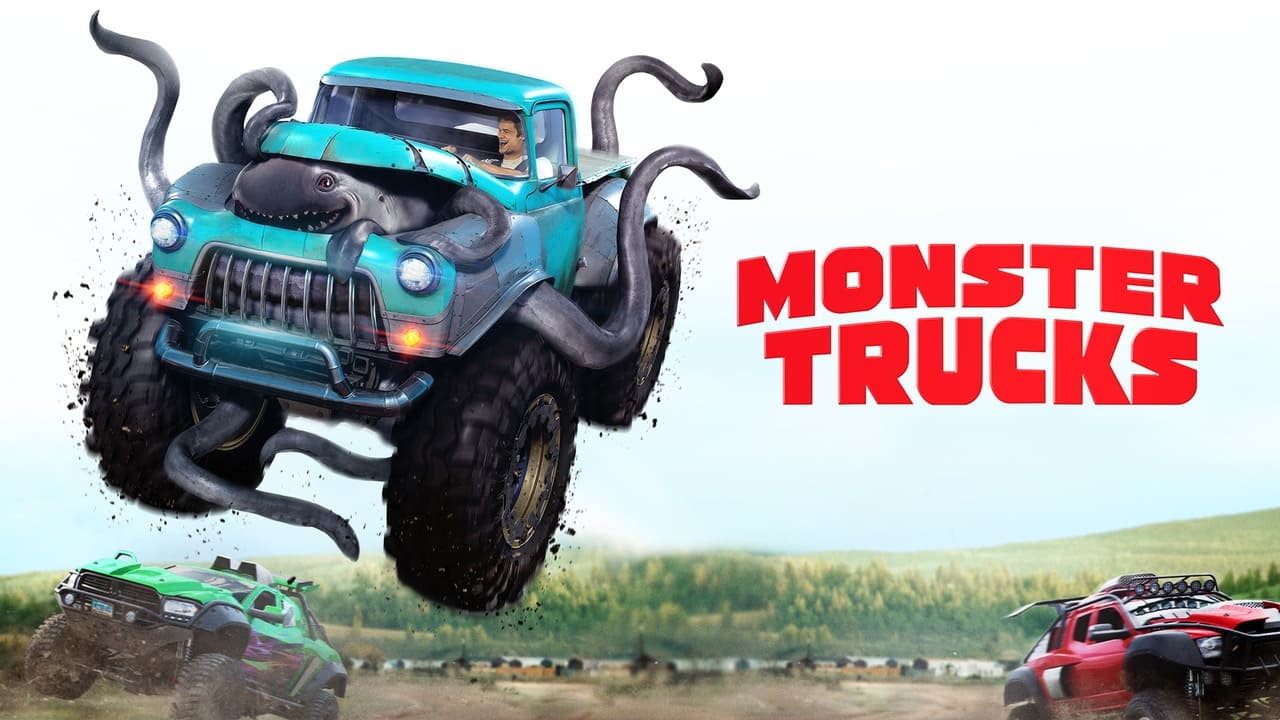
For a movie that was delayed for years and mocked before its release, the action choreography is surprisingly inventive. Director Chris Wedge, making his live-action debut after steering the Ice Age franchise to glory, brings a heavy dose of "squash and stretch" animation logic to the practical world. The way the truck moves—climbing walls, leaping over obstacles, and using its literal "monster" power to navigate terrain—is the cinematic equivalent of a puppy that accidentally knocked over an expensive vase but looks really cute doing it.
There’s a tactile weight to the trucks that you don’t always get in the CGI-saturated landscape of modern blockbusters. Apparently, the production actually built several custom trucks with specialized suspension to handle the jumps, even though the "engine" was eventually replaced by a digital creature. You can see the money on the screen, even if you’re questioning why it was spent on this. The stunts have a kinetic energy that reminds me of the early Fast & Furious films before they became about saving the world from hacking satellites. Here, the stakes are just "don't let the evil oil company turn the friendly slug into a science experiment."
A Victim of the Franchise Wars
One of the most fascinating things about Monster Trucks is the supporting cast. You have Rob Lowe as the corporate villain, Reece Tenneson, playing the role with a "suit and a smirk" energy that he could do in his sleep (and perhaps was). Then there’s Danny Glover, Amy Ryan, and Barry Pepper as the local sheriff. It’s a wildly overqualified ensemble for a movie about a gas-guzzling octopus.
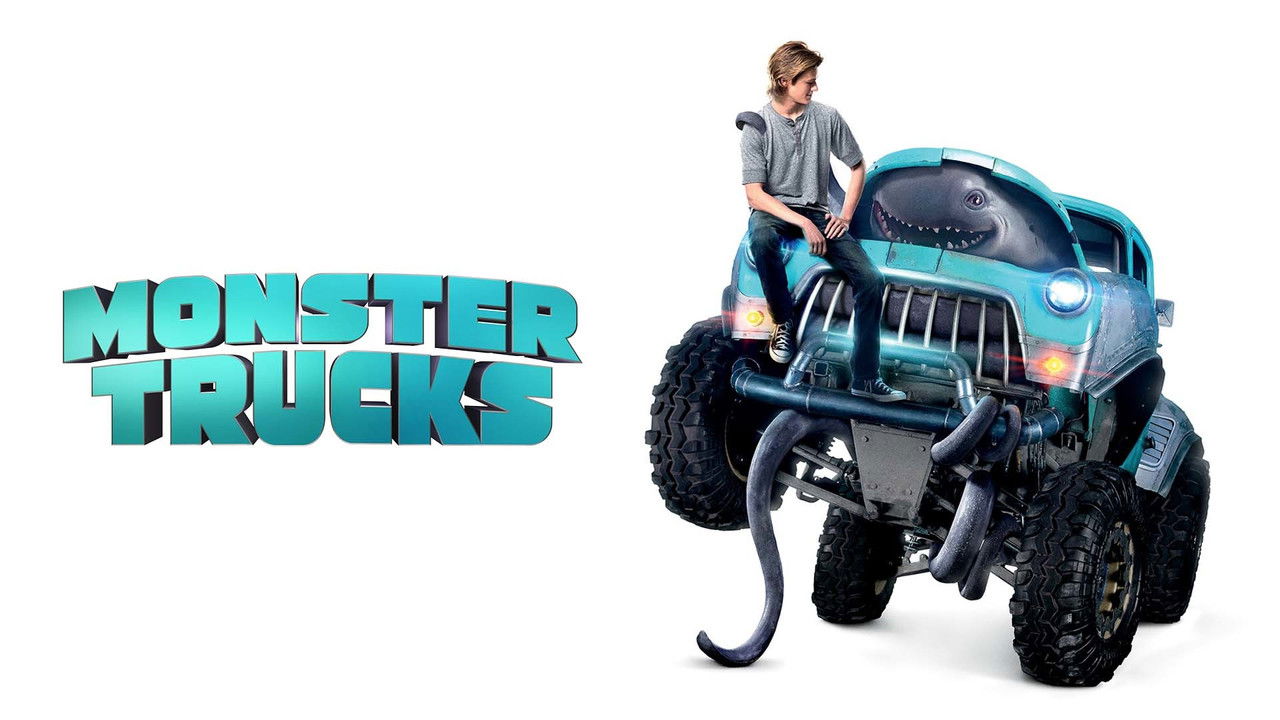
The film's failure wasn't necessarily about quality; it was a victim of a shifting industry. In 2016, if you weren't a Marvel movie or a legacy sequel, you were essentially invisible. Paramount tried to manufacture a franchise out of thin air, and when the tracking numbers looked grim, they basically gave up, leading to a legendary $115 million impairment charge months before the film's release. It became a "forgotten oddity" not because it was bad, but because it was an orphan in a world that only wanted established IP.
Looking at it today, it’s a refreshing break from the "multiverse" fatigue. It’s a self-contained, weird, slightly manic action-comedy that knows exactly what it is. It’s a movie designed for the ten-year-old version of myself who thought a truck that could climb a house was the pinnacle of human achievement. It’s a $125 million experiment in how to spend your way out of a toddler’s fever dream, and frankly, I’ve seen much worse ways to blow a budget.
In an era where every big-budget film feels like it’s setting up a ten-year plan, there’s something almost rebellious about how simple Monster Trucks is. It’s a "boy and his dog" story, if the dog was a subterranean mollusk that enjoyed high-octane unleaded. It’s not a masterpiece, and it’s certainly not the "next big thing" the studio hoped for, but as a Friday night distraction with a big bowl of popcorn? It’s a lot more fun than the balance sheets would suggest.
Keep Exploring...
-
Rim of the World
2019
-
Pixels
2015
-
Teenage Mutant Ninja Turtles: Out of the Shadows
2016
-
The Lego Ninjago Movie
2017
-

Justice League vs. Teen Titans
2016
-

Borderlands
2024
-

Barely Lethal
2015
-

Hot Pursuit
2015
-
Keanu
2016
-
Masterminds
2016
-
The Do-Over
2016
-
CHiPs
2017
-
Shaft
2019
-
Stuber
2019
-

Fatman
2020
-

My Spy
2020
-

Central Intelligence
2016
-
Hidden Strike
2023
-

Operation Fortune: Ruse de Guerre
2023
-

Beverly Hills Cop: Axel F
2024