Moonlight
"Identity is a tide that never stops pulling."

I remember exactly where I was when I first saw the trailer for Moonlight. I was sitting in a cramped coffee shop, my left shoe was making a weird squeaking sound every time I shifted my weight, and I was halfway through a very mediocre blueberry muffin. By the time the two-minute clip ended, I’d forgotten about the shoe and the muffin. There was something in the way the camera moved—a sort of swirling, intoxicating intimacy—that felt like a tectonic shift in cinema.
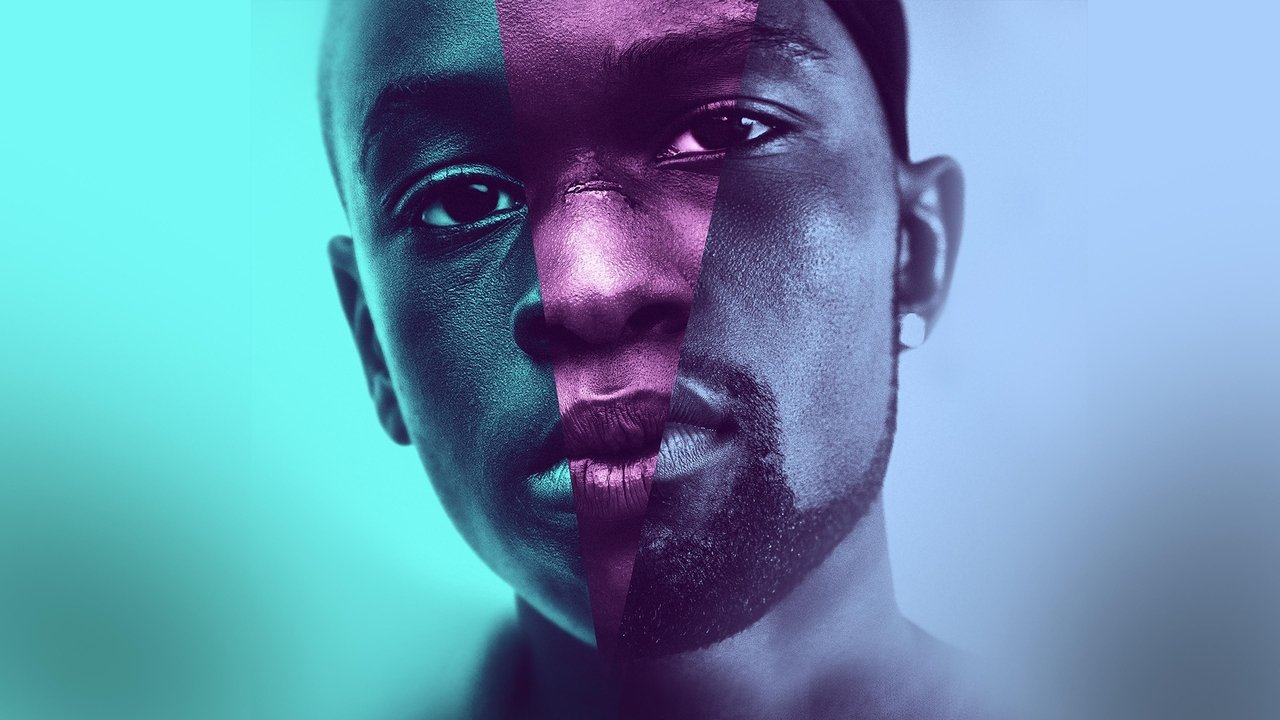
When the film finally arrived, it didn’t just meet those expectations; it dismantled them. In an era where "representation" can sometimes feel like a corporate checklist, Barry Jenkins delivered something that felt like a ragged, beautiful prayer. This isn't just a movie about "issues"; it’s a movie about the specific ache of being seen and the crushing weight of being hidden.
The Three Faces of Chiron
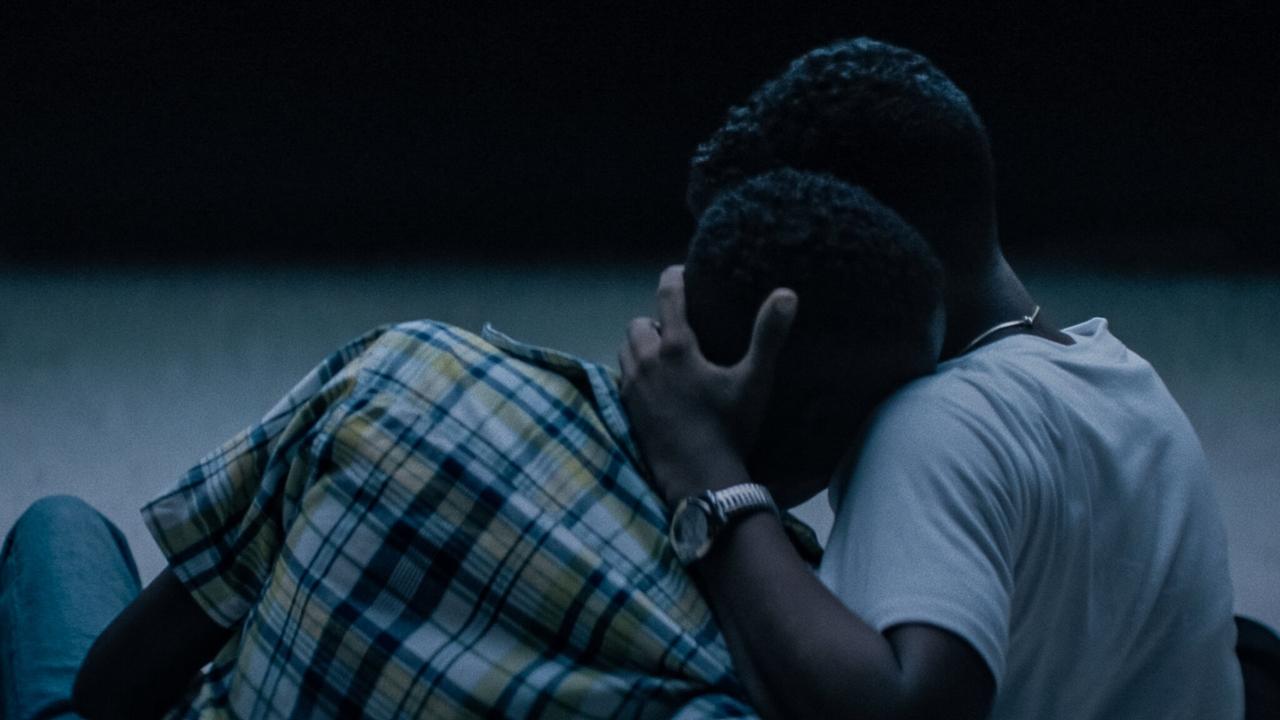
The structure is deceptively simple: three chapters, three ages, three names. We start with "Little," played by Alex R. Hibbert, a boy who says almost nothing but observes everything with eyes that seem too heavy for his head. Then we transition to "Chiron," the teenage years, where Ashton Sanders gives one of the most physically calibrated performances I’ve ever seen. He carries his body like it’s a weapon he doesn’t know how to use, or perhaps a shield that’s cracking. Finally, we reach "Black," played by Trevante Rhodes, who has transformed himself into a mountain of a man, armored in muscle and gold grills.
What’s wild is that these three actors never met during production. Jenkins purposely kept them apart because he didn't want them mimicking each other’s mannerisms. He wanted the essence of the soul to be the connective tissue, not a shared habit of touching their hair or squinting. It worked flawlessly. You can see the scared boy inside the hulking man, and that’s a testament to Jenkins’ direction and the hauntingly beautiful score by Nicholas Britell, which uses "chopped and screwed" hip-hop techniques applied to classical orchestral arrangements.
The Art of the Silence
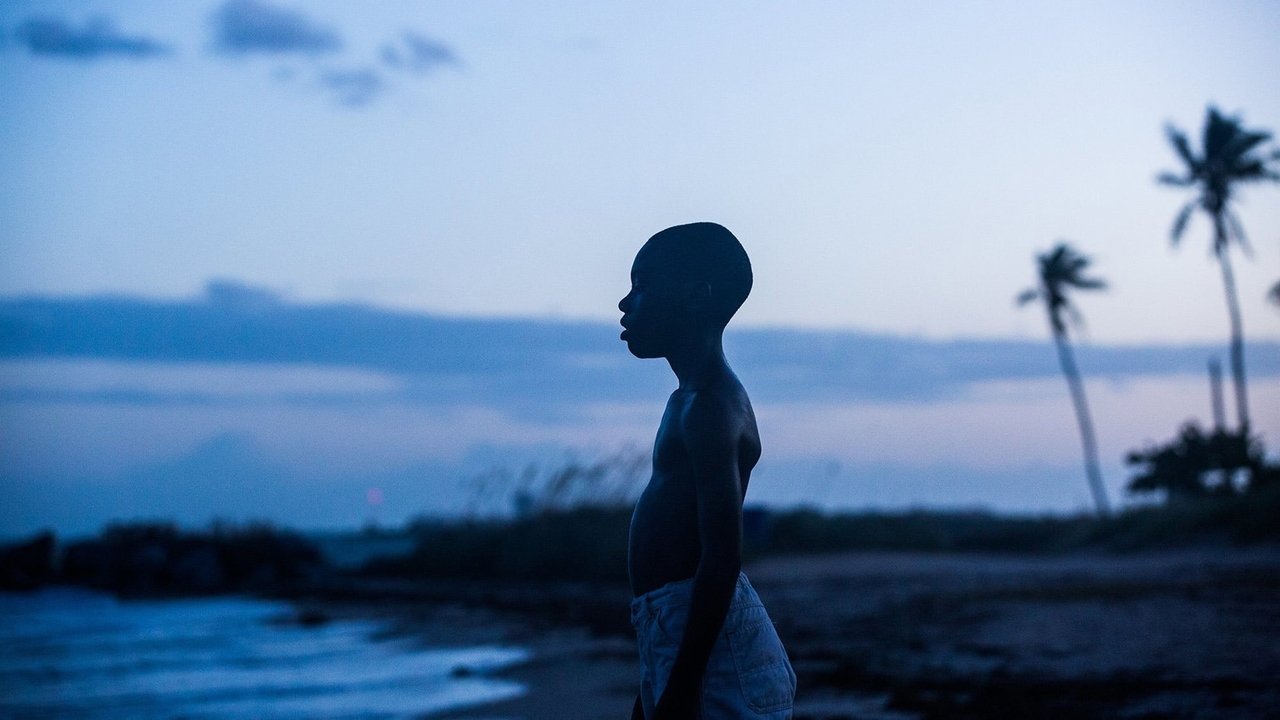
In the second act, we meet Kevin, played at sixteen by Jharrel Jerome. The chemistry between him and Ashton Sanders on a moonlit beach is the heart of the film. It’s a scene built on the sound of the waves and the hesitation of hands. It’s awkward, tender, and terrifying. When we jump forward to the third act and meet the adult Kevin, played by André Holland, the film turns into a masterclass in subtext.
The final act takes place mostly in a diner, and I’ll say it: The diner scene in the third act has more tension than any Avengers finale ever could. Every clink of a fork and every glance across a counter feels like a life-or-death stakes moment. André Holland has this incredible ability to look at someone and make them feel like the only person on Earth, while Trevante Rhodes shows us a man who has spent a decade pretending he doesn’t need that kind of look.
Watching Janelle Monáe as Teresa is also a revelation. Before she was a futuristic pop icon, she was here, providing the only stable ground Chiron ever stood on. She brings a warmth that balances the jagged, heartbreaking performance of Naomie Harris as Chiron’s mother. The fact that Harris shot her entire role in just three days while on a press tour for another movie is a piece of trivia that still boggles my mind; the emotional depth she hits in that window is staggering.
An Indie Miracle in a Franchise World
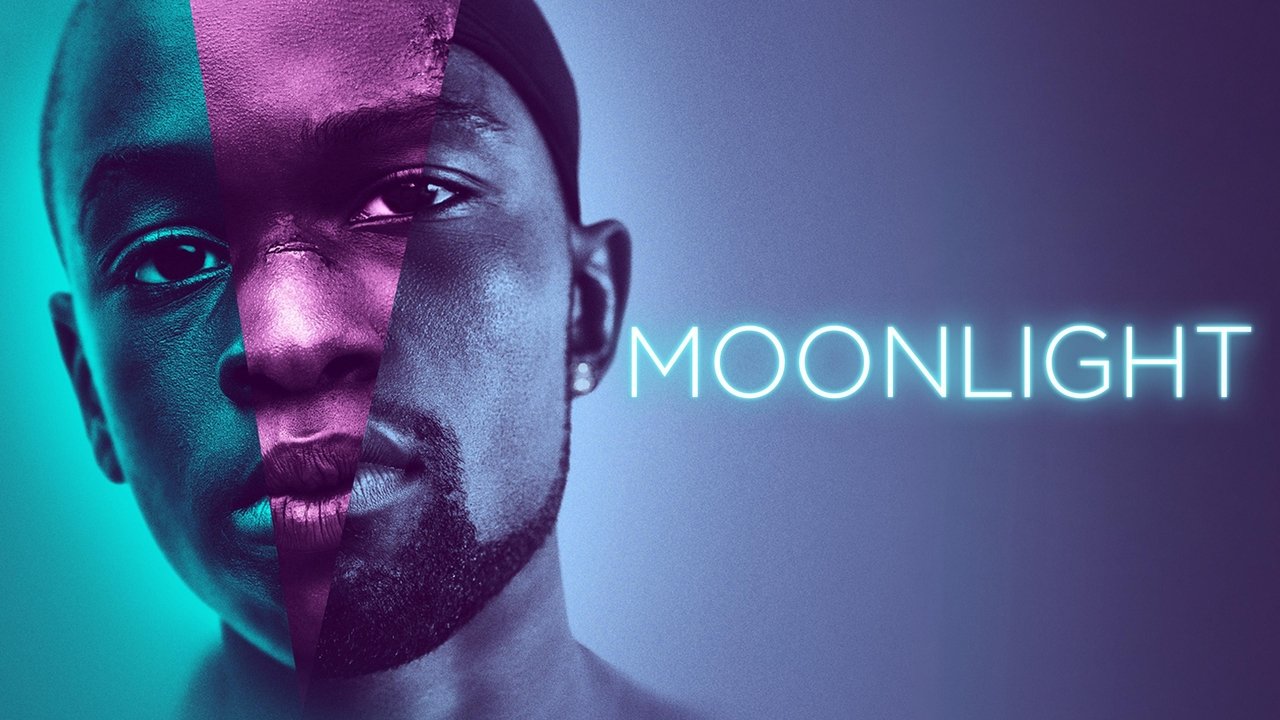
From a production standpoint, Moonlight is a bit of a miracle. It was made for about $1.5 million—roughly the cost of the catering budget on a Marvel set—and shot in just 25 days in Miami’s Liberty City. Jenkins and playwright Tarell Alvin McCraney actually grew up in the same neighborhood, sometimes just blocks apart, and that lived-in reality bleeds through every frame. They used real locations, real locals, and that humid, hazy Florida light that James Laxton captures so well on camera.
This film arrived right at the peak of the #OscarsSoWhite conversation, but it didn't win the Best Picture Oscar just because it was a "socially important" film. It won because it’s a technical and emotional powerhouse. I still get a little thrill thinking about that infamous envelope mix-up with La La Land. It was the chaotic, weirdly perfect birth of a new era of independent film dominance. A24 went from a cool boutique distributor to the definitive voice of modern cinema, all on the back of a story about a quiet boy in the moonlight.
Moonlight is the kind of movie that stays with you long after the screen goes black. It’s a reminder that cinema’s greatest superpower isn't CGI or multiverses, but the ability to make us feel the interior life of another human being. It’s a film that demands your full attention and rewards it with a profound sense of empathy. I’ve watched it four times now, and every time the final shot hits, I find myself holding my breath, hoping that Chiron finally feels safe in his own skin.
Go watch it, or watch it again. It’s a landmark for a reason.
Keep Exploring...
-
If Beale Street Could Talk
2018
-
Bone Tomahawk
2015
-

Hunt for the Wilderpeople
2016
-
Swiss Army Man
2016
-
The Witch
2016
-
A Ghost Story
2017
-
Good Time
2017
-

The Florida Project
2017
-
American Animals
2018
-
Arctic
2018
-
Eighth Grade
2018
-
First Reformed
2018
-
mid90s
2018
-
Searching
2018
-
The Miseducation of Cameron Post
2018
-
Late Night
2019
-

The Farewell
2019
-
Run
2020
-

Minari
2021
-
Pig
2021