Morgan
"Evolution has a very nasty temper."

The trees in British Columbia always look like they’re keeping secrets, usually of the damp and murderous variety. In Morgan, they serve as the gloomy backdrop for a high-tech bunker that feels less like a lab and more like a very expensive waiting room for an inevitable disaster. I watched this while trying to ignore a text from my landlord about a broken radiator, which added a layer of personal anxiety to the film’s cold, damp aesthetic that I honestly think helped the experience.
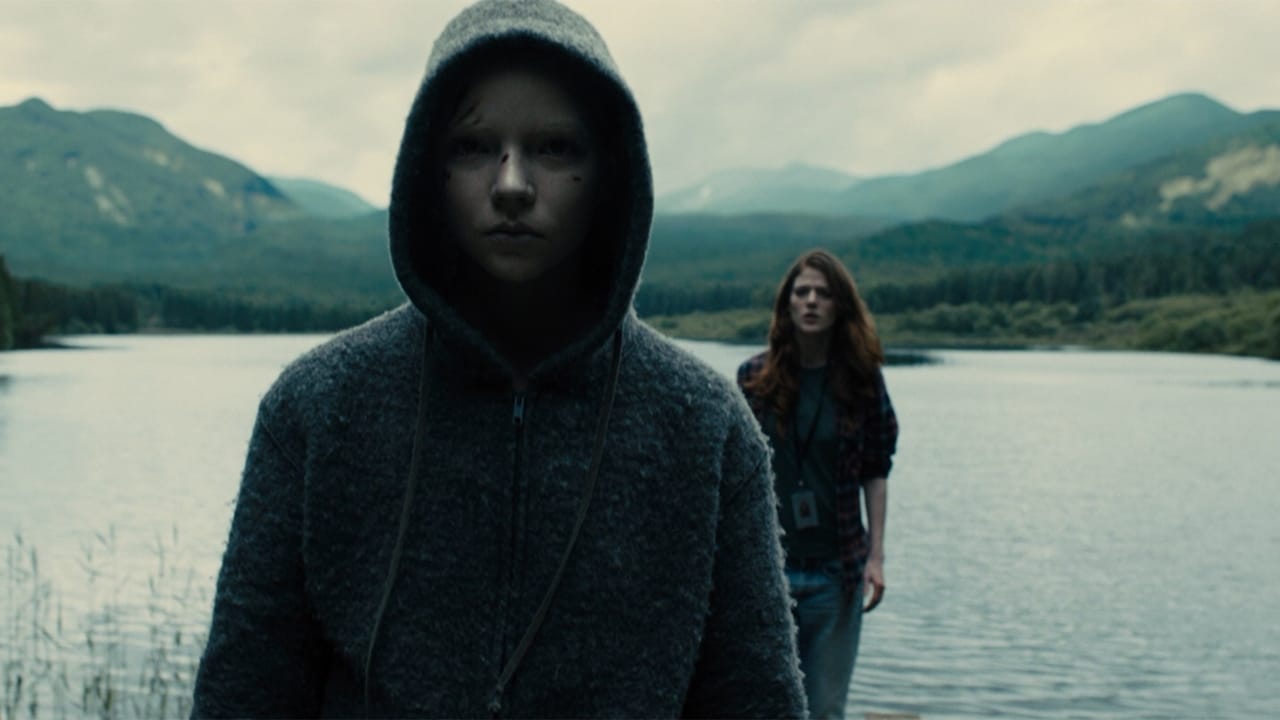
Coming out in 2016, Morgan landed right in the middle of a mini-renaissance for "AI-gone-wrong" cinema. It had the misfortune of standing in the shadow of Alex Garland’s Ex Machina (2014), a film that sucked all the oxygen out of the room by being a philosophical powerhouse. Where that film wanted to talk to you about the soul, Morgan eventually just wants to punch you in the throat. It’s a leaner, meaner, and arguably dumber cousin to the prestige sci-fi of the era, but there’s a specific kind of late-night-movie joy in watching a high-concept premise devolve into a tactical woodland brawl.
The Girl in the Glass Box
The setup is pure corporate-thriller-meets-Frankenstein. Kate Mara (who I still associate with that shocking subway scene in House of Cards) plays Lee Weathers, a corporate "risk-management consultant" sent to a remote site to decide if a biological experiment should be "terminated." The experiment is Morgan, played by Anya Taylor-Joy fresh off her breakout in The Witch.
Anya Taylor-Joy is the best thing about this movie, hands down. She has this uncanny ability to look both completely innocent and profoundly dangerous without moving a single facial muscle. In an era where we’re constantly arguing about the "uncanny valley" of CGI faces and AI-generated art, her performance reminds me that a talented human actor can do "alien" better than any algorithm. She plays Morgan with a flickering curiosity that turns into cold, predatory calculation the moment someone says the wrong thing.
The supporting cast is suspiciously overqualified. You’ve got Toby Jones (Captain America: The First Avenger) as the sentimental lead scientist, Michelle Yeoh (long before her well-deserved Oscar win for Everything Everywhere All At Once) as the maternal figure of the project, and Rose Leslie (Game of Thrones) as the only person who treats Morgan like a human. It’s a lot of talent for a movie that eventually decides to stop being a "meditation on creation" and starts being a slasher flick.
A Scott Family Business
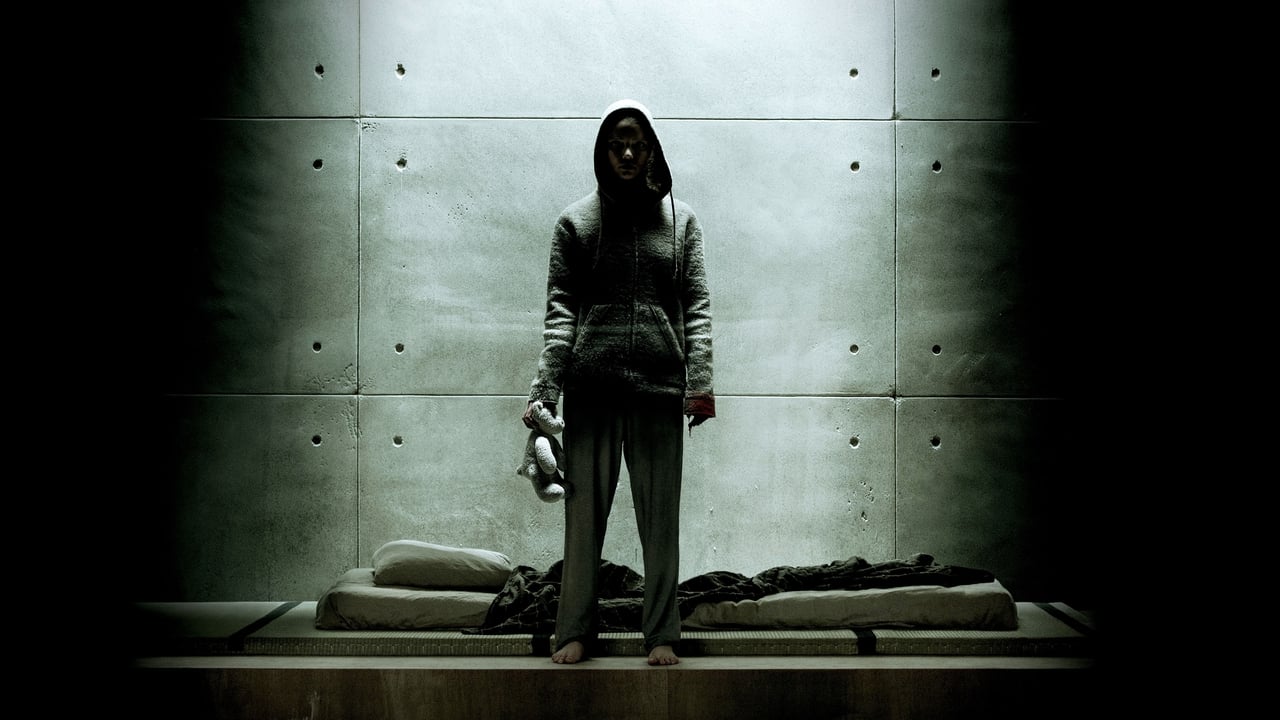
Director Luke Scott clearly inherited some of his father Ridley Scott's eye for composition. The film looks gorgeous in a sterile, oppressive way. The cinematography by Mark Patten makes the bunker feel claustrophobic even when the characters are standing in large rooms. There’s a persistent grey-blue tint to everything that makes you feel like you need to put on a sweater just to finish the runtime.
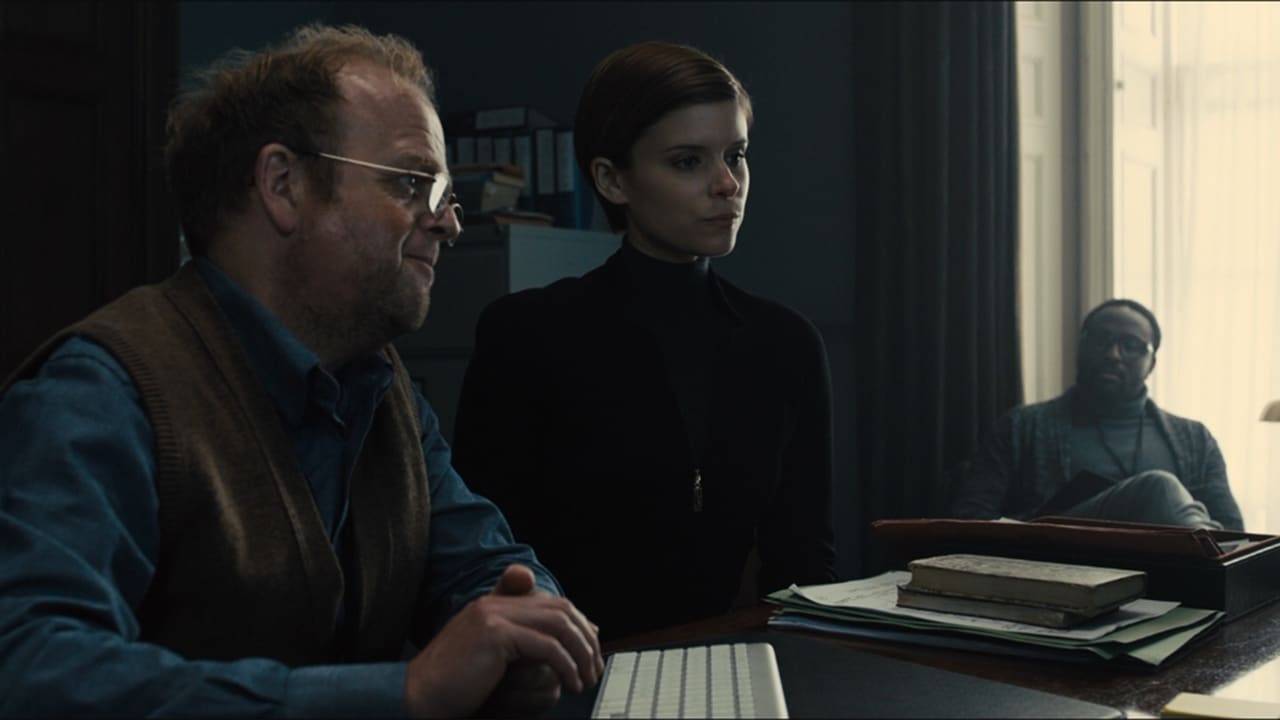
The horror mechanics here aren’t about jump scares; they’re about the erosion of professional boundaries. The tension builds through a series of interviews—most notably a psychological evaluation featuring Paul Giamatti in a brief but electrifying cameo. Giamatti basically walks onto the set, cranks the tension to eleven by being an absolute jerk to a super-powered teenager, and then exits in the most "horror movie" way possible. It’s the highlight of the film, a masterclass in how to build dread through dialogue before the blood starts flowing.
Apparently, the marketing for Morgan was more "meta" than the film itself. 20th Century Fox actually partnered with IBM’s "Watson" AI to create a trailer for the movie. The AI analyzed hundreds of horror trailers to figure out what audiences find scary and then selected the footage for the teaser. It’s a cool bit of trivia that feels incredibly relevant now as we grapple with AI’s role in creative industries, even if the movie itself is a bit more traditional than its marketing campaign suggested.
The Third Act Pivot
If you’re looking for a deep dive into the ethics of synthetic life, the first hour of Morgan will satisfy you. However, the final thirty minutes pivot hard into a tactical thriller. This is where the film loses some people, but I found the shift oddly refreshing. It stops pretending to be Blade Runner and starts trying to be a Jason Bourne movie with a horror twist.

The action is brutal and surprisingly physical. Kate Mara plays Lee with all the emotional warmth of a frozen spreadsheet, which makes her the perfect foil for Morgan’s outbursts of teenage-mutant rage. The movie eventually reveals itself to be a glorified tech-demo with a mean streak, and while that might sound like a dismissal, there’s a certain efficiency to it that I appreciate. In a landscape now dominated by three-hour franchise epics, a 92-minute thriller that knows exactly when to quit is a rare commodity.
While it didn’t set the box office on fire—barely making back its $8 million budget—Morgan feels like a film that was built for the streaming era that followed. It’s the kind of "hidden gem" you find on a Friday night when you’ve scrolled past the blockbusters and want something that looks expensive but feels a little bit "nasty."
Morgan is a sleek, well-acted piece of "diet sci-fi" that benefits immensely from its cast. It doesn't reinvent the wheel, and it certainly doesn't reach the heights of the classics it draws inspiration from, but it’s a solid bit of atmospheric tension. It captures that specific 2010s anxiety about what we’re brewing in our labs, wrapped in a package that’s more interested in the "crunch" of a fight scene than the philosophy of the soul. If you’re a fan of Anya Taylor-Joy’s early work, it’s an essential stop on the map.
***
Trivia Note: Before making his feature debut here, Luke Scott worked as a second unit director on his father’s film The Martian (2015) and directed a brilliant short film called Loom (2012) which also dealt with synthetic life. He clearly has a "type" when it comes to stories.

Keep Exploring...
-
Color Out of Space
2020
-
Tau
2018
-

Synchronic
2020
-
Oxygen
2021
-

Underworld: Blood Wars
2016
-
The Cloverfield Paradox
2018
-
Crimes of the Future
2022
-
Circle
2015
-
Alien: Covenant
2017
-
Awake
2021
-
The Platform 2
2024
-
Regression
2015
-
The Other Side of the Door
2016
-
Cult of Chucky
2017
-
The Discovery
2017
-
Wish Upon
2017
-
Anon
2018
-

Assassination Nation
2018
-
Hell Fest
2018
-
Kin
2018