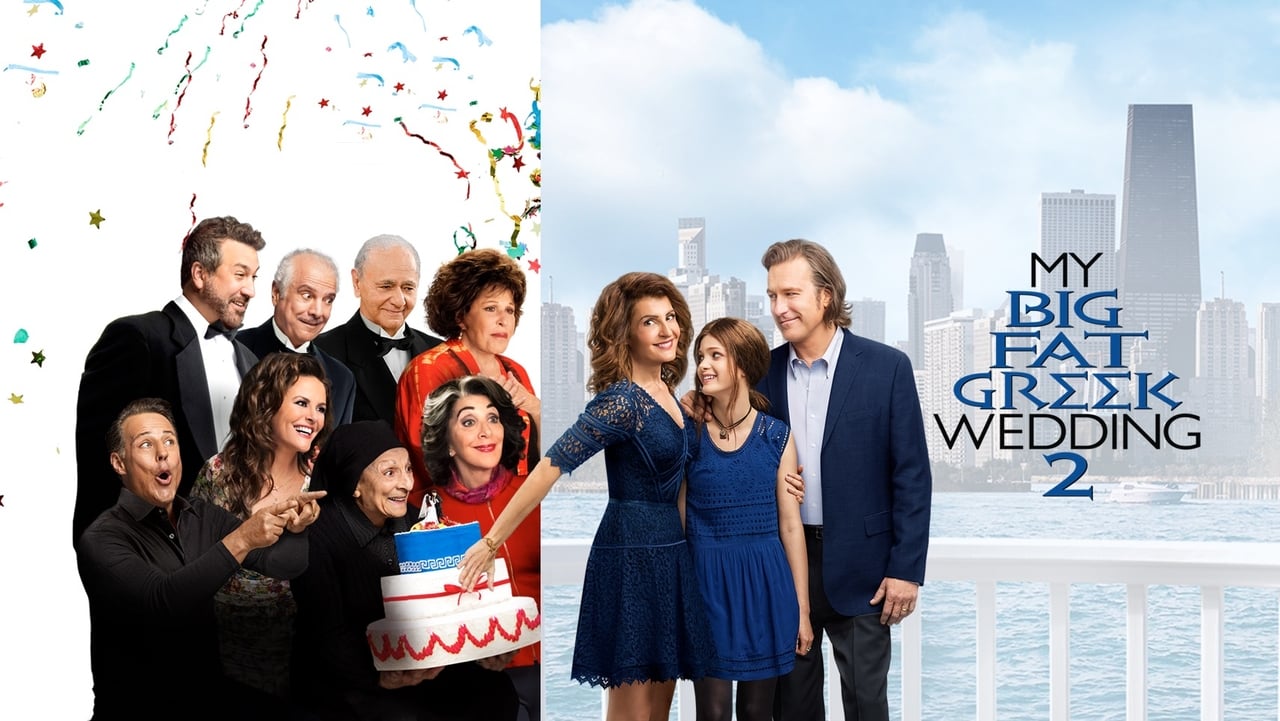
My Big Fat Greek Wedding 2
"More Bundt cakes, more Windex, and the same loud family."
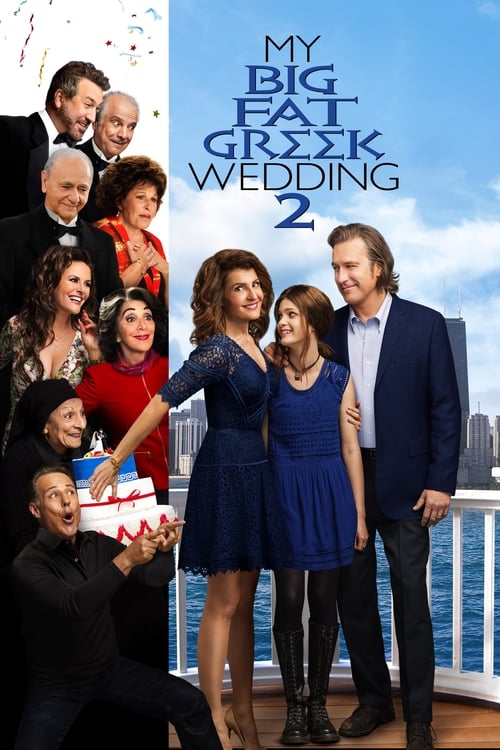
Walking into a sequel fourteen years after the original is like attending a high school reunion where you actually liked everyone, but you’re secretly terrified they’ve all become boring. In 2002, the original My Big Fat Greek Wedding was the ultimate cinematic Cinderella story—a $5 million indie that didn't just break the box office; it shattered it, earning over $360 million through sheer, stubborn word-of-mouth. By the time 2016 rolled around, we were deep in the "Legacy Sequel" era, a time when Hollywood was obsessed with mining our collective childhood and adolescent memories for a quick hit of dopamine. I watched this while trying to fold a fitted sheet, which is a Sisyphean task that felt strangely thematic for a movie about a family that refuses to let anyone go.
The Comfort Food of Franchise Fatigue
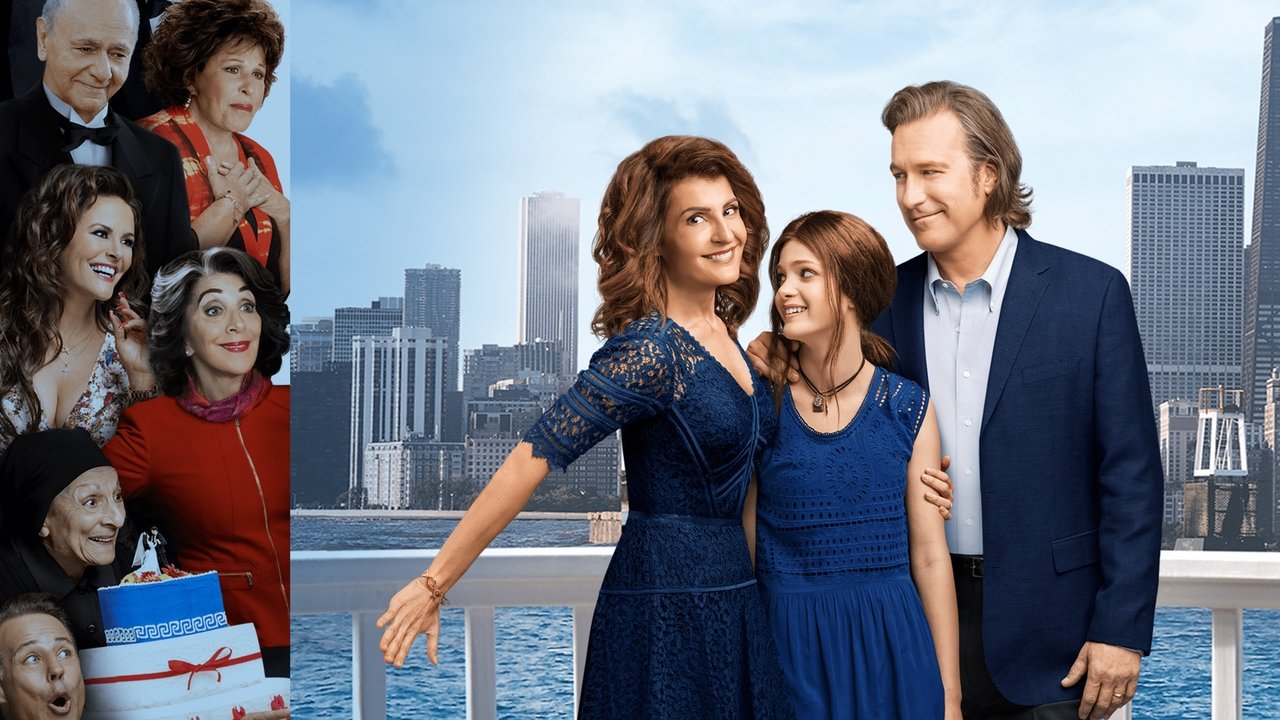
Let’s be honest: Nia Vardalos wasn't trying to reinvent the wheel here. She was trying to build a bigger, Greek-er wheel. The plot of My Big Fat Greek Wedding 2 is essentially a series of sitcom subplots tied together by a technicality: Gus (Michael Constantine) and Maria (Lainie Kazan) discover that their marriage license was never signed by the priest. Therefore, they aren't legally married. Cue the frantic planning of yet another massive wedding.
In the landscape of 2016, where we were being pummeled by the peak of the Marvel Cinematic Universe and high-concept streaming dramas, there was something almost rebellious about how aggressively "middle-of-the-road" this movie was. It’s a film that ignores every modern trend of cynical, edgy humor. It is the cinematic equivalent of a warm hug from an aunt who smells like Ouzo and expensive hairspray. While critics at the time groaned about the recycled jokes, I found myself appreciating the rhythm. It doesn't care about being "cool." It cares about whether you’re hungry and if you’ve seen your cousins lately.
Performance Chemistry and the Voula Factor
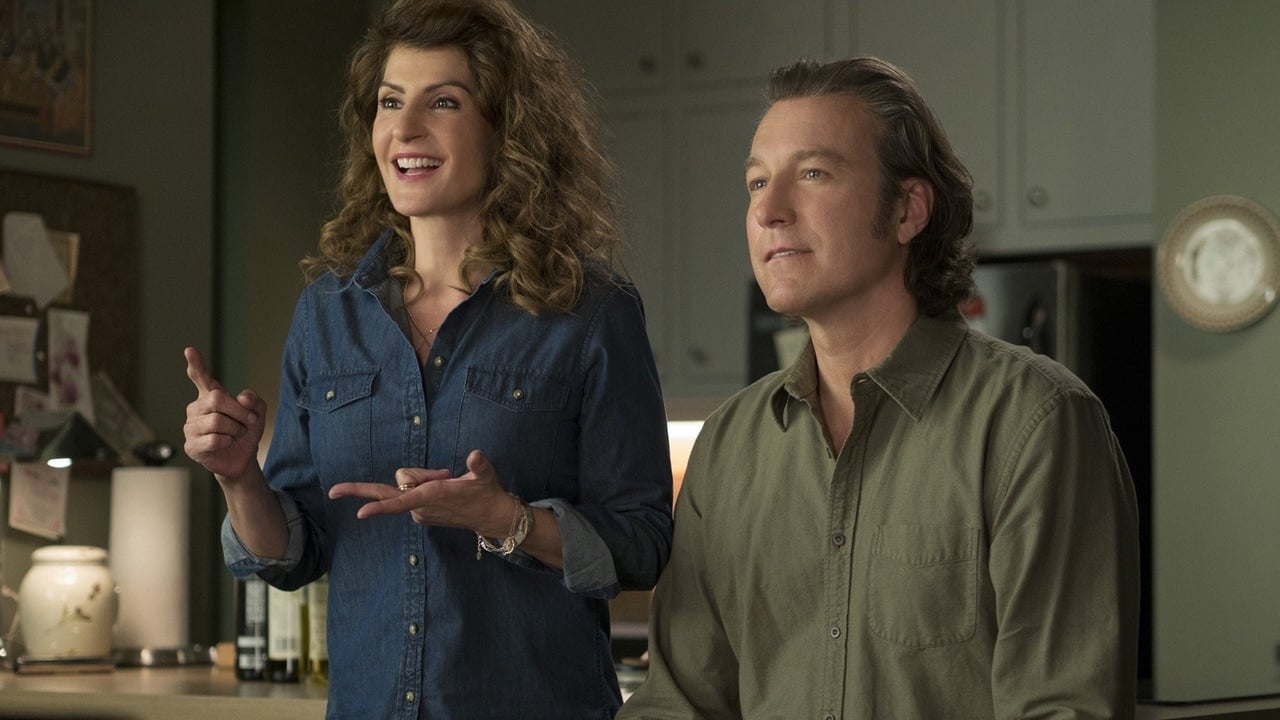
The magic of the Portokalos family has always been the chemistry. It’s rare to see a sequel where literally every single person came back, and you can feel that genuine affection on screen. John Corbett returns as Ian Miller, and honestly, the man must have a portrait in his attic that's doing all the aging for him. He remains the ultimate "supportive movie husband," a role that could be thankless if Corbett didn't play it with such effortless, breezy charm.
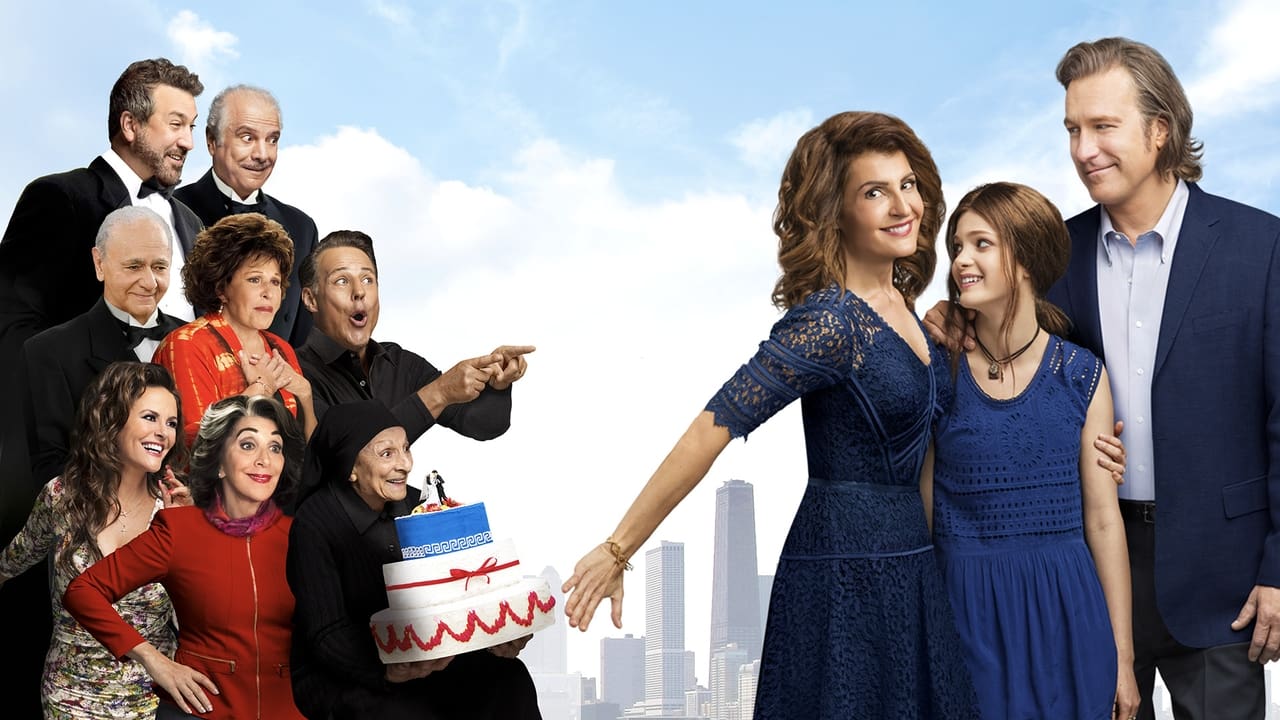
However, the undisputed MVP of this franchise remains Andrea Martin as Aunt Voula. If there’s a single reason to hit play on this film, it’s her. Her comedic timing is surgical. Whether she’s oversharing about a twin she absorbed in the womb or hijacking a romantic moment, Martin understands that comedy is about high-stakes commitment to the absurd. The movie effectively stops being a romantic comedy and becomes a documentary about Aunt Voula’s whims whenever she’s on screen.
The new blood, Elena Kampouris as the teenage Paris Miller, has the unenviable task of playing the "angsty teen" in a family that doesn't understand the concept of personal space. It’s a trope we’ve seen a thousand times, but in the context of 2016—an era of increasing digital isolation—there’s something poignant about a kid who just wants five minutes of silence in a house that sounds like a permanent construction site.
A Relic of the Theatrical Mid-Budget
Director Kirk Jones (who gave us the delightful Waking Ned Devine) keeps the camera mostly out of the way, letting the ensemble do the heavy lifting. Visually, it feels like a high-end television special, which is exactly what the audience wanted. Interestingly, the film was produced by Tom Hanks and Rita Wilson (who is herself Greek-American), and their influence ensures the movie never veers into mean-spirited caricature.
One bit of trivia I always found fascinating: Nia Vardalos actually waited over a decade to write the sequel because she wanted to experience motherhood herself to accurately write the "overbearing mother" perspective. That’s a level of creative integrity you don’t often see in the world of "cash-grab" sequels. Even if the jokes about Windex and "Greeks invented everything" feel a bit like a Greatest Hits album, they come from a place of lived experience.
The film did solid business—making over $90 million—but it felt like one of the last of its kind. Today, a movie like this would be fast-tracked to a streaming service like Netflix or Hulu. Seeing it in a theater in 2016 felt like a final stand for the mid-budget family comedy. It’s a movie that trusts its audience to enjoy a joke they’ve already heard three times, provided it’s told by someone they like.
Ultimately, this isn't a film that’s going to change your life or end up on a "Best of the Decade" list. It’s a pleasant, slightly cluttered, and deeply nostalgic trip back to a world where every problem can be solved with a large family dinner and a bit of meddling. It’s far from a masterpiece, but in an era of franchise exhaustion, there’s something oddly refreshing about a sequel that just wants you to have a good time and eat your spanakopita.
If you’re looking for a low-stakes evening or something to watch with your parents without having to explain what a "multiverse" is, you could do a lot worse. It’s loud, it’s predictable, and it’s unapologetically Greek. Sometimes, that’s exactly what the weekend calls for. Just don't expect the Windex joke to land quite as hard as it did in 2002.
Keep Exploring...
-
My Big Fat Greek Wedding
2002
-
What to Expect When You're Expecting
2012
-
Barely Lethal
2015
-

Mother's Day
2016
-
Mr. Right
2016
-
Home Again
2017
-
Overboard
2018
-
Second Act
2018
-

What Men Want
2019
-
The Princess Switch: Switched Again
2020
-

Naomi and Ely's No Kiss List
2015
-
Up for Love
2016
-

The Climb
2017
-
A Christmas Prince: The Royal Wedding
2018
-
Ibiza
2018
-

The Holiday Calendar
2018
-

Always Be My Maybe
2019
-

Can You Keep a Secret?
2019
-
Falling Inn Love
2019
-
Let It Snow
2019