My Life as a Zucchini
"Big eyes, tiny puppets, and massive heart."
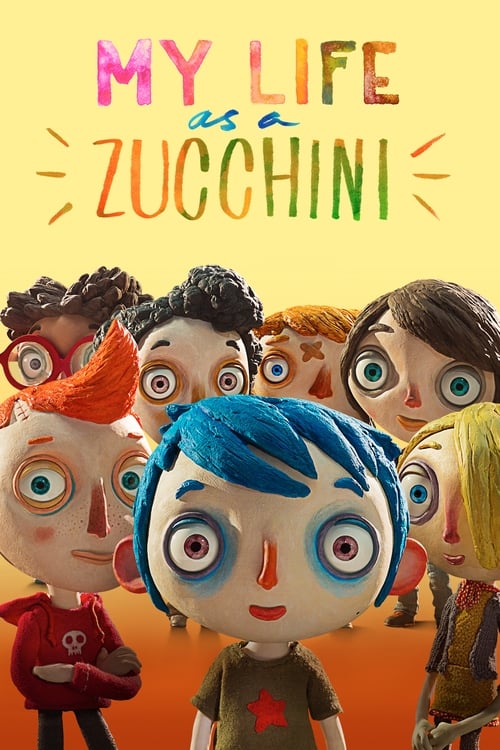
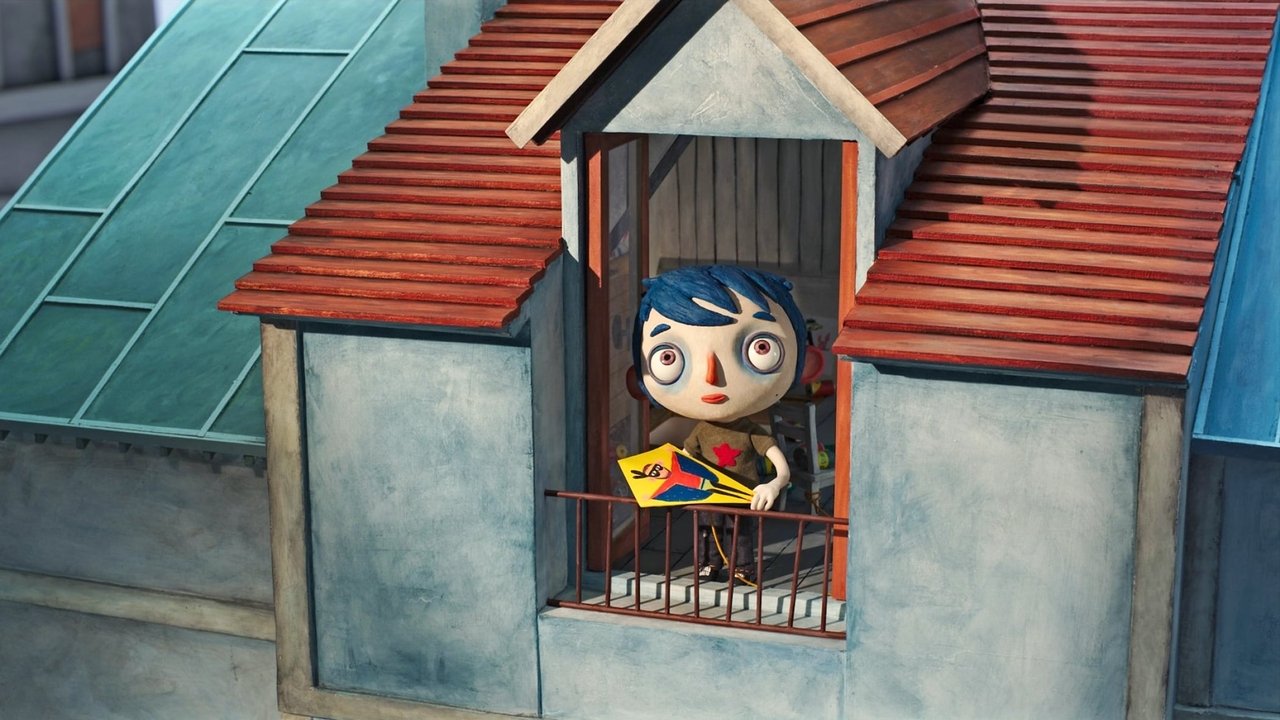
The first thing you notice about Courgette isn’t his name—which is French for "Zucchini," a nickname he clings to because it’s the last thing his mother gave him—but his eyes. They are enormous, dinner-plate orbs that seem to occupy half his face, rimmed with a perpetual, weary purple. In the world of My Life as a Zucchini (or Ma vie de Courgette), these puppets don't look like the polished, porcelain figures of a Laika production. They look like they were cobbled together from felt, clay, and the lingering residue of a bittersweet dream.
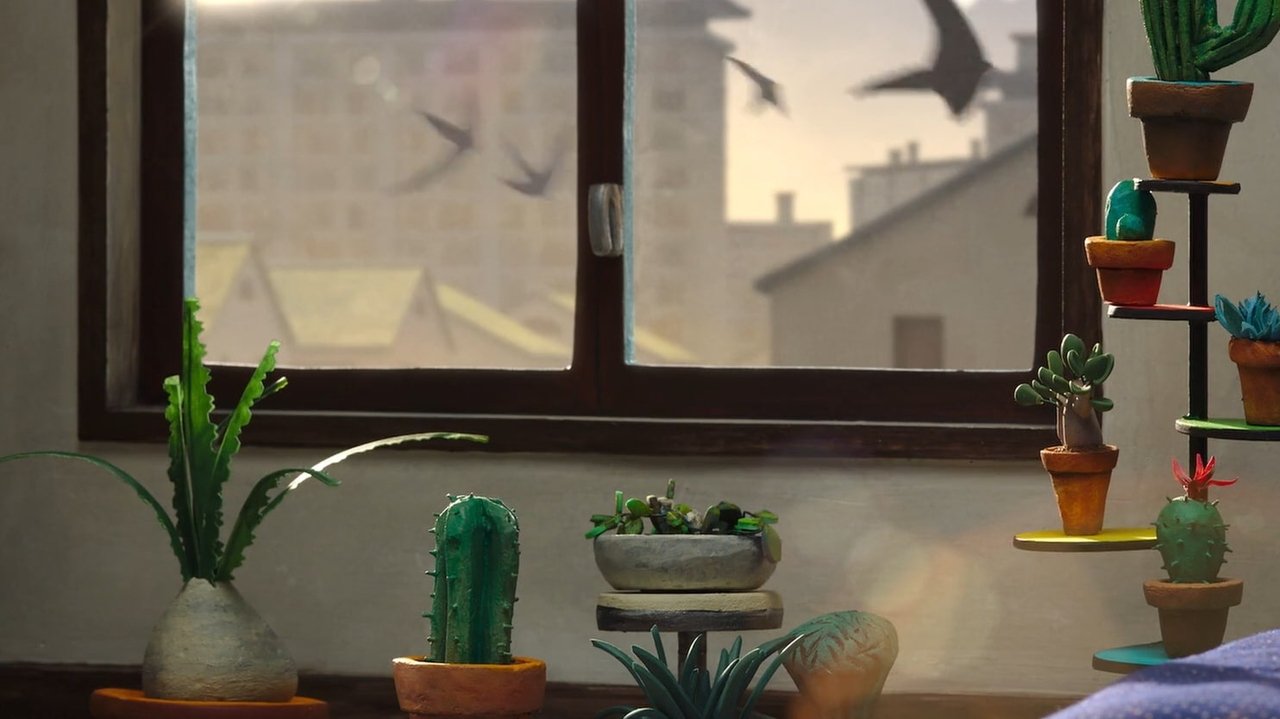
I actually watched this for the first time on a cracked iPad screen while waiting for a delayed flight in Newark, and even the smell of overpriced Cinnabon and the frantic gate announcements couldn’t break the spell. It is a film that demands your empathy by being aggressively, almost stubbornly, human.
The Sciamma Touch in Miniature
While Claude Barras handles the direction with a sensitive, steady hand, the secret weapon here is the screenplay by Céline Sciamma. If you’ve seen her work in Portrait of a Lady on Fire or Petite Maman, you know she possesses a preternatural ability to translate the internal lives of children and the marginalized without a shred of condescension. In an era where "representation" often feels like a corporate checklist, Sciamma provides the real deal: a story that honors the specific, jagged edges of trauma.
The plot kicks off with a tragedy that feels like something out of a much darker film. Courgette (Gaspard Schlatter) accidentally causes his alcoholic mother’s death. It’s handled with a minimalist, haunting quiet. From there, we are whisked away to a foster home. This is where the movie could have easily slid into "misery porn" or a Dickensian nightmare, but it chooses a different path. It’s basically The Breakfast Club if everyone was ten and had a much better reason to be in therapy.
We meet a cast of characters that feel instantly real. There’s Simon (Paulin Jaccoud), the resident "tough guy" who masks his abandonment with bravado; Ahmed (Raul Ribera), who deals with his father’s incarceration; and Alice (Estelle Hennard), whose hair hides a history of abuse. When Camille (Sixtine Murat) arrives, she becomes the catalyst for Courgette’s realization that a family isn't just something you’re born into—it’s something you can build out of the spare parts of other broken lives.
Tactile Tears and Stop-Motion Soul
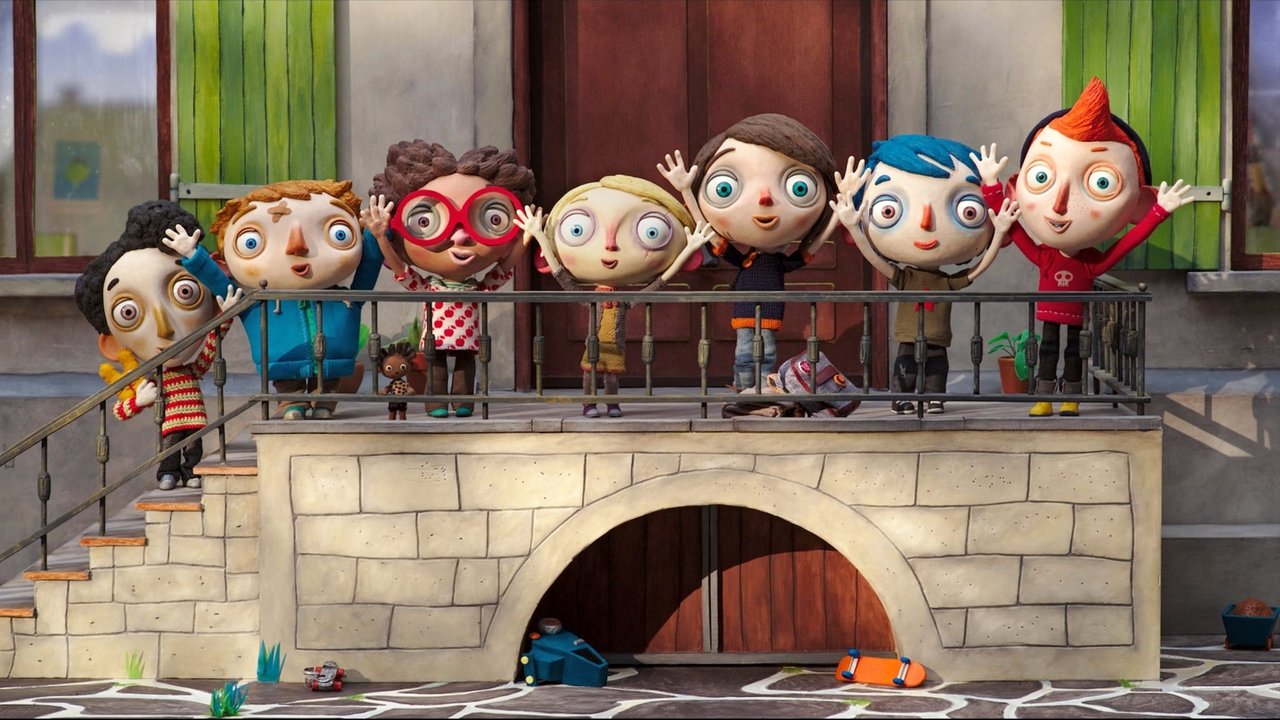
In our current CGI-saturated landscape, there is something profoundly radical about stop-motion. We are so used to the "uncanny valley" of digital humans that seeing a puppet with visible texture—where you can almost feel the weight of the clay—is a relief. The character designs are wonderfully weird. They have colorful hair and spindly limbs, yet their movements are imbued with a heavy, physical sadness.
The film is a middle finger to the idea that animation is just for distracting toddlers. At a lean 66 minutes, it’s shorter than some episodes of Stranger Things, but it packs more emotional density into an hour than most three-hour "prestige" dramas. The cinematography by David Toutevoix uses light in a way that feels organic; the golden hour in the orphanage yard feels like a genuine reprieve from the gray reality of these kids' lives.
I was struck by how the film handles the "villain" of the piece—Camille’s predatory aunt. In a standard blockbuster, there would be a grand showdown. Here, the victory is quieter, found in the paperwork and the kindness of a police officer named Raymond (Michel Vuillermoz). It reminds us that for kids in the system, the real superheroes aren't wearing capes; they’re the adults who actually show up and stay.
Why It Got Lost in the Shuffle
Released in 2016, My Life as a Zucchini was the "little engine that could," eventually snagging an Oscar nomination for Best Animated Feature. However, it went up against Zootopia, a Disney behemoth that, while great, occupies a totally different universe. In the streaming era, where Netflix and Disney+ algorithms prioritize high-gloss IP, a 66-minute French-Swiss co-production about orphans is an easy thing to overlook.
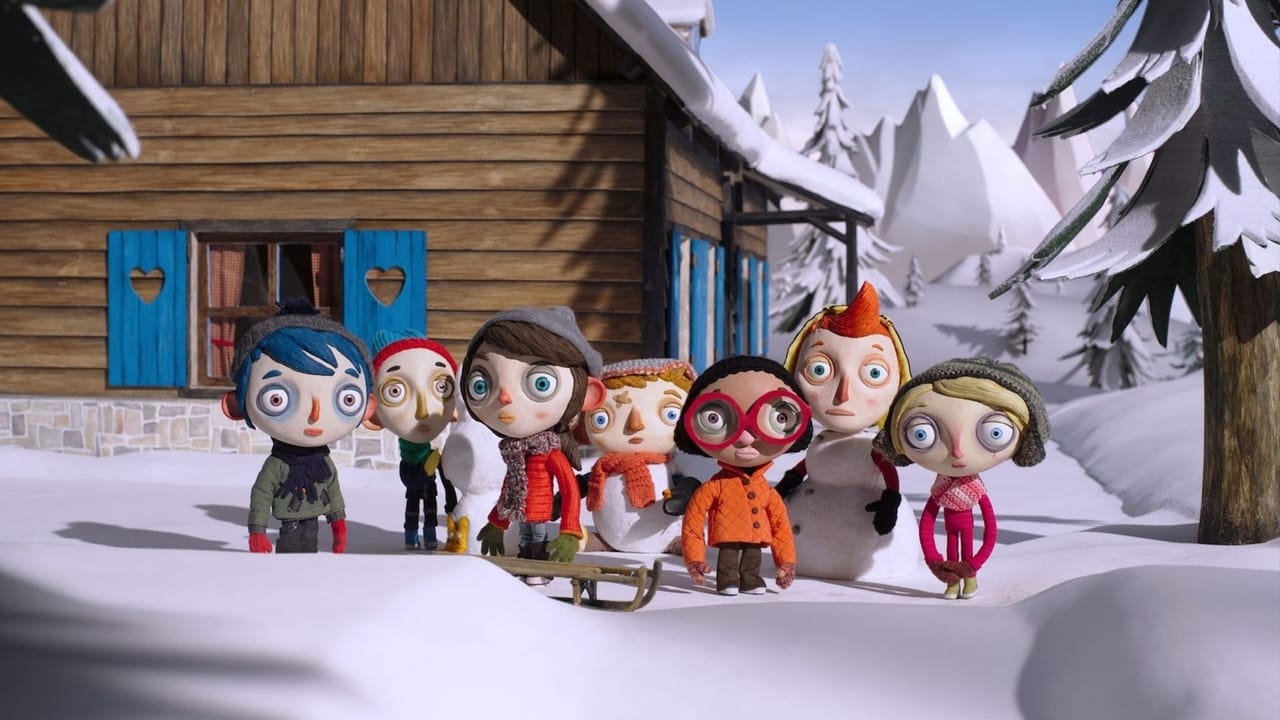
It’s a shame, because this film speaks to our current moment with startling clarity. We live in a time of intense cultural anxiety and conversations about the "found family" versus the "biological" one. This movie doesn't offer easy answers. It acknowledges that some parents are monsters and that the system is flawed. But it also suggests that happiness is a choice you make with your friends when the adults in the room have failed you.
The score by Sophie Hunger is another highlight—minimalist, slightly folk-tinged, and perfectly suited to the film’s "handmade" aesthetic. It doesn't tell you how to feel; it just sits in the room with you while you feel it.
If you’re looking for a film that will restore your faith in the power of simple storytelling, this is it. It is a tiny, perfect jewel of a movie. It treats its audience—regardless of age—with immense respect, never shying away from the darkness but always keeping a candle lit. It’s the kind of film that makes you want to call your friends, hug your pets, and maybe, just maybe, look at a zucchini with a little more affection. Don't let the short runtime fool you; this one stays with you long after the credits roll. It’s proof that you don't need a nine-figure budget to create something that feels like a masterpiece.

Keep Exploring...
-
Anomalisa
2015
-
The House
2022
-
Asterix: The Secret of the Magic Potion
2018
-
Inside Out
2015
-
Justice League vs. Teen Titans
2016
-

Cars 3
2017
-
Soul
2020
-
Dope
2015
-
The Dressmaker
2015
-
Battle of the Sexes
2017
-
Le Brio
2017
-
The Man Who Invented Christmas
2017
-
Teen Titans Go! To the Movies
2018
-
Red Shoes and the Seven Dwarfs
2019
-
The Peanut Butter Falcon
2019
-
Riders of Justice
2020
-
The Worst Person in the World
2021
-

Boruto: Naruto the Movie
2015
-

Frozen Fever
2015
-
Like Crazy
2016