Nocturnal Animals
"Art is the ultimate weapon of the broken heart."
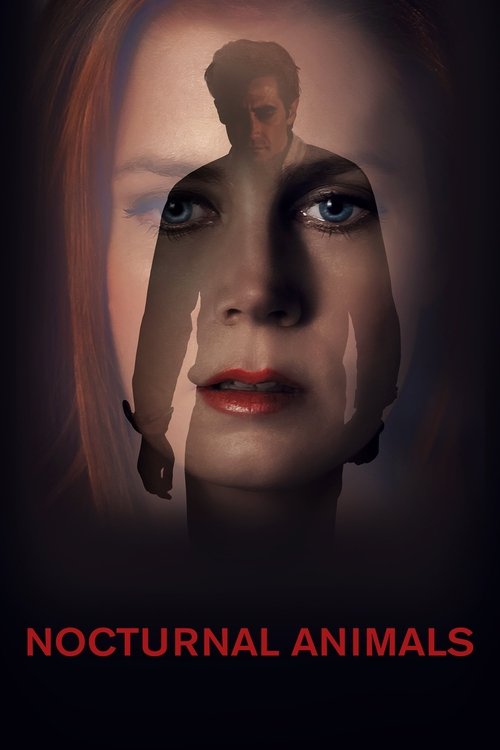
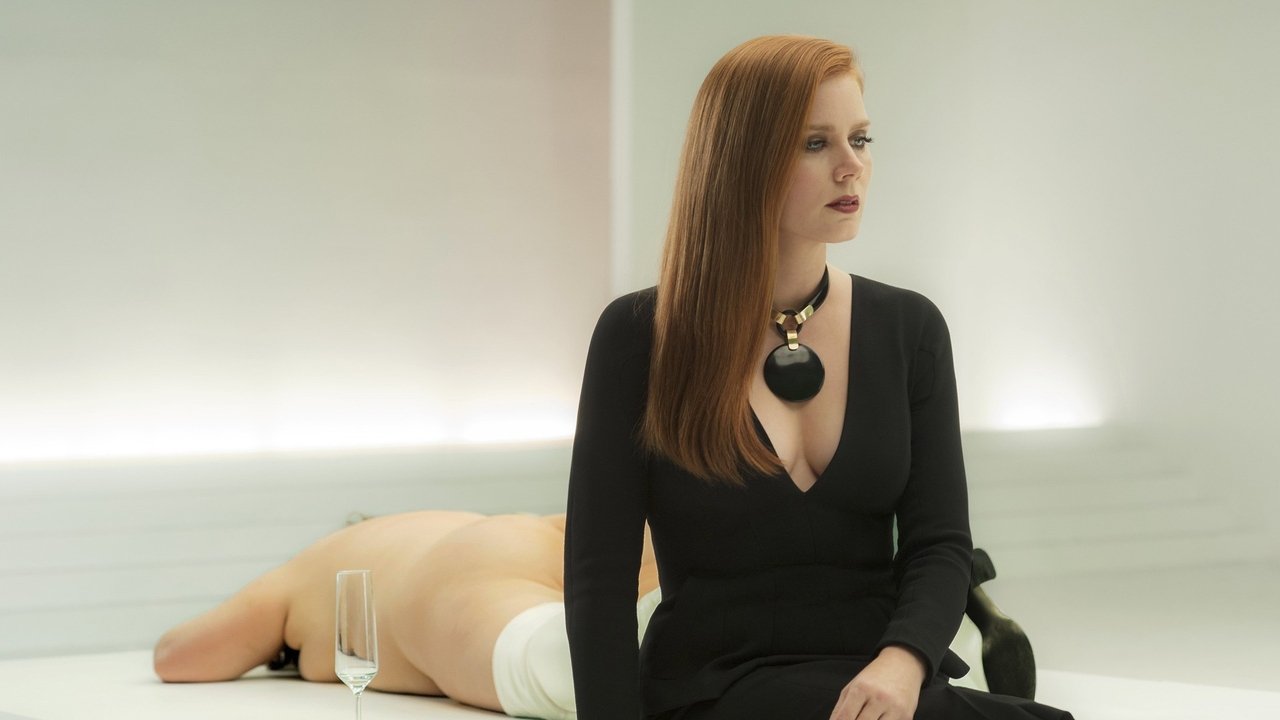
The opening credits of Nocturnal Animals are designed to make you blink, recoil, and then stare in a state of confused fascination. Watching a series of larger-than-life, nude women dancing in slow motion against a velvet red backdrop feels like being trapped inside a high-fashion fever dream. It’s provocative, uncomfortable, and meticulously staged—which is exactly how Tom Ford (who previously gave us the equally stylish A Single Man) wants you to feel for the next two hours. This isn’t just a movie; it’s a beautifully wrapped box filled with broken glass.
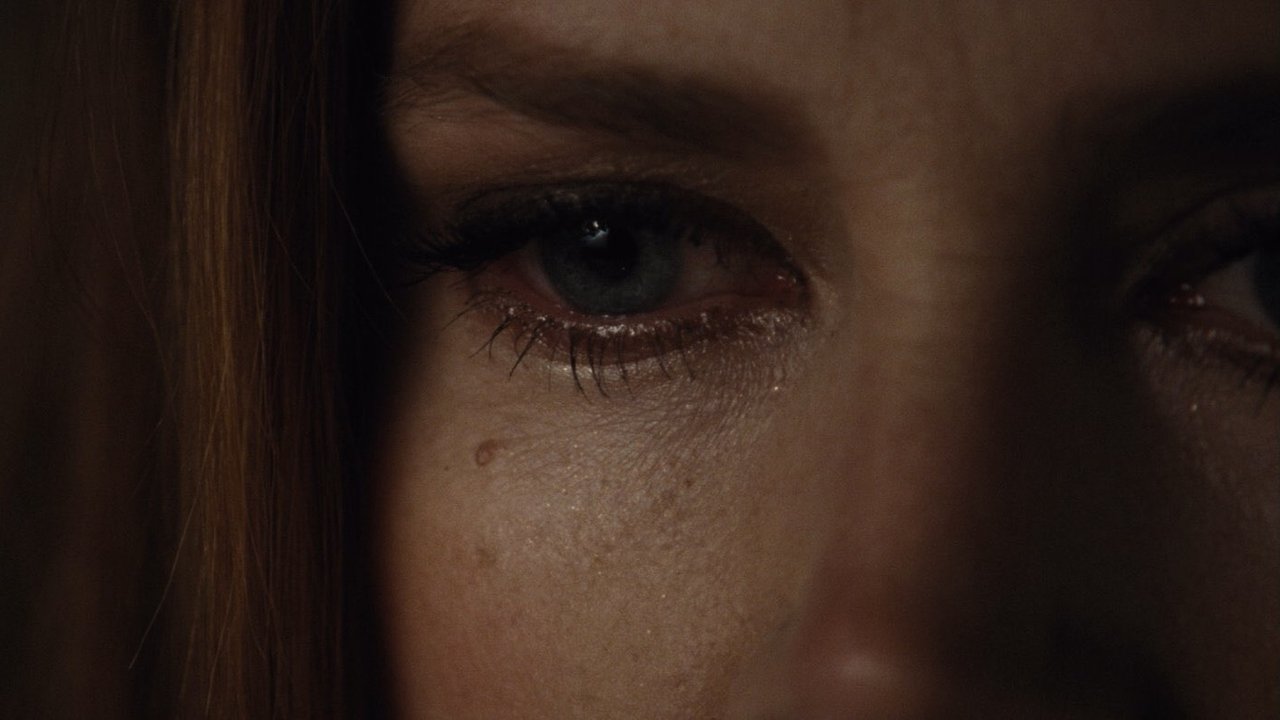
During my second viewing of this film, I realized my living room lamp was casting a sharp, orange glare on the screen that looked exactly like a flickering Texas sunset. I was so paralyzed by the tension on screen that I didn't move to fix it for the entire duration of the second act. That is the power of this film; it demands a stillness from the viewer that mirrors the frozen, icy life of its protagonist.
The Sterile Cage of Luxury
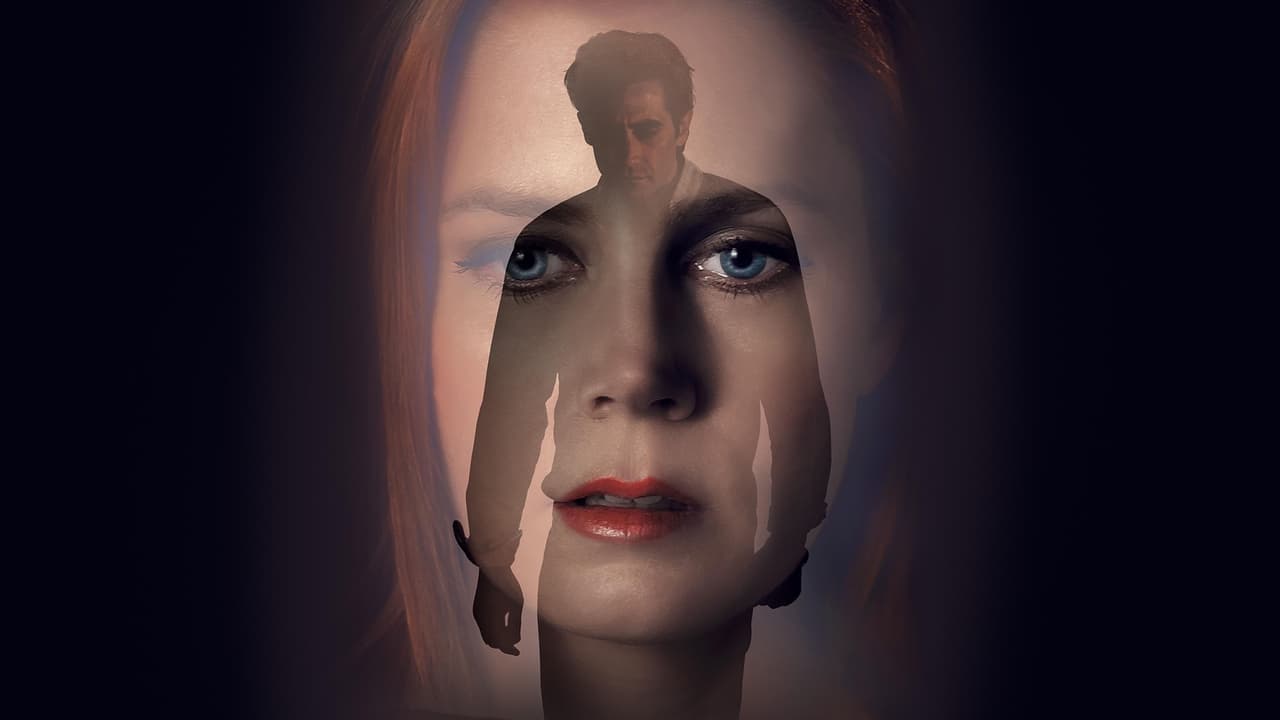
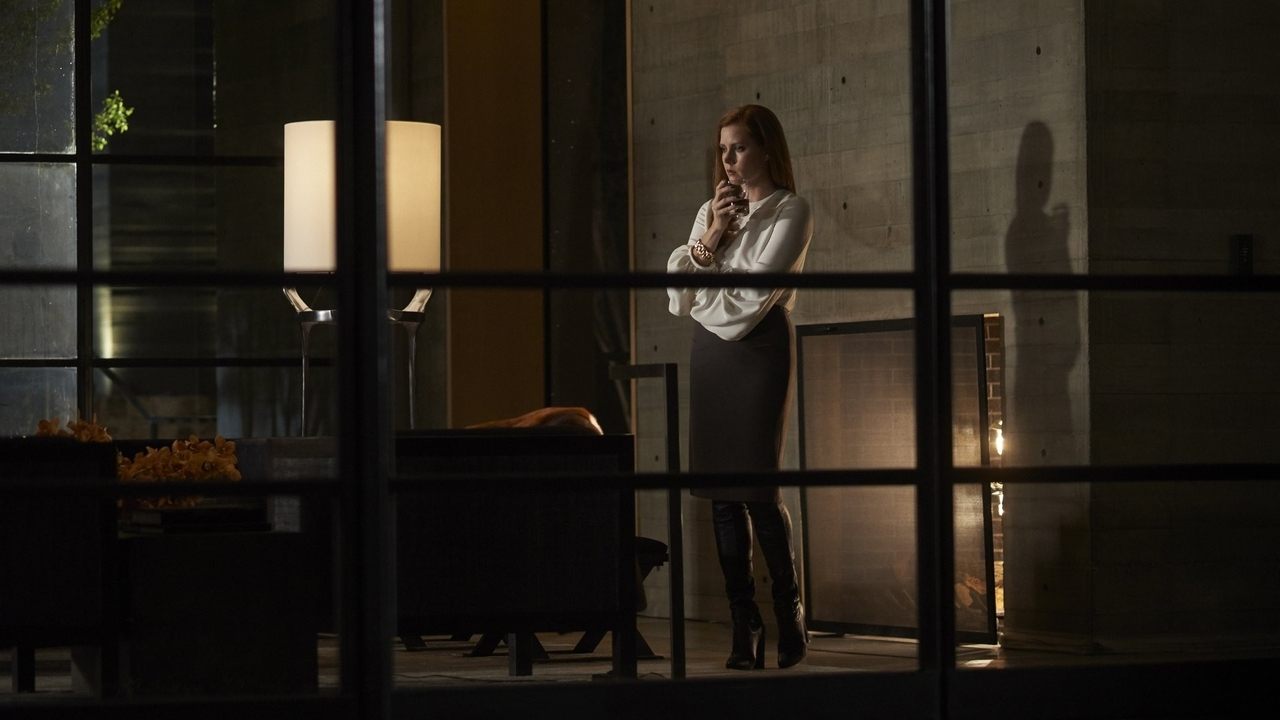
We meet Susan Morrow, played with a haunting, wide-eyed exhaustion by Amy Adams, living in an Los Angeles that looks like it was curated by a ghost. Her life is a series of cold concrete walls, expensive art she doesn't like, and a husband who is as distant as a satellite. Tom Ford directs like he’s trying to punish his furniture for being too beautiful, and Susan is just another piece of the decor. When she receives a manuscript from her ex-husband Edward (Jake Gyllenhaal), the film fractures into three distinct layers: Susan’s current life, her memories of her marriage to Edward, and the brutal story within the book itself.
This "story within a story" is where the film finds its pulse. It follows Tony Hastings (also played by Jake Gyllenhaal), a man whose family road trip through West Texas turns into a nightmare when they are run off the road by a group of local thugs. The contrast between the sterile, blue-tinted halls of Susan’s gallery and the dusty, sweat-soaked asphalt of Tony’s reality is jarring. It’s a clever piece of meta-commentary; Susan is reading this book as a way to feel something—anything—in her numb existence, but the "feeling" Edward has sent her is pure, unadulterated terror.
A Masterpiece of Casting and Cruelty
The performances here are what elevate the film from a mere stylistic exercise to a genuine gut-punch. Michael Shannon shows up as Bobby Andes, a chain-smoking detective with nothing left to lose, and he steals every scene he’s in. Michael Shannon breathes like he’s smoking a cigarette made of pure grit, and his deadpan delivery provides the only (very dark) humor the film offers. On the flip side, Aaron Taylor-Johnson is genuinely terrifying as Ray Marcus. He plays a villain so repulsive you can practically smell the stale beer and bad intentions through the screen, a performance that earned him a well-deserved Golden Globe.
One of the smartest production choices involves Isla Fisher. She plays Tony’s wife in the book segments, and the physical resemblance between her and Amy Adams is no accident. It’s a subtle, psychological trick; it reminds us that Edward isn’t just writing a thriller—he’s rewriting his history with Susan, casting a surrogate to suffer the fates he felt during their divorce. It’s petty, brilliant, and incredibly mean-spirited.
The Contemporary Cult of the Adult Thriller
Released in 2016, Nocturnal Animals feels like a relic from a time—only a few years ago—when studios were still willing to throw a $22 million budget at a mid-budget, R-rated psychological drama. In our current era of franchise dominance and "content" designed to be consumed while scrolling on a phone, this film feels like a protest. It’s a theatrical experience that relies on Seamus McGarvey’s lush cinematography and Abel Korzeniowski’s sweeping, Hitchcockian score to do the heavy lifting.
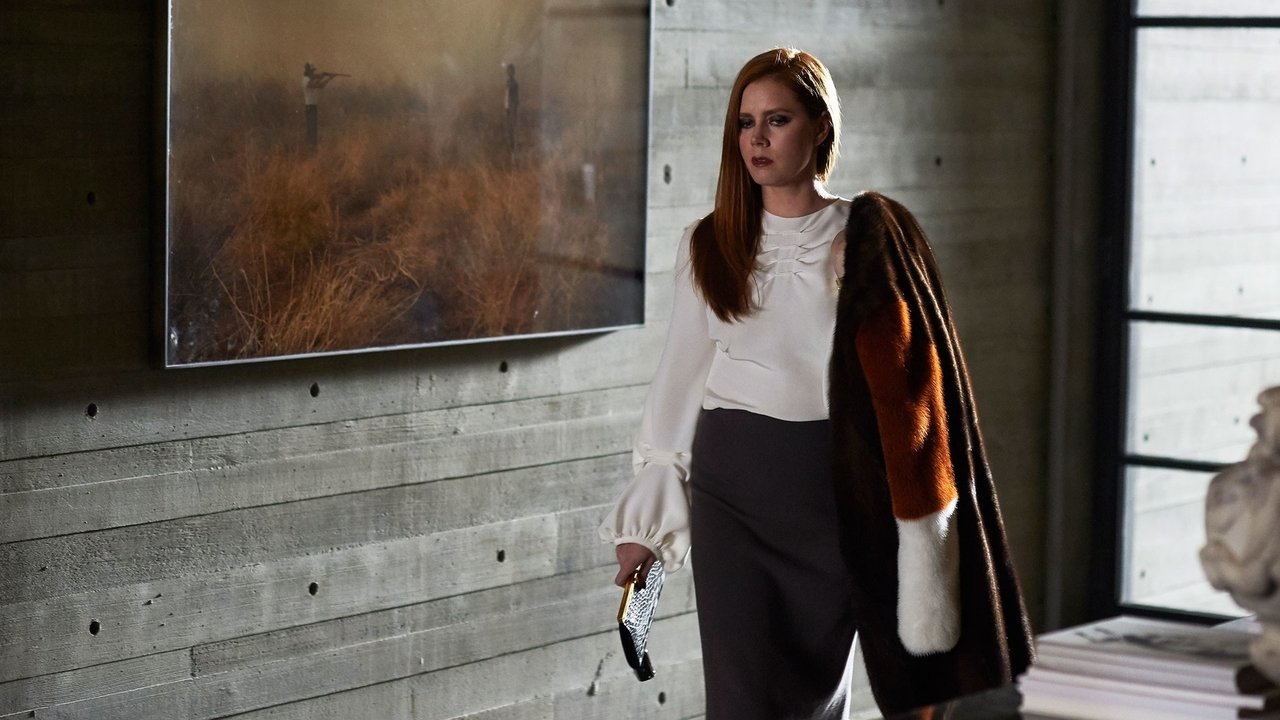
There’s a lot of "behind-the-scenes" precision that fans of this film obsess over. For instance, the glasses Amy Adams wears in her office aren't just random props—they are Tom Ford’s own frames, a tiny signature from a director who treats every frame like a page in Vogue. Also, the "art" featured in Susan’s gallery includes a massive piece that literally says "REVENGE" in bold letters, a bit of on-the-nose symbolism that feels earned by the time the credits roll. It’s these details that have turned the film into a contemporary cult classic for those who miss the "mean" thrillers of the 90s but want them served with 21st-century polish.
The film handles its dark themes with a clinical touch. It doesn't ask for your sympathy; it asks for your attention. It explores the idea that the most violent things we do to each other aren't physical, but emotional. When the ending arrives—abrupt, cold, and devastatingly quiet—it leaves you sitting in the dark, wondering if you’ve just watched a tragedy or a triumph.
Nocturnal Animals is a gorgeous, cruel, and deeply layered piece of cinema that proves Tom Ford is far more than a fashion designer playing with a camera. It’s a film about the consequences of "throwing people away," and it lingers in your mind like a bruise. It isn't a comfortable watch, and it certainly isn't a "fun" one, but it is an essential piece of contemporary drama for anyone who likes their stories with a sharp, jagged edge. It’s the kind of movie that makes you want to look at your life, your past, and your bookshelf with a lot more scrutiny.
Keep Exploring...
-
Patriots Day
2016
-

Snowden
2016
-

Dark Waters
2019
-
The Lighthouse
2019
-
Uncut Gems
2019
-

Promising Young Woman
2020
-
Wrath of Man
2021
-
13 Hours: The Secret Soldiers of Benghazi
2016
-

The House That Jack Built
2018
-
El Camino: A Breaking Bad Movie
2019
-

The Devil All the Time
2020
-

Hotel Mumbai
2019
-
Sherlock: The Abominable Bride
2016
-
Dogman
2018
-

Shoplifters
2018
-

Bridge of Spies
2015
-

Room
2015
-
The Accountant
2016
-

Detroit
2017
-
It
2017