Ouija: Origin of Evil
"The spirits aren't playing by the rules."
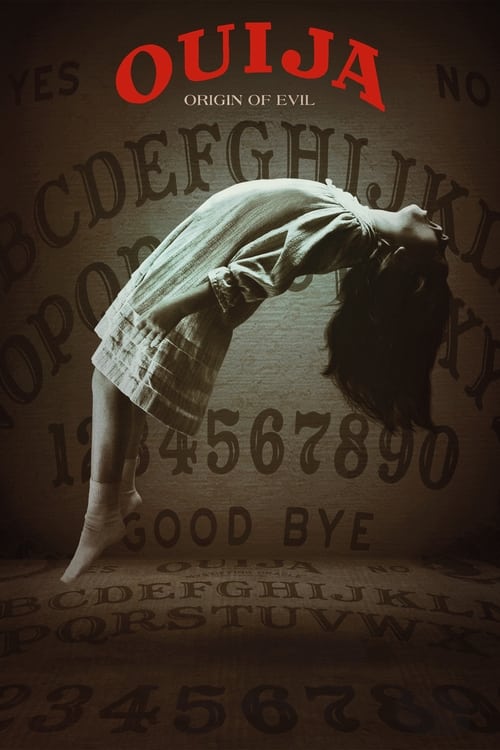
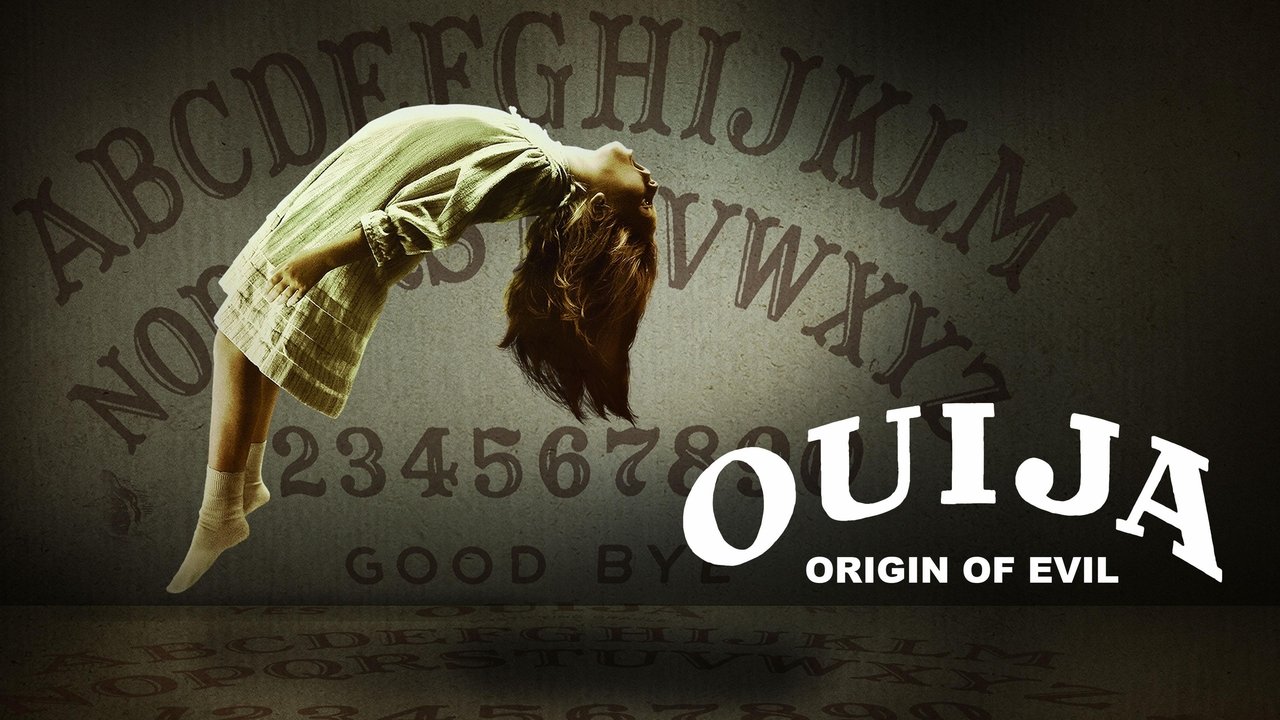
If you told me in 2014 that I’d eventually spend my Friday night shouting at my television in genuine terror over a movie based on a Hasbro board game, I would have assumed I’d finally lost my grip on reality. The first Ouija film was, to put it bluntly, the first Ouija was basically a feature-length commercial for a piece of cardboard, and a boring one at that. It was the kind of cynical studio filmmaking that makes you want to swear off the multiplex forever. But then along came Mike Flanagan, the man who would eventually give us The Haunting of Hill House and Midnight Mass, and he performed what I can only describe as a cinematic exorcism.
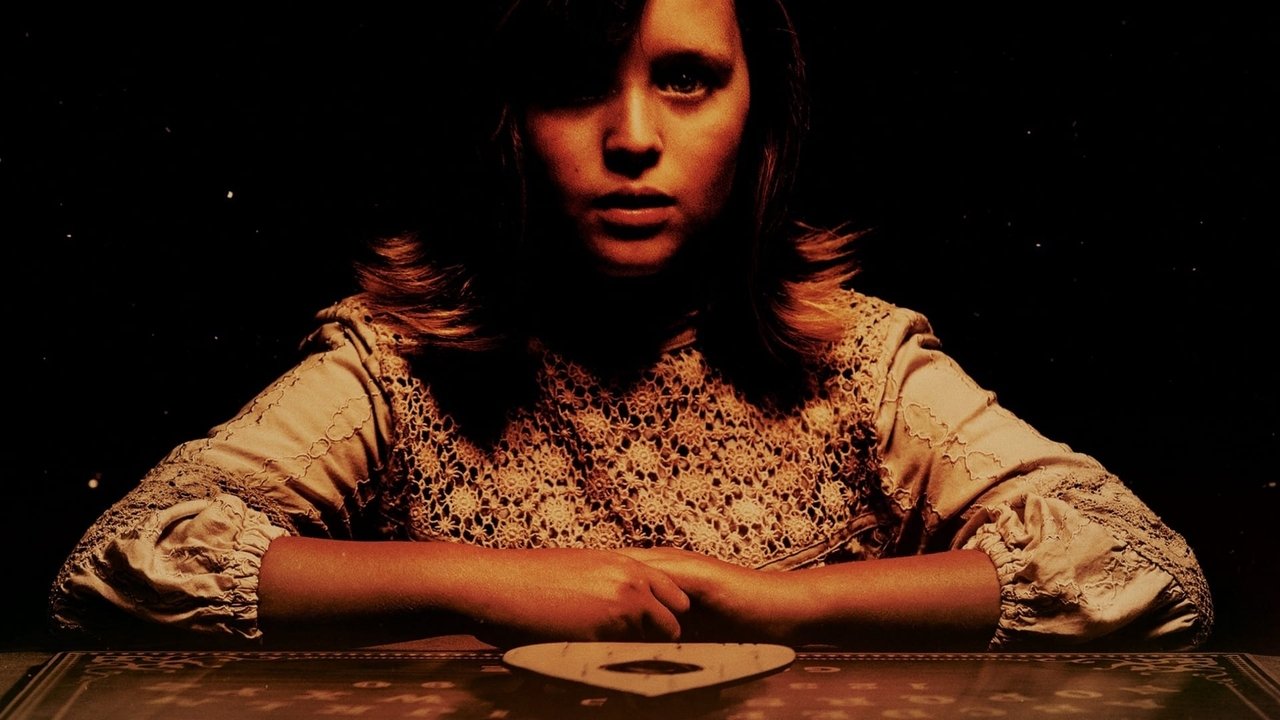
I watched Ouija: Origin of Evil on a Tuesday night while trying to ignore a persistent itch on my left ankle that I was convinced was a ghost touching me, but was actually just a loose thread in my sock. That’s the kind of headspace this movie puts you in. It’s the cinematic equivalent of finding a vintage Rolex in a dumpster; it has no business being this good, yet it’s one of the most effective horror prequels ever made.
A Masterclass in Throwback Tension
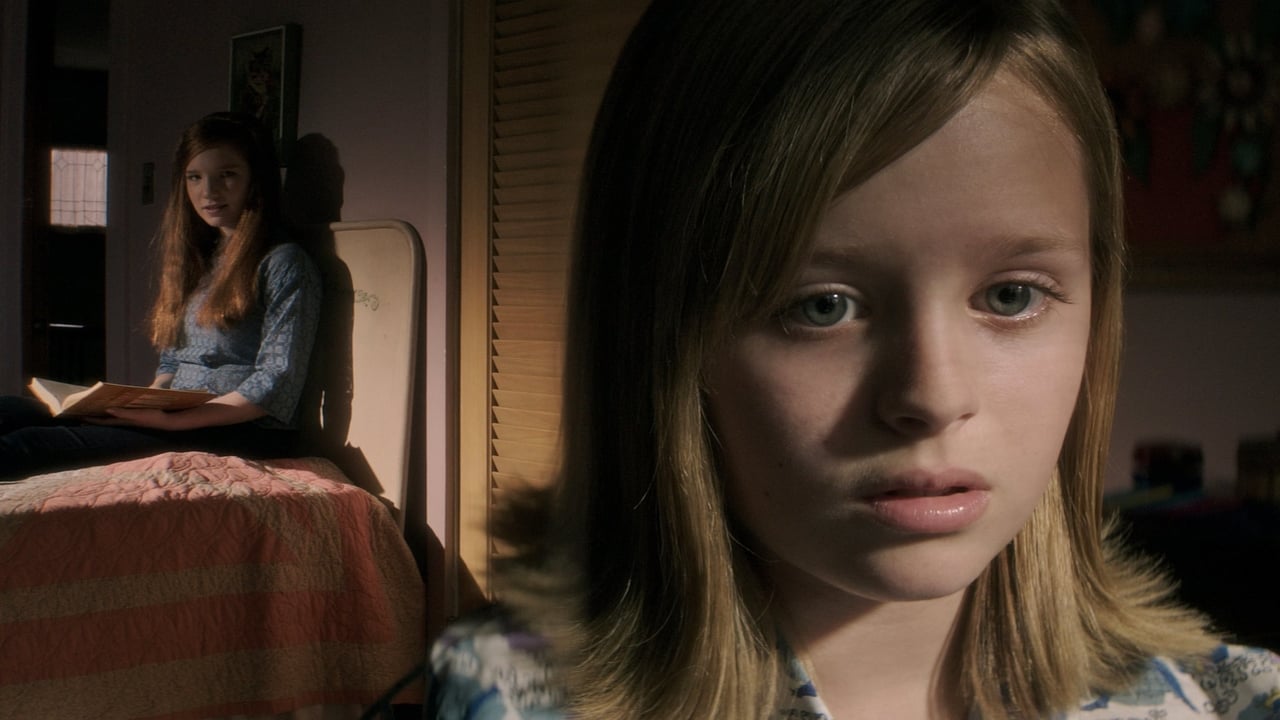
Set in 1967 Los Angeles, the film follows Alice Zander (Elizabeth Reaser, of Twilight and Grey's Anatomy fame), a widowed mother running a "medium" business out of her home. It’s a scam, of course, but it’s a scam with a heart. She’s not trying to rob people; she’s trying to give them closure. Her daughters, Paulina (Annalise Basso) and Doris (Lulu Wilson), act as the "special effects" team, kicking tables and pulling hidden levers. It’s a charming, grounded setup that makes you actually care about these people before the screaming starts.
When they introduce a Ouija board to the act to spice things up, they inadvertently invite something in that doesn't need fishing line to move a planchette. What follows isn't just a series of jump scares; it’s a slow-burn descent into a very specific kind of 1960s-flavored dread. Mike Flanagan (who also edited the film, as he often does for projects like Doctor Sleep) went to incredible lengths to make this feel like a relic of the era. He used the old-school 1963 Universal Pictures logo and even added digital "cigarette burns"—those little circles in the top right corner that used to tell projectionists when to switch film reels.
The Tiny Terror of Doris Zander

The secret weapon here is Lulu Wilson. Child actors in horror can be a coin toss, but Wilson is terrifyingly good as Doris. There is a scene where she describes what it feels like to be strangled to her sister’s boyfriend, Mikey (Parker Mack), that is so calm, so detailed, and so profoundly wrong that it stayed with me for days. Apparently, that monologue was filmed in a single take because Wilson was so locked into the character.
The film also benefits from the presence of Henry Thomas, whom most of us know as Elliott from E.T.. Seeing him as Father Tom, a priest who is both compassionate and deeply out of his depth, adds a layer of "prestige" to the proceedings. It’s a reminder that horror works best when the people on screen feel like actual humans rather than just fodder for the meat grinder.
The scares themselves are inventive. Mike Flanagan loves playing with the background of the frame. There are moments where your eyes wander to a dark corner of the Zander living room, and you realize something is moving back there while the characters are talking. It forces you to engage with every inch of the screen. The practical effects, including some truly unsettling jaw-distorting makeup, remind me of why I usually prefer physical craftsmanship over CGI soup.
A Cult Redemption Story
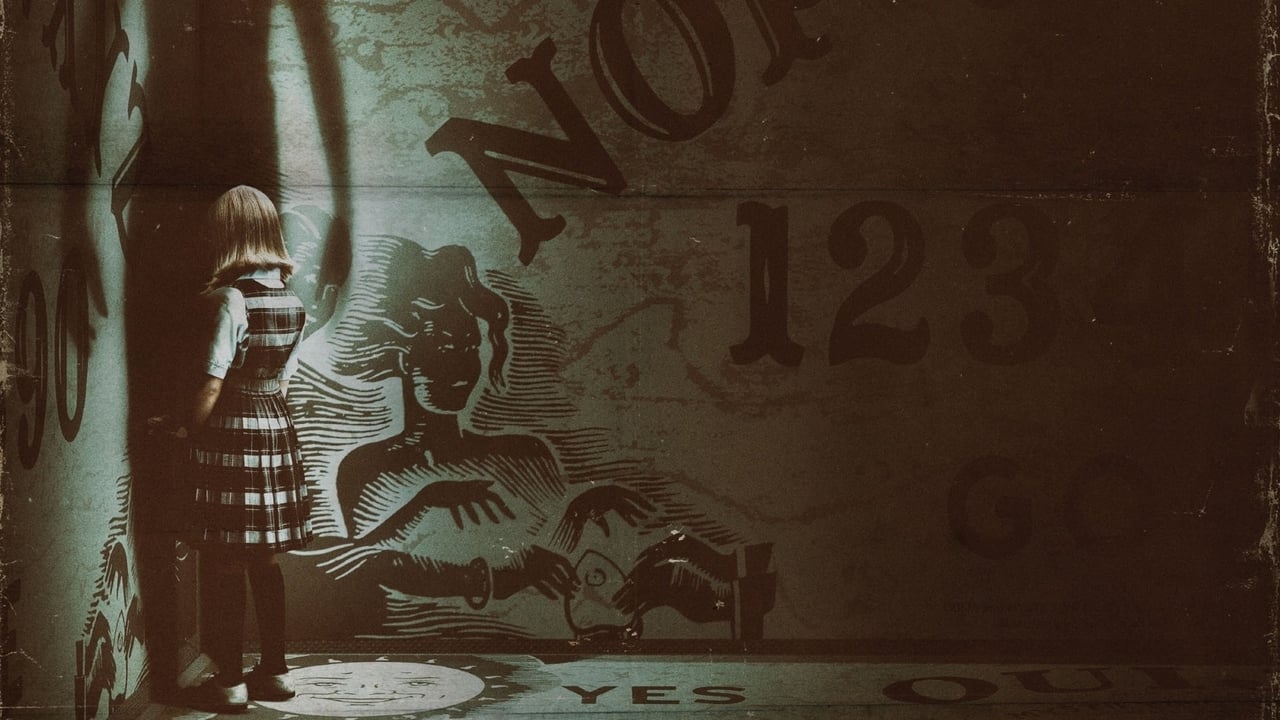
It’s fascinating to look at Origin of Evil within our current landscape of franchise fatigue. In an era where every IP is milked until it’s dry, this is a rare case where the "brand" was actually holding the filmmaker back. Most people skipped this in theaters because the first movie was so bad, leading to a modest box office. However, it has since found a massive second life on streaming platforms and among horror aficionados who recognize it as the moment Flanagan truly leveled up.
The "stuff you didn't notice" file for this movie is deep. For instance, Halle Charlton, who plays the friend Ellie, actually appeared in the original 2014 film as well, providing a tiny bridge between the two very different entries. Also, the house used in the film is located in the Highland Park neighborhood of LA and has been used in countless productions, but it never felt as claustrophobic as it does here under the lens of cinematographer Michael Fimognari, who worked with Flanagan on The Haunting of Hill House.
If you’re a fan of the "Conjuring-verse" style of horror—period settings, Catholic overtones, and family-centric stakes—this is a must-see. It manages to honor the tropes of the 60s and 70s while feeling distinctly modern in its technical execution. It’s a reminder that there are no bad ideas in Hollywood, only bad executions. Even a movie about a board game can be a masterpiece if you give the keys to the right driver.
This is the rare prequel that doesn't just improve on its predecessor; it renders it entirely irrelevant. By focusing on the emotional core of a family dealing with loss, Flanagan elevates the "scary toy" premise into something that feels genuinely dangerous. It’s stylish, smartly acted, and features at least three sequences that will make you want to sleep with the lights on. Just do yourself a favor: if you decide to watch it, leave the board in the closet. Some things are better left unplayed.
Keep Exploring...
-
Gerald's Game
2017
-
Doctor Sleep
2019
-

Oculus
2014
-
Hush
2016
-
Before I Wake
2016
-
Crimson Peak
2015
-
Krampus
2015
-
Scouts Guide to the Zombie Apocalypse
2015
-
The Visit
2015
-

Green Room
2016
-
Pride and Prejudice and Zombies
2016
-
The Boy
2016
-
Underworld: Blood Wars
2016
-

47 Meters Down
2017
-
A Cure for Wellness
2017
-
It Comes at Night
2017
-
mother!
2017
-
Annihilation
2018
-
Bird Box
2018
-
Overlord
2018