Passengers
"In the silence of space, no one can hear you scream 'I’m lonely.'"
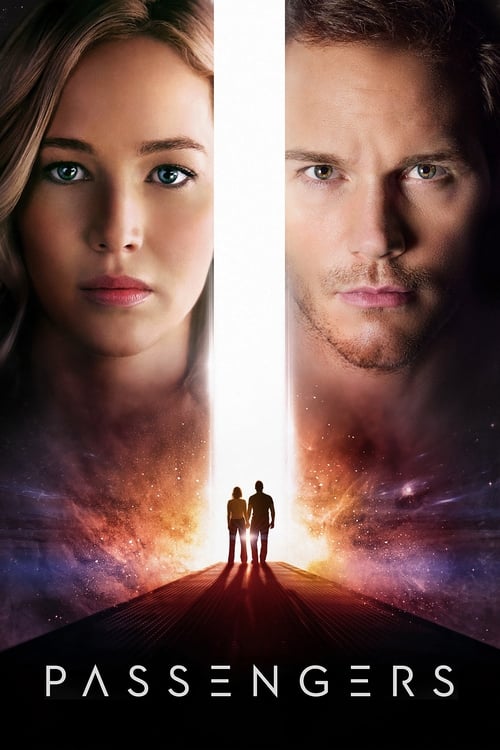
Imagine you’re on a luxury cruise ship. The buffet is endless, the bar is stocked, and the view is literally astronomical. There’s just one catch: everyone else is in a medically induced coma for the next 90 years, and you’re the only person awake. You have all the time in the world, and absolutely no one to share it with. This is the existential nightmare—wrapped in the shimmering gold foil of a $110 million Hollywood budget—that defines Passengers. I watched this recently while eating a bowl of slightly-too-soggy Cinnamon Toast Crunch, and the crunch-to-milk ratio felt oddly representative of the film’s own tonal balance: sweet, but a bit of a mess if you let it sit too long.
The Moral Black Hole
The 2016 release of Passengers was a fascinating moment in contemporary cinema. We were right in the middle of the "Star Power" twilight, where the names Chris Pratt and Jennifer Lawrence were enough to guarantee a massive opening weekend. Fresh off Guardians of the Galaxy and The Hunger Games, they were the undisputed king and queen of the multiplex. But Passengers did something daring (and, depending on who you ask, disastrous): it took these two likable icons and dropped them into a plot that feels less like a romance and more like a high-concept psychological thriller.
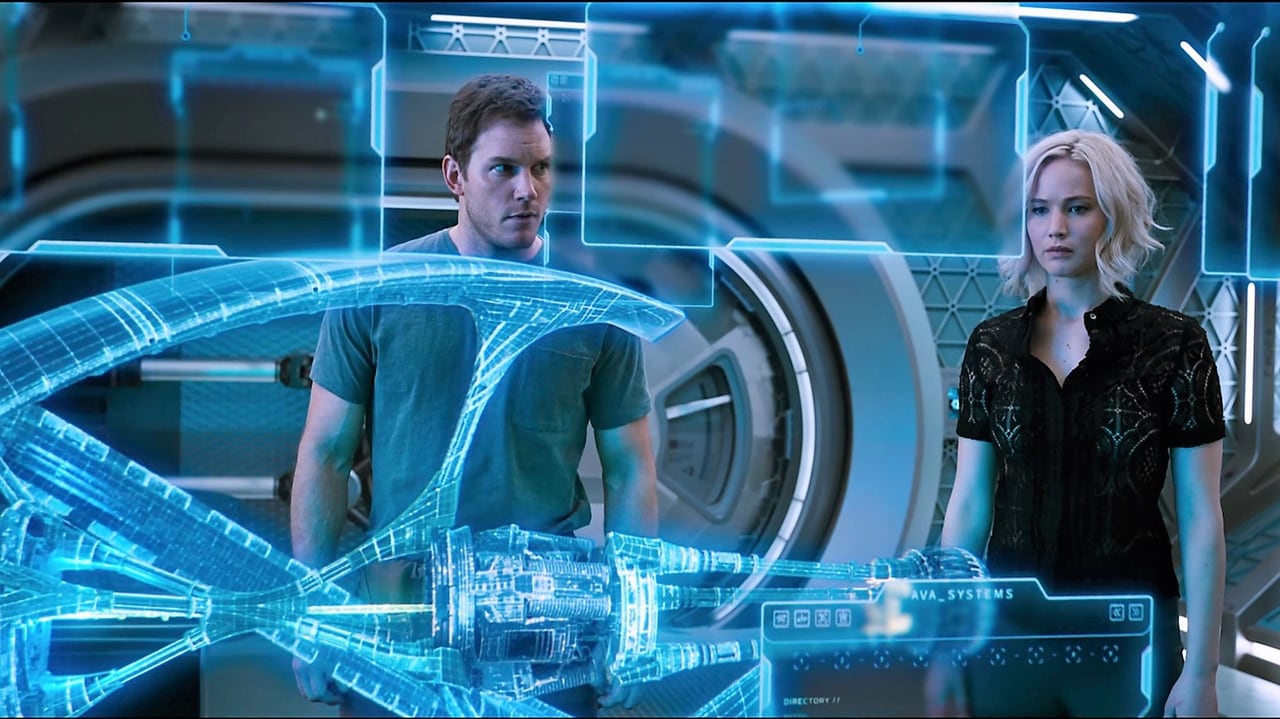
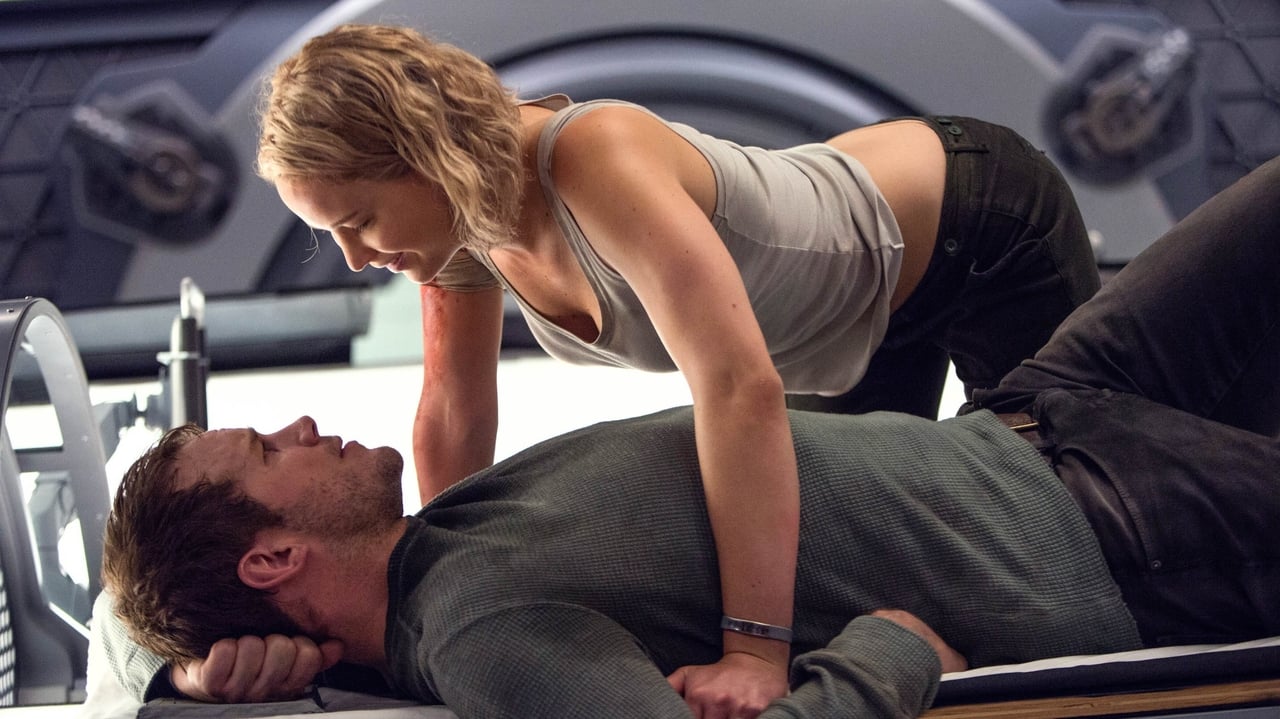
Chris Pratt plays Jim Preston, a "mechanical guy" who wakes up early due to a ship malfunction. After a year of beard-growing and talking to Michael Sheen’s delightfully robotic bartender, Arthur, Jim decides to wake up another passenger. He chooses Aurora Lane (Jennifer Lawrence) because he likes her writing and her face. Jim Preston is essentially a cosmic stalker who sentences a woman to die of old age on a ship because he’s bored. The film tries to pivot this into a sweeping romance, and the sheer audacity of that attempt is what has kept people talking about this movie long after its theatrical run.
Visual Splendor and Thematic Static
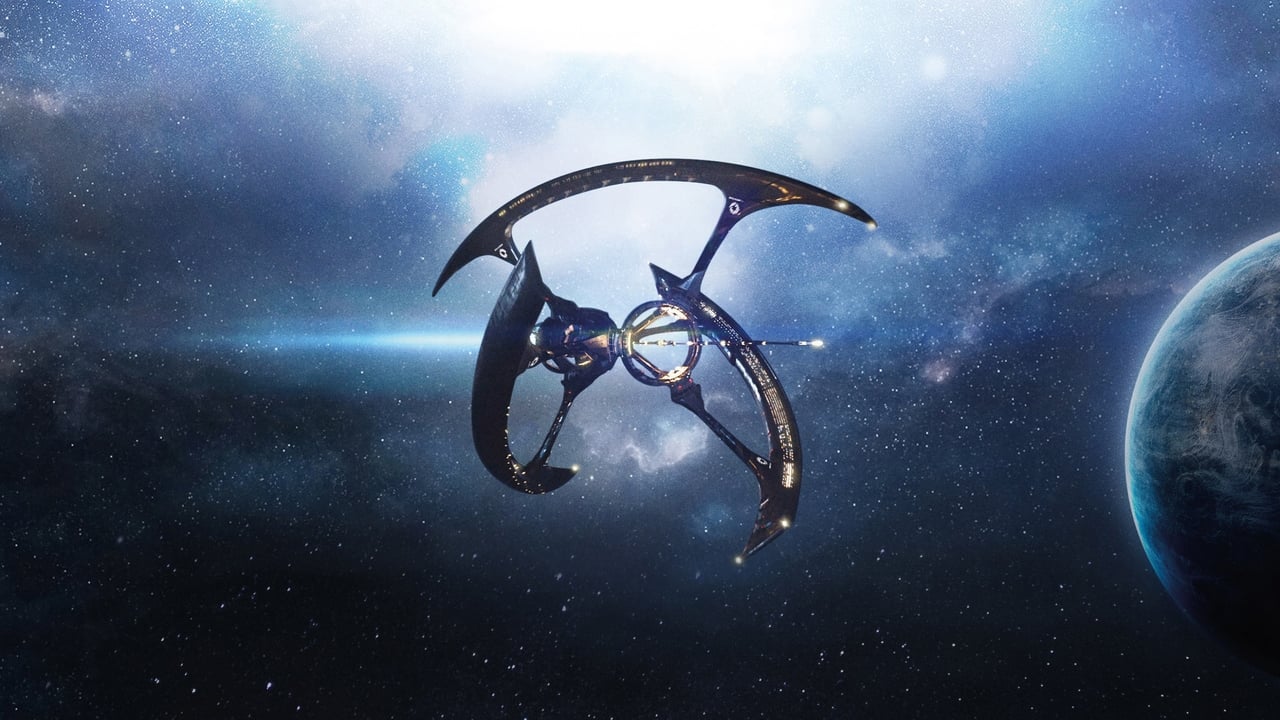
Director Morten Tyldum, coming off the success of The Imitation Game (2014), treats the Avalon spacecraft as a character itself. It is a masterpiece of production design—a rotating, sleek, Apple-store-meets-Star-Trek vessel that feels tangible. The cinematography by Rodrigo Prieto (The Wolf of Wall Street) is luminous, capturing the terrifying beauty of a passing star or the claustrophobia of a luxury suite.
The standout sequence—and the one I find myself rewatching on YouTube—is the swimming pool scene where the gravity fails. It’s a terrifyingly creative use of physics that reminds you this is a sci-fi film first. Jennifer Lawrence is trapped inside a giant, wobbling sphere of water, unable to find the surface to breathe. It’s visceral, smart, and exactly the kind of "problem-solving" sci-fi that made The Martian (2015) such a hit. However, the script by Jon Spaihts (who also co-wrote Dune) often feels like it's fighting itself. It wants to be a gritty meditation on isolation, but it's forced into the mold of a blockbuster romantic drama. The movie effectively tries to gaslight the audience into thinking Jim’s actions are romantic rather than horrifying.
The Cult of "What If?"
What makes Passengers a modern cult oddity isn't that it’s "so bad it's good," but that it’s "so close to being a masterpiece." There is a massive online community dedicated to the "Rearranged Edit" of this film. Fans discovered that if you simply start the movie from Aurora’s perspective—waking up and finding this mysterious man already there, only for the truth to be revealed in the third act—it becomes one of the best sci-fi horror films of the decade.
The behind-the-scenes trivia only adds to the "what if" allure. The script spent years on the "Black List" (the industry’s list of the best unproduced screenplays) and at one point had Keanu Reeves and Emily Blunt attached. Michael Sheen reportedly spent hours in a special rig to play the legless android Arthur, and his performance is the secret heart of the movie. There's a subtle tragedy in Arthur; he's the only one Jim can talk to, but he’s programmed to be polite, not human.

Then there’s the Laurence Fishburne of it all. He shows up as Gus Mancuso, a crew member who basically exists to provide a plot-mandated keycard and then die. It’s a waste of a legend, but his brief presence adds a gravity that the film desperately needs in its third act when the ship starts exploding.
Ultimately, Passengers is a film that says more about our current era’s obsession with "likable" protagonists than it probably intended. It’s a gorgeous, well-acted, and deeply flawed experiment that I find myself defending and critiquing in the same breath. If you can move past the icky ethical core—or better yet, lean into it as a thought experiment—it’s a rewarding watch for the visuals alone. It’s a reminder that even in the age of seamless CGI and massive stars, the most complicated thing in the universe is still just two people trying to get along in a room.
Stuff You Didn't Notice
The Original Vision: Before the $110 million budget, the script was much darker and more of an indie-style thriller. The Cameo: Andy Garcia has a cameo at the very end of the film as Captain Norris, but he has zero lines of dialogue. He literally just walks out of an elevator and looks around. Zero-G Physics: To film the pool scene, they used a combination of a real tank and digital water, but the way the water behaved was based on actual NASA footage of fluids in microgravity. The Bar: The design of the ship's bar is a direct homage to the Gold Room in The Shining (1980), signaling that this is a place where isolation leads to madness. The Black List: The script was so well-regarded in Hollywood for years that it became a "must-read" for aspiring writers, despite the controversial ending. Jennifer Lawrence’s Pay: This was one of the first major films where Jennifer Lawrence was paid significantly more than her male co-star ($20 million vs Chris Pratt's $12 million), reflecting the industry’s shifting power dynamics at the time.

Keep Exploring...
-
The Space Between Us
2017
-
Equals
2015
-
The Discovery
2017
-
Ghost in the Shell
2017
-

Okja
2017
-
Ad Astra
2019
-
Don't Look Up
2021
-

Joy
2015
-

Attraction
2017
-
Paper Towns
2015
-
The Age of Adaline
2015
-

The Longest Ride
2015
-
Allied
2016
-
Café Society
2016
-
Collateral Beauty
2016
-
Colossal
2017
-
Everything, Everything
2017
-
The Big Sick
2017
-

The Mountain Between Us
2017
-
Sierra Burgess Is a Loser
2018