Paterson
"Small moments are the only ones that matter."
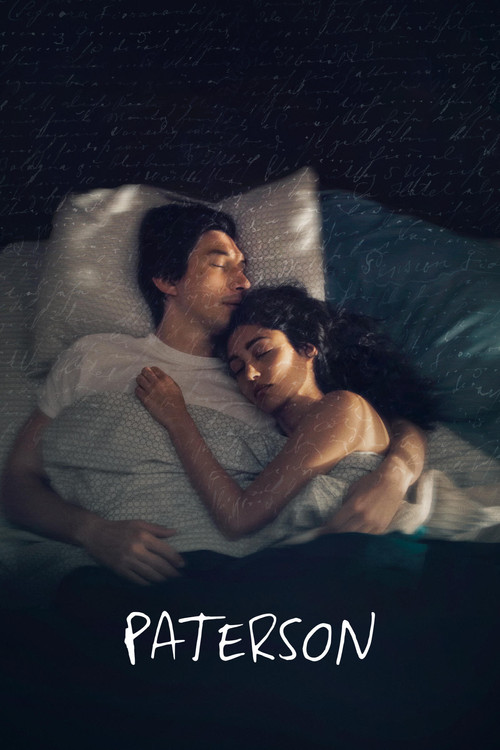
The film begins with a box of Ohio Blue Tip matches. Not a high-speed car chase, not a cynical quip from a costumed hero, but a simple close-up of a matchbox. In 2016, while the rest of the cinematic landscape was busy fracturing into cinematic universes and high-stakes political thrillers, Jim Jarmusch (the king of "cool" since the '80s) decided to release a movie about a guy who drives a bus and writes poems about matches. It felt like a quiet rebellion then, and in our even noisier current moment, it feels like a necessary sanctuary.
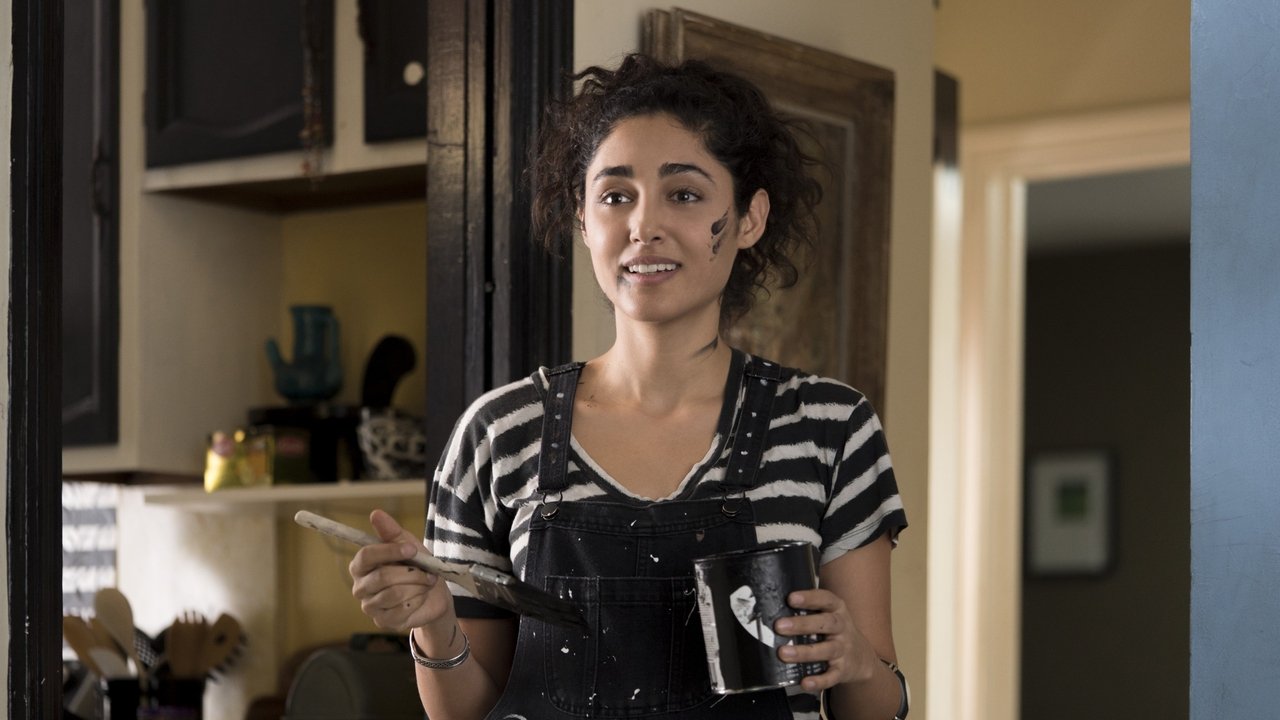
I sat down to watch Paterson on a rainy Tuesday while nursing a lukewarm cup of herbal tea that tasted vaguely of pencil shavings, and honestly, the atmosphere was perfect. This isn't a film you watch for the plot—it’s a film you inhabit for the vibes.
The Art of the Commute
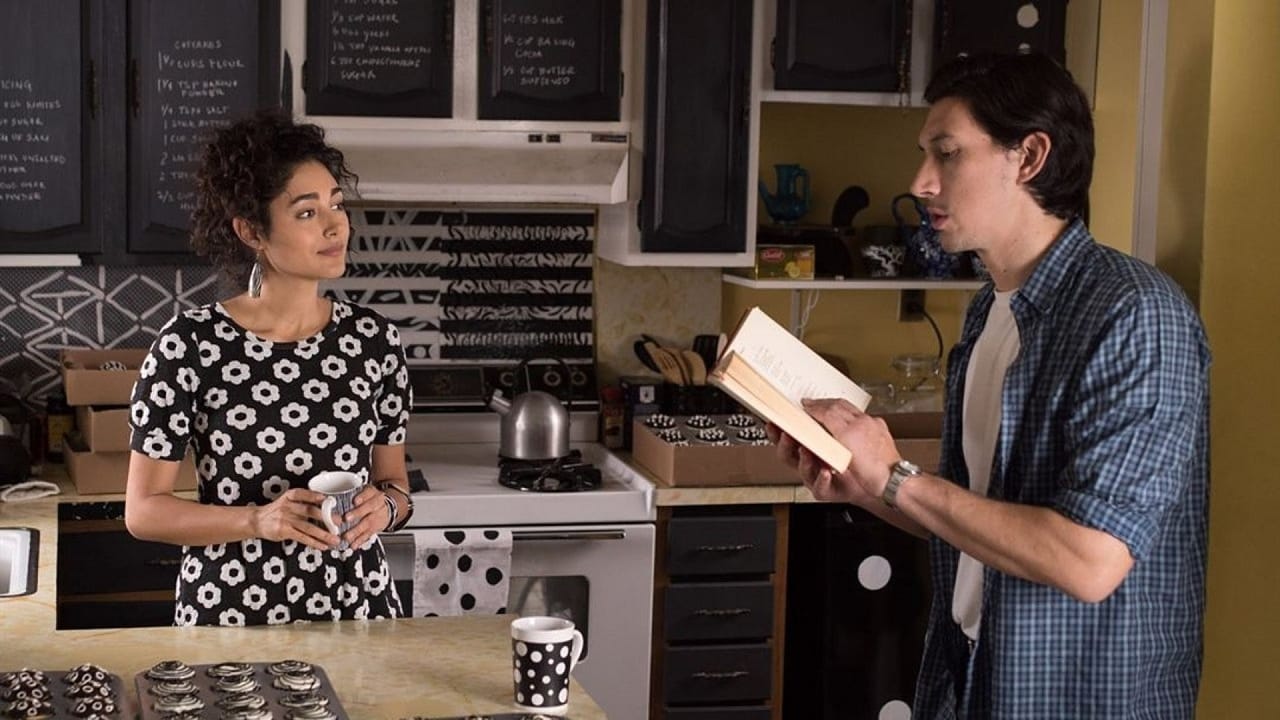
The story, such as it is, follows seven days in the life of a man named Paterson (played with incredible restraint by Adam Driver), who lives in Paterson, New Jersey. He wakes up, eats his cereal, drives the No. 23 bus, listens to the snippets of conversation from his passengers, walks his grumpy English bulldog, Marvin, to the bar for a single beer, and writes in his "Secret Notebook."
In an era where we are constantly told that every moment must be "content" or a "hustle," Paterson’s life is a radical embrace of the mundane. Adam Driver—who, let’s be real, could make a 10-minute scene of him staring at a wall feel like a Shakespearean soliloquy—gives us a hero who is genuinely content. He doesn't want to be a famous poet. He just wants to write the poems. I found myself envious of his lack of a smartphone; he observes the world through his windshield rather than a five-inch screen, and Jarmusch captures that analog peace with his signature deadpan grace.
Black, White, and Polka Dots
Then there’s Laura, played by the luminous Golshifteh Farahani. While Paterson is a creature of repetition, Laura is a whirlwind of creative chaos. She’s constantly redecorating their house in a strict black-and-white color scheme, baking cupcakes with Oreo crumbles, or ordering a black-and-white guitar to become a country star.

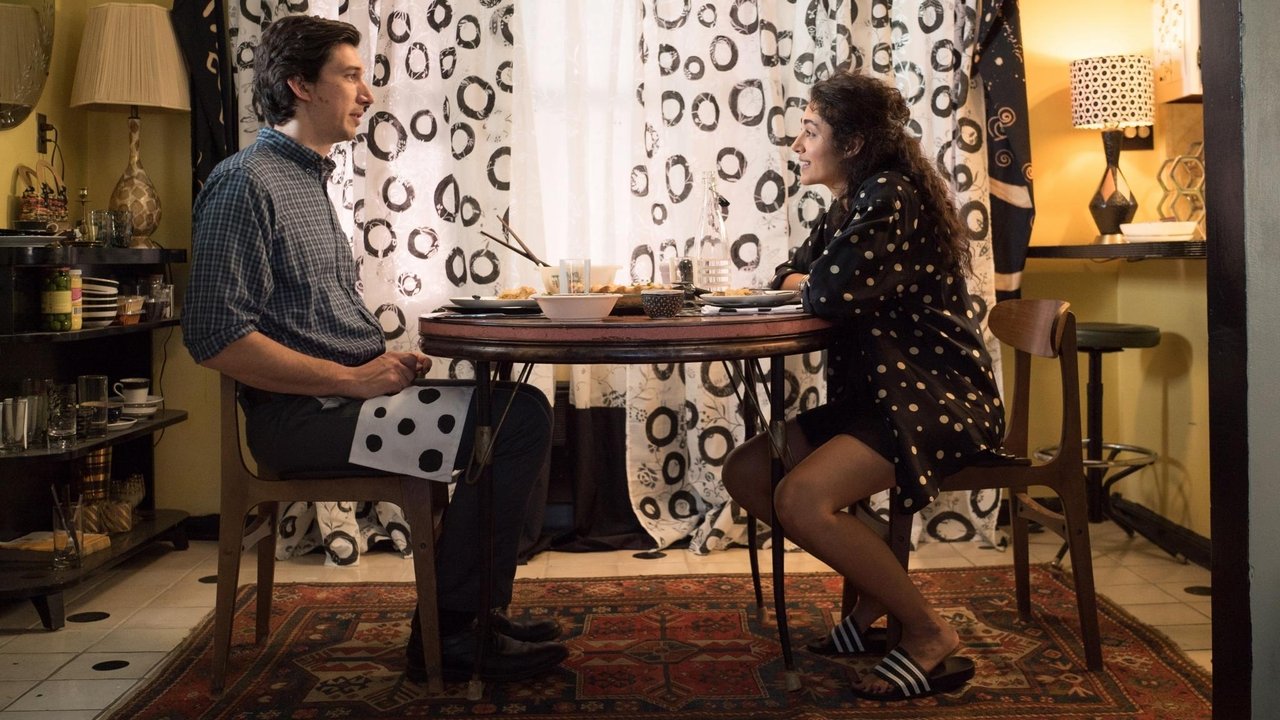
On paper, Laura could have been a "Manic Pixie Dream Wife" trope, but Golshifteh Farahani gives her a genuine, quirky soul. Their relationship is one of the most refreshing things I've seen in modern drama. There’s no manufactured conflict, no screaming matches, no "why haven't you fixed the sink?" drama. They just support each other’s weirdness. When she serves him a dinner that looks like a goth Pinterest board, he eats it with a smile. It’s a level of domestic harmony that feels more fantastical than anything in a Marvel movie, yet Jarmusch makes it feel grounded and earned.
The Cult of the Small Detail
Paterson has slowly hummed its way into cult status because it rewards the "re-watcher." It’s a film built on rhymes—not just in the poetry Paterson writes, but in the visual cues Jarmusch sprinkles throughout. You start noticing the abundance of twins in the background, the way the bridge appears in his sketches, and the recurring motifs of water.
The behind-the-scenes trivia is just as charming as the film itself. For instance, Adam Driver actually went to truck driving school to get his commercial driver’s license so he could legitimately pilot that bus. There’s a scene where he has to park it during a breakdown, and that’s all him—no CGI, no stunt double. Also, the bulldog, Nellie (who played Marvin), was a total scene-stealer who sadly passed away shortly after the film premiered. She won the "Palm Dog" at Cannes, and frankly, Marvin the dog is a more nuanced antagonist than most Bond villains. His silent, side-eye judgment of Paterson’s poetry is a masterclass in canine comedy.
The poems themselves were written by Ron Padgett, a real-world contemporary of the "New York School" of poets. They are simple, direct, and devastatingly beautiful. They don't try to solve the mysteries of the universe; they just talk about beer mugs and laundry. It’s a reminder that art doesn’t have to be "important" to be meaningful.
Why It Matters Now
Released during the mid-2010s shift toward streaming dominance, Paterson is a film that demands you slow down. It’s the ultimate "Slow Cinema" entry for people who think they might be bored by the genre. It’s funny, it’s sweet, and it features a great supporting cast, including Barry Shabaka Henley as the local bartender and a pre-Good Place William Jackson Harper in a hilariously tragic subplot about unrequited love.
In our current era of "representation matters," Jarmusch quietly populates his New Jersey with a beautiful, diverse array of faces that feel like a real city, not a focus-grouped quota. It’s a film about how everyone has an inner life—the guy at the bar, the kids on the bus (including Sterling Jerins), and even the guy fixing your bus.
If you’re feeling burnt out by the "everything-at-stake" energy of modern life, give Paterson’s week a try. It won't change your life with a plot twist, but it might change how you look at your morning cup of coffee.
This is a film that feels like a deep exhale. It’s a celebration of the quiet life, proving that you don't need a grand destiny to have a beautiful existence. It's a cult classic for the observant, the dreamers, and anyone who has ever found poetry in a matchbox. Just make sure you keep your notebook away from the dog.
Keep Exploring...
-

We Are Your Friends
2015
-
Licorice Pizza
2021
-
The Ballad of Buster Scruggs
2018
-
To All the Boys: Always and Forever
2021
-

Anora
2024
-
Only Lovers Left Alive
2013
-
Anomalisa
2015
-

Bridget Jones's Baby
2016
-
The Worst Person in the World
2021
-
Broken Flowers
2005
-
Youth
2015
-
Café Society
2016
-
The Big Sick
2017
-
Sing Street
2016
-
The Hating Game
2021
-
Irrational Man
2015
-
The DUFF
2015
-
Pride and Prejudice and Zombies
2016
-
I, Tonya
2017
-
Lady Bird
2017