Pete's Dragon
"Sometimes the biggest secrets are the ones with fur."
There is a specific kind of magic that usually gets strangled the moment a studio budget crosses the fifty-million-dollar mark. Usually, when Disney decides to strip-mine its vault for "live-action reimaginings," we get a shiny, hollowed-out version of a classic that feels like it was directed by a spreadsheet. But in 2016, right in the thick of the industry's pivot toward hyper-realistic, often soulless spectacle, director David Lowery managed to sneak a small, beating heart into the machine. I watched this film while wearing a pair of socks with a massive hole in the big toe, and honestly, that slight sense of being unraveled and earthy felt like the perfect headspace for this movie.
The Indie Soul in the House of Mouse
When it was announced that the guy who directed the moody, poetic indie Ain't Them Bodies Saints (David Lowery) was taking on a remake of a 1977 musical about a goofy cartoon dragon, most of us assumed he’d lost a bet. Instead, Lowery and his frequent collaborator Toby Halbrooks ignored almost everything about the original film except the title and the central conceit. They stripped away the musical numbers, the slapstick, and the lighthouse setting, replacing them with the mossy, mist-covered woods of the Pacific Northwest (played convincingly by New Zealand).
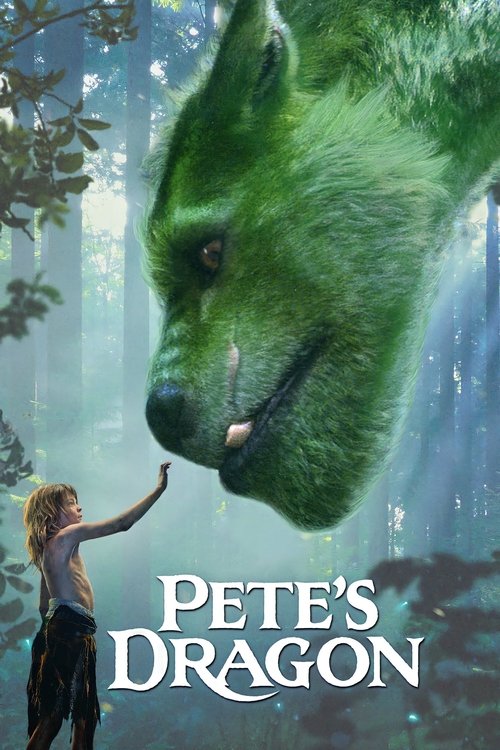
What’s wild about this film in our current "franchise-or-die" era is how small it feels. It’s an adventure, sure, but it’s an intimate one. The story doesn’t involve saving the world or setting up a "Pete Cinematic Universe." It’s just about a boy, his giant green friend, and the terrifying realization that the world is much bigger and less kind than a hidden forest glade. Oakes Fegley gives one of those rare child performances that doesn't feel like "acting" for a camera; he looks genuinely feral, his eyes constantly searching for an exit. When he’s onscreen with Bryce Dallas Howard (who plays the forest ranger Grace), you can feel the friction between his wildness and her structured, adult need to "save" him.
A Dragon You Can Actually Hug
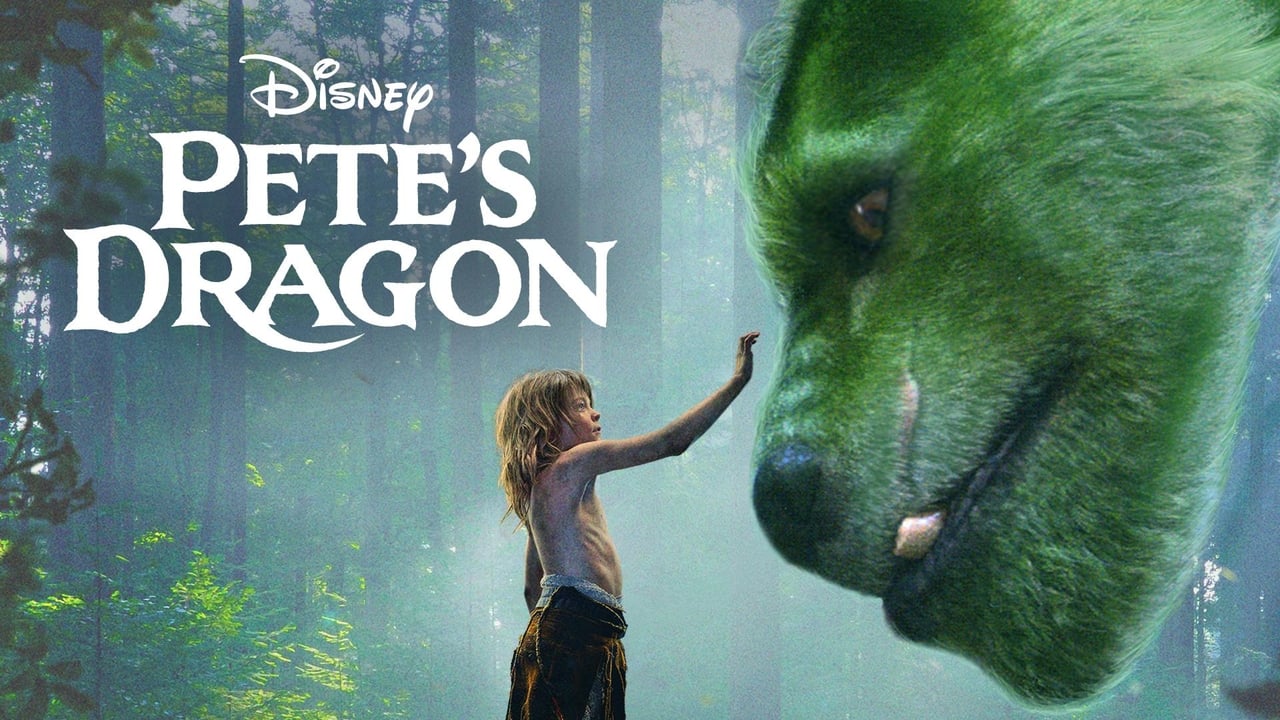
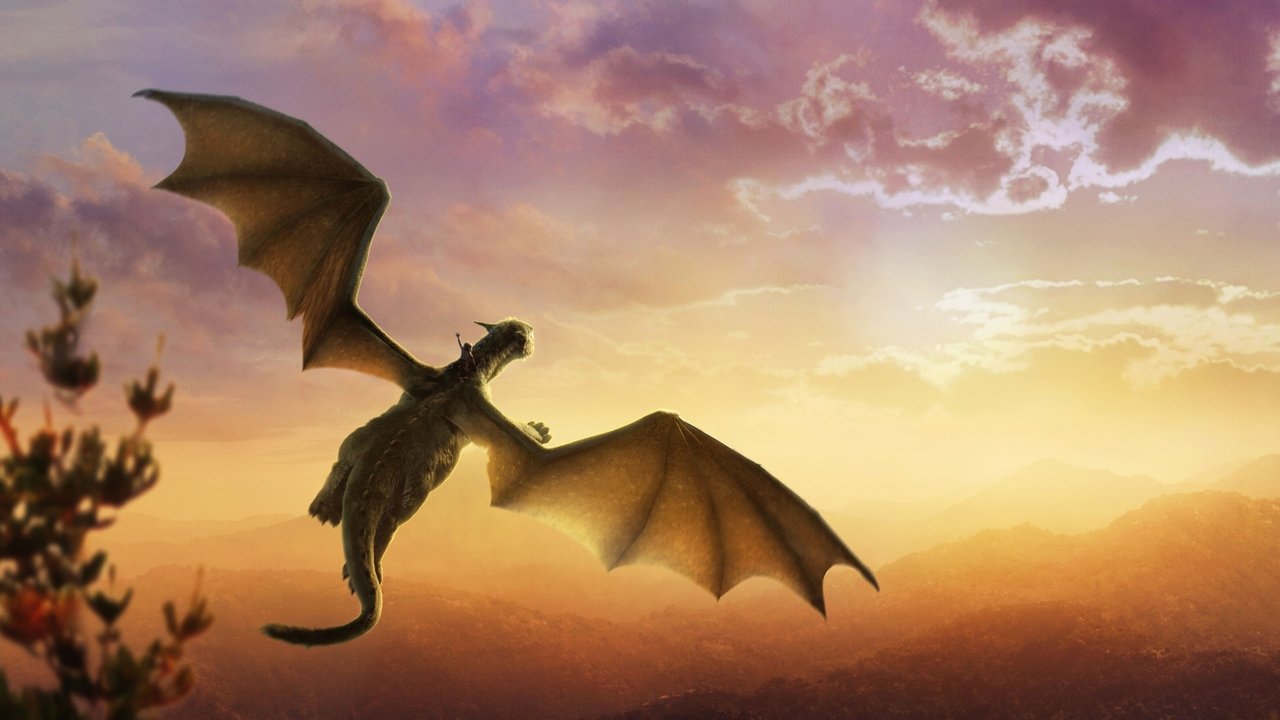
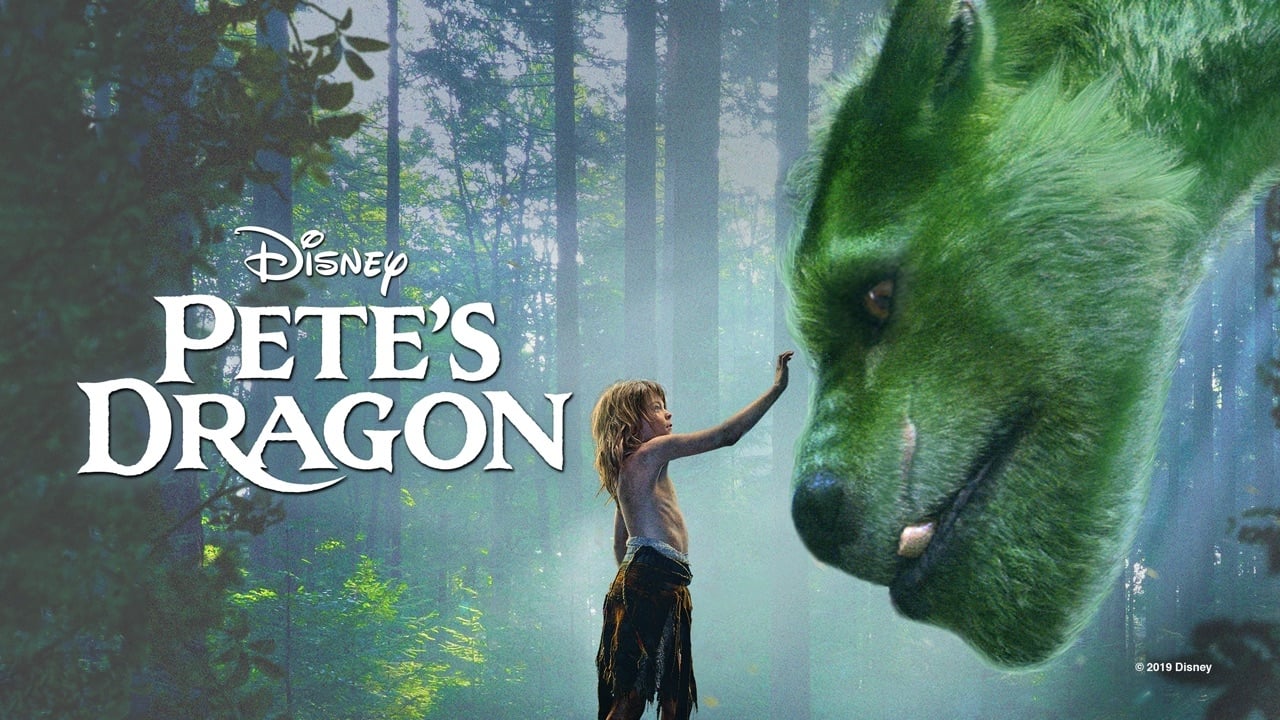
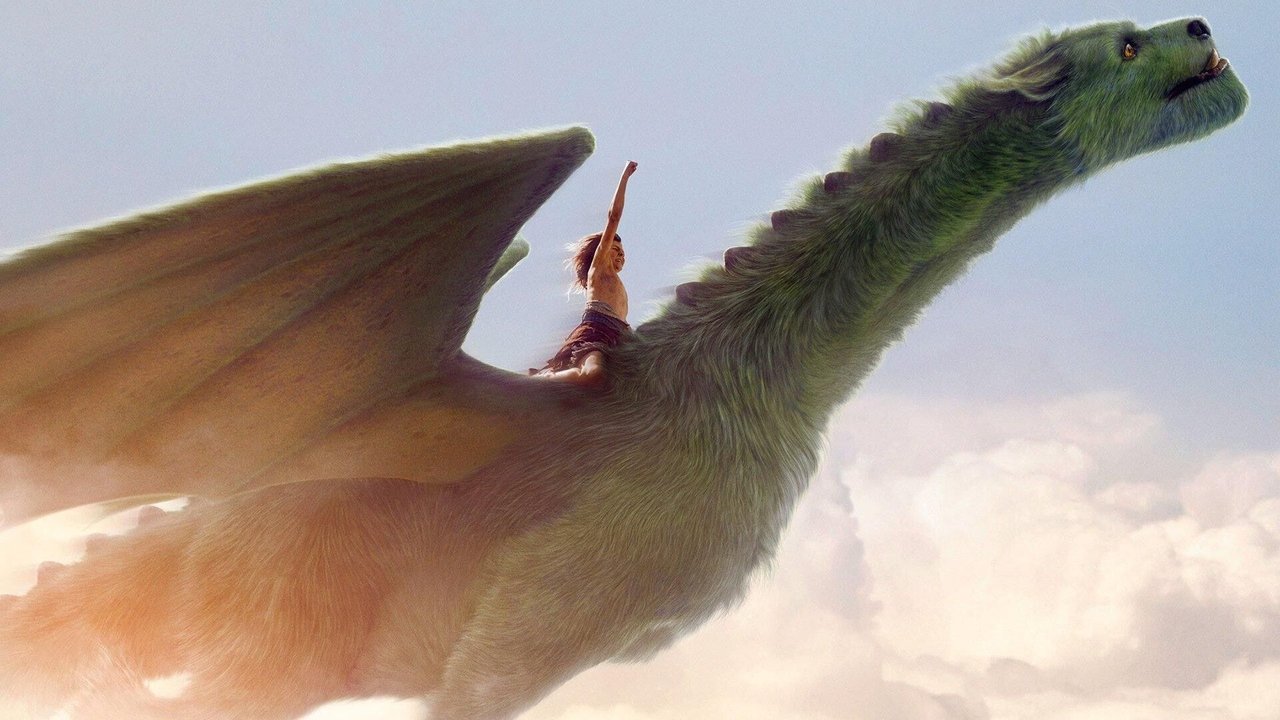
We need to talk about Elliott. In an age where every cinematic dragon is a scaly, terrifying "wyvern" inspired by Game of Thrones, Lowery made the radical decision to make Elliott fuzzy. He looks like a cross between a giant green golden retriever and a very confused bat. This was a massive technical gamble for Weta Digital—the same wizards who did Lord of the Rings—because rendering millions of individual hairs that react to water, wind, and touch is a nightmare.
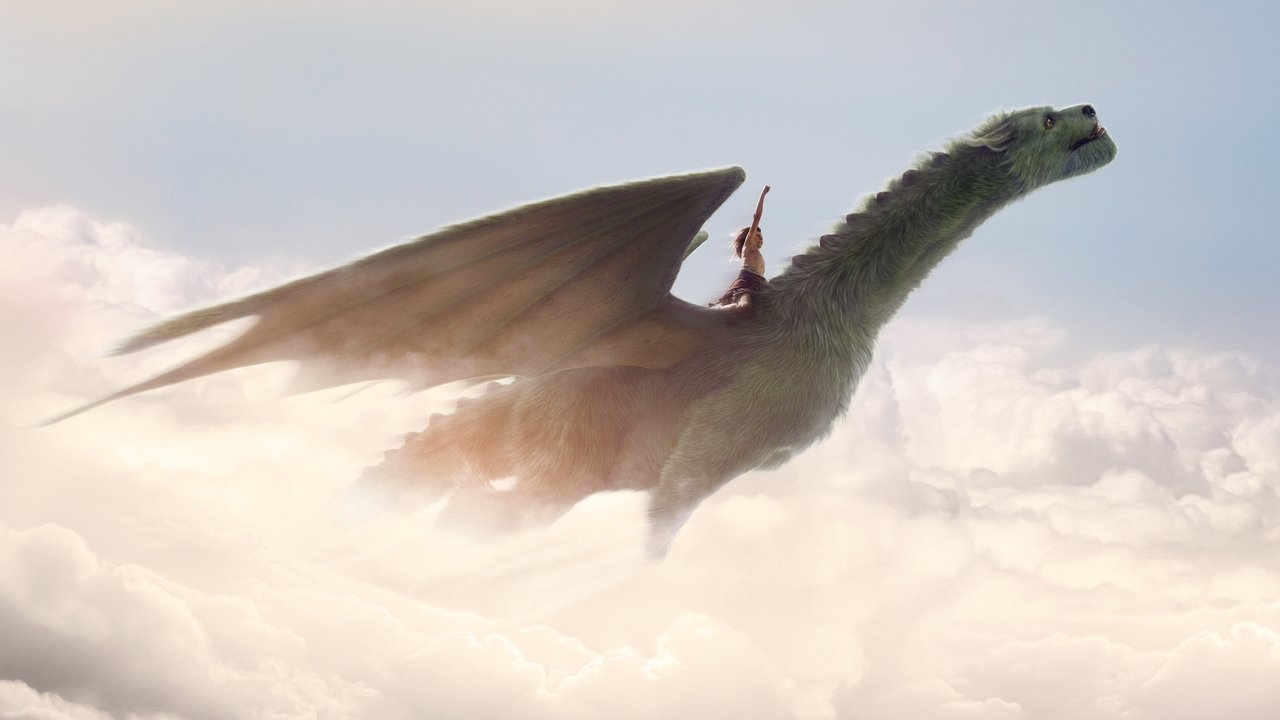
But it paid off. Disney’s current obsession with photorealistic lions is a soulless technical exercise compared to a fuzzy green dragon. Elliott feels tactile. When Pete buries his face in that green fur, you can almost smell the wet forest floor and pine needles. The "Adventure" here isn't just the chase scenes or the climax on a bridge; it’s the sense of wonder in the discovery. I love that Elliott isn't a genius; he’s a bit of a klutz who whistles and chases his tail. It grounds the fantasy in something recognizable. Even the "villain," played by Karl Urban, isn't some mustache-twirling monster. He’s just a guy trying to prove he’s important, driven by a very human, very misguided sense of territorialism.
The Quiet Radicalism of Being Earnest
While most modern blockbusters are terrified of being "sincere"—preferring to hide behind a layer of snarky, Whedon-esque quips—Pete's Dragon is unashamedly earnest. It’s a folk tale. Having Robert Redford show up as the town elder who "saw the dragon" isn't just a casting coup; it’s a thematic anchor. He brings a weathered, old-school dignity to the film that reminds me of the classic Disney live-action films of the 70s, like Escape to Witch Mountain, but with a much higher level of craft.
I’ve noticed that this film has quietly become a "cult" favorite among a very specific demographic: people who are exhausted by the "Remake Machine." It bombed compared to the billion-dollar Jungle Book released the same year, but it’s the one people keep coming back to. It’s the film that feels like a hand-carved wooden toy in a sea of plastic, mass-produced action figures.
The score by Daniel Hart deserves a shout-out too. Instead of a bombastic, brass-heavy orchestral swell, he uses fiddles, whistles, and low-key folk melodies. It captures that "Pacific Northwest" vibe perfectly—a bit melancholy, a bit mysterious, but ultimately warm. It’s the kind of music that makes you want to go buy a flannel shirt and disappear into the trees for a weekend.
The film earns its place because it respects its audience's intelligence and emotional capacity. It deals with grief and displacement without being a "misery-porn" slog, and it delivers on the spectacle without losing its sense of character. By the time the credits rolled, I wasn't thinking about the CGI budget or the box office numbers; I was just thinking about how much I wanted to believe there’s something big and green hiding in the woods behind my house. It’s a rare remake that doesn't just justify its existence—it eclipses the original.
Keep Exploring...
-
The Green Knight
2021
-
Alice Through the Looking Glass
2016
-
Miss Peregrine's Home for Peculiar Children
2016
-

The BFG
2016
-

Trolls
2016
-

Dumbo
2019
-
Maleficent: Mistress of Evil
2019
-
Trolls World Tour
2020
-
Jungle Cruise
2021
-
Descendants
2015
-
Christopher Robin
2018
-
The Little Mermaid
2023
-
A Monster Calls
2016
-
A Ghost Story
2017
-
The SpongeBob Movie: Sponge Out of Water
2015
-
The Jungle Book
2016
-
The Nutcracker and the Four Realms
2018
-
Aladdin
2019
-
Frozen II
2019
-
Dolittle
2020