Piper
"Fear is just a perspective waiting to shift."
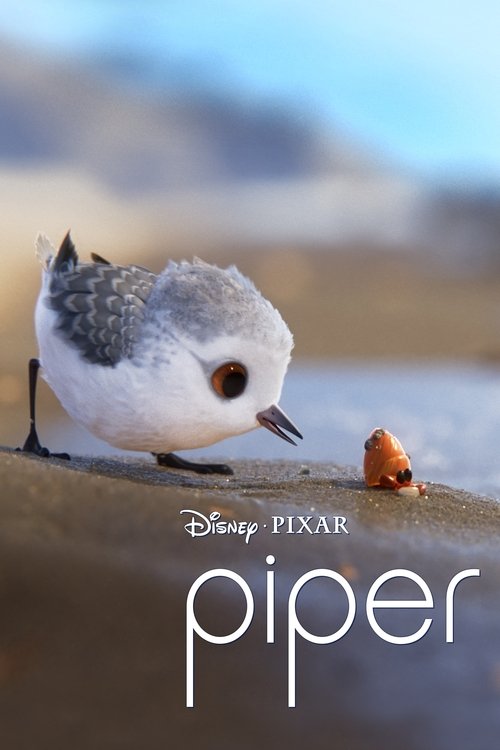
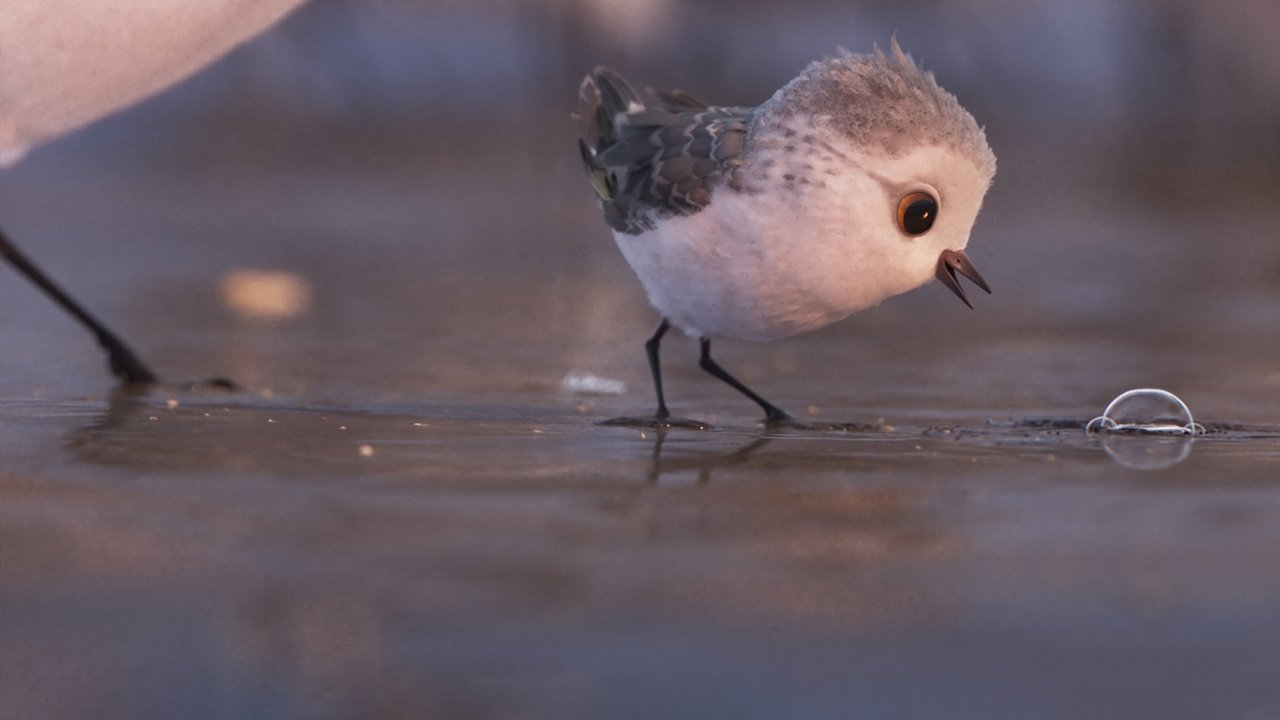
If you want to understand where we were in 2016, you don’t look at the box office charts or the political rallies; you look at the sand. Specifically, the wet, shimmering, individual grains of sand in Alan Barillaro’s Piper. When this six-minute short debuted ahead of Finding Dory, it felt like a silent declaration of war against the "uncanny valley." It wasn’t just that it looked real—it’s that it felt tangible. I watched this for the third time yesterday while my neighbor’s leaf blower was creating a localized dust storm outside my window, and for a second, I couldn't tell which grit was in my eyes and which was on the screen.
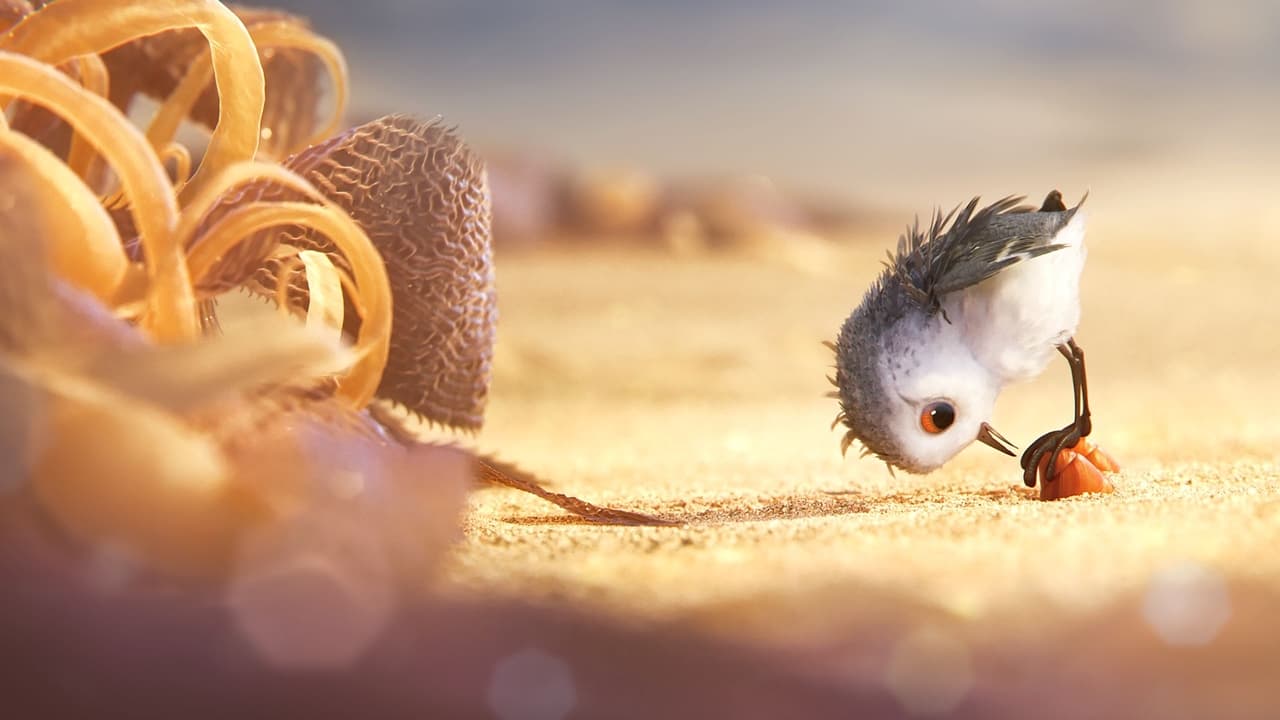
In the landscape of contemporary cinema, we’ve become somewhat desensitized to "flawless" CGI. We live in an era of de-aged action stars and virtual productions like The Mandalorian’s Volume, where reality is often a suggestion rather than a requirement. But Piper remains a high-water mark for the Pixar era because it used that Moore’s Law-level processing power not to show us a galaxy far, far away, but to show us the terrifying, beautiful stakes of being six inches tall on a shoreline.
The Drama of Four Ounces
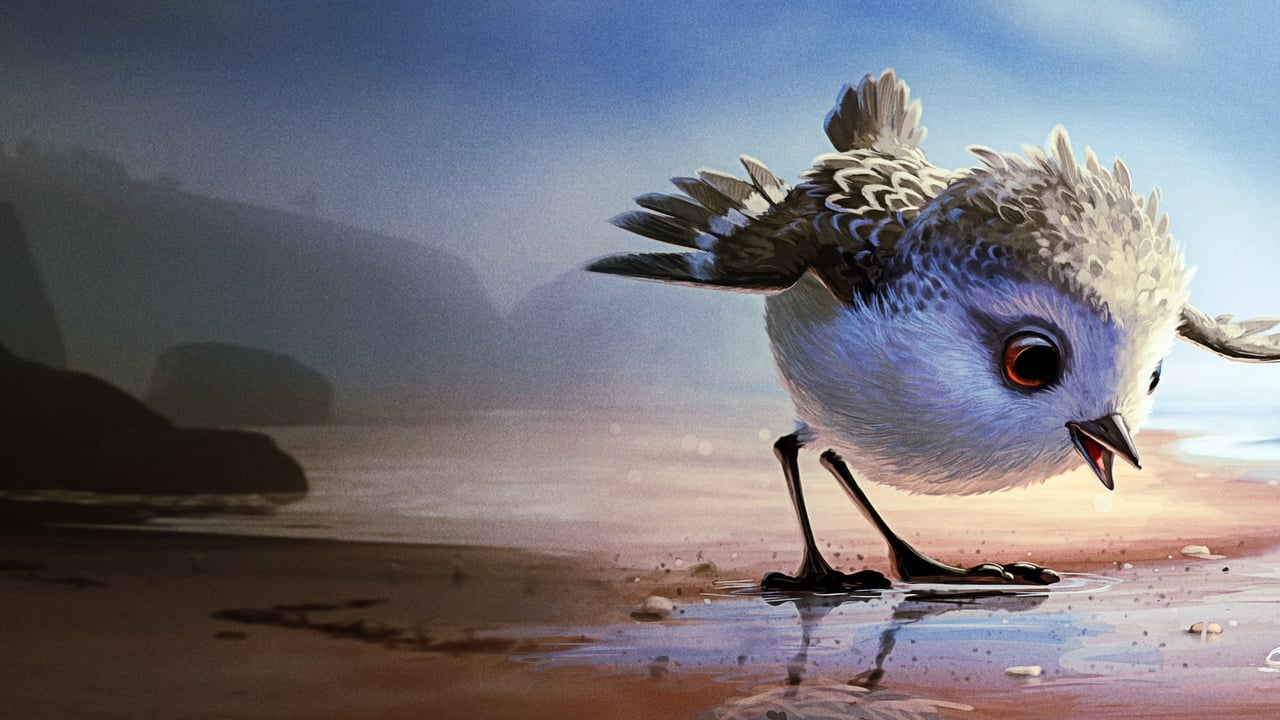
While it’s categorized as an animated family short, Piper functions as a remarkably tight drama. It follows a hatchling sandpiper who is coaxed out of the nest by her mother to forage for coquina clams. The "performance" here is staggering. Without a single line of dialogue, Barillaro conveys a character arc more complete than most three-hour epics. We see the transition from entitlement to terror, then to observational curiosity, and finally to joyful mastery.
The central conflict is a traumatic encounter with a wave. To a human, it’s a gentle lapping of the tide; to Piper, it’s a towering, monochromatic wall of death. The "acting" is all in the feathers. Alan Barillaro reportedly spent years developing software that could handle the interaction of millions of individual feathers with wind, water, and sand. You can actually see the bird’s breath through the fluff of its chest. When the water hits, the weight of the sodden feathers tells you everything you need to know about the bird's internal state. It’s a masterclass in how physical constraints inform emotional beats. Piper is essentially a high-stakes survival thriller for toddlers, and frankly, it’s more stressful than most of the Mission: Impossible franchise.
A Shift in Philosophical Lens
There is a cerebral layer to Piper that often gets overlooked because the protagonist is so undeniably cute. The film asks a profound question about how we process trauma: Do we retreat, or do we change our perspective? After being buried by the tide, Piper is paralyzed by fear. It’s only through the intervention of a secondary character—a tiny hermit crab—that the film moves into its most philosophical sequence.
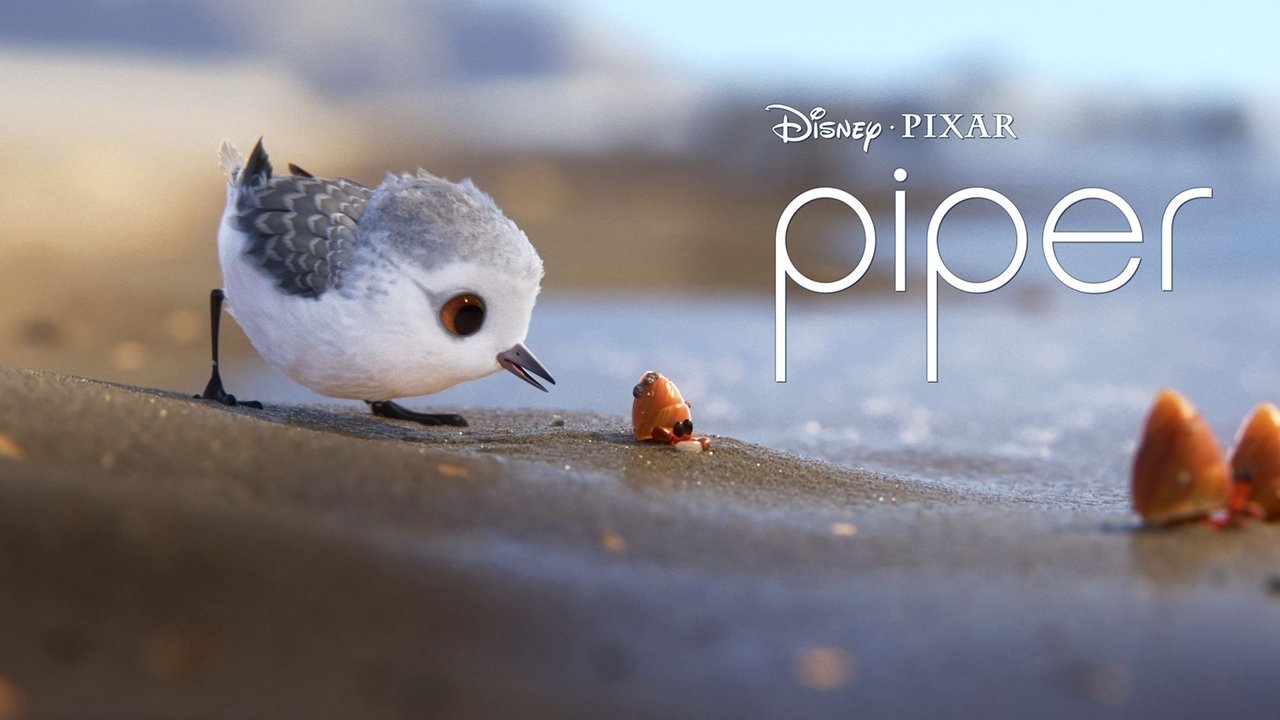
The crab teaches Piper to stay underwater and open her eyes. Suddenly, the "monster" (the wave) becomes a source of clarity. Beneath the surface, the chaotic churning becomes a beautiful, blue-tinted sanctuary where the clams reveal themselves. It’s a literal and metaphorical shift in POV. For contemporary audiences living through an age of perpetual anxiety and "unprecedented times," there’s something deeply resonant about the idea that the thing trying to drown you might actually be showing you how to eat.
The score by Adrian Belew (best known as the frontman for the prog-rock legends King Crimson) adds to this intellectual depth. Instead of leaning into schmaltzy orchestral swells, Belew uses organic, chirpy sounds and rhythmic textures that mimic the heartbeat of the shoreline. It keeps the film grounded in its environment rather than forcing an artificial "Disney" emotion onto the viewer.
The Tech Behind the Tide
Behind the scenes, Piper was a massive R&D project disguised as a short film. Alan Barillaro started the project as a way to test new tools for animating feathers and water, which were notoriously difficult for Pixar’s older pipeline. Producer Marc Sondheimer helped shepherd a production that leaned heavily into "macro-cinematography." The "camera" stays low, utilizing a shallow depth of field that makes the world feel immense and dangerous.
It’s easy to forget that this was released during a peak moment of franchise saturation. Piper was the "little film that could," eventually winning the Academy Award for Best Animated Short Film. It reminds me that even in an industry obsessed with "IP" and cinematic universes, there is still an insatiable hunger for simple, well-told stories about growth. It doesn't need a sequel or a gritty live-action remake; it just needs six minutes of your time and a willingness to look at the world from the perspective of a creature that’s afraid of the bubbles in the surf.
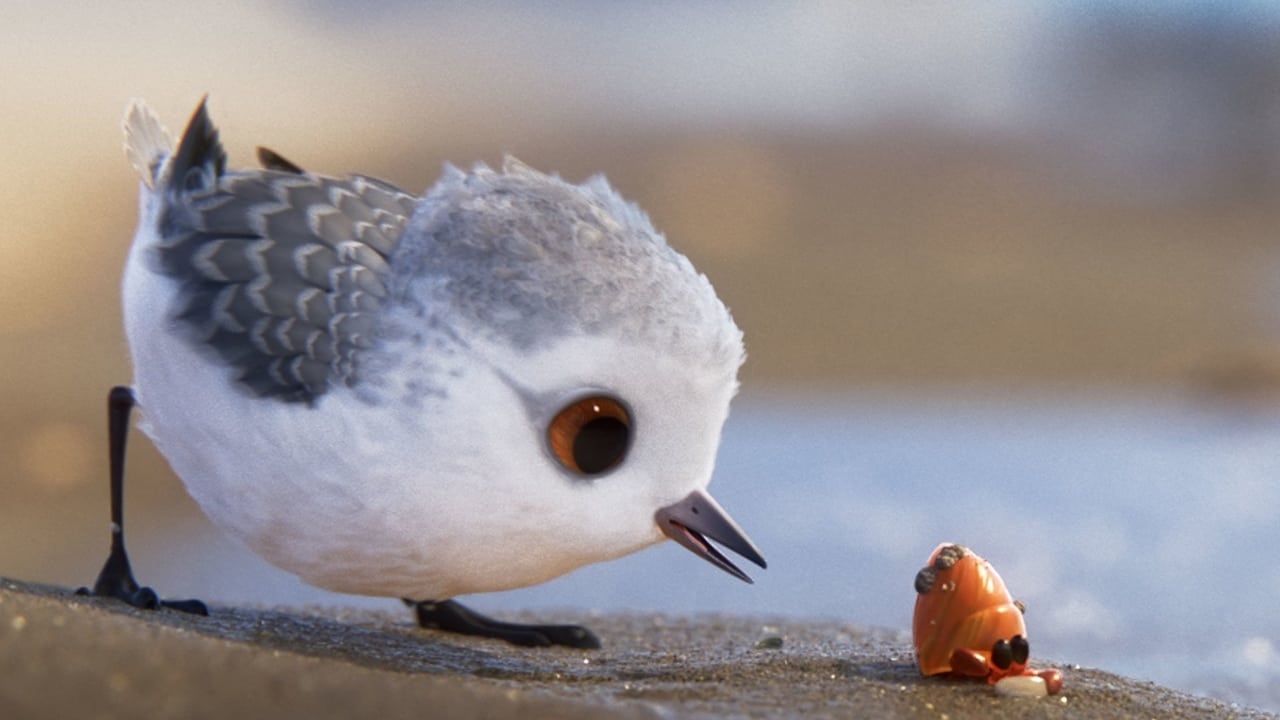
Pixar has a long history of using shorts to push the envelope, but Piper feels like the moment the envelope finally tore open. It’s a gorgeous, wordless meditation on the necessity of facing the things that scare us. Whether you're watching it for the first time or the fiftieth, that moment when the little bird opens her eyes underwater remains one of the most transcendent images in modern animation. It’s a small film with a massive heart, and it deserves to be remembered as more than just a "pre-show" for a blue tang fish.
***
Wait, did I mention my mismatched socks? I was wearing one neon green and one charcoal gray sock while writing this, and I’m convinced the lack of symmetry helped me appreciate the chaotic nature of the tide.
Keep Exploring...
-
Bao
2018
-
How to Train Your Dragon: Homecoming
2019
-
The Boy and the Beast
2015
-
Wolfwalkers
2020
-
Transformers One
2024
-
Kubo and the Two Strings
2016
-
How to Train Your Dragon: The Hidden World
2019
-
Raya and the Last Dragon
2021
-
Riley's First Date?
2015
-
Over the Moon
2020
-
Ron's Gone Wrong
2021
-

The Little Prince
2015
-
If Anything Happens I Love You
2020
-
Justice League Dark: Apokolips War
2020
-
Mortal Kombat Legends: Scorpion's Revenge
2020
-
The Red Turtle
2016
-
The Breadwinner
2017
-
Red Shoes and the Seven Dwarfs
2019
-
Wish Dragon
2021
-
The Wild Robot
2024