Race
"Outrun the hate, rewrite the history."
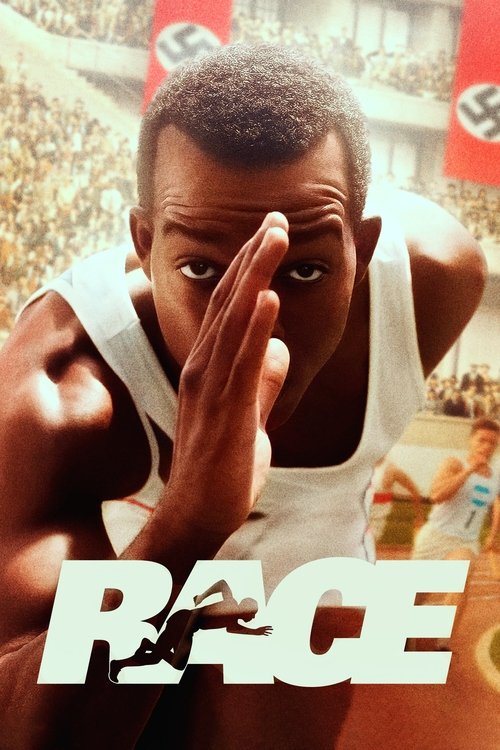
The title Race is doing enough heavy lifting to give the viewer a literal hernia. It’s a double entendre so obvious it practically winks at you from the poster, yet it perfectly encapsulates the impossible position Jesse Owens occupied in 1936. I remember watching this for the first time on a beanbag chair that was slowly leaking air; by the time Owens reached the final heat in Berlin, I was basically sitting on the hardwood floor, but I couldn’t be bothered to move. There’s a gravity to this story that holds you down, even when the filmmaking itself feels like it’s jogging in place.

We’re currently living through a weirdly polarized era of the "Prestige Biopic." On one hand, we have the genre-shattering experiments like Oppenheimer; on the other, we have the sturdy, dependable, slightly-too-polite entries like this one. Race doesn't reinvent the wheel—or the track—but it serves as a necessary, if conventional, bridge between the history books and the multiplex.
A Coach, a Star, and the "Dad Movie" Energy
What surprised me most wasn't the running—it was the coaching. Jason Sudeikis plays Larry Snyder, and if you’re coming to this after binge-watching Ted Lasso, the transition is jarring. He’s not the "believe" guy here; he’s a hard-drinking, slightly cynical mentor who realizes his own missed Olympic dreams might just be salvaged by a kid from Ohio State. Sudeikis plays it with a gritty, blue-collar charm that suggests he was always a better dramatic actor than we gave him credit for.
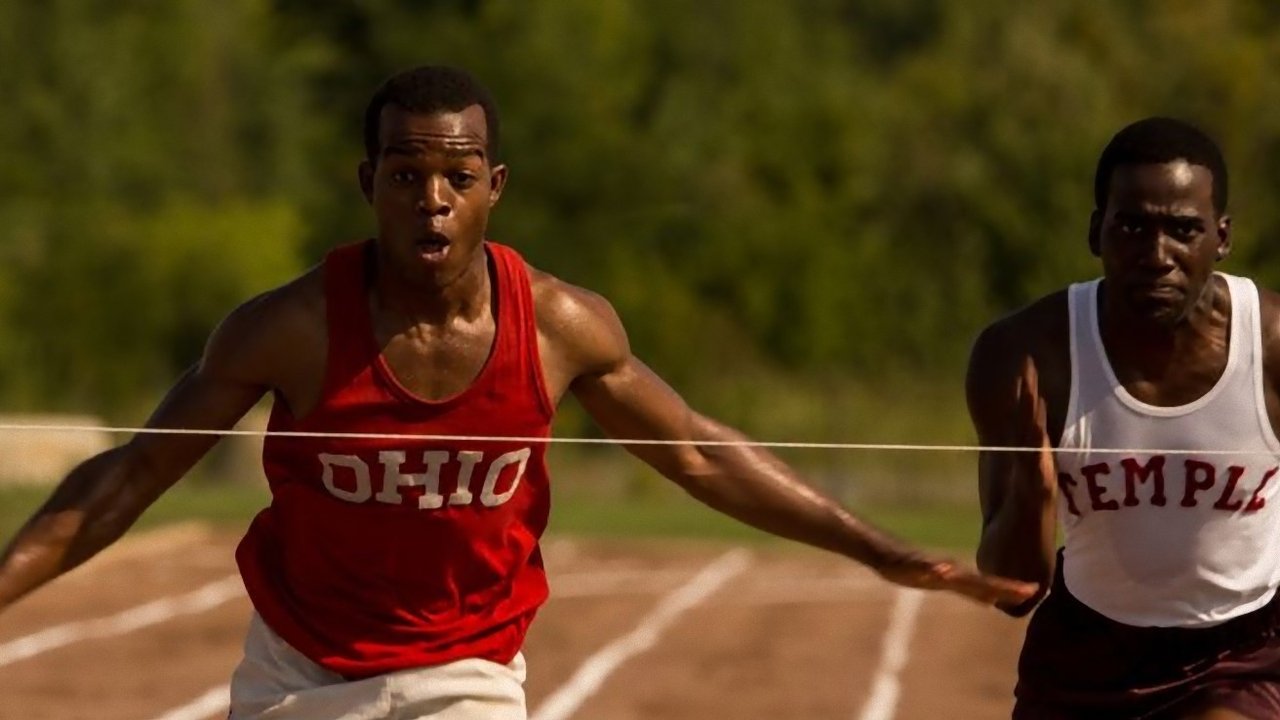
Then there’s Stephan James. He has the unenviable task of playing a legend who was often forced to be a cipher for other people's political agendas. James (who blew me away later in If Beale Street Could Talk) brings a quiet, internal intensity to Owens. He doesn't play him as a superhero; he plays him as a man who is incredibly tired of being a symbol. Whether it’s facing the blatant racism of his own American teammates or the chilling, calculated "Aryan supremacy" of the Nazi regime, James keeps Owens grounded in a very human kind of anxiety.
The chemistry between the two is the engine of the film. Without it, this would basically be a high-end history textbook with a Hans Zimmer-lite score. It’s a "Dad Movie" in the best sense—reliable, earnest, and deeply invested in the idea that hard work can occasionally punch a hole through the darkness.
The Berlin Backdrop and the Propaganda Machine
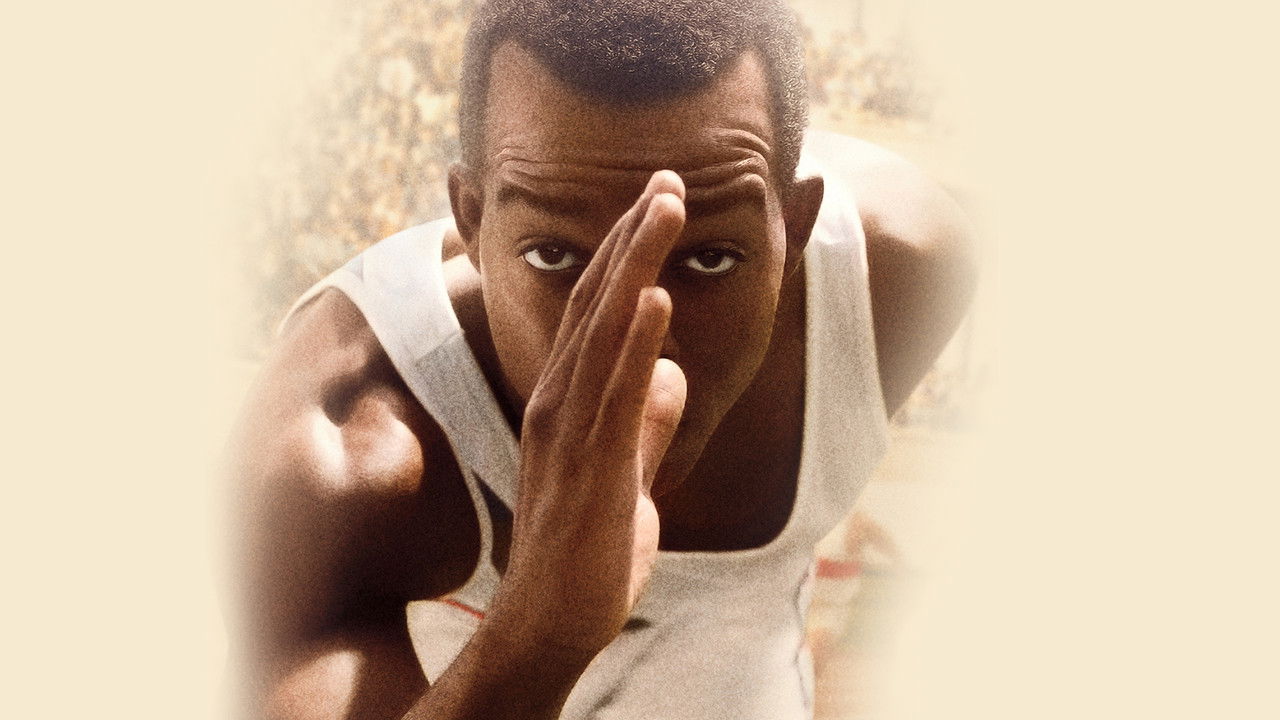
The film gets significantly more interesting when it moves to Berlin. There’s an uncomfortable, fascinating subplot involving the legendary filmmaker Leni Riefenstahl, played with a sharp, chilling opportunism by Carice van Houten (whom I still can't see without thinking of the Red Woman from Game of Thrones). Her inclusion is one of the film’s bolder choices. Leni Riefenstahl is treated with the kind of weirdly sympathetic ‘artist’s lens’ that makes you squint, showing her clashing with Joseph Goebbels to get the "perfect shot" of Owens. It highlights the disturbing reality that even Owens’ triumph was being packaged into a different kind of spectacle by the very people who hated him.
Then you have Jeremy Irons as Avery Brundage, the American Olympic official who essentially sold his soul to ensure the U.S. didn’t boycott the games. Irons is the master of the "principled-looking villain," and he brings a greasy, aristocratic layer to the proceedings. Watching these backroom deals happen while Owens is just trying to lace up his cleats adds a layer of cynicism that the movie desperately needs. It reminds us that while Owens was winning gold, the world around him was already deciding how to use his face for the next war.
Representation and the 2016 Lens
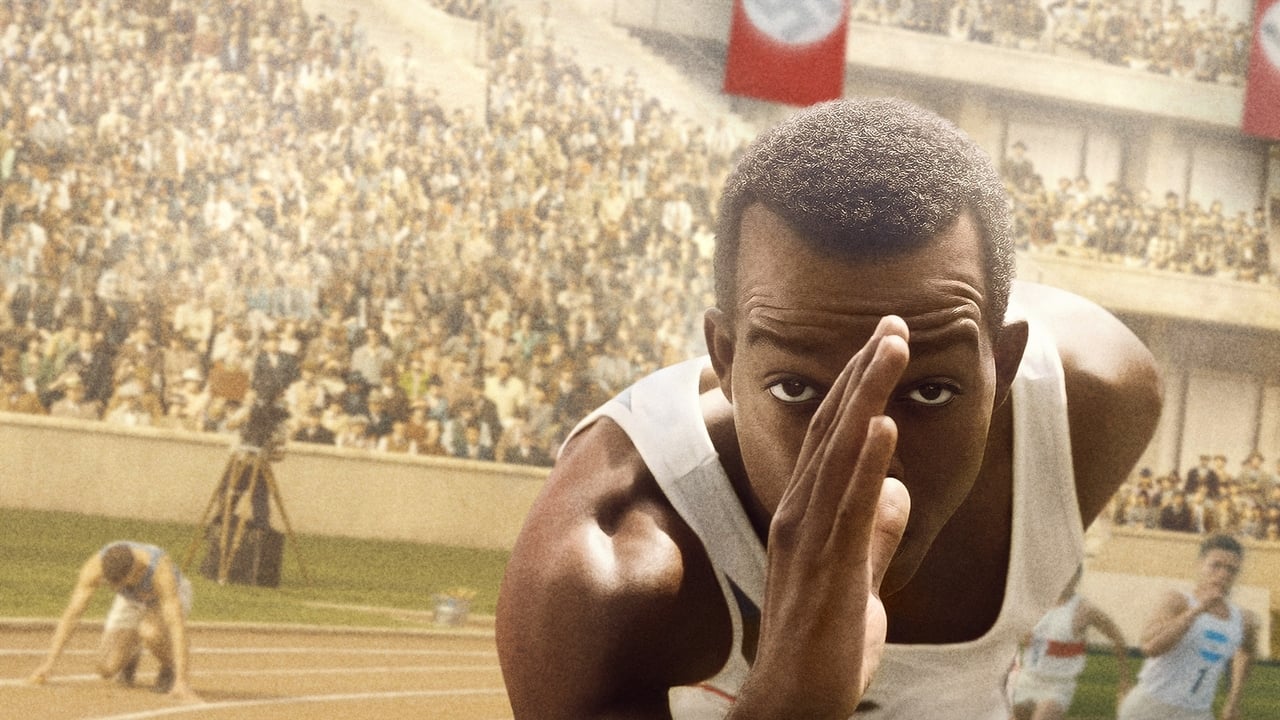
Released during the height of the #OscarsSoWhite conversation, Race felt like a direct response to a gap in our cinematic memory. For a film with a relatively modest $5 million budget, the production value is surprisingly high. They actually filmed at the Olympiastadion in Berlin, and you can feel the ghosts in the concrete. However, there’s a sanitized quality to the 1930s Ohio segments that feels a bit "Main Street, USA."
In our current era of hyper-stylized streaming hits, Race can feel a bit dated, despite being less than a decade old. It lacks the visual flair of something like Da 5 Bloods or the righteous fury of Judas and the Black Messiah. It’s a safe film. It’s sturdier than a pair of vintage leather cleats but just as stiff, occasionally prioritizing the "inspirational beat" over the messy, complicated reality of Owens’ life after the cameras stopped rolling.
The movie ends on a triumphant note, as it must, but it leaves the most bitter pill for the final frames: Owens returning to a segregated America where he still had to enter his own celebratory dinner through the service elevator. It’s a gut-punch that the rest of the movie’s breezy pacing doesn’t always earn, but I’m glad it’s there. It prevents the film from becoming pure hagiography.
Race is a solid, well-acted drama that succeeds more as a history lesson than a piece of groundbreaking cinema. It’s the kind of film that’s perfect for a Sunday afternoon when you want to feel something meaningful without having your brain scrambled by complex non-linear editing. Stephan James and Jason Sudeikis elevate the material, turning a standard biopic into a moving tribute to a man who ran because he had no other choice. It’s not a gold medal winner, but it definitely finishes on the podium.

Keep Exploring...
-

The Man Who Invented Christmas
2017
-

The Man Who Knew Infinity
2016
-

Colonia
2015
-

Land of Mine
2015
-
Suffragette
2015
-
The 33
2015
-
All Eyez on Me
2017
-
Battle of the Sexes
2017
-
Borg vs McEnroe
2017
-

Detroit
2017
-

The Zookeeper's Wife
2017
-

Victoria & Abdul
2017
-

22 July
2018
-
Т-34
2018
-

Mary Queen of Scots
2018
-

On the Basis of Sex
2018
-

Operation Finale
2018
-
The Current War
2018
-
A Beautiful Day in the Neighborhood
2019
-
An Officer and a Spy
2019