Risen
"A cynical detective meets the ultimate cold case."
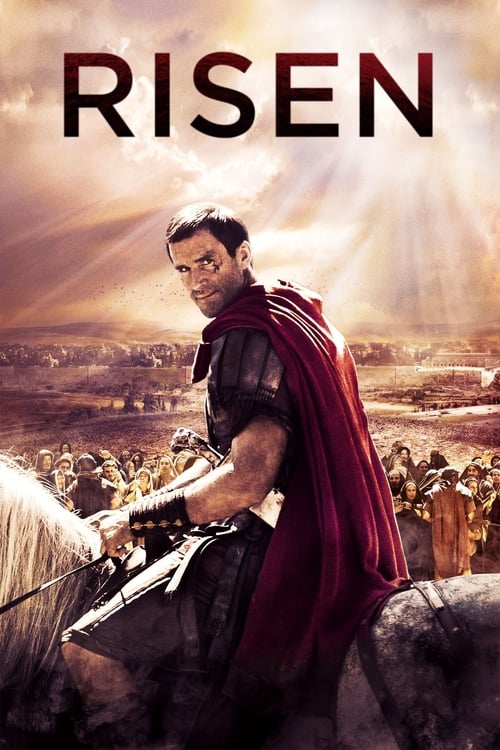
Imagine a hard-boiled detective story where the victim refuses to stay in the morgue, the witnesses are all speaking in riddles, and the lead investigator is a weary veteran who just wants a vacation. Now, put that detective in a Roman breastplate, hand him a gladius, and set him loose in Jerusalem circa 33 AD. That is the surprisingly effective hook of Risen, a film that attempts to bridge the gap between Sunday morning pews and Friday night popcorn flick.
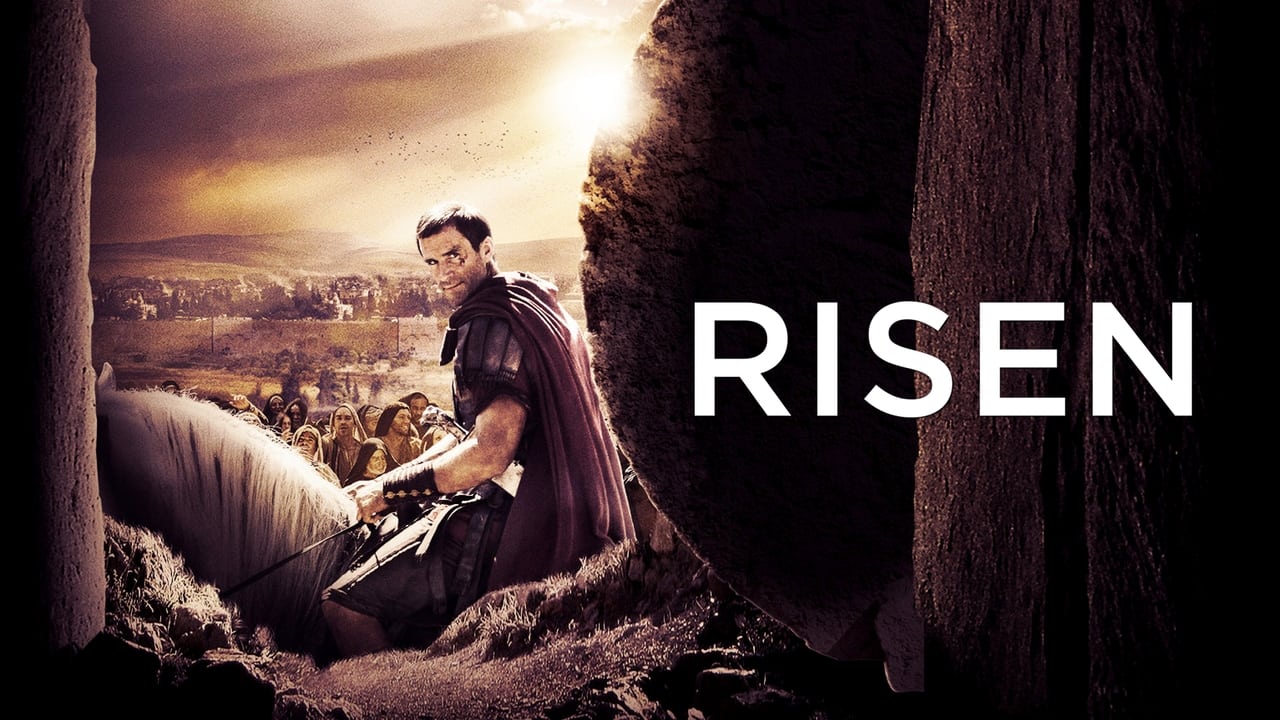
I watched this on my laptop while my cat, Barnaby, decided the keyboard was the perfect place for a mid-afternoon nap, accidentally fast-forwarding through a crucial bit of dialogue about the Sanhedrin. Honestly, the physical comedy of moving a stubborn 15-pound tabby felt oddly appropriate while watching Joseph Fiennes try to navigate the bureaucratic nightmare of first-century Judea.
CSI: Judea
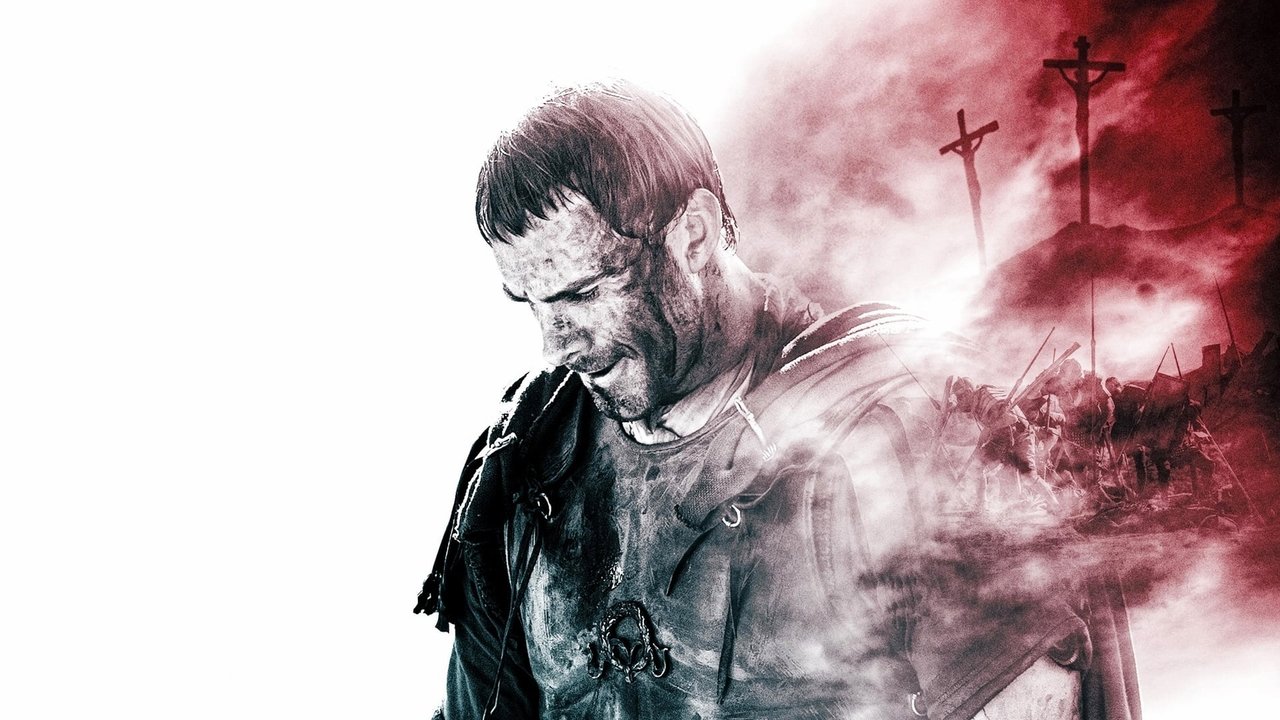
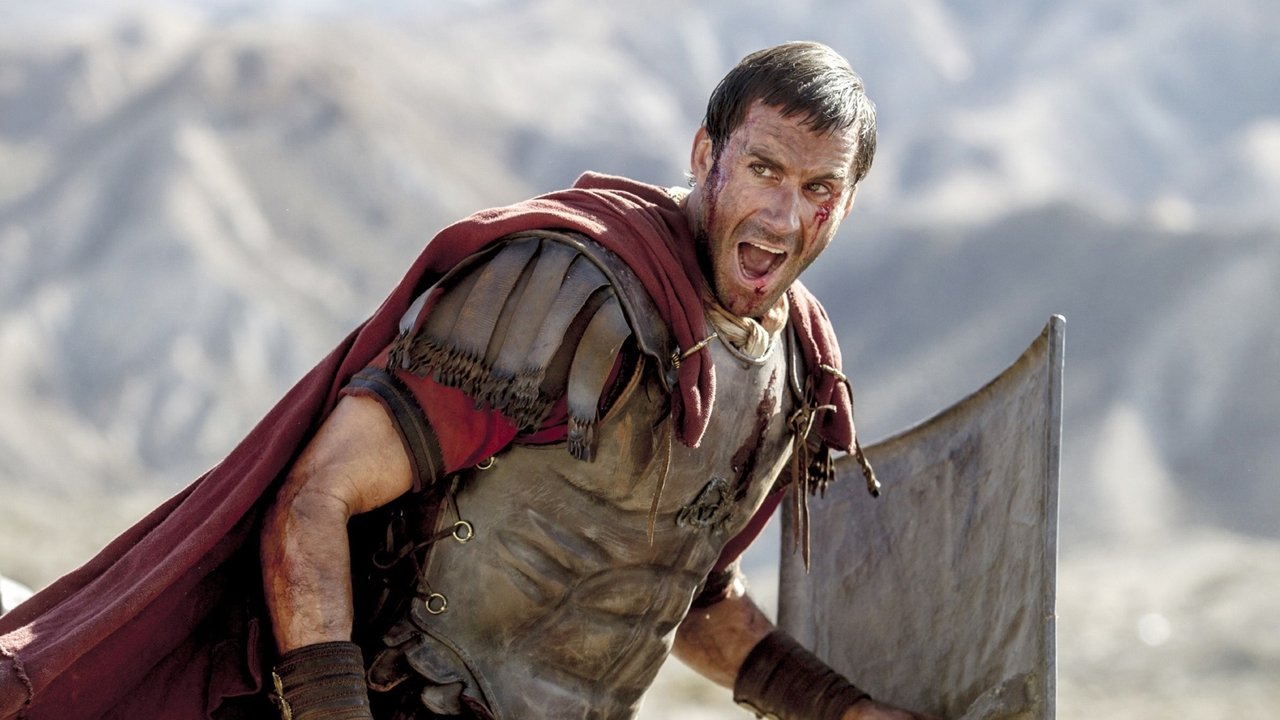
The film kicks off not with a sermon, but with a dusty, grinding skirmish. Director Kevin Reynolds—the man who gave us the sweeping action of Robin Hood: Prince of Thieves—knows how to stage a fight that feels heavy. This isn't the sanitized, "preachy" cinema we often see from the faith-based genre. When we meet Clavius (Joseph Fiennes), he’s tired. He’s covered in grit. He’s a middle-manager for the Roman Empire, and his boss, a wonderfully prickly Pontius Pilate (Peter Firth), has a PR disaster on his hands: a crucified "king" whose body has vanished from a sealed tomb.
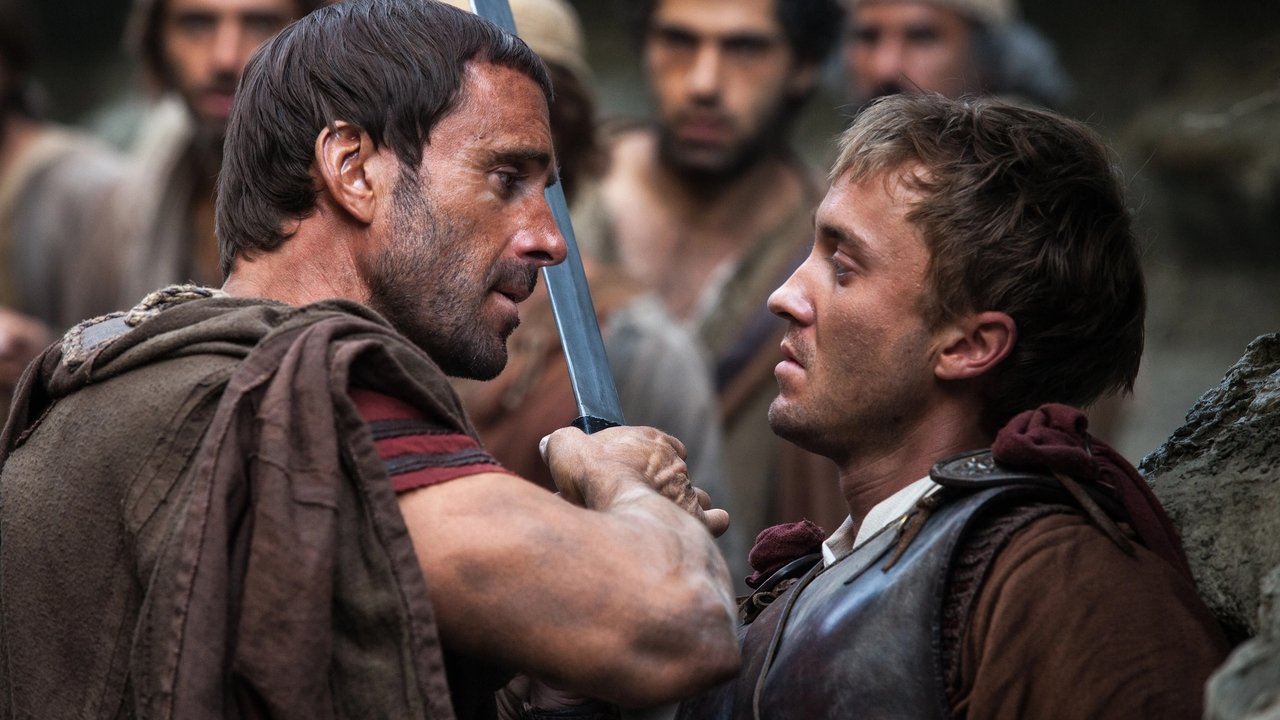
The first forty minutes of Risen are a genuine mystery. Clavius and his ambitious aide, Lucius (played by a pre-tenet Tom Felton, leaning into his "sneering blonde" specialty), go about the grisly business of body identification and witness interrogation. I found this procedural approach fascinating. It’s a grounded, "boots on the ground" perspective of a supernatural event. The action choreography during the early raids is punchy and functional, emphasizing Roman efficiency rather than cinematic flair. It’s about the sweat and the logistical headache of maintaining order in a province that’s about to boil over.
The Human Element
Things shift gears once Clavius actually tracks down the "insurgents." The mystery transforms into a road movie, following the apostles as they head toward Galilee. It’s here that the film takes its biggest risk by casting Cliff Curtis as Yeshua. Usually, cinematic Jesuses are portrayed as ethereally blue-eyed or tragically stoic. Curtis plays him with a disarming, casual warmth. Apparently, to keep the mystery alive on set, Curtis didn't speak to Fiennes or the other Roman actors during production, maintaining a distance that translates well to their onscreen friction.
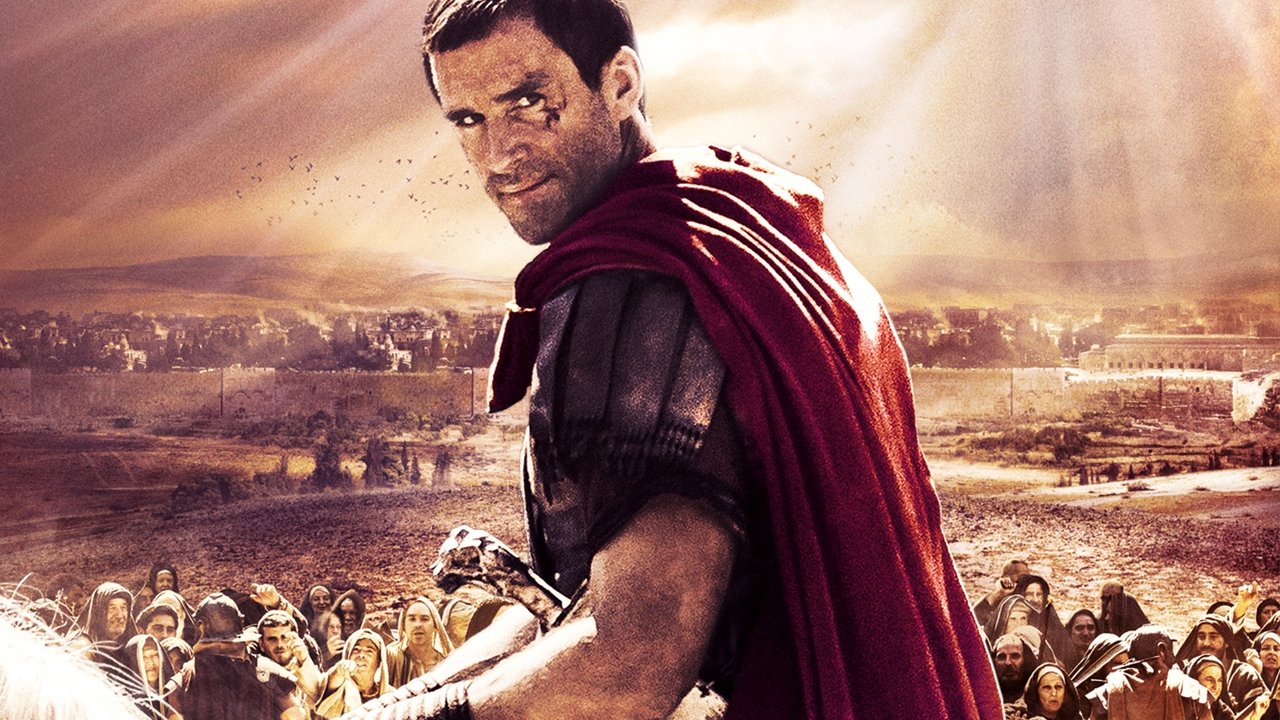
Joseph Fiennes carries the emotional weight here. His Clavius isn't a villain; he’s just a guy doing a job, and watching his skepticism slowly erode is far more interesting than a sudden, blinding conversion. He brings a "seen-it-all" exhaustion to the role that feels very modern. He looks like a man who desperately needs a weekend at a spa but settled for a soul-searching hike across the desert instead.
Faith in the Age of Franchises
Released in 2016, Risen arrived during a strange pocket of contemporary cinema. We were right in the thick of the "grim-dark" phase of blockbusters—Batman v Superman landed the same year—and the MCU was hitting its peak stride. In that landscape, a $20 million mid-budget historical drama felt like a bit of an outlier. It’s part of a trend where studios like Affirm Films realized there was a massive audience for faith-centric stories, provided they didn't look like they were filmed on a camcorder in someone’s backyard.
The film benefits from being a theatrical release rather than a streaming dump. You can see the money on the screen in the rugged Spanish and Maltese locations. Lorenzo Senatore’s cinematography captures the harshness of the landscape; you can almost feel the heat radiating off the stones. It manages to avoid the "plastic" look of many modern historical epics, though it occasionally slips into a "Greatest Hits" montage of biblical moments in the final act that loses the sharp, investigative momentum of the beginning.
The mystery elements are where the film truly shines. Once it pivots into a more traditional faith-based narrative, some of that "Roman Noir" energy dissipates. However, I appreciate that it never feels like it's shouting at the audience. It presents the events through the eyes of a man who is actively looking for a logical explanation and coming up empty. It’s basically a movie for people who like "Gladiator" but wish Maximus spent more time interviewing witnesses and less time feeding the lions.
Risen is a curious hybrid that works better than it has any right to. By framing the most famous story in Western history as a missing persons case, it manages to breathe a bit of fresh air into a genre that often feels stifled by tradition. While the second half loses some of the procedural grit that made the opening so compelling, the performances—particularly the weary, soulful work from Joseph Fiennes—keep it grounded. It’s a solid, thoughtful piece of contemporary historical fiction that offers a unique vantage point, even if you already know how the "case" ends.
Keep Exploring...
-

Ben-Hur
2016
-
The Three Musketeers: D'Artagnan
2023
-
The Count of Monte Cristo
2002
-

In the Heart of the Sea
2015
-

The Outpost
2020
-

Batman vs. Robin
2015
-
The Finest Hours
2016
-

Т-34
2018
-

The Professor and the Madman
2019
-

Karate Kid: Legends
2025
-

Terminal
2018
-

Robin Hood: Prince of Thieves
1991
-
Last Knights
2015
-
The Walk
2015
-

Eddie the Eagle
2016
-
Hail, Caesar!
2016
-
Patriots Day
2016
-

The Lost City of Z
2017
-

12 Strong
2018
-

The Darkest Minds
2018