Sausage Party
"Be careful what you wish for in the Great Beyond."
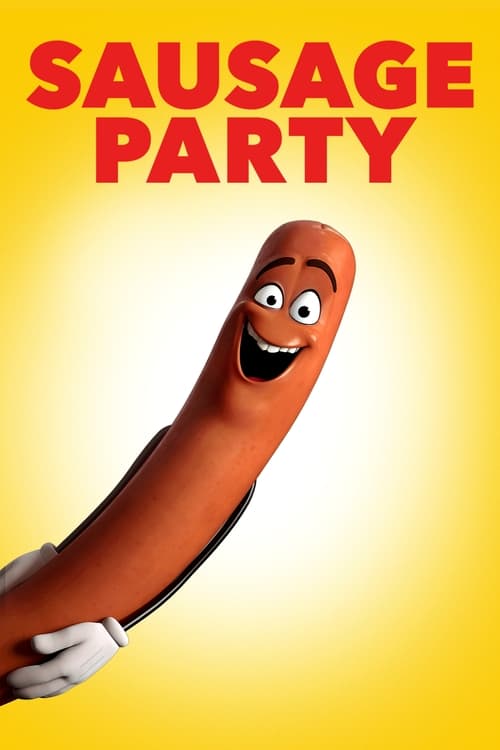
I was wearing a slightly damp hoodie because my dryer had given up the ghost that morning, and for some reason, the faint smell of wet cotton made the sterile, refrigerated air of the grocery store in the opening scene feel far more oppressive than it had any right to be. It’s a strange feeling, being made to feel claustrophobic by a bag of flour, but that is the specific magic trick Sausage Party pulls off before it descends into the most expensive fever dream of 2016.
The Fellowship of the Bun
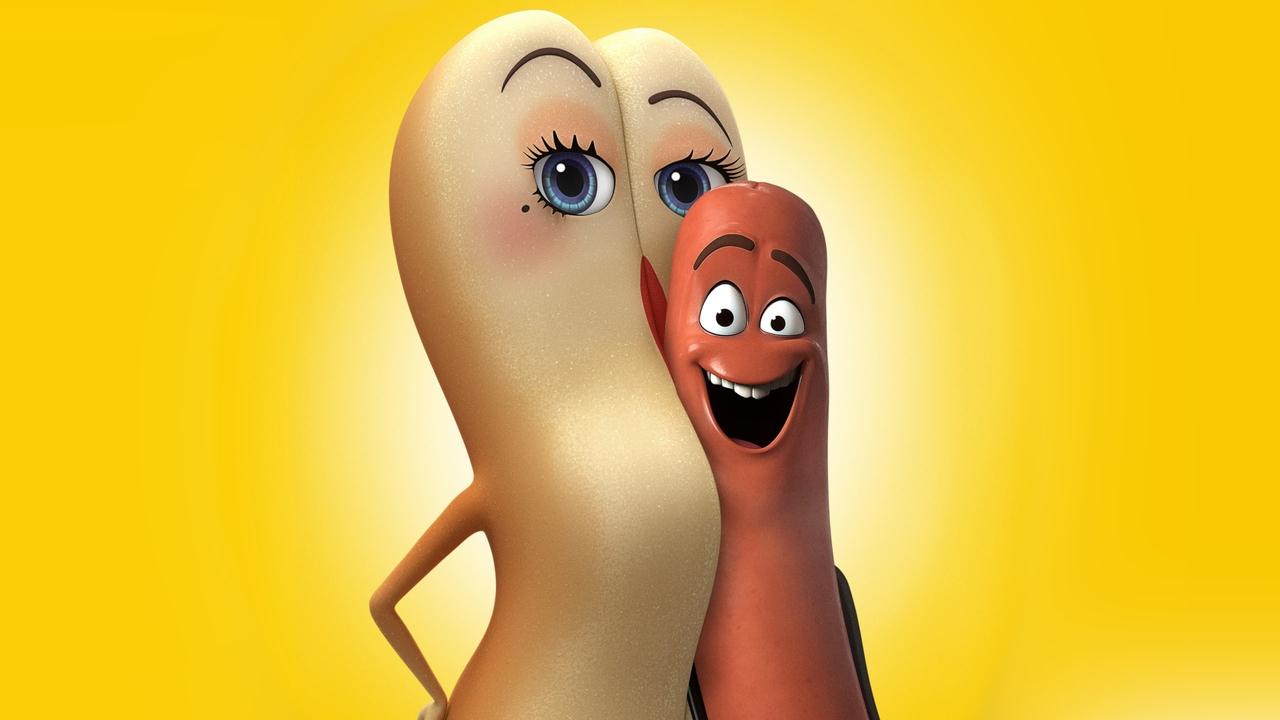
At its heart, this isn't just a collection of dirty jokes; it’s a high-stakes adventure film that follows the classic "Hero’s Journey" structure, albeit one where the hero is a processed meat product. Seth Rogen voices Frank, a hot dog who lives for the moment he and his bun-girlfriend, Brenda (Kristen Wiig), are "chosen" by the gods (human shoppers) to enter the Great Beyond. When a returned jar of Honey Mustard (Danny McBride) reveals that the Great Beyond is actually a place of systematic culinary slaughter, Frank becomes a reluctant explorer in a vast, tiled wilderness.
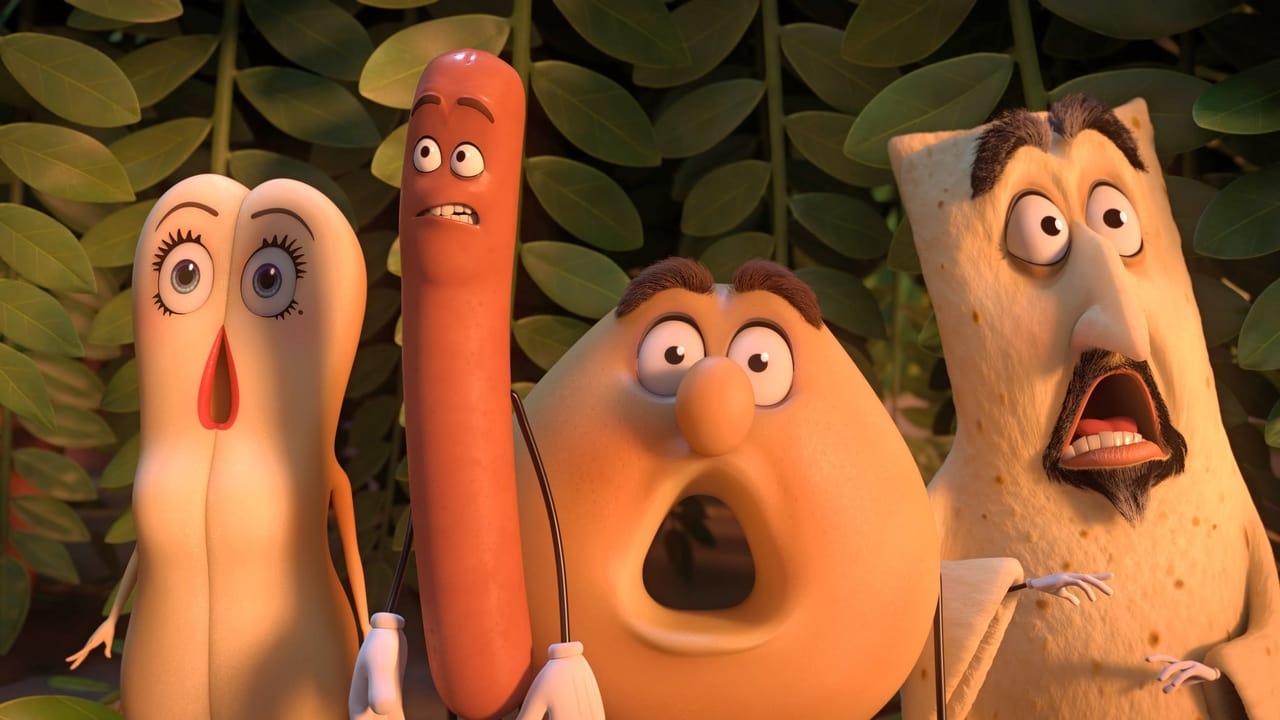
The adventure beats are surprisingly robust. The supermarket is treated like a sprawling fantasy map, with distinct "nations" based on food types. The journey through the ethnic food aisle feels like an excursion into a geopolitical minefield, anchored by a bickering Jewish bagel (Edward Norton, doing a pitch-perfect Woody Allen) and an Arabic lavash (David Krumholtz). The camaraderie among this unlikely team is what keeps the film from being a mere sketch-show. You actually start to care if Barry, a deformed sausage voiced by Michael Cera, manages to survive his harrowing escape from a suburban kitchen—a sequence that parodies the opening beach landing of Saving Private Ryan with traumatic, vegetable-based gore.
A Masterclass in High-Concept Vulgarity
For contemporary audiences, Sausage Party arrived at a fascinating crossroads in cinema history. Released in the mid-2010s, it capitalized on the "R-rated blockbuster" trend sparked by films like Deadpool, proving that adult-oriented content could still dominate the box office without a cape and cowl. It remains a fascinating artifact of the pre-streaming era’s theatrical dominance—a film that managed to make a used douche look like a credible Shakespearean villain while still pulling in massive crowds.
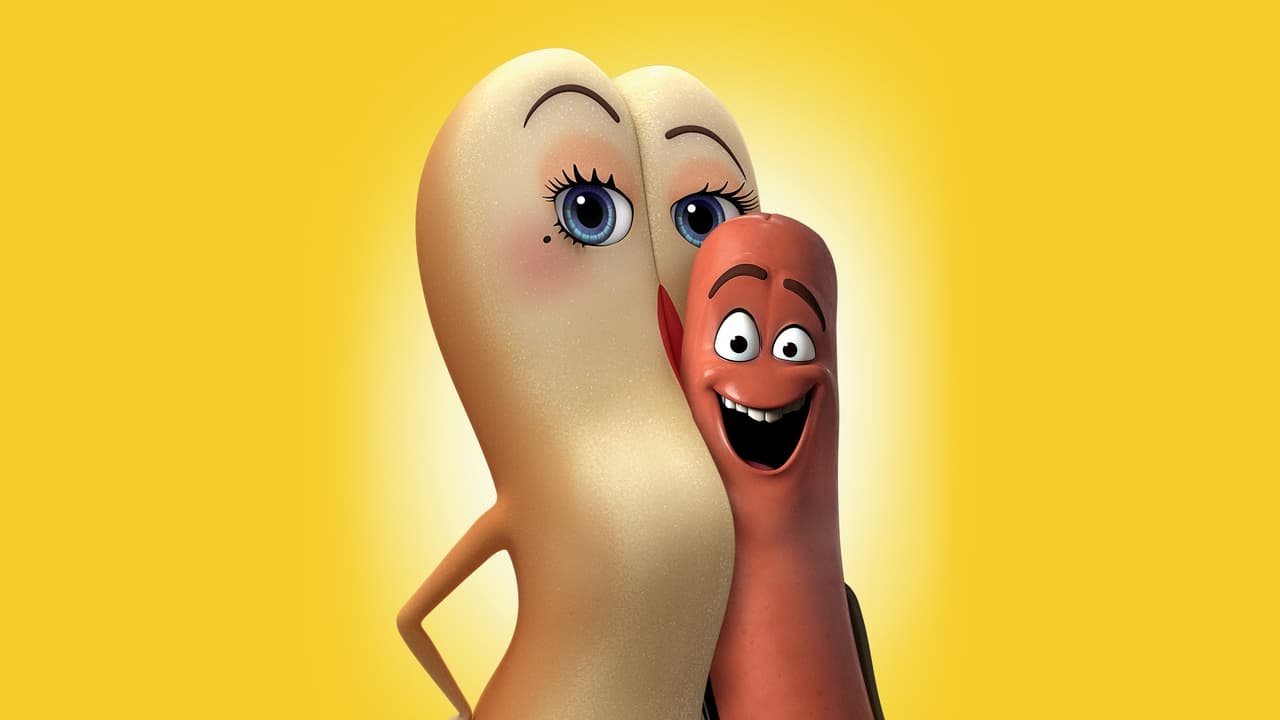
The humor is, predictably, relentless. Nick Kroll’s performance as the literal Douche is a highlight of grotesque commitment, and Bill Hader provides some of the film’s most surreal moments as Firewater, an ancient bottle of liquor who knows the "truth" of their existence. But the film’s smartest move is its underlying satire of religious dogma and existential dread. It asks the big questions: If our gods are actually monsters who want to eat us, do we tell the others and destroy their hope, or let them die happy in their ignorance? It’s basically Toy Story for people who grew up to be total degenerates.
The $140 Million Food Fight
From a production standpoint, Sausage Party was a massive gamble that paid off with a $140.7 million global haul. What’s truly wild is the budget; at just $19 million, it cost a fraction of a typical Pixar or DreamWorks feature. This financial efficiency allowed the creators to take risks that a $200 million Disney budget never would, including a climactic "food orgy" that remains one of the most jaw-dropping sequences in modern animation.
However, that success came with a side of controversy. Following the release, several animators at Nitrogen Studios claimed they were forced to work overtime without pay, highlighting the darker side of the "scrappy indie" animation model. It’s a reminder that even when the product on screen is lighthearted and irreverent, the industry behind it was undergoing the same labor tensions we see today with the rise of VFX unions and streaming-era strikes.
There’s also the incredible score to consider. To sell the "Disney-gone-wrong" vibe, the production hired Alan Menken—the legendary composer behind The Little Mermaid and Beauty and the Beast—to write the opening musical number. Hearing a chorus of groceries sing about the glory of the gods with the same earnestness as a Disney princess is the exact kind of tonal dissonance that makes the subsequent "murder" of a potato feel so earned.
Sausage Party isn't for everyone, and it certainly isn't for the faint of heart or the easily offended. It’s a loud, foul-mouthed adventure that uses its "kids' movie" aesthetic to smuggle in surprisingly sharp thoughts on faith and philosophy. While the shock value of its ending might overshadow its narrative craft for some, I found it to be a creative high-water mark for the Seth Rogen / Evan Goldberg partnership. It’s a film that knows exactly how ridiculous it is and leans into that absurdity with total, unwashed confidence.
The next time you walk down a grocery aisle, you might find yourself looking at the mustard a little differently. I know I did, especially when I realized that in the world of this film, my damp hoodie would probably be considered a sentient, suffering entity with its own tragic backstory. That’s the legacy of this movie: it makes the mundane feel monstrous, and the monstrous feel hilarious. It is a singular, bizarre trip that remains one of the boldest mainstream comedies of the last decade.
Keep Exploring...
-
The Addams Family
2019
-
The Addams Family 2
2021
-
The SpongeBob Movie: Sponge Out of Water
2015
-
The Angry Birds Movie
2016
-
Madagascar 3: Europe's Most Wanted
2012
-

Trolls
2016
-
Despicable Me 3
2017
-
Olaf's Frozen Adventure
2017
-
Shrek 2
2004
-
Frozen II
2019
-
The Croods: A New Age
2020
-
Minions
2015
-
The Secret Life of Pets
2016
-
Smurfs: The Lost Village
2017
-

Puss in Boots
2011
-
The Smurfs
2011
-

Minions: The Rise of Gru
2022
-
Puss in Boots: The Last Wish
2022
-
The Super Mario Bros. Movie
2023
-
Kung Fu Panda 4
2024