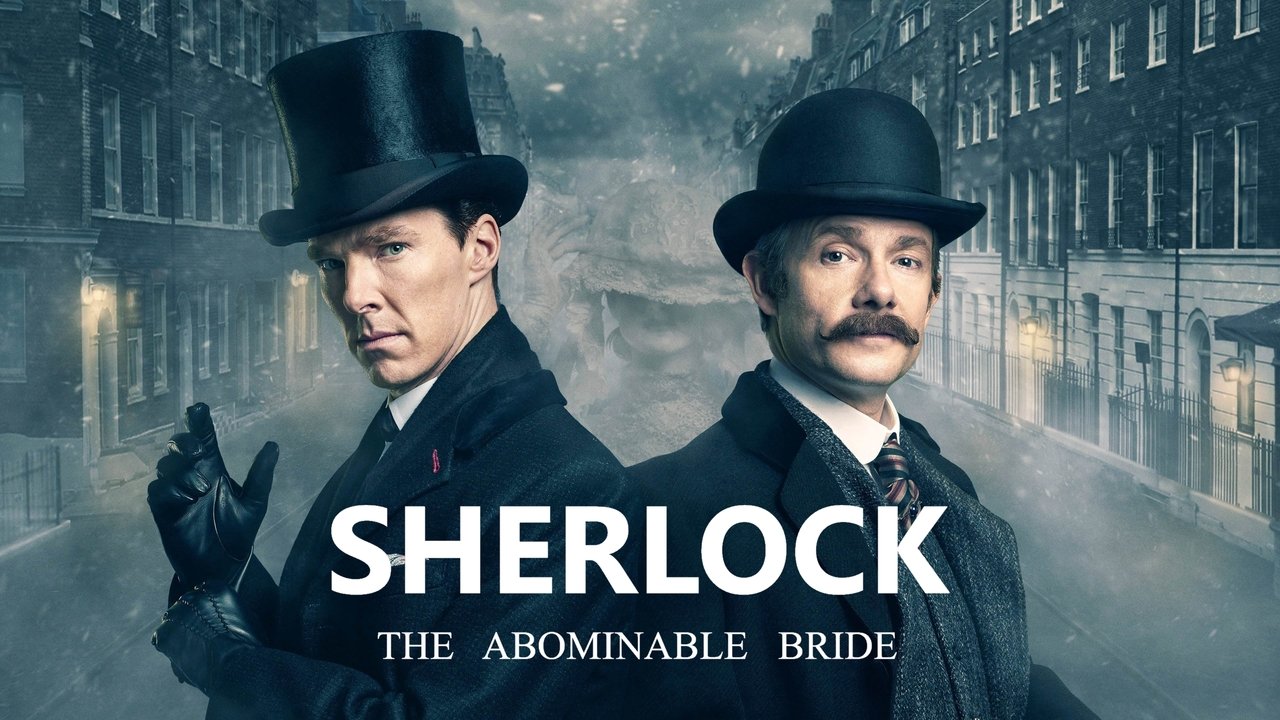
Sherlock: The Abominable Bride
"Old ghosts never stay buried in Baker Street."
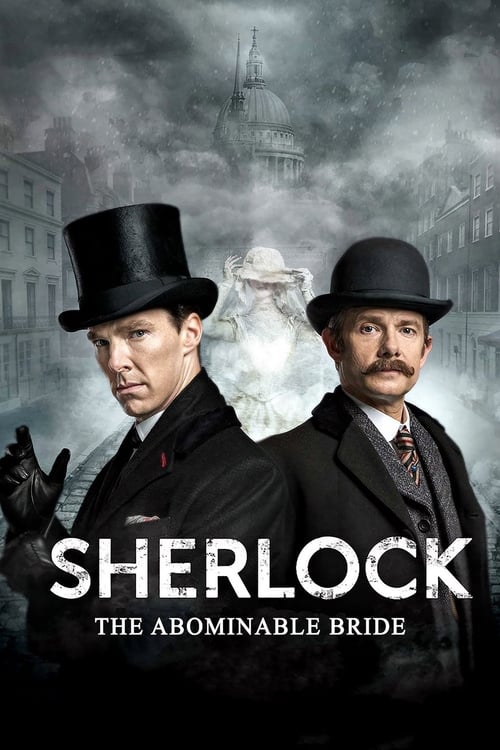
The fog rolling across Baker Street isn’t just London weather; it’s a thick, suffocating shroud that feels more like a fever dream than a climate report. When I first sat down to watch Sherlock: The Abominable Bride, the radiator in my apartment was doing this rhythmic, metallic thumping that sounded exactly like a heartbeat, which, in hindsight, was the perfect metronome for a story that spends half its time trapped inside a dying man’s skull.
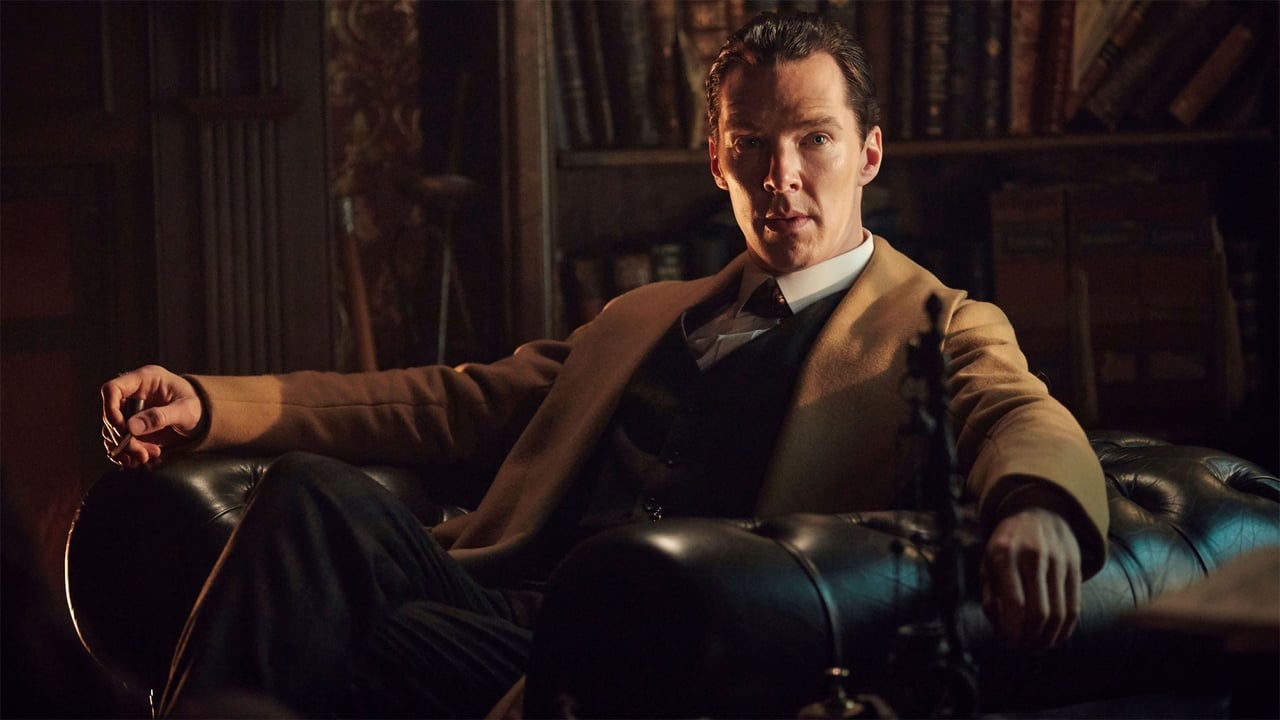
This 90-minute special was a strange beast when it dropped in 2016. At the time, the world was suffering from a collective, frantic withdrawal from Benedict Cumberbatch’s high-functioning sociopath. We were in that mid-2010s "Event TV" era where a single episode of a British drama could shut down social media for an entire weekend. But instead of giving us a direct follow-up to the cliffhanger of Season 3, Mark Gatiss and Steven Moffat took a hard left turn into 1895.
The Gothic Ghost in the Machine
The setup is classic Doyle, or at least a dark, hallucinogenic remix of it. A woman named Emelia Ricoletti blows her brains out in front of a crowd, only to reappear later that night to gun down her husband. It’s a ghost story, plain and simple—until it isn't. Douglas Mackinnon directs the Victorian sequences with a heavy, ink-black atmosphere that feels distinct from the neon-soaked London of the main series. The shadows are deeper, the carriage wheels crunch louder, and Benedict Cumberbatch adjusts his performance just enough to make this "Original Recipe" Holmes feel more brittle and ancient than his modern counterpart.
I’ve always found that the chemistry between Cumberbatch and Martin Freeman works best when the stakes are uncomfortably personal. In the 1895 setting, Freeman gets to play a version of Watson who is a bit more of a traditionalist, yet he still carries that simmering frustration with Holmes’ ego. The Victorian version of John Watson is actually the most tolerable version of the character, mostly because his mustache acts as a buffer for his perpetual annoyance.
But then the floor falls out. The film reveals itself not as a standalone "What If?" story, but as a drug-induced dive into Sherlock’s "Mind Palace" as he flies away from the events of the Season 3 finale. This is where the "Dark/Intense" modifier really earns its keep. The transition from the Victorian morgue back to the modern-day jet is jarring and frantic, capturing the jagged edges of a mind spiraling under the influence of "the seven-percent solution."
A Virus of the Mind
The return of Andrew Scott as Moriarty is where the tension shifts from Gothic horror to psychological thriller. Scott doesn’t just play a villain; he plays a literal glitch in Sherlock’s hardware. His performance is oily, terrifying, and deeply weird. There’s a scene in the Victorian 221B where he licks the dust off a mantlepiece that genuinely made me shiver. It’s not just about a master criminal; it’s about the fact that Sherlock can’t stop himself from being obsessed with the man who tried to break him.
The film tries to tackle some heavy contemporary themes, specifically the "invisible" role of women in history. The reveal of the "Bride" as a collective of suffragettes seeking a violent kind of justice was a bold swing. In the context of 2016’s conversations about representation and the "Me Too" movement that was just around the corner, it felt like the show was trying to acknowledge its own "boys' club" reputation. However, there’s a persistent irony in having Sherlock Holmes—a man—be the one to explain feminism to a room full of hooded women. It’s a bit of a creative stumble that feels very much of its era: well-intentioned but slightly patronizing.
The Cult of the Deerstalker
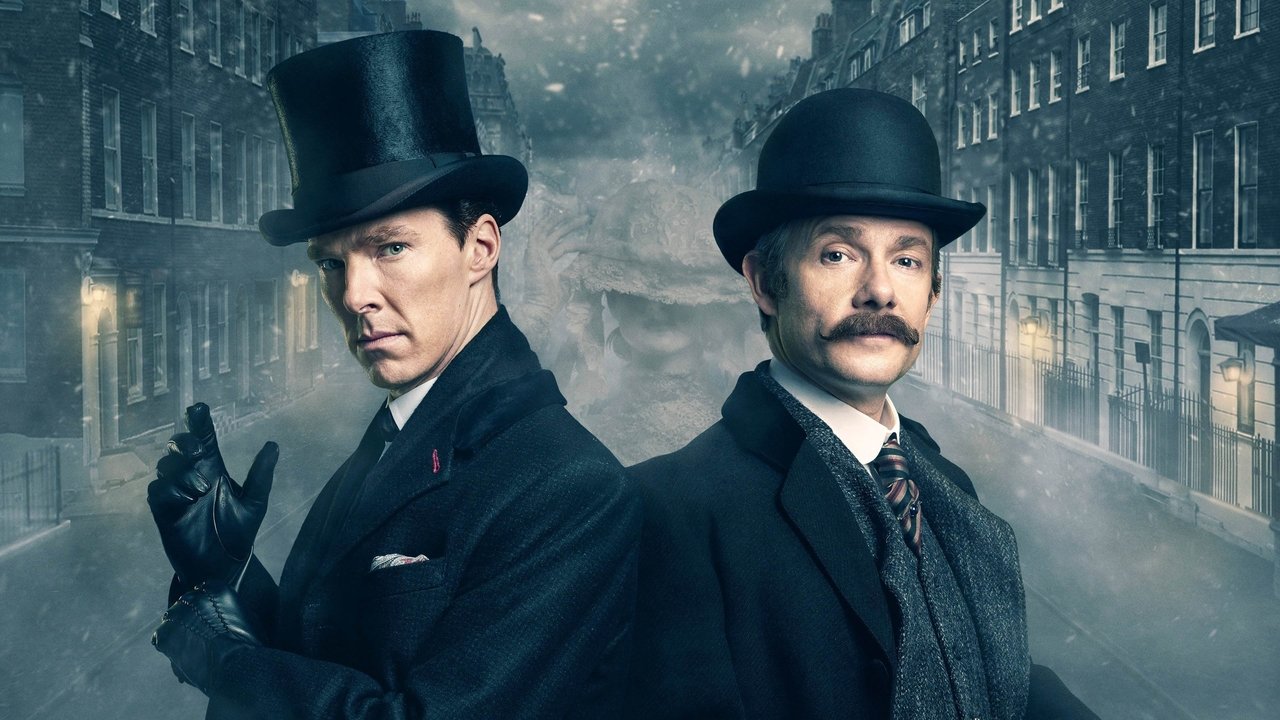
Watching this now, it feels like a bridge between the peak Sherlock mania and the eventual franchise fatigue that hit toward the end of Season 4. It’s a "Cult Classic" within its own fandom because it demands so much prerequisite knowledge. It’s essentially a high-budget Tumblr fanfic that accidentally became canon, and I mean that with a certain amount of affection. It leans into the fan theories, the "shipping" subtext, and the meta-commentary about how Watson writes the stories versus how they actually happen.
The trivia behind the scenes is just as obsessive as the fans. Apparently, the "fat suit" worn by Mark Gatiss as Mycroft was a direct nod to the original Sidney Paget illustrations from The Strand magazine, where Mycroft was described as much more corpulent than the modern version. Also, the waterfall sequence at Reichenbach was a nightmare to shoot; they used a mix of a real location and a studio tank, and Cumberbatch allegedly found the Victorian wool suit to be a sensory horror show when wet.
There’s also the fun fact that the date—January 1st, 1895—isn't just a random year. It was the year of the peak of the Holmes craze, but also the year Oscar Wilde was prosecuted for "gross indecency." The writers intentionally picked a year where the Victorian veneer of "decency" was starting to crack, which mirrors Sherlock’s own mental breakdown.
Ultimately, The Abominable Bride is a gorgeous, messy, and deeply atmospheric piece of television. It captures that specific 2010s obsession with "reimagining" the past while being unable to escape the anxieties of the present. While the plot gets a bit tangled in its own cleverness by the third act, the sheer visual panache and the haunting performance of Andrew Scott make it worth the trip. It’s a dark, cold, and brilliant reminder that the most dangerous ghosts aren’t the ones in wedding dresses—they’re the ones we invite into our own heads.
Keep Exploring...
-
Bad Times at the El Royale
2018
-
Patriots Day
2016
-

Snowden
2016
-

Wind River
2017
-
Dogman
2018
-

Shoplifters
2018
-

The House That Jack Built
2018
-
El Camino: A Breaking Bad Movie
2019
-

Uncut Gems
2019
-

Promising Young Woman
2020
-

The Devil All the Time
2020
-
Wrath of Man
2021
-
The Outfit
2022
-
Anatomy of a Fall
2023
-
Lucky Number Slevin
2006
-
Batman vs. Robin
2015
-
Suburra
2015
-

Miss Sloane
2016
-
The Accountant
2016
-
Forgotten
2017