Shin Godzilla
"Reality is the true nightmare."
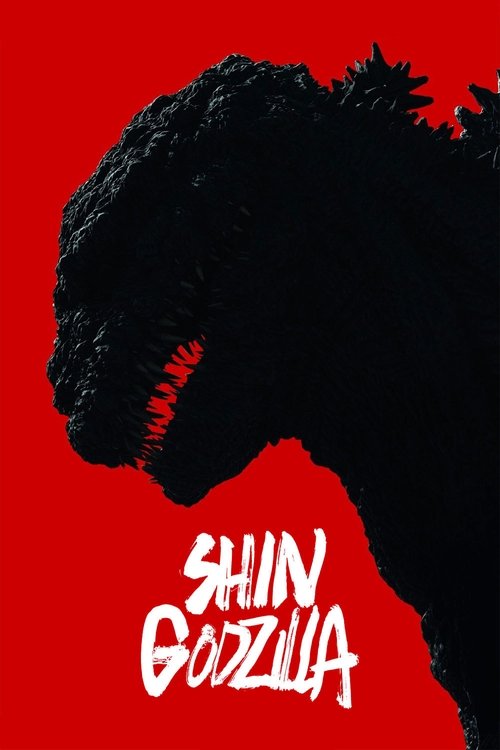
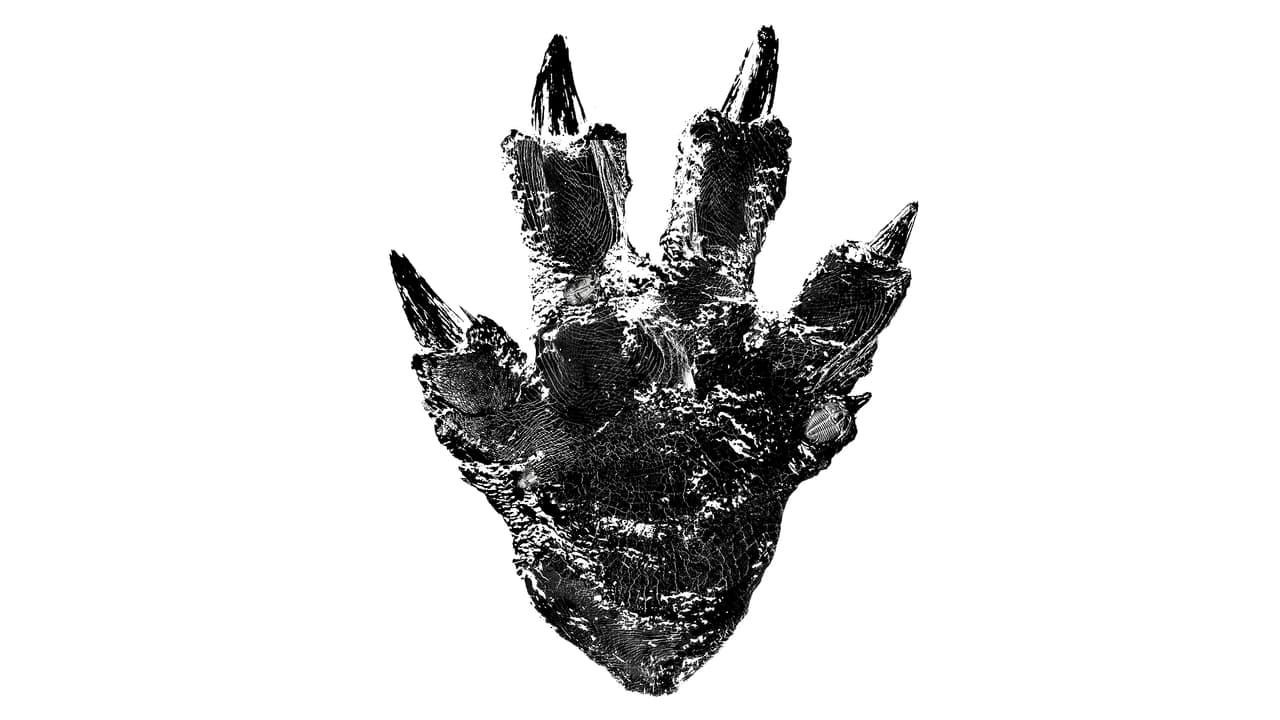
The first time I saw the second form of the creature in Shin Godzilla, I didn’t scream. I laughed, but it was that nervous, high-pitched titter you make when you see something so profoundly "wrong" that your brain short-circuits. It looks like a giant, googly-eyed lungfish with bleeding gills, flopping through the streets of Kamata like a wet sock filled with anger. But as the creature evolved and the score by Akira Ifukube began to swell with those iconic, doom-laden brass notes, the laughter died in my throat. I realized I wasn't watching a fun afternoon at the movies; I was watching a traumatic memory being processed in real-time.
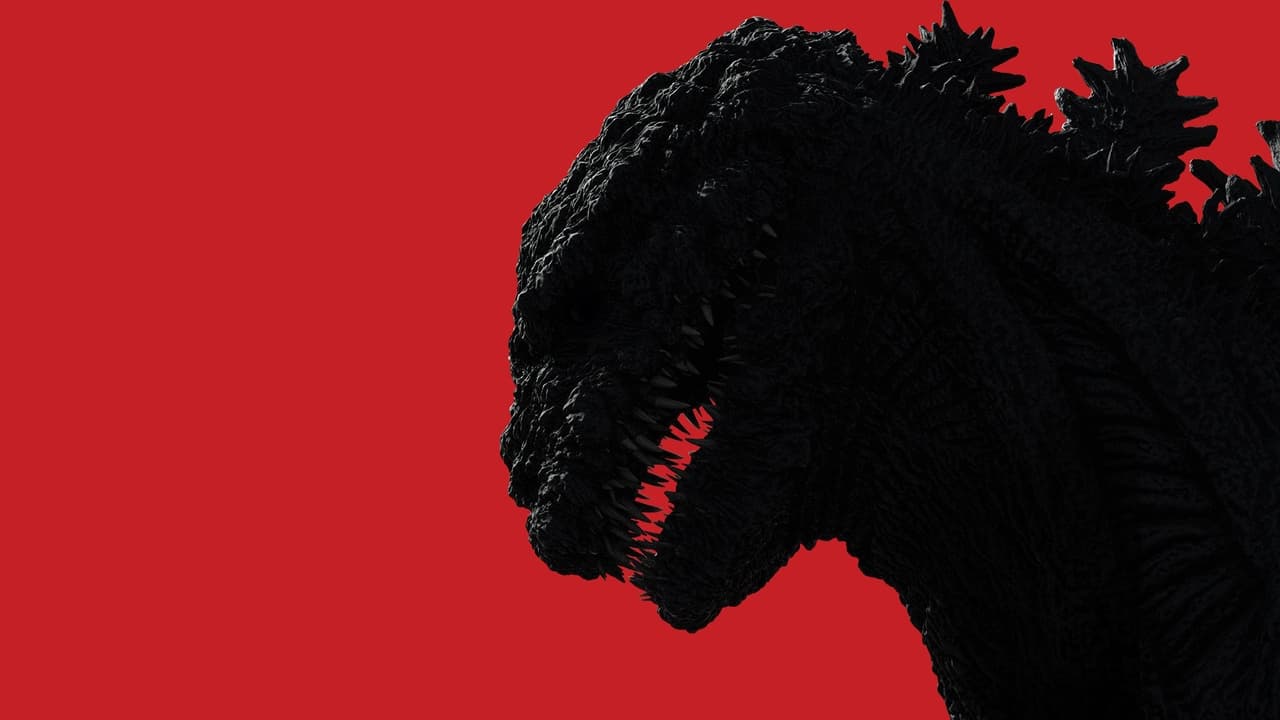
I watched this on a Tuesday night while trying to ignore the fact that my neighbor was loudly assembling what sounded like a flat-pack wardrobe through the wall, yet even that rhythmic hammering couldn't break the spell this film cast.
The Bureaucracy of Doomsday
In an era where the Marvel Cinematic Universe has taught us that every global threat can be punched into submission by a charismatic lead, Shin Godzilla is a cold bucket of water to the face. Directed by Hideaki Anno (the mastermind behind Neon Genesis Evangelion) and Shinji Higuchi (who handled the incredible effects in the 90s Gamera trilogy), this is a film about meetings. It’s about committees, red tape, and the agonizing slowness of a government trying to decide which ministry is responsible for a giant monster.
Hiroki Hasegawa plays Rando Yaguchi, a young, ambitious politician who represents the only demographic capable of saving Tokyo: the mid-level bureaucrats who actually know how to use a photocopier. There is a relentless, almost rhythmic quality to the way Hideaki Anno cuts between boardrooms. It’s a satire of Japanese political culture, born directly from the frustrations of the 2011 Fukushima disaster and the Tohoku earthquake. For those of us living through the post-2020 world, the sight of officials arguing over legal precedents while a disaster literally breathes down their necks feels uncomfortably contemporary. The movie argues that a stapler and a well-drafted proposal are more heroic than a cape.
A Monster That Feels Like a Mutation
The horror here isn't just in the destruction; it's in the violation of nature. This Godzilla isn't a guardian or even a simple predator. It is a biological mistake, a "God Incarnate" that is constantly in pain. When the creature finally reaches its fourth form, standing tall amidst a pitch-black Tokyo night, the visual language shifts from disaster footage to cosmic horror.
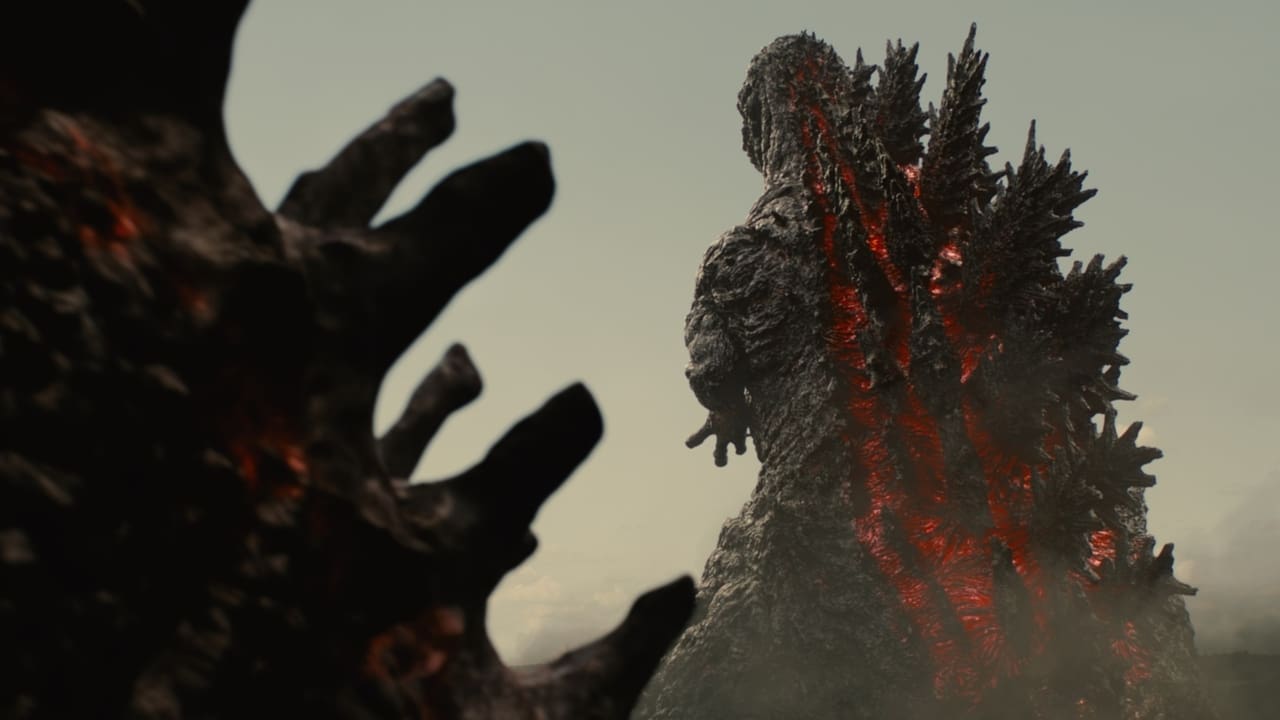
The sequence where Godzilla first uses its atomic breath is, without hyperbole, one of the most haunting things I’ve ever seen in a cinema. There are no explosions at first—just a sea of fire that flows like liquid through the streets, followed by a concentrated beam of purple light that slices through skyscrapers like a scalpel. It is silent, oppressive, and utterly devoid of hope. The creature design is a masterstroke of "uncanny valley" terror; its tail has a mind of its own, and its skin looks like cooling magma.
A fascinating bit of trivia for the theater nerds: the motion capture for Godzilla was provided by Mansai Nomura, a famous Kyogen (traditional Japanese comic theater) actor. He brought a stiff, otherworldly grace to the monster’s movements that a standard stuntman never could have replicated. It makes the creature feel less like an animal and more like a vengeful spirit.
Breaking the Franchise Mold
For a film released in 2016, right as franchise fatigue began to set in globally, Shin Godzilla stands out because it refuses to play by the rules. There is no "Final Girl," no lone wolf hero, and—most controversially for Western audiences—the US special envoy played by Satomi Ishihara speaks in a bizarre, stylized English-Japanese hybrid that feels like it belongs in a different movie entirely. It’s a jarring creative choice, but in the context of Anno’s heightened, almost operatic direction, it adds to the sense of international friction.
The film also digs deep into the complicated relationship between Japan and the United States. It doesn't shy away from the idea that, to the global superpowers, Tokyo is just a tactical square on a map. This is dark, intense storytelling that uses a 300-foot lizard to talk about national sovereignty and the weight of history. It’s a "Monster Movie" for adults who are more afraid of a failing power grid than a jump scare.

Shin Godzilla is a rare beast: a reboot that honors its 1954 roots while being aggressively, almost painfully modern. It replaces the campy fun of the later sequels with a sense of crushing existential dread, yet somehow finds a sliver of hope in the idea of collective human effort. It’s a film that demands your full attention and rewards it with some of the most striking imagery in modern science fiction. If you’ve only ever seen the Hollywood versions of the Big G, you owe it to yourself to see what happens when the King of the Monsters is treated with this much gravity.
***
Trivia Note: To capture the frantic energy of the government offices, Hideaki Anno used dozens of hidden cameras and even smartphones to film the actors, often having them speak their dialogue at 1.5x normal speed to simulate the high-pressure environment of a real crisis.
Keep Exploring...
-
Evangelion: 3.0+1.0 Thrice Upon a Time
2021
-

#Alive
2020
-

Evangelion: 3.0 You Can (Not) Redo
2012
-
Godzilla Minus One
2023
-

Evangelion: 1.0 You Are (Not) Alone
2007
-
Evangelion: 2.0 You Can (Not) Advance
2009
-
Resident Evil: Death Island
2023
-
Batman vs. Robin
2015
-

M3GAN 2.0
2025
-

The Girl with All the Gifts
2016
-
Resident Evil: Vendetta
2017
-
Dragon Ball Z: Resurrection 'F'
2015
-
Train to Busan
2016
-
What Happened to Monday
2017
-

A Quiet Place
2018
-
Greenland
2020
-
The Invisible Man
2020
-

Predator: Killer of Killers
2025
-
Underwater
2020
-
Teen Titans Go! To the Movies
2018