Silence
"Faith is the heaviest burden to carry alone."
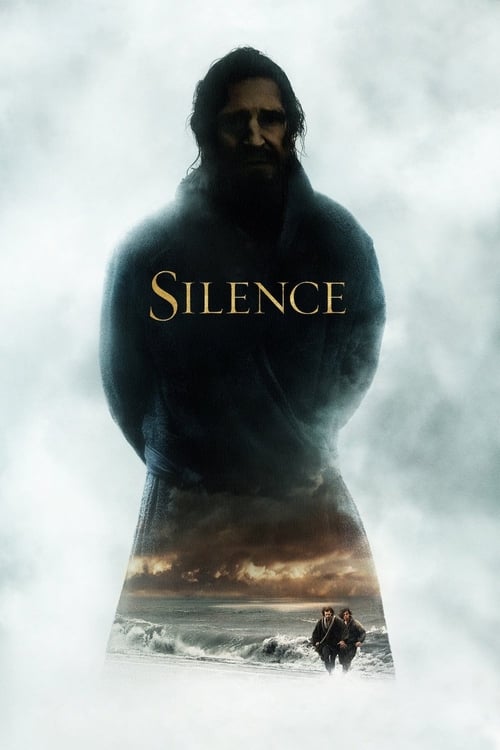
I remember sitting in the theater back in 2016, flanked by a half-dozen people who looked like they’d accidentally walked into the wrong screen while searching for Rogue One. The silence in the room was heavy—not just the absence of sound, but a physical weight. I watched this while wearing a pair of incredibly itchy wool socks that I’d forgotten to change after a hike, and honestly, the constant, low-grade physical irritation felt like a strangely appropriate way to experience a movie about the grueling nature of penance.
Martin Scorsese (the man who gave us Goodfellas and The Departed) spent almost thirty years trying to get this movie made. It’s based on Shūsaku Endō’s 1966 novel, and for decades, it was the "White Whale" of Hollywood development hell. When it finally arrived, it didn’t come with the rock-and-roll swagger of The Wolf of Wall Street. Instead, it was a 161-minute interrogation of the soul that landed in theaters just as the Marvel Cinematic Universe was reaching peak saturation. In an era where every second movie had to set up a sequel, it’s a $46 million art film that feels like a magnificent middle finger to the franchise era.
The Swamp of Japan
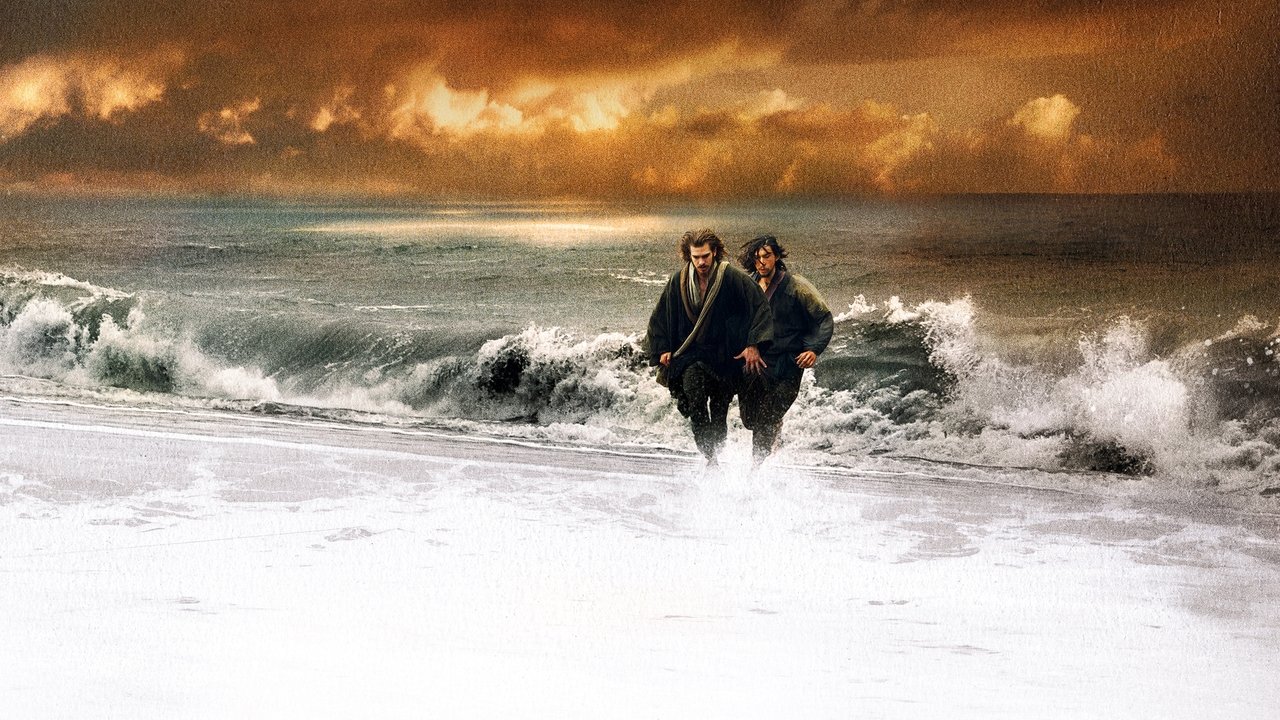
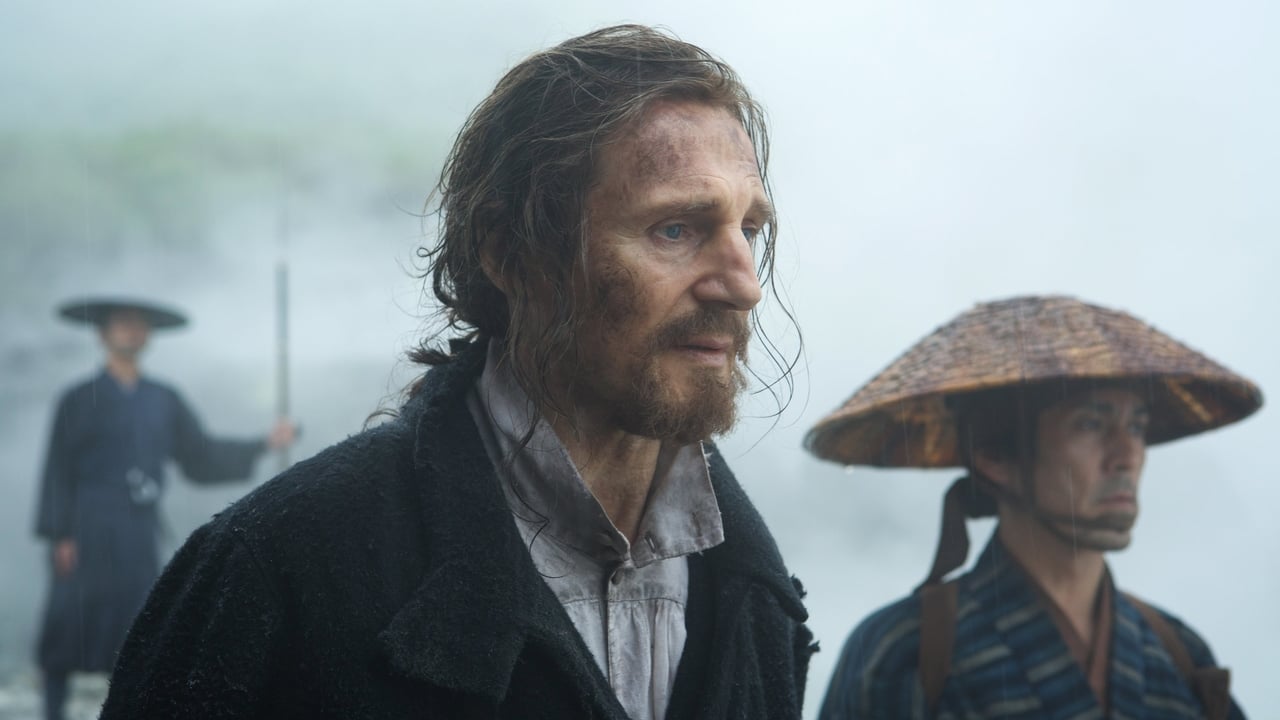
The story follows two young Portuguese Jesuits, Rodrigues (Andrew Garfield) and Garupe (Adam Driver), who sneak into 17th-century Japan. They’re on a dual mission: find their missing mentor, Father Ferreira (Liam Neeson), who is rumored to have renounced his faith under torture, and tend to the "hidden Christians" living in terror of the Japanese Inquisition.
Japan at this time is described as a "swamp" where the roots of Western Christianity cannot take hold. Andrew Garfield is the heart of the film, and he’s doing some of the best work of his career here. He carries this look of haunted, desperate earnestness that makes you realize Garfield has the most expressive 'suffering face' in modern Hollywood. Opposite him, Adam Driver provides a rigid, more dogmatic foil. To prepare for the roles, both actors reportedly took massive pay cuts—working for the SAG minimum—just to help the budget. Driver lost nearly 50 pounds, looking so gaunt by the time they started filming that he looked like a walking Gothic cathedral.
The real scene-stealer, though, isn't the priests. It’s Issey Ogata as the Old Samurai, Inoue. He plays the "villain" with a bizarre, high-pitched eccentricity that is genuinely unsettling. He doesn’t twirl a mustache; he fans himself and sighs with the boredom of a man who is tired of killing people who won't just step on a piece of bronze to save their lives.
A Masterpiece Misunderstood
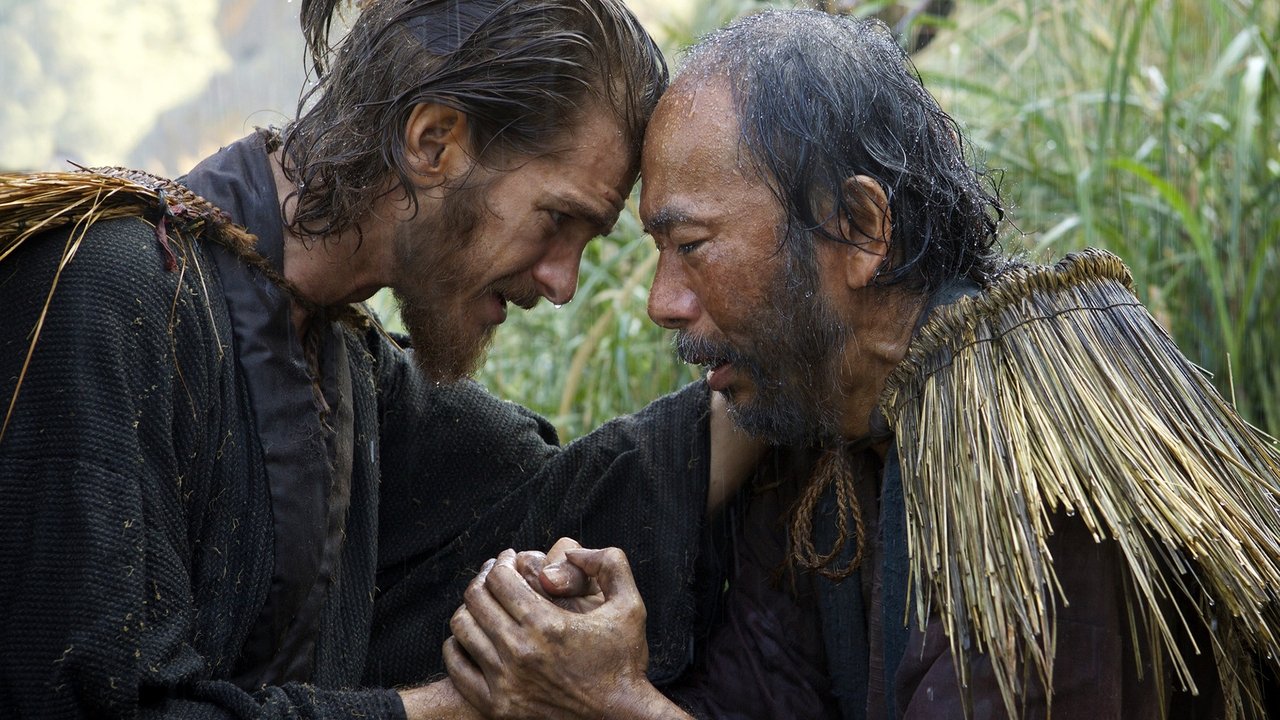
Silence bombed. There’s no polite way to put it. It made less than half its budget back at the box office. But that’s the classic "Cult Classic" trajectory, isn't it? It’s a film that demands you sit with it, and in 2016, audiences weren't exactly lining up for three hours of theological debate and crucifixions-by-tide. However, on the small screen and in film circles, its reputation has only grown. It’s the kind of movie that people "discover" on a rainy Sunday and then spend the next three days thinking about.
The production was a nightmare in its own right. Because they couldn't afford to shoot in Japan, they used Taiwan as a double. Martin Scorsese and his longtime collaborator Jay Cocks (Gangs of New York) had to navigate endless legal hurdles from a previous production company (Cecchi Gori) that had sued the director for delaying the project for twenty years.
There’s also the trivia about the "silent retreat." Andrew Garfield spent seven days at St. Beuno’s Jesuit spirituality center in Wales, observing total silence to get into the headspace of Rodrigues. Apparently, when he finished, he was so immersed in the character that he found it difficult to speak to anyone on set who wasn't "in the spirit." It’s that level of dedication that keeps the film from feeling like a dry history lesson.
The Sound of Nothing
What I love about Silence is that it doesn't give you the "Hollywood" version of faith. Usually, in these movies, there’s a big swelling orchestra and a ray of light from the clouds when the hero prays. Here, there is nothing but the sound of cicadas and the wind. Tadanobu Asano, playing the Interpreter, is chillingly effective at reminding the priests—and the audience—that their presence might be doing more harm than good.
The film challenges the idea of the "heroic martyr." It asks a brutal question: Is it more arrogant to die for your prideful faith, or to "apostatize" and save the lives of the poor villagers being tortured because of you? It’s a moral knot that Scorsese refuses to untie for us.
If you’re looking for a breezy Friday night watch, this isn't it. But if you want to see a legendary director at the absolute height of his powers, making a film that feels like it was carved out of stone, you have to see this. It’s a film about the gaps between what we believe and what we can endure, and it remains one of the most daring things released in the last decade.
Silence is the kind of cinema that feels like a physical experience. It’s long, it’s grueling, and it offers no easy exits, but the ending—a final, quiet shot that recontextualizes the entire three hours—is one of the most moving things I’ve seen this century. It proves that even in an age of loud blockbusters, the quietest stories often leave the deepest scars. If you missed it during its brief, quiet theatrical run, go find it; just leave the SunChips in the kitchen.

Keep Exploring...
-
Killers of the Flower Moon
2023
-

The Irishman
2019
-
Gangs of New York
2002
-
BlacKkKlansman
2018
-
First Man
2018
-
House of Gucci
2021
-
The Last Duel
2021
-

Steve Jobs
2015
-
The Walk
2015
-

Eddie the Eagle
2016
-
Patriots Day
2016
-
Snowden
2016
-
The Founder
2016
-
The Lost City of Z
2017
-
12 Strong
2018
-
The Favourite
2018
-
Just Mercy
2019
-
Richard Jewell
2019
-
The Trial of the Chicago 7
2020
-
Black Mass
2015