Snowden
"The most dangerous man is the one who listens."
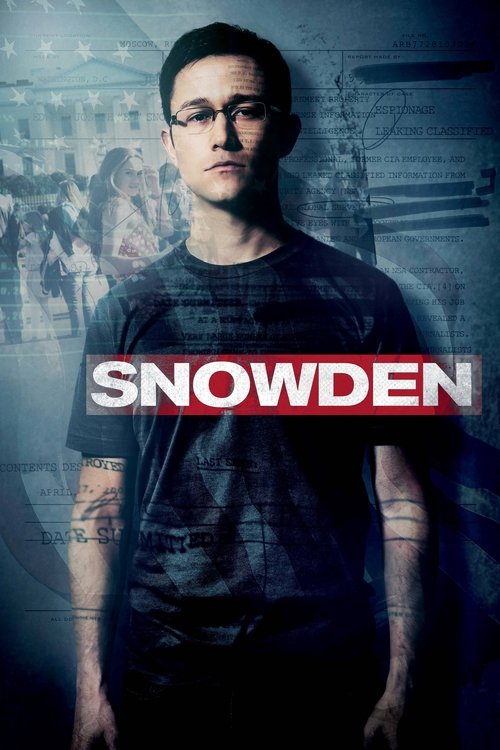
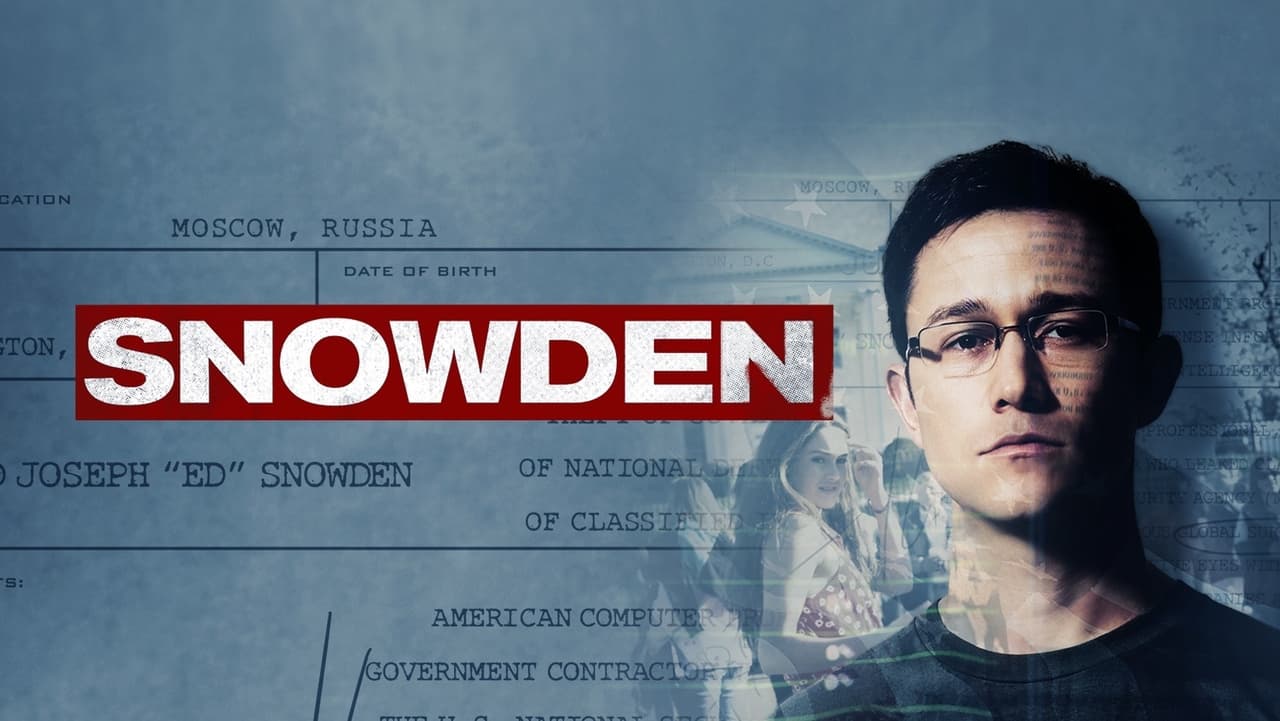
There is a specific, itchy kind of paranoia that comes from realizing your laptop camera is a staring eye, watching you eat cereal in your pajamas while you browse the abyss of the internet. By the time Oliver Stone released Snowden in 2016, that feeling had migrated from the fringe of conspiracy forums into the bedrock of our daily reality. I remember watching this for the first time while my phone kept buzzing with "Updated Terms and Conditions" notifications, and the irony felt like a physical weight in the room. This isn't just a biopic; it’s a techno-thriller that feels like a warning shot fired years after the target was already hit.
The Ghost in the Machine
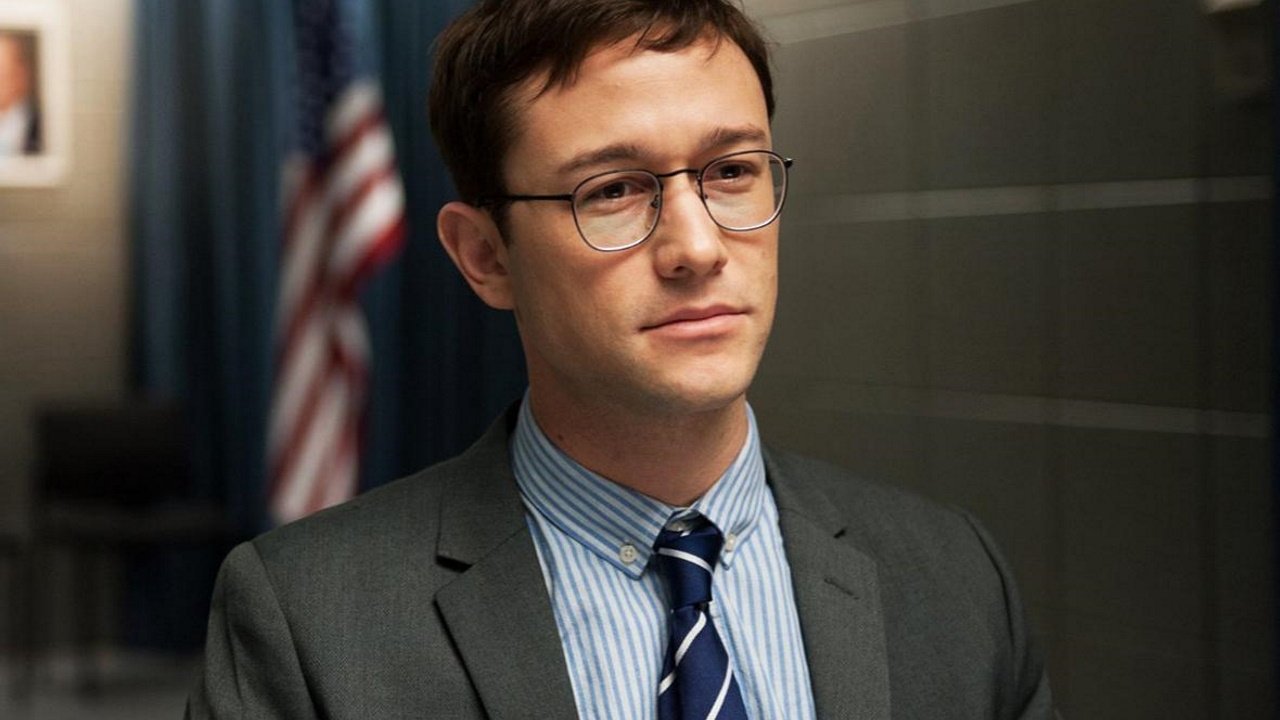
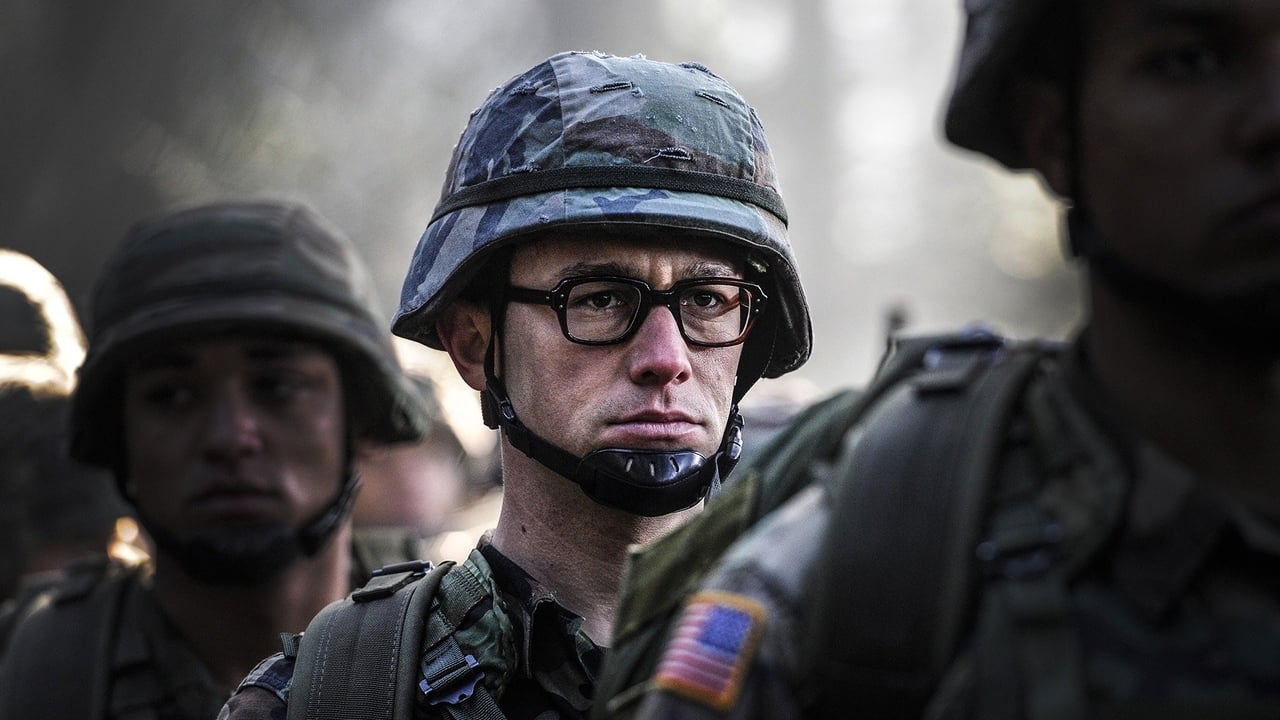
Oliver Stone has built a career out of poking the bruised ribs of American history, from JFK to Nixon (1995), but with Snowden, he had to trade the smoky rooms of the 20th century for the sterile, blue-lit server farms of the 21st. The film manages to make the act of downloading files onto a microSD card feel as high-stakes as a trench raid. Joseph Gordon-Levitt takes on the title role with a dedication that borders on the uncanny. His choice to adopt Snowden’s specific, low-register "gravel voice" is a polarizing one—Gordon-Levitt’s vocal choice is a high-wire act that occasionally threatens to dip into Batman-parody territory, but once you settle into it, you realize it’s part of a broader, deeply internal performance. He portrays Edward as a man who is slowly being hollowed out by what he knows.
The film operates on two timelines: the tense 2013 hotel room meeting in Hong Kong with documentary filmmaker Melissa Leo (playing Laura Poitras) and journalists Zachary Quinto (as Glenn Greenwald) and Tom Wilkinson, and the flashback journey of Snowden’s rise through the CIA and NSA. Shailene Woodley, playing Lindsay Mills, is the soul of the film. In many "great man" biopics, the girlfriend role is a thankless, one-dimensional trope, but here, Woodley is essential. She represents the private life that the state is slowly dismantling. Their relationship isn't just a subplot; it’s the stakes. When Edward starts covering the webcam in their apartment with tape, we aren't just seeing a man lose his mind—we're seeing a man who has finally seen the monster under the bed and realized it’s a government contractor.
Secrets Kept in the Shadows
The production of Snowden was arguably as paranoid as the film itself. Because Oliver Stone couldn't get a major US studio to touch the project—likely due to the sensitivity of the subject matter—the film was financed largely through German and French sources. I find it fascinating that the production was moved to Munich specifically because Stone and producer Moritz Borman didn't trust the American government; they feared the NSA might find a way to "intervene" with the footage or legalities if they stayed on US soil.
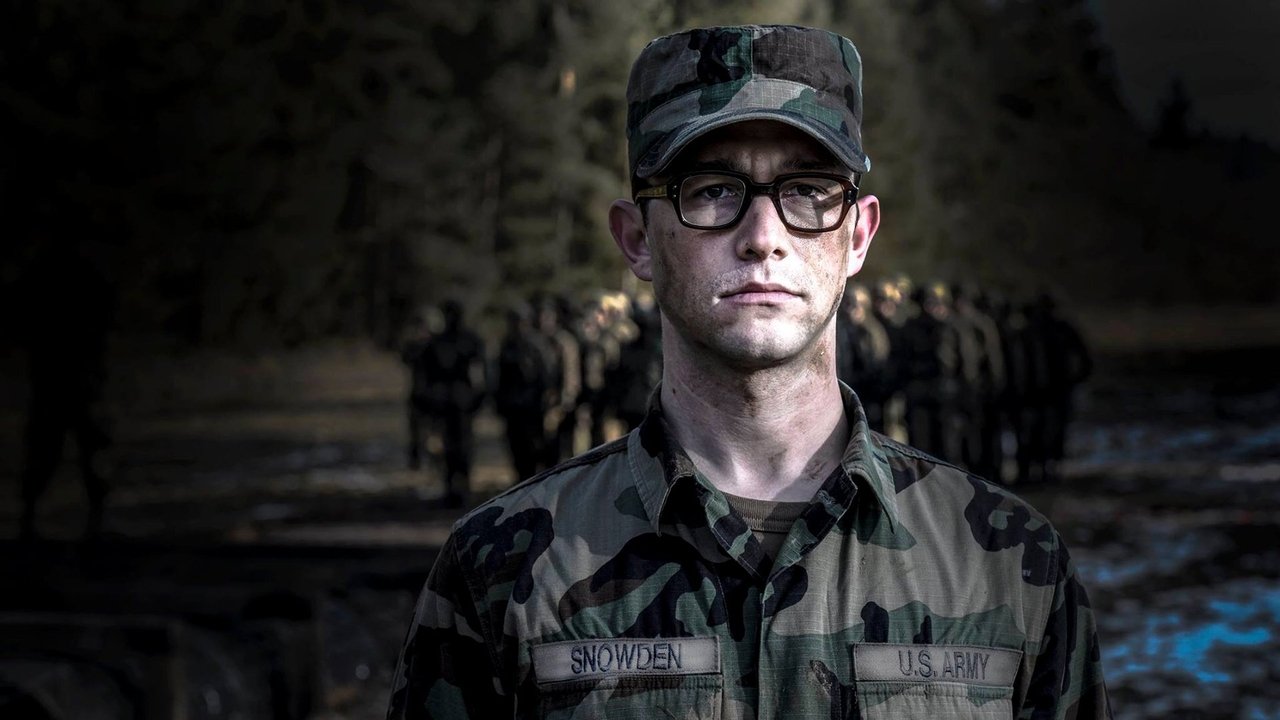
The level of authenticity here is staggering. Stone reportedly flew to Moscow nine times to meet with the real Edward Snowden, ensuring the technical details were airtight. In a particularly cool nod to reality, the famous Rubik’s Cube trick used to smuggle the data out of the Hawaii facility was actually suggested by Snowden himself. Even more impressive is the cast's commitment: Joseph Gordon-Levitt actually donated his entire salary from the film to the ACLU to facilitate a conversation about the relationship between technology and democracy.
One of my favorite "blink and you'll miss it" details is the script security. To prevent leaks, only one hard copy of the script existed at any given time, and digital versions were kept on a single, air-gapped computer that never touched the internet. This wasn't just marketing hype; it was a survival tactic for a film that the establishment would have been perfectly happy to see disappear.
A Modern Cult of Truth
While Snowden didn't exactly set the box office on fire—making about $37 million against a $40 million budget—it has developed a quiet, intense following in the years since. It’s a "cult classic" of the digital age, a movie that people rediscover whenever a new privacy scandal breaks or a whistleblower hits the headlines. The movie makes the NSA look less like a sophisticated spy agency and more like a frat house with God-complexes, and that’s a characterization that has aged remarkably well.
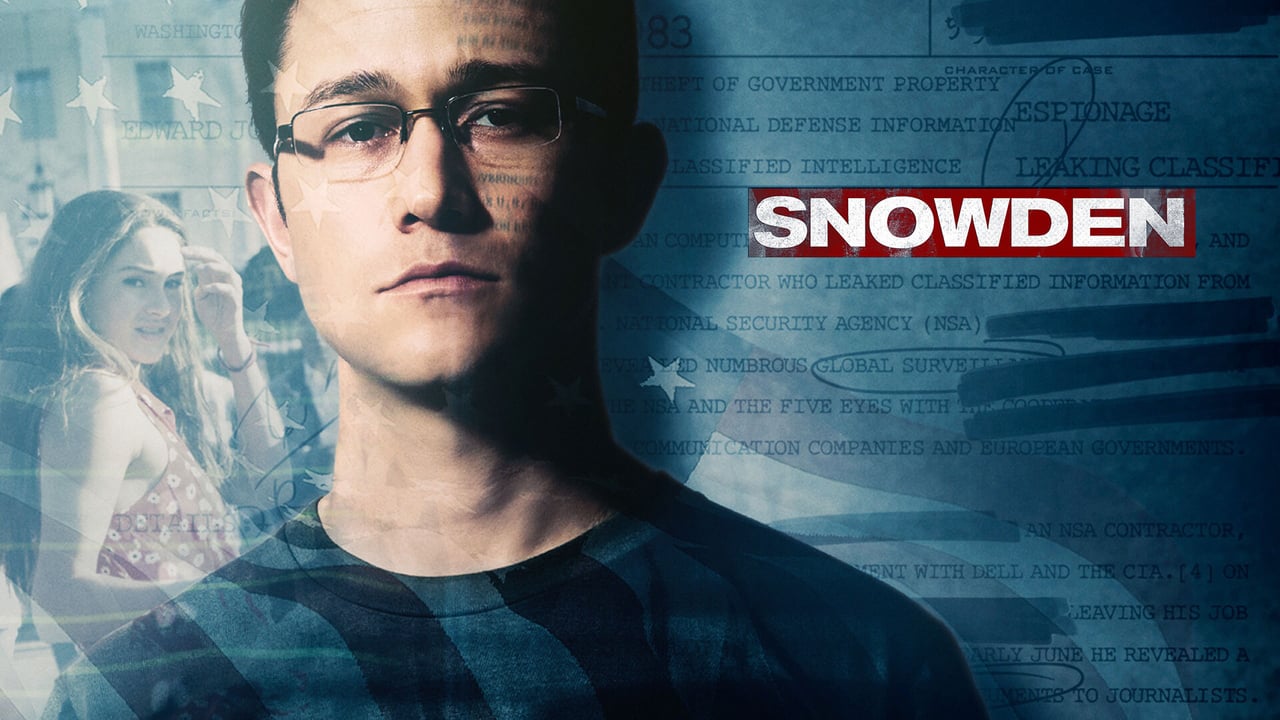
Visually, Anthony Dod Mantle (who brought that frenetic energy to Slumdog Millionaire) uses a cold, digital palette that makes the classified world feel both vast and claustrophobic. The way the camera lingers on the massive, blinking "Eye of Sauron" style graphics in the surveillance hubs creates a persistent sense of dread. It's a dark film, not because of shadows, but because of the brightness of the screens that are recording everything we do.
Ultimately, Snowden succeeds because it refuses to be a simple "hero vs. villain" narrative. It’s a tragedy about the death of anonymity. Whether you view Edward Snowden as a patriot or a traitor, the film forces you to reckon with the fact that the world changed while we were busy clicking "I Agree." It’s an intense, somber piece of contemporary history that serves as a vital companion piece to the documentary Citizenfour. It might not be the most comfortable watch, but it’s a necessary one for anyone who has ever wondered why their phone seems to know what they're thinking before they've even typed it.
Keep Exploring...
-
Patriots Day
2016
-
Natural Born Killers
1994
-
Uncut Gems
2019
-
Wrath of Man
2021
-
Savages
2012
-
22 July
2018
-
JFK
1991
-
Just Mercy
2019
-

Promising Young Woman
2020
-
13 Hours: The Secret Soldiers of Benghazi
2016
-

The House That Jack Built
2018
-
El Camino: A Breaking Bad Movie
2019
-

The Irishman
2019
-

The Devil All the Time
2020
-

Wall Street
1987
-
Sherlock: The Abominable Bride
2016
-

Dogman
2018
-

Shoplifters
2018
-
The Accountant
2016
-

Detroit
2017